NACCHO Aboriginal Health #CloseTheGap #Elders #Agedcare #Diversity framework : Online Survey to assist developing an Action Plan for Aboriginal and Torres Strait Islanders #Agedcare @IUIH_ @VACCHO_org

 ” There are more than 100,000 older people from Aboriginal and Torres Strait Islanders, communities in Australia, who often have health care and support needs that differ from those of other older Australians.”

Australia ‘s aged care system is changing.

To have your say on the aged care needs of our Aboriginal and Torres Strait Islander communities, go to

www.surveymonkey.com/r/IUHAgedcare.

  • Making informed choices
  • Adopting systemic approaches to planning and implementation
  • Accessible care and support
  • Supporting a proactive and flexible system
  • Respectful and inclusive services
  • Meeting the needs of the most vulnerable

Priority outcomes specified in the Aged Care Framework, launched in Canberra by The Hon Ken Wyatt AM MP, Minister for Aged Care and Minister for Indigenous Health.

Before this study people were aware of the impact of social disadvantage and poverty on poorer mental health in older Aboriginal people, but we didn’t really appreciate the important role that living with chronic illness and physical disability has in driving these mental health problems,”

The Baker Heart and Diabetes Institute’s Dr Sandra Eades said the results should influence the Federal Government’s redesign of its Close the Gap targets. See Article in full Part 2

Read previous NACCHO Aged Elder Care articles HERE

Part 1 Survey Developing an Action Plan for Aboriginal and Torres Strait islanders aged care

Australia is a diverse nation, and older people display the same diversity of characteristics and life experiences as the broader population.

Our aged care systems is evolving to offer increased choice and control for consumers, and this transition to person centred care requires care to be tailored to meet an individual’s diverse needs.

To help ensure these needs are appropriately met, the Australian Government have announced an Aged Care Diversity Strategy Framework, which will include implementation Action Plans for Culturally and Linguistically Diverse communities, Lesbian, Gay, Bisexual and Trans and /or Intersex and Aboriginal and Torres Strait islander Australians.

The Institute for Urban Indigenous Health (UIH) has been funded to lead the Action Plan for Aboriginal and Torres Strait Islanders, in collaboration with the Victorian Aboriginal Community Controlled Health Organisation (VACCHO), and we need your help!

Have your say

To ensure appropriate input from all stakeholders, an online survey has been developed and interviews will be held throughout the country.

We want to hear from you, if you are:

  • a consumer of aged care services, or the family member, carer or representative of one;
  • an aged care provider;
  • a peak organisation or representative group

What do we want to achieve?

It is expected that the project will deliver three significant outcomes:

  • a proposed Action Plan for Aboriginal and Torres Strait Islander Aged Care that will be an integral part of the national Aged Care Diversity Framework
  • a detailed consultation report that will inform local issues as well as national priorities and the development of the action plan
  • identified evidence based best practice for aged care service delivery to Indigenous communities based on a comprehensive literature review.

To have your say on the aged care needs of our Aboriginal and Torres Strait Islander communities, go to

www.surveymonkey.com/r/IUHAgedcare.

The online survey will be open until 26 February, 2018

Part 2

Resources for Aboriginal and Torres Strait Islander people

The Australian Government’s My Aged Care phone line and website can help you access aged care services to support you.

Download HERE

Part 3 Older Indigenous Australians with illness or disability at high risk of depression, study finds

By national Indigenous affairs correspondent Bridget Brennan and Specialist Reporting Team’s Naomi Selvaratnam

For the first time there’s evidence that disability, renal failure and diabetes are causing high levels of psychological distress in older Indigenous Australians.

Key points:

  • Half of all Aboriginal people with chronic illness or a disability have mental health problems, study finds
  • Expert says policy changes are needed to improve the health and life expectancy of Indigenous community
  • There’s also calls for an overhaul of the NDIS to better accommodate Indigenous people

The Baker Heart and Diabetes Institute’s Dr Sandra Eades said the results should influence the Federal Government’s redesign of its Close the Gap targets.

“Before this study people were aware of the impact of social disadvantage and poverty on poorer mental health in older Aboriginal people, but we didn’t really appreciate the important role that living with chronic illness and physical disability has in driving these mental health problems,”

Dr Eades said.In the month before completing an interview for the study, a fifth of Indigenous patients aged 45 or over had experienced anxiety and depression requiring professional help, as well as feelings of restlessness and hopelessness.

“We would say it would be exceptional for an Aboriginal person with disability not to have experienced anxiety or post-traumatic stress disorder.

Physical health impacts mental health

“Physical health impacts on mental health. It really highlights the need for the importance of the refresh of the Closing the Gap targets,” Dr Eades said.

“The Aboriginal share of the NDIS is between $1.6 billion and $2 billion, so that’s indicative of how much unmet need there is out there,” he said.

He added that many rural Indigenous communities require greater funding to care for those people living with disabilities.”So this requires a greater investment in communities so that people can support themselves, like it was always done in the past.”

“There are Aboriginal people that provide very good, high-quality care for their community members with disabilities, but what’s lacking often is the resources for them to be able to do that in a more substantive way,” Mr Griffis said.

“But there’s really no money being spent of any great note in this area, despite the urgent need.”

Mr Griffis has called for an overhaul of the National Disability Insurance Scheme (NDIS) to better accommodate Indigenous people.

Dr Eades urged the federal and state governments to put a “stronger focus on [Indigenous] mental health in the next 10 years”.

“If you don’t have an opportunity to participate both in your community, and in the wider community, then naturally that can lead you to feel very depressed and very down.”

“They feel marginalised and they feel at the edges and periphery of society,” said Damian Griffis, the chief executive of First Peoples Disability Network Australia.

Australians with severe physical limitations are more prone to being highly distressed, but that is especially a risk for Aboriginal people, the study said.

The policy to improve the life expectancy of the Indigenous community is being reviewed, because it has seen little success so far.

New research by the Baker Heart and Diabetes Institute shows this is the case for half of all Aboriginal people suffering from significant health problems.

NACCHO Aboriginal Health and #ClosetheGap #Cancer @CancerCouncilOz #WorldCancerday Why should the poor die young? Closing the gap in cancer outcomes : Unhealthy lifestyles that can increase cancer risk

 ” In Australia, the poorest among us are 30% more likely to die of cancer than the richest.

There is also a big gap in cancer outcomes for our Indigenous Australian population, where incident rates from cancer are 10% higher than non-Indigenous Australians and mortality rates are 30% higher.

Similarly, cancer incidence (particularly cancers with poorer prognoses) and mortality are significantly higher outside capital cities, with outcomes worsening in step with remoteness.

So why are money, cultural background, geographic location and cancer types leading to some Australians being left behind?

More research is required to definitively pinpoint why these trends are occurring, but several factors stand out. More needs to be done to promote healthy lifestyles and cancer prevention to some parts of our community.

As an example, we know that smoking rates are higher in Indigenous populations and among poorer Australians and also link to cancers with poorer prognosis such as lung cancer.

Continued investment in anti-smoking campaigns tailored to these communities is critical in reducing this disparity. Currently around 40% of Indigenous Australians smoke compared with 12.2% of the general Australian population. In remote communities, this rises to around 60%.

Other unhealthy lifestyles that can increase cancer risk, including excessive alcohol consumption, physical inactivity, an unhealthy diet and obesity, are also more prevalent among socio-economically disadvantaged populations

Professor Sanchia Aranda is the CEO of Cancer Council Australia

See Full Article Part 4 below

Part 1 resources for Aboriginal Health workers

This work can sometimes be challenging because of the complex medical terminology involved, and the different side effects that patients can experience during treatment.

This booklet has been developed in collaboration with Aboriginal Health Workers to provide important and practical information to help you support your patients during their cancer treatment.

The booklet will help you to:

  • understand safety issues for patients having chemotherapy
  • recognise some of the most common side effects of cancer treatment
  • understand how to manage these side effects
  • educate your patients about how to manage side effects
  • know when to seek help (call a doctor or other healthcare professional)
  • understand the effects of cancer on your patients’ social and emotional wellbeing

Resources and Download Booklet HERE

Part 2 Quit smoking this to reduce your risk of developing tobacco related cancers.

More Info Indigenous Support

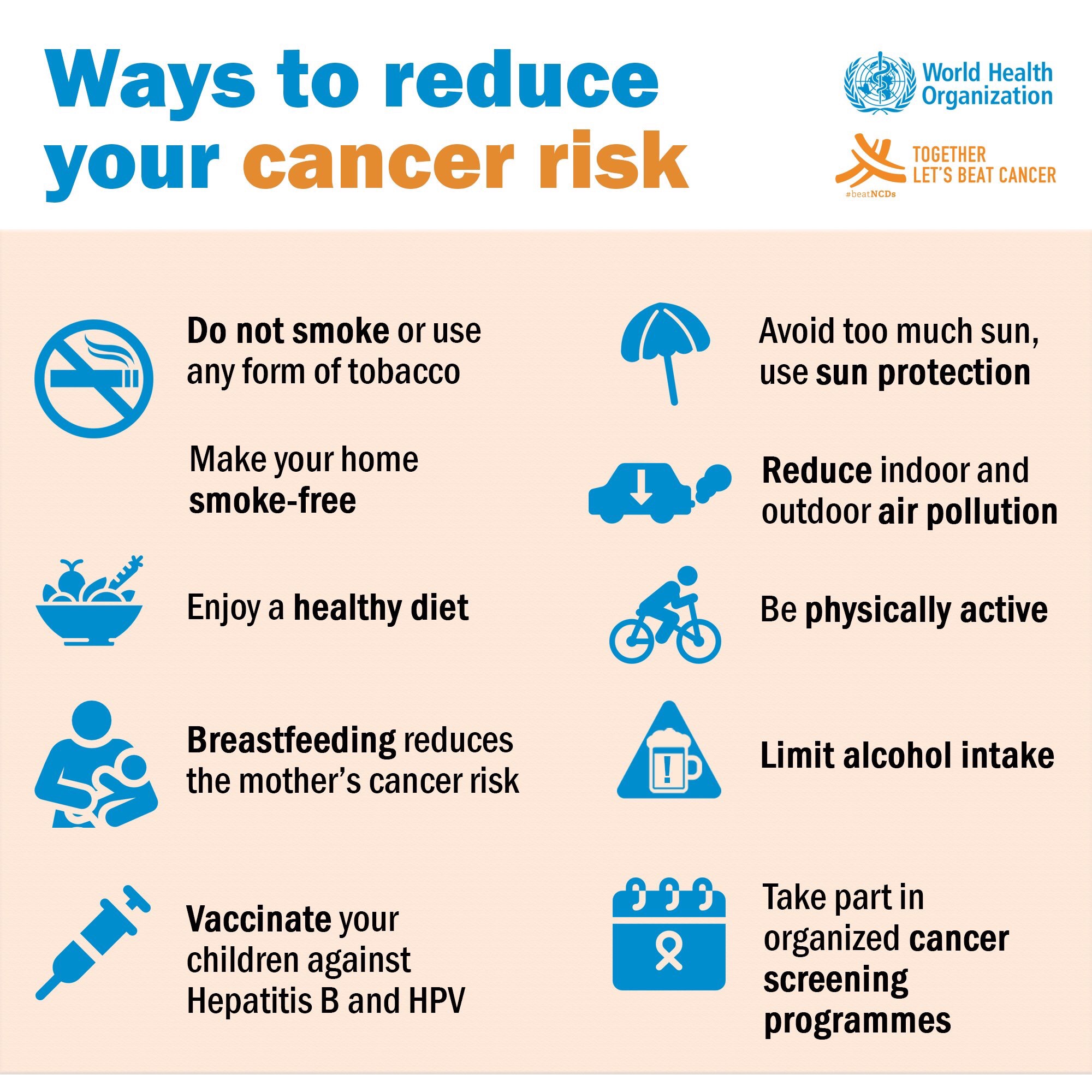
Part 3 Here are some ways to reduce your risk. Let’s beat cancer!

 Part 4 Money, cultural background and geographic location are crucial in determining survival rates

From The Guardian

Last week Cancer Council released new data forecasting cancer survival trends into the future. The statistics, outlining an expected 72% increase in the number of Australians living with cancer or in remission by the year 2040, were startling – but even more concerning are the trends that show the gap between the haves and have-nots when it comes to cancer survival.

The new report, released in the lead up to World Cancer Day, held yesterday 4 February, show that when it comes to cancer, things just aren’t as equal as they should be.

In Australia, the poorest among us are 30% more likely to die of cancer than the richest.

There is also a big gap in cancer outcomes for our Indigenous Australian population, where incident rates from cancer are 10% higher than non-Indigenous Australians and mortality rates are 30% higher.

Similarly, cancer incidence (particularly cancers with poorer prognoses) and mortality are significantly higher outside capital cities, with outcomes worsening in step with remoteness.

On top of all of this, there are increasing differences in survival rates between different cancer types.

By the year 2040, the most common cancers Australians will have survived are breast, prostate, bowel and melanoma. These are all common cancer types where we have seen positive improvements in awareness, better early detection, and, ultimately, treatment (and even with those advances, thousands of Australians die from these cancers each year, often in ways that can be prevented).

However, another common cancer type, lung cancer, features a much lower survival rate and highlights the need for greater investment in early detection and treatment for this cancer. Rarer cancers with poorer overall survival, such as pancreatic cancer, make up an even smaller proportion of survivors.

We also know that some parts of our community are less likely to detect cancer early. Australia has world-leading screening programs for bowel, breast and cervical cancer, but participation rates remain low, and participation lags behind in communities where health literacy is lower.

For example, cervical cancer mortality in Indigenous women is more than four times that of non-Indigenous women, which largely reflects far lower screening rates.

Finally, we know that the financial impact of cancer, something we call “financial toxicity”, impacts diagnosis and treatment decisions and this is likely to be particularly the case for poorer Australians with less capacity to absorb the costs of undergoing cancer treatment.

Australia has a good health system by world standards, but it’s the additional out-of-pocket and indirect costs of cancer that seem to allow the poorest people in our community to fall behind.

It’s the cost of accommodation for those travelling to treatment and parking, it’s the cost of having to quit your job while having treatment, it’s the financial impact on carers who also leave their jobs to support their loved one. I was staggered by the $2,500 bill my niece received for radiology tests at diagnosis of cancer, none of which was reimbursable through Medicare.

These costs are often exaggerated for our regional and remote cancer patients who have greater travel requirements and often lose the capacity to work even part-time.

We also know that doctors working in the private system often fail to disclose expected medical costs or to inform patients of lower cost alternatives within the public health system.

This has sadly led to cancer patients mortgaging their homes and putting their finances on the line to pay excessive out-of-pocket costs that are simply not justifiable. Cancer Council continues to call for health practitioners to disclose financial costs of treatment alongside information about other treatment options.

This report highlights the importance of funding research aimed at closing the survival gap for those cancers that continue to have poorer survival rates. We also need to translate the learnings and advances gained in cancers like breast cancer to other types.

Cancer Council funds research across all cancer types, and projects like Forgotten Cancers put low-survival cancers in the spotlight, but there is always so much more to be done. There are lost opportunities in particular when it comes to using our existing health system to detect rare cancers sooner, in order to increase the chances of successful treatment. In the UK and Denmark for example, gains have been made through setting benchmarks for time to diagnosis that help to avoid delays and get people into treatment sooner.

As a charity, Cancer Council can only fund a tiny fraction of what could be achieved through enhanced use of Australia’s $170 billion total annual health budget, of which only around 3% goes to cancer and around 1% to disease prevention. But we can engage with everyone to help make things better and work towards reducing these unacceptable disparities in cancer outcomes.

  • Professor Sanchia Aranda is the CEO of Cancer Council Australia


NACCHO Aboriginal Health : Your Guide to #ClosetheGap Week Includes #ClosingtheGap #CtGRefresh @KenWyattMP ” Better #Indigenous Health ” @AusHealthcare Editorial

Understanding and respecting Aboriginal and Torres Strait Islander cultures—our strengths, traditions and our family, kinship, values and knowledge—is a fundamental foundation for better Indigenous health.

Consideration of the social and cultural determinants of health is vital, because a strong connection to culture correlates with good health, through strengthened identity, resilience and social and physical wellbeing.

In the words of the Prime Minister, we are committed to doing things with Aboriginal and Torres Strait Islander people, not to them, empowering local community solutions and better personal choices.

This will require the involvement of individuals, families, communities and Aboriginal organisations at all levels, in shaping the future and achieving improved health.

The Closing the Gap refresh and the next Implementation Plan will be important opportunities to build on what we have learned, and help ensure our people live better, longer and healthier lives and are able to achieve their full potential.”

Extract from Minister Ken Wyatt’s ” Better Indigenous Health ” overview in this weeks the AHHA’s  #ClosetheGap Magazine Read in Full Part 4  below

Download a copy HERE : AHHA CTG 2018 Feature

Part 1 Your #ClosetheGap Week Guide

Thursday 8 th February the #ClosetheGap Campaigns Parliamentary Breakfast 7.00 AM event and the launch of a ten-year review: the #ClosingtheGap Strategy and Recommendations for Reset.

The Prime Minister has established a group of 10 Aboriginals to inform governments this week on the next phase of the #ClosingtheGap agenda. #CTGRefresh

The Aboriginal panel will meet from 7th – 8th February.

Ministers will join the Indigenous group on the afternoon of Thursday 8th.

Friday 9th February , The 10 Indigenous participants will formally present the gathering’s proposals to the Council of Australian Governments #COAG meeting.

Monday 12 Feb, the PM provides his #ClosingtheGap report to Parliament 11.00 am

Tuesday 13 February several key events to mark 10 years since the Apology, including the public concert on the lawns of Parliament House – hosted by The Healing Foundation. #Apology10

Read 454 NACCHO Aboriginal Health #ClosetheGap articles last 6 years

NACCHO This week Monday #WorldCancerday #CloseTheGap

Tuesday Aged Elder Care #CloseTheGap

Wednesday Aboriginal Children’s Health #ClosetheGap

Part 2 #ClosingTheGap #RefreshCTG

From NACCHO Post

This is a great opportunity for people to share their ideas and opinions”

Andrea Mason, Co-Chair Indigenous Advisory Council and CEO of NPY Women’s Council

Share your views

Submissions close 5pm 31 March 2018

 ” The Australian Government, on behalf of the Council of Australian Governments (COAG), is asking all Australians for their views to help construct the next phase of the Closing the Gap agenda and has released a COAG discussion paper to support ongoing consultations that have been held this year and will continue into 2018.

Over the past decade, important progress has been made in improving health, employment and education outcomes for First Australians since Australian governments agreed to a Closing the Gap framework to address Indigenous disadvantage.

However, it is clear that the Closing the Gap agenda can be better designed and more effectively delivered. This is a view shared among Aboriginal and Torres Strait Islander people, governments and the broader community.”

Download the Discussion paper

ctg-next-phase-discussion-paper

Part 3 #Refresh CTG Example from NACCHO Member Congrees Alice Springs

Congress Alice Springs notes the Council of Australian Government’s (COAG’s) commitment in their meeting of 9 June 2017 to refreshing the Closing the Gap (CtG) agenda, “focussing on a strength-based approach that supports Indigenous advancement, working in partnership with Aboriginal and Torres Strait Islander peoples”.

As a leading Aboriginal community controlled health service with over forty years of experience in delivering improvements in services and outcomes for Aboriginal people1 in Central Australia, Congress is submitting this paper to the Taskforce that has been established in the Department of the Prime Minister and Cabinet to progress this important work.

The paper is framed around five key structural reforms to the CtG process and on eight specific social and cultural determinants of health and well being

Download HERE

Congress-input-to-CtG-Refresh-Process-FINAL-24-January-2018

 Part 4 Minister Ken Wyatt’s ” Better Indigenous Health ” overview in this weeks the AHHA’s  #ClosetheGap Magazine

Download a copy HERE : AHHA CTG 2018 Feature

The February 2018 issue was released today. It focuses on ‘Close the Gap’ and features articles including:

  • Better Indigenous health—Ken Wyatt see in full below
  • Aboriginal patient journey mapping tools—Flinders University, University of Adelaide, Port Augusta Hospital and Regional Health Unit, Royal Adelaide Hospital
  • Walk with us—Janine Mohamed, CATSINaM
  • Nutrition from first foods—Dympna Leonard
  • Check today, see tomorrow—Hugh Taylor and Mitchell Anjou, University of Melbourne

Understanding and respecting Aboriginal and Torres Strait Islander cultures—our strengths, traditions and our family, kinship, values and knowledge—is a fundamental foundation for better Indigenous health.

The Turnbull Government understands that significant factors contributing to higher rates of premature death and chronic illnesses among our people lie largely outside the traditional health system.

Consideration of the social and cultural determinants of health is vital, because a strong connection to culture correlates with good health, through strengthened identity, resilience and social and physical wellbeing.

We know that over one-third of the average health gap between Indigenous and non- Indigenous people is the result of social determinants—the implications of housing, employment, justice and education.

This rises to over 50% when combined with risky behaviours such as tobacco and alcohol use, poor diet and physical inactivity.

In 2017, the Government led the My Life My Lead consultations across the nation, listening to people, and government and non-Government agencies, sharing their experiences around the social and cultural determinants of health, with around 600 attending 13 forums.

We heard that to make significant overall improvements in Indigenous lives, including their health, we need to:

• recognise the importance of culture, family and country;

• partner with communities to build capacity;

• recognise and address the impacts of underlying trauma; and

• lift access to health, education, employment and social services.

There is a need to address systemic racism and enhance cultural competency.

The 2017 Aboriginal and Torres Strait Islander Health Performance Framework highlighted some areas of success: There has been a 44% decline in Aboriginal circulatory disease death rates between 1998 and 2015, and a 47% decline in kidney deaths; there has been a longer term 33% decline (1998–2015) in child mortality and a recent 9% drop in smoking rates.

However, we can, and must, do better.

Among my Aboriginal and Torres Strait Islander health priorities are:

• Renal health—reducing the incidence of kidney disease, with a strong focus on early intervention.

• Maternal and child health—making sure we give babies through to teenagers the best possible start in life by developing a 0–17 years approach to social, physical and emotional wellbeing.

• Men’s health—considering more of the social and cultural determinants of health.

• Eye and ear health—working on the causes of preventable blindness and hearing loss, including tackling otitis media.

• Preventable hospital admissions—with a strong focus on early intervention to keep people out of hospital.

Aboriginal and Torres Strait Islander men’s life expectancy is 10 years shorter than non- Indigenous males.

While smoking rates have improved significantly, they remain high and contribute to the largest burden of Indigenous ill health.

The $116.8 million (2015–16 to 2017–18) Tackling Indigenous Smoking program aims to further reduce these rates.

The gap in the blindness rate in Aboriginal and Torres Strait Islander people over 40, compared to non-Indigenous Australians, has halved between 2008 and 2016. The Australian Government is investing $76 million from 2013 – 14 to 2020–21 to build on this improvement.

A comprehensive approach to childhood hearing loss is combining prevention, early treatment and management of ear infections, supported by an investment of $76.4 million from 2012–13 to 2021–22.

In addition, providing a culturally safe and respectful environment within mainstream health services can help improve access to health care, as well as the effectiveness of that care.

Between July 2013 and June 2015, Aboriginal and Torres Strait Islander peoples were discharged from hospital against medical advice at seven times the rate of non-Indigenous people and were more likely to leave the emergency department without waiting to be seen.

I am pleased to be partnering with organisations including the National Aboriginal Community Controlled Health Organisation, the Australian Indigenous Doctor’s Association and the Council of Presidents of Medical Colleges to help reduce the barriers to accessing health care.

The initial focus includes improving how the health system works with Aboriginal and Torres Strait Islander peoples, ranging from enhanced cultural awareness and training for staff, through to reducing any forms of institutionalised racism.

The Cultural Respect Framework for Aboriginal and Torres Strait Islander Health 2016–2026, sponsored by the Australian Health Ministers’ Advisory Council, commits all state and territory governments to embedding the principles of cultural respect into the health system.

The next Implementation Plan for the National Aboriginal and Torres Strait Islander Health Plan, due in 2018, will recognise the importance of culture in finding solutions, and focus on the factors that promote resilience, foster a sense of identity and support good mental and physical health and wellbeing for individuals, families and communities.

In the words of the Prime Minister, we are committed to doing things with Aboriginal and Torres Strait Islander people, not to them, empowering local community solutions and better personal choices.

This will require the involvement of individuals, families, communities and Aboriginal organisations at all levels, in shaping the future and achieving improved health.

The Closing the Gap refresh and the next Implementation Plan will be important opportunities to build on what we have learned, and help ensure our people live better, longer and healthier lives and are able to achieve their full potential.


NACCHO Aboriginal Health and #Pain Advice @AMAPresident @RuralDoctorsAus @ACRRM @CRANAplus @NRHAlliance Changes to the availability of #codeine containing medicines come into effect 1 February 2018

” From 1 February 2018, codeine will no longer be available over the counter. This means you will need to get a prescription from your ACCHO doctor to buy codeine. For people with ongoing chronic pain, there are other treatments in addition to or instead of medication that can be very helpful

There are many different ways that people can manage their pain without using codeine. Research shows low-dose codeine is not superior to over-the-counter alternatives such as a combination of paracetamol and ibuprofen for pain relief.”

From Real Relief

Opening graphic courtesy of Redfern AMA ACCHO

From 1 February 2018 medicines containing codeine will only be available by prescription. These medications are used to treat pain. Codeine is also sometimes used in cold and flu medicines.

If you live in a rural or remote area and you think that this change will affect you, it’s a good idea to know your options and plan ahead.


If you normally take medicines with codeine for ongoing (chronic) pain you should talk to a health practitioner about your pain management options. Codeine is only recommended for a maximum of three days and is not considered an effective treatment for chronic pain.

The best place to get advice and assistance will depend on the health services available in your area and your personal preference.

Visit your health practitioner

If you have access to a local GP, they can provide information and help with managing your pain and write you a prescription if you need one. If they feel you need extra help to manage chronic pain they might refer you to see a specialist – either in person or through a service called Telehealth that is used to deliver health services across Australia without the need for travel.

Go to a community health centre or remote health service

If you don’t have a local GP, you can get advice and help at a community health centre or a remote health service in your area. Remote area nurses and registered nurses can also provide advice and, in some areas, they can write prescriptions.

Visit your local Aboriginal and Torres Strait Islander Health Service

Aboriginal and Torres Strait Islander Health and Medical services can provide holistic and culturally appropriate advice and care on all health and medical issues including pain management.

Get free advice over the phone

For free health advice 24 hours, 7 days a week, you can call Healthdirect Australia on 1800 022 222. Healthdirect can provide you with advice on all health topics, including pain management. They can also help you locate your nearest health services and chemists.

Download our NRHAM resources

Click here to download the NRHA Codeine Fact Sheet 

Click here to download the NRHA Posters

If pain is ongoing the best way to manage it is with a combination of strategies that suit your condition and personal situation. Medication alone is not effective.

Multidisciplinary pain management will address all of the factors associated with pain – including emotions, mental health, social relationships and work – to help you get the best results.

One of the best ways to manage pain is to take control of it. With access to the right education and strategies, most people with chronic pain can successfully regain quality of life without the need for opioids, surgery or other invasive treatments.

You can learn more about multidisciplinary pain management through your ACCHO GP who can refer you to your nearest pain service.

Rural Doctors RDAA are working with ACRRM, CRANAplus and the National Rural Health Alliance (NRHA) to ensure that all rural doctors, rural and remote nurses and Aboriginal and Torres Strait Islander Health Workers can access relevant training and information so they can advise and/or prescribe the best and most appropriate form of treatment available to consumers following the change

AMA Interview

Well, first of all, the myth that something’s changing for people who have already required a prescription for opioids. We are more and more concerned about the use of opioids in our community. It’s not unique to Australia. So many of the people who die from heroin overdoses in the United States and Australia started off on prescription opioids. So, if anything good has come of the Guild’s advocacy on low dose codeine, it’s been shining a light on the opioid epidemic we have.

But the most important myth to bust is that – for those people who reach occasionally for one of these preparations for a headache, for backache, for period pain – an anti-inflammatory alone, paracetamol alone, is every bit as effective, and in fact it’s better, because for a lot of people codeine causes headaches, it doesn’t make them better.”

AMA President, Michael Gannon see interview in full Part 2

President of the Rural Doctors Association Australia (RDAA), Dr Adam Coltzau, said that while the up-scheduling of codeine has been well publicised, some patients will remain surprised when they can no longer buy their preferred pain medication over the counter.

“I have no doubt that starting today there will be disgruntled people who were either unaware of the coming change or who did not make plans to change their medication,” Dr Coltzau said.

“Everyone should be aware that they may consult with their pharmacist where available or where there is no pharmacist their health clinic team regarding alternative over-the-counter medications. It is imperative that consumers who have previously used over-the-counter codeine to manage pain see their health care provider regarding alternative medications or therapies that are available to them.

“And of course for those patients whose doctor or nurse practitioner recommends codeine-based products these remain available to them by prescription.

“The up-scheduling of codeine has provided a positive opportunity for both patients and prescribing practitioners to increase their knowledge of the safer and more effective pain relief medications and treatments, review their condition and re-assess their approach to management of these conditions,” Dr Coltzau said.

President of the Australian College of Rural and Remote Medicine (ACRRM), Associate Professor Ruth Stewart, said that patients should start a conversation with their GP about their pain problems to find a treatment that works for them.

“There’s no clinical evidence to suggest that over-the-counter codeine products are more effective analgesics than similar medicines without codeine,” A/Prof Stewart said.

“Talking to your GP about your pain is the best way to address it, as they’re equipped to suggest a pain management strategy based on your symptoms.

“Medication alone is often not the most effective way of treating many conditions, and a multidisciplinary pain management plan will help get the best results.

“In rural and remote areas, where people may have to travel to access their health care provider to review the management of their condition, it is important for consumers to schedule a visit with their

GP or other health care provider. Where pharmaceutical services are available, consumers can take advantage of the Government’s new Pain MedCheck program that will be rolled out across community pharmacies for a one-on-one consultation with your pharmacist.

“Online resources such as http://www.realrelief.org.au can provide consumers with the facts and information on the proven alternative pain medications that are available and there may also be specialist and allied health services available via telehealth for people living in rural and remote communities,” A/Prof Stewart said.

RDAA is working with ACRRM, CRANAplus and the National Rural Health Alliance (NRHA) to ensure that all rural doctors, rural and remote nurses and Aboriginal and Torres Strait Islander Health Workers can access relevant training and information so they can advise and/or prescribe the best and most appropriate form of treatment available to consumers following the change.

Visit www.rdaa.com.au for more information.

 Part 2

LAURA JAYES:   AMA President, Michael Gannon, joins us now live from Perth. Dr Gannon, thanks so much for your time. Is the AMA on board with this decision?

MICHAEL GANNON:   The AMA supports the decision made by Minister Greg Hunt, who in turn was taking the advice from the TGA, the Therapeutic Goods Administration. They’re the bureaucrats who have looked at the science and made a decision that brings Australia into line with 25 other countries.

LAURA JAYES:   There’s been a bit of reaction to this, you would’ve noticed, Dr Gannon, but most people do use these codeine products in a very responsible way. Are you concerned about what this might do in regional areas, where people don’t have access to this, they have to find a GP? That might delay them in seeking this medication.

MICHAEL GANNON:   Look, the Pharmacy Guild stands alone in their opposition to this change, and we’ve seen a lot of mythology out there. The important message – for people who have always required a prescription for higher doses of codeine, nothing’s changed.

Now, we’ll have more to say about that. This is a drug that is causing more harm than good in our community, and ideally over time we’ll see fewer and fewer prescriptions for opioids.

But for the lower doses of codeine that this change affects, it’s very important to deliver the message to people that there’s very clear scientific evidence that the low dose codeine-containing preparations are no more effective than the paracetamol or the anti-inflammatory alone.

That’s the message that should be delivered to a patient presenting to a community pharmacy today or in coming weeks: here’s some paracetamol, here’s some ibuprofen – it’s every bit as effective, and it’s a lot safer.

LAURA JAYES:   Well, you said myth-busting; what kind of myths did you want to bust? I’ll give you the platform to do it right here and now.

MICHAEL GANNON:   Well, first of all, the myth that something’s changing for people who have already required a prescription for opioids. We are more and more concerned about the use of opioids in our community. It’s not unique to Australia. So many of the people who die from heroin overdoses in the United States and Australia started off on prescription opioids. So, if anything good has come of the Guild’s advocacy on low dose codeine, it’s been shining a light on the opioid epidemic we have.

But the most important myth to bust is that – for those people who reach occasionally for one of these preparations for a headache, for backache, for period pain – an anti-inflammatory alone, paracetamol alone, is every bit as effective, and in fact it’s better, because for a lot of people codeine causes headaches, it doesn’t make them better.

LAURA JAYES:   You sound like the AMA is preparing to actually look more deeply into opioids other than codeine. It seems like codeine is the first frontier. Why is codeine any worse than some of the others?

MICHAEL GANNON:   Well, the reason that codeine is worse is that it’s unique amongst the opioids in that’s it’s being treated in such a permissive manner. You still need a prescription for fentanyl; you still need a prescription for oxycodone; you still need a prescription for morphine.

But if anything good has come out of this conversation in recent months, it’s been that we, as doctors – whether that’s surgeons dispensing opioids after surgery, whether it’s emergency departments dispensing them in people who have presented with trauma or some other form of pain – we need to do something, because oxycodone, fentanyl, higher doses of codeine, are also causing damage in our community.

We need to look carefully at better opioids. Codeine is very much yesterday’s drug, it would not be licensed if it was invented next week. But we need to look carefully at our prescription of other opioids and really look carefully at non-pharmacological approaches to chronic pain.

LAURA JAYES:   What ones are you concerned about? Are you concerned about pseudoephedrine? Because I believe if I’ve got a bit of the flu, I go to the chemist, I get some cold and flu tablets that contain pseudoephedrine. You can certainly get through a day of work with those drugs, but are they an addictive substance? If codeine is the first one you’re concerned about, what are the next?

MICHAEL GANNON:   Pseudoephedrine is not an opioid, so it’s not used for pain relief, and the main reason to be careful with its use is it’s used to cook up methamphetamine in criminal backyard laboratories.

But you raised an important issue there, the need to monitor. We support real-time prescription monitoring. We’ve been very supportive of what’s existed in Tasmania until now. State Minister Jill Hennessy in Victoria, Federal Minister Greg Hunt, have made noises about real-time prescription monitoring. We agree with the Pharmacy Guild that that’s the way forward, especially for other licit opioids that have become drugs of abuse, like fentanyl, like oxycodone.

LAURA JAYES:   Okay, so those are the main concerns that are being abused if the opportunity is given?

MICHAEL GANNON:   Well, we are concerned about these drugs as drugs of abuse. I mean, the evidence comes from coronial reports in Victoria and other States.

LAURA JAYES:   How do people get them, though? Do they doctor shop?

MICHAEL GANNON:   Well, there is no question that some people doctor shop, but that’s a pretty ambitious effort to doctor shop for 8mg codeine tablets. But there’s no question that some people, they cook up all sorts of stories, they’re very sophisticated in how they go around collecting prescriptions for codeine 30mg tablets.

We know that fentanyl patches, that people use them, and they get the drug out of the patch for intravenous or subcutaneous administration. Australia has long been a high user of opioids, we’re a big exporter of opioids, and the story of the harm they do in the community is not a new one. But this decision, it’s at least two or three years overdue, and it brings us into line with much of the rest of the developed world.

 LAURA JAYES:   Dr Michael Gannon, thanks so much for your time today. This is a fascinating area that I agree with you we need to look a lot more closely at. We’ll get you back another time and deep-dive into that issue. Thanks so much for your time.

 MICHAEL GANNON:   Thank you, Laura.    


NACCHO Aboriginal Health News: #NACCHO Members #Deadly good news stories @KenWyattMP #NT #NSW #QLD #WA #SA #VIC #ACT #TAS

1.International. Final results are now available from the global survey of Community Health Centres

2.National /SA : ACCHOs – caring beyond the clinical to address social and cultural determinants of health 

3.WA ; Minster Ken Wyatt opens Kwilenap a new maternal child health clinic in South West Australia

4.QLD  Carbal Medical Services CEO Brian Hewitt says the eye care visit had a huge impact on the community

5.NSW : AHMRC Waminda South Coast Women’s Health & Welfare Aboriginal Corporation Go Fund Me Campaign

6.ACT : The ACT Australian of the Year highlights society’s inability to address the “national crisis” that is Indigenous incarceration rates

7.NT AMSANT  : $1.1 billion investment into remote housing welcomed as first step by Commonwealth Government but more needed.

8.VIC : Aboriginal Health Leadership News : New @VACCHO_org CEO Has a Vision for a Culturally Confident Aboriginal Community

9.TAS : Cultural Safety in Tasmania Consultation

 View hundreds of ACCHO Deadly Good News Stories over past 6 years

How to submit a NACCHO Affiliate  or Members Good News Story ?

Our next Deadly News Post is January 25

 Email to Colin Cowell NACCHO Media    

Mobile 0401 331 251

Wednesday by 4.30 pm for publication each Thursday


1.International. Final results are now available from the global survey of Community Health Centres

Final results are now available from the global survey of Community Health Centres and Community Health Centre associations that was conducted by IFCHC from October to December 2017.

We encourage you to review the results online and browse the list of all 448 CHCs and CHC associations from around the world that responded to the survey.

Over the coming months, IFCHC will be implementing a global knowledge-exchange plan for and with Community Health Centres around the world, to take action on the priorities identified via the global survey.

Thank you to all the NACCHO Members in Australia that contributed to this survey

2.National: ACCHOs – caring beyond the clinical to address social and cultural determinants of health 

Given our ( CREATE /SAHMRI) long-standing relationships with Aboriginal Community Controlled Services, we are well aware that ACCHOs play a major role in providing the broad range of services that directly and indirectly address the cultural and social determinants of health experienced by Aboriginal and Torres Strait Islander peoples.

The difficulty is in identifying and making explicit these important services. This is critical to advocate for better support, including funding equivalent to services provided, to sustain delivery into the future.

ACCHO Annual Reports clearly tell the story. We have commenced a documented analysis of recent Annual Reports (on-line electronic or hard copy) to review the depth and range of the work of ACCHOs in addressing the cultural and social determinants of health.

Early findings indicate the large number of programs or activities with children and youth, especially in health promotion and education, school education, training, and family support. A strong focus on community and cultural engagement is also evident.

The work is being conducted by the Centre of Research Excellence in Aboriginal Health Knowledge Translation and Exchange (CREATE).

CREATE is a collaboration between Wardliparingga Aboriginal Research Unit at South Australian Health & Medical Research Institute (SAHMRI), National Aboriginal Community Controlled Organisation (NACCHO) and the School of Public Health and Joanna Briggs Institute, University of Adelaide.

Professor Alex Brown is the principal investigator on this study alongside co-investigators Professor Annette Braunack-Mayer and Dr Odette Gibson (AI). Advice on the need for ethics has been sought and approval granted as required.

We appreciate the interest and support this project is generating amongst the sector and look forward to sharing the findings with you in the future.

General Information Sheet

ACCHO’s caring beyond the clinical to address social and cultural determinants of health

Objectives of this research: As part of their integrated comprehensive primary health care model, ACCHOs provide a broad range of services that directly and indirectly address the cultural and social determinants of health. The primary aim of this study is to identify and make explicit these important services that ACCHO’s provide to Aboriginal and Torres Strait Islander people, beyond clinical healthcare.

Who is involved: The research is being conducted by the Centre of Research Excellence in Aboriginal Health Knowledge Translation and Exchange (CREATE). CREATE is a collaboration between Wardliparingga Aboriginal Research Unit at South Australian Health & Medical Research Institute (SAHMRI), National Aboriginal Community Controlled Organisation, and the School of Public Health and Joanna Briggs Institute, University of Adelaide. Professor Alex Brown is the principal investigator on this study alongside co-investigators Professor Annette Braunack-Mayer and Dr Odette Gibson (AI).

What will participation involve: The research is reviewing electronic and/or hard copy of ACCHO’s 2015/16 or, if not available, 2014/15 Annual Reports.

Information will be used to: The Annual Reports will be thematically analysed to identify the types of services provided by ACCHO’s that directly or indirectly address the social determinants of health.

Benefits to participants: Findings from this study could be used to advocate for better support, including funding equivalent to services provided, to sustain delivery into the future.

Confidentiality: We are only requesting publicly available Annual Reports:

  • Any information provided will be de-identified when developing any reports (unless an ACCHO chooses otherwise)
  • All data will be stored electronically on a password protected server at Wardliparingga Aboriginal Research Unit, SAHMRI in accordance with data management policies of the Wardliparingga Research Unit
  • No third parties will be given access to the reports or data
  • The information provided will only be used for the purposes of the study and no other, without expressed permission

This Research Project has been approved by:

An initial request for guidance was sent to various ethic committees. A full ethics application was submitted and approved by the following:

  • Aboriginal Health & Medical Research Council Ethics Committee of New South Wales (Protocol number 1285/17).
  • Menzies School of Health Research Human Research Ethics Committee (Protocol number HREC 2017-2862).

The following committees advised that, as the information requested is usually made publicly available, ethics approval would not be required.

  • University of Adelaide Human Research Ethics Committee (Email confirmation received 10th February 2017).
  • Aboriginal Health Research Ethics Committee (Email confirmation received 9th February 2017.
  • Central Australian Human Research Ethics Committee (Email confirmation received 11th May 2017).
  • St Vincent Hospital Melbourne (Email confirmation received 30th May 2017).
  • Tasmania Social Sciences Human Research Ethics Committee (Email confirmation received 27th November 2017)

For further information, please contact Professor Alex Brown, Chief Investigator, Centre of Excellence Aboriginal Chronic Disease Knowledge Translation and Exchange via phone 08 8128 4000 or email alex.brown@sahmri.com

3.WA ; Minster Ken Wyatt opens Kwilenap a new maternal child health clinic in South West Australia

“Providing quality health care to our community is vital. Building capacity in our services and creating opportunities for our clients to access quality health care and support is our highest priority,”

“Kwilenap will ensure clients have access to a multi-disciplinary team of midwives, child health nurses, Indigenous outreach worker and an Aboriginal health worker, who will work together to ensure healthy pregnancies and healthy infants.”

SWAMS CEO Lesley Nelson said that she was thrilled to add the new facility to SWAMS’ growing portfolio of services and programs

The South West Aboriginal Medical Service (SWAMS) will unveil its new maternal and child health clinic, Kwilenap today 1 February 2018

The clinic, located at the Australind Healthplex, will be officially opened by the Honourable Ken Wyatt, Federal Minister for Aged Care and Indigenous Health, at an onsite morning tea for community members and Elders.

Kwilenap, meaning ‘place of the dolphins’ in Noongar language, will provide Aboriginal families in the region with improved access to maternal and child health services.

SWAMS CEO Lesley Nelson said that she was thrilled to add the new facility to SWAMS’ growing portfolio of services and programs.

In addition to midwifery and child health services, the clinic will also offer a unique cultural program that draws on the knowledge of local Elders to support new mothers and fathers in their transition to parenthood.

“The Kwilenap program will encourage and empower our community to raise strong, healthy children. We want to arm parents with the knowledge and skills needed to embark on a positive parenting journey while giving their children the best possible start to life,” Ms Nelson said.

In the months ahead, SWAMS will be partnering with existing services in the region to deliver Kwilenap’s midwifery and child health services to Collie, Manjimup, Busselton, Harvey and Brunswick Junction.

The Kwilenap clinic was made possible with funding received under the Commonwealth Government’s New Directions Mothers and Babies Services program.

Clinic hours are Tuesday and Thursday from 9:30am-4:00pm and Wednesday from 9.30am-1:00pm.

For more information please contact SWAMS on (08) 9726 6000, or 1800 779 000 (toll-free).

4.QLD  Carbal Medical Services CEO Brian Hewitt says the eye care visit had a huge impact on the community

‘It’s very difficult for Indigenous Australians to be able to access eye care in the first place and then be able to afford it. When we can get schemes, such as the mobile van visiting Warwick, that’s a godsend for us in trying to provide closing-the-gap services,’

We’re working with a demographic that just doesn’t have the disposable income that’s needed to access specialised, non-bulk billed services,’

We have over a third of Indigenous people who haven’t had an eye exam. With the more remote or inner-rural areas like Warwick, that figure can climb to two-thirds of the Indigenous population.

Warwick has a population of 800 Indigenous Australians, according to the Australian Bureau of Statistics, and Toowoomba has 5,800.

Mr Hewitt is happy to host mobile optometrists any time.

 Carbal Medical Services CEO Brian Hewitt said the visit had a huge impact on the community

A mobile optometry van has visited Aboriginal Medical Services in regional Queensland to help curb the high prevalence of Indigenous eye conditions.

Carbal Medical Services in Warwick was the van’s first destination before it made the journey up to the clinic’s other location in Toowoomba. The van spent a working week conducting eye tests at each location.

CEO of the Essilor Vision Foundation Greg Johnson, who orchestrated the visits, said he jumped on the opportunity to send a mobile clinic to Carbal when the opportunity arose.

‘It’s very difficult to get an optometrist to go away from their practice for a day to undertake full examinations,’ Mr Johnson said.

‘When the opportunity arose with a fully equipped mobile van and two weeks to do humanitarian tasks, I immediately went to Carbal Medical Services and got a resounding yes. Carbal put out the call to patients: we’re going to be doing eye tests here, and they filled their books pretty quickly.’

The van’s optometrist Allana Neumann, a graduate from Queensland University of Technology’s Bachelor of Vision Science and Master of Optometry, said she conducted more than a dozen full eye tests per day with the help of dispenser Scott Lumsden.

‘They drove the van into the carpark of the clinic, plugged into power and away they went. It has a full consultation room and a lovely range of spectacles,’ Mr Johnson said.

Eye tests were bulk billed, and patients that needed spectacles received them under the Queensland Government’s Medical Aids Subsidy Scheme. If patients were ineligible, Mr Johnson said the Essilor Vision Foundation provided spectacles.

‘It’s really nice to work in a varied workplace and visit areas that you can see the sunlight,’ Allana said.

‘One of the best things is being able do eye tests on people that never would’ve gotten their eyes tested in their own time. We saw quite a few first-time eye tests and a lot of them needed glasses.

‘Patients with diabetic retinopathy, cataracts, glaucoma, medication-related complications and dry eye were pretty standard.’

The mobile clinic comes equipped with a slitlamp, a refractor head and a four-in-one auto refractor, tonometer, keratometer and pachymeter, Allana said. She’s passionate about educating first-timers about their eye health.

‘I really would like to work in conjunction with local optometrists because it’s important for people to develop a relationship with them and encourage more regular tests. Education is a really important thing.’

Other mobile clinics travelling Australia include the IDEAS Van in Queensland and the Lions Outback Vision Van in Western Australia.

5.NSW : AHMRC Waminda South Coast Women’s Health & Welfare Aboriginal Corporation Go Fund Me Campaign

Waminda (South Coast Women’s Health & Welfare Aboriginal Corporation) is a Not-for-Profit organisation in Nowra, South Coast of NSW and have been in operation for the past 33 years.

We are a holistic service, providing women and their Aboriginal families an opportunity to belong and receive quality health and well-being support. Our key focus is to provide tailored strength based care.

We provide a unique, accepting, healing place that is culturally safe and takes account of differences in experiences, ways of communicating, values, kinship, families and insight into healing and recognise the impact of trans-generational trauma, history and experiences on current life situations of women and their Aboriginal families.

Our services have continued to grow over the years, and now employ over 70 employees working from our new Kinghorne Street main hub and locations in Terara, Ulladulla and Nowra surrounds. The employees working from these locations come from many different walks of life and bring together a unique set of skills and knowledge to the organisation.

These skills and knowledge are utilised in a wide range of programs offered at Waminda. We have teams of case managers who provide intensive support for drug & alcohol, family & parenting, domestic & family violence, sexual assault, justice health and mental health.

At our Kinghorne Street location we have a full accredited clinic where clients can see Aboriginal Health Workers, nurses & midwives, GP’s, attend health checks, develop chronic disease/mental health care plans and gain relevant health education in a culturally safe and welcoming environment.

Health and wellbeing workers run regular gym and exercise sessions for Waminda clients, including nutrition advice and assistance to quit smoking.

We also have workers who focus solely on healing programs, providing counselling and natural therapies, cultural programs, healing on country, and engaging in yarning circles and art projects.

This is just a snapshot of the full range of services delivered by Waminda. We are committed to providing as much support possible, as we walk alongside the Aboriginal and Torres Strait Islander women of the South Coast who are shaping their own lives and journeys.

Your donations will benefit a large community of worthy and wonderful women and their families, by creating a culturally safe environment to access our services and a sanctuary where they can simply ‘be’.

Our Waminda family and clients will be forever grateful for your support. No amount is too small!

DONATE HERE

6.ACT : The ACT Australian of the Year highlights society’s inability to address the “national crisis” that is Indigenous incarceration rates.

Aboriginal entrepreneur and clothing designer Dion Devow has addressed judges and magistrates and lawyers at a ceremony in the ACT Supreme Court to open the new legal year.

In his prepared speech, Mr Devow says that the new year is a time to celebrate achievements, but also to reflect on “things we have not done so well”.

“We need to ensure our failures do not conveniently fall into the shadow cast by the glow of our achievements. It is rarely our favourite topic, but our past failures must provide the first platform for our future goals,” he says.

“It is worth acknowledging that one of our societies biggest failures is our inability to meaningfully address the national crisis that is the over representation of indigenous people in custody.

“Of course this is closely linked to the over-representation of indigenous people in figures on preventable diseases, premature death, alcoholism, drug addiction, mental health and suicide as well as education and employment figures, including I might add within the legal profession.”

He also notes that no Indigenous judicial officer is yet to sit in the ACT Magistrates Court or ACT Supreme Court.

“As uncomfortable as these acknowledgements are, it is only by keeping them at the forefront of our minds that we can attach the required urgency to eventually fix the problem.

“This does not for one minute, detract from the hard work and dedication of the many people that work tirelessly year after year, decade after decade to reduce indigenous over-representation in crime, poor health and under-education.

“Rather it is of concern, that even with so many hard working and dedicated people, we have not only failed to improve the situation, but we have failed to halt its deterioration.”

Mr Devow also calls on the legal community to “acknowledge the truth”.

With reference to the phrase “everyone is equal before the law”, he says while it may technically be true, it fails to acknowledged that not everyone starts the race from the same start line, and not everyone’s race track is smooth and flat.

“Don’t be fooled into thinking that one’s lead over another in the race of life, is the result of their superior effort – it is almost certainly not.”

Monday’s speech is unlikely to be the last of the year for the clothing designer and entrepreneur.

He was awarded the ACT Australian of the Year title for his clothing enterprises and work championing Aboriginal people to achieve their business dreams.

Mr Devow chose to include the word “Darkies” in his clothing label’s name, saying he wanted to reclaim the derogatory term and express pride in his Aboriginal heritage.

Darkies Design, started in 2010, produces contemporary Aboriginal-themed clothes and print media for mainstream, sports and promotional use.

The business collaborates with Indigenous artists and designers to produce Mr Devow’s designs.

Mr Devow works with other Aboriginal people to build businesses and achieve economic independence, in 2014 creating Indigenous business owners network the Canberra Business Yarning Circle.

7.NT AMSANT  : $1.1 billion investment into remote housing welcomed as first step by Commonwealth Government but more needed.

The Northern Territory Government has welcomed Nigel Scullion’s pledge to match the Territory Labor Government’s record 10-year $1.1 billion investment into remote housing.

Minister for Housing and Community Development Gerry McCarthy said this further confirmation is important news for remote Territorians.

“We know that good housing is the key to strengthening remote communities and to improving the lives of people living in the bush,’ he said.

“Matching our $1.1 billion is a good start but it’s crucial the Commonwealth also matches our separate $510 million investment into land servicing.

“These additional funds are crucial for delivering serviced lots equipped with water, power and sewerage, so new houses can be built.

“We will work with the Federal Government to make real change.

“Bizarrely, the CLP opposition have taken an opposing view to their Leader Nigel Scullion, criticising the NT Government and claiming that we shouldn’t be seeking

Commonwealth funding.

“Land serving funding is critical. After more than five years in the job, it’s time for Gary Higgins to deliver something for his constituents and join the Territory Labor Government in

fighting for the Territory’s fair share.

“Labor have put $1.61 billion on the table compared to the commitment from Gary Higgins to remote housing – zero dollars.

“The Labor Government is getting on with the job, standing up for Territorians who are the most disadvantaged in the country with more than half of the nations need for improved

remote housing and new housing.

“We are in desperate need and this critical investment helps the entire Territory

8.VIC : Aboriginal Health Leadership News : New @VACCHO_org CEO Has a Vision for a Culturally Confident Aboriginal Community

View Interview HERE

8. TAS : Cultural Safety consultation in Tasmania

Aboriginal Community Controlled and Health Sector : 30 plus #JobAlerts Includes @ahmrc #Nursing @Nganampa_Health @IUIH_ @CAACongress This week #TopJobs #CEO Jobs in #SA and #WA

This weeks #Jobalerts

Please note  : Before completing a job application please check with the ACCHO that the job is still open

This weeks top job

Chief Executive Officer

Location: Carnarvon, WA
Employment Type: Full time/ Permanent
Remuneration: Salary and employment conditions will be commensurate with qualifications and experience and will be negotiated with the successful applicant

About the Organisation

Carnarvon Medical Services Aboriginal Corporation (CMSAC) is an Aboriginal Community Controlled Health Service established in 1986. CMSAC aims to provide primary, secondary and specialist health care services to Carnarvon and the surrounding region.

About the Opportunity

CMSAC has a highly rewarding opportunity for a Chief Executive Officer to lead its professional, multi-disciplinary team, based in Carnarvon, WA.

This pivotal leadership position will work directly with the Board of Directors and is responsible for the day to day management and delivery of high quality, comprehensive and culturally appropriate primary healthcare services to the local Aboriginal community.

Key areas of responsibility will include (but will not be limited to):

  • Leading, directing and managing the operations of the organisation;
  • Implementing and achieving the strategic objectives and responsibilities of the organisation set by the Board of Directors;
  • Developing and fostering a high performing work environment
  • Driving and implementing cultural workplace changes;
  • Diversifying and growing revenue streams to increase service delivery;
  • Strengthening the organisation’s stakeholder relations, community engagement and patient satisfaction; and
  • Building and sustaining strong financial performance.

To view the full position description and selection criteria, please click here.

To view and download the application pack, please click here.

About YouOur successful candidate will have sound experience in a senior leadership position, along with tertiary qualifications in business and/or health.

As an inspiring and collaborative leader with a strong understanding of healthcare trends for Aboriginal and Torres Strait Islander peoples, you will work strategically to enable transformative change by strengthening the organisation and creating a sustainable future for improved health outcomes for our local Aboriginal communities.

Although not essential, experience working in an Aboriginal Community Controlled Health Service will be highly regarded.

Please Note: The successful candidate will be required to undertake a National Police Check prior to employment.

About the BenefitsFor your hard work and dedication, you will enjoy a highly attractive remuneration package plus salary sacrifice benefits. (Salary and employment conditions will be commensurate with qualifications and experience and will be negotiated with the successful applicant).

In addition, you will have access to a number of fantastic benefits including:

  • Fully furnished accommodation (exc utilities)
  • A fully maintained company vehicle for business and reasonable personal use
  • Mobile phone allowance (up to $1200 p/a)
  • 6 weeks annual leave
  • Support to further invest in your career through additional training
  • Study leave options
  • Annual leave loading
  • Employee assistance program
  • Work/life balance, with Monday – Friday hours, 8:30am – 5pm

A relocation allowance can be negotiated with the right candidate!

Closing date: Wednesday 14 February 2018 at 5pm.

APPLY HERE


How to submit a Indigenous Health #jobalert ? 

NACCHO Affiliate , Member , Government Department or stakeholders

If you have a job vacancy in Indigenous Health 

Email to Colin Cowell NACCHO Media

Tuesday by 4.30 pm for publication each Wednesday


Job Ref : N2018 -1

ACCHO Member : Congress Alice Springs

Position: Childcare Educational Leader

Location : Alice Springs

Closing Date : 9 February

More Info apply :

Job Ref : N2018 -3

ACCHO Member : Congress Alice Springs

Position: Continuous Quality Improvement Facilitator

Location : Alice Springs

Closing Date : 5th February

More Info apply :

Job Ref : N2018 -6

ACCHO Member : Congress Alice Spring

Position : Dentist

Location : Alice Springs

Closing Date : 30 january

More Info apply :

Job Ref : N2018 -7

ACCHO Member : Nunyara Aboriginal Health Service

Position: GP. General Practitioner

Location : Wyalla SA

Closing Date : 31 January

More Info apply :

Job Ref : N2018 -8

ACCHO Member :

Position: Remote Chronic Disease Nurse

Location : Tjunjuntjara via Kalgoorlie WA

Closing Date : 9 February

More Info apply :

Job Ref : N2018 -9

ACCHO Member : Nganampa Health Service

Position: Remote Area Nurses and Midwives

Location : Far NW region of SA

Closing Date : 2 February

More Info apply :

Job Ref : N2018 -10

ACCHO Member : Ngaanyatjarra Health Service

Position: Alcohol & Other Drugs Counsellor

Location : Remote WA

Closing Date : 29 January

More Info apply :

Job Ref : 2018-16

ACCHO Member : Institute for Indigenous Urban Health

Position: Early Years Education Coordinator

Location : Brisbane

Closing Date : 2 February

More Info apply :

Job Ref : N2018-17

ACCHO Member : Institute for Indigenous Urban Health

Position: Clinical Optometrist

Location : Brisbane

Closing Date : 31st January

More Info apply :

Job Ref : N2018-22

ACCHO Member : Institute for Indigenous Urban Health

Position: Trainer – Aged Care and Disability

Location : Brisbane

Closing Date : 2nd February

More Info apply :

Job Ref : N2018-26

ACCHO Member : Wellington ACCHO

Position: Aboriginal Health Worker (Counsellor) – SEWB

Location : wellington NSW

Closing Date : 31ST January

More Info apply :

Job Ref : N2018-27

ACCHO Member : Wellington ACCHO

Position: Drug & Alcohol Worker- SEWB

Location : Wellington NSW

Closing Date : 31ST January

More Info apply :

Job Ref : N2018 – 32

ACCHO Member : AHMRC – NSW

Position: Policy Management Systems Officer

Location : Surry Hills – NSW

Closing Date : 19 February

More Info apply :

Job Ref : N2018 – 33

ACCHO Member : AHMRC – NSW

Position: Training and Workforce Development Coordinator

Location : Little Bay – NSW

Closing Date : 19 February

More Info apply :

Job Ref : N2018 – 34

ACCHO Member : AHMRC – NSW

Position: Finance Officer

Location : Little Bay – NSW

Closing Date : 19 February

More Info apply :

Job Ref : N2018 – 35

ACCHO Member : AHMRC – NSW

Position: Executive Support Officer

Location : Surry Hills – NSW

Closing Date : 19 February

More Info apply :

Job Ref : N2018 – 36

ACCHO Member : Stakeholder PHN Murray

Position: Aboriginal Access Advisor Intern

Location : Bendigo

Closing Date : 18 February

More Info apply :

Job Ref : N2018 – 37

ACCHO Member : Stakeholder PHN Murray

Position: Aboriginal Access Advisor Intern

Location : Mildura – VIC

Closing Date : 18 February

More Info apply :

Job Ref : N2018 – 38

ACCHO Member : Stakeholder PHN Murray

Position: Aboriginal Access Advisor Intern

Location : Shepparton – VIC

Closing Date : 18 February

More Info apply :

Job Ref : N2018 – 39

ACCHO Member : AHCWA

Position: Human resources Advisor

Location : Perth WA

Closing Date : 6 February

More Info apply :

Job Ref : N2018 40

ACCHO Member : Bulgarr Ngaru Medical AC

Position: Practise Nurse RN

Location : Tweed Heads – NSW

Closing Date : 14 February

More Info apply :

Job Ref : N2018 – 41

ACCHO Member : ATSICHS

Position: Care Coordinator – Registered Nurse

Location : Brisbane – QLD

Closing Date : 9 February

More Info apply :

Job Ref : N2018 – 42

ACCHO Member : Carnavon Medical Services

Position: Chief Executive Officer

Location : Carnavon – WA

Closing Date : 14 February

More Info apply :


Job Ref : N2018 – 43

ACCHO Member : Pangula Mannamurra AC

Position: Chief Executive Officer

Location : Mt Gambier – SA

Closing Date : 16 February

More Info apply :

Job Ref : N2018 -44

ACCHO Member : South West AMS

Position: Human Resources Officer

Location : Bunbury WA

Closing Date : 1 February

More Info apply :


NACCHO Aboriginal #MentalHealth and #Suicide : @RoyalFlyingDoc says mental health services in rural and remote Australia are in a state of “crisis”.

 “We see [more remote] people only accessing mental health services at … 20 per cent the rate of those who access services in the city.

If that’s not a crisis, I don’t know what a crisis is.

We provide 24-hour medical care to people in rural and remote Australia, but our doctors are finding themselves overwhelmed by the amount of psychological support they need to provide to their patients.

Last year the Flying Doctors saw 24,500 people to provide mental health counselling, but we could double or triple that service tomorrow and still not touch the surface,” .

The RFDS chief executive Martin Laverty said major disparities between country and city services still existed, despite numerous government reviews designed to address the problem

WATCH TV COVERAGE HERE

Read over 169 NACCHO Mental Health Articles published over past 6 years

Read over 119 NACCHO Suicide Prevention articles published over past 6 years

Fact 1   

“Roughly half the people the Flying Doctor cares for in our health or dental clinics or transports by air or ground are Indigenous.

“The Flying Doctor RAP, agreed with Reconciliation Australia, contains tailored actions for tangible improvements in the health of Aboriginal and Torres Strait Islander people.”

RFDS Website

Fact 2

Each year, around one in five, or 960,000, remote and rural Australians experience a mental disorder. The prevalence of mental disorders in remote and rural Australia is the same as that in major cities, making mental disorders one of the few illnesses that does not have higher prevalence rates in country Australia compared to city areas.

The Royal Flying Doctor Service says mental health services in rural and remote Australia are in a state of “crisis”.

Originally published ABC TV NEWS

Key points:

  • There are no registered psychologists in 15 of Australia’s rural and remote areas
  • “There should be no excuse in a country of universal access to healthcare,” RFDS CEO says
  • Mental health advocates are calling for a bigger financial commitment from the Government in this year’s budget

Data from the Department of Health showed the number of registered psychologists across the country increased in 2015/16. But there were no registered psychologists in 15 rural and remote areas.

Mr Laverty said areas like west coast Tasmania, central Australia, western Queensland and the Kimberley in Western Australia missed out.

“Areas where perhaps you’re not surprised to see that there aren’t health professionals in abundance,” he said.

“That should be no excuse in a country of universal access to healthcare.”

Mental Health Australia chief executive Frank Quinlan said doctors were not always the best people to provide mental health support.

“It is not necessarily the best way for us to be spending our resources — to have GPs with 10 years or more of training — delivering basic brief interventions and counselling interventions that could be delivered by other professionals and trained peer workers,” he said.

Suicide rates in rural areas are 40 per cent higher than in major cities, and in remote areas, the rate is almost double.

Mental health advocates call for greater commitment

The Coalition allocated $80 million for psychosocial support services in last year’s federal budget.

The program would help people suffering from severe mental illness — who are not eligible for the National Disability Insurance Scheme (NDIS) — find housing, education and better care.

But the Government will not release the money unless states and territories stump up funds too, and Mr Quinlan said that was yet to happen.

“That’s in spite of the fact that we know that with the roll-out of the NDIS and the roll-back of previous Commonwealth programs, people are already starting to fall into the gaps,” he said.

Health Minister Greg Hunt has acknowledged more assistance is needed for people in the bush.

“I do believe there is a very significant challenge and this is because there are four million Australians every year who have some form of mental health challenge and in the rural areas this is a significant challenge which is precisely why we are looking at additional services,” he said.

The Federal Government recently announced more than $100 million for the youth mental health service Headspace.

It is also spending $9 million improving tele-health services in rural areas.

But mental health advocates are calling for a bigger commitment to such initiatives in this year’s federal budget.

“The Minister — Greg Hunt — was relatively new to the ministry when the 2017 budget was released,” Mr Quinlan said.

“So I think the sector quite broadly and quite rightly, now, 12 months on, will be looking to the 2018 budget to see whether the Government is actually able to prioritise a lot of the concerns and issues that have been addressed.”

Federal Labor response ( added comment )

The Turnbull Government must break its silence over growing concerns about the quality of mental health services being delivered across Australia.

The Royal Flying Doctors Service is the latest organisation to raise the alarm about mental health service issues in rural and remote Australia. These comments today should be a wake-up call for Malcolm Turnbull.

It is vitally important the Turnbull Government gets this right. The mental health gap between the city and country is already too wide.

Today’s comments follow the Australian Medical Association’s position statement on mental health last week on the ‘gross’ underfunding of mental health services.

The Turnbull Government must prioritise greater funding for mental health services in the lead-up to the Budget.

Labor knows there is more work to be done to improve the mental health of all Australians and find ways to further reduce the thousands of lives lost to suicide each year.

It is only by working together that we will be able to finally reduce the impact of mental health issues in our society .

Mental health services need more than lip-service from Malcolm Turnbull and his Government.

For Help Contact your Nearest ACCHO


NACCHO Aboriginal #MentalHealth #Suicide : #DefyingTheEnemyWithin Powerful new book extract from @joewilliams_tew out 22 January – a promising career derailed by booze, drugs and mental health problems.

That afternoon, a guy I’d never seen before, who was partying with the group, approached me and asked if I needed anything to help me stay awake. That was the day I had my very first ecstasy tablet. Boom. I was instantaneously hooked.

Now I had a drinking and drug problem. But I didn’t for one second think I might have a mental-health problem.

I thought that someone who was mentally unwell was “weird” or not stable in society. I even believed that mentally ill people were criminals.

How wrong I turned out to be. “

This is an edited extract from Defying The Enemy Within by Joe Williams, published by ABC Books, in stores Monday

See 3 Pages from book below Part 2

Win a copy of the book by sending an email to media@naccho.org.au

Telling Joe in 50 words or less why you would like to read his book : Entries Close Wednesday 24 January : Winner Announced Thursday 25 January NACCHO Deadly Good News Post

‘Joe Williams has been into the darkest forest and brought back a story to shine a light for us all. He’s a leader for today and tomorrow.’Stan Grant

‘In telling his powerful story, Joe Williams is helping to dismantle the stigma associated with mental illness. His courage and resilience have inspired many, and this book will only add to the great work he’s doing.’Dr Timothy Sharp, The Happiness Institute

‘It is through his struggles that Joe Williams has found direction and purpose. Now Joe gives himself to others who walk the path he has.‘ – Linda Burney MP

Former NRL player, world boxing title holder and proud Wiradjuri First Nations man Joe Williams was always plagued by negative dialogue in his head, and the pressures of elite sport took their toll.

Joe eventually turned to drugs and alcohol to silence the dialogue, before attempting to take his own life in 2012. In the aftermath, determined to rebuild , Joe took up professional boxing and got clean.

Defying the Enemy Within is both Joe’s story and the steps he took to get well. Williams tells of his struggles with mental illness, later diagnosed as Bipolar Disorder, and the constant dialogue in his head telling him he worthless and should die. In addition to sharing his experiences, Joe shares his wellness plan – the ordinary steps that helped him achieve the extraordinary.

Joe Williams was guest speaker at NACCHO Conference Canberra : See full text from the Enemy Within  .


View Joe Williams Presentation from NACCHO Conference 2018

Read over 169 NACCHO Mental Health Articles published over past 6 years

Read over 119 NACCHO Suicide Prevention articles published over past 6 years

MOVING to Sydney to chase my dream in the NRL was a fantastic opportunity; spending my first two years in the big city under Arthur Beetson’s roof gave me a lifetime of memories and an experience I am truly grateful for.

But those years also provided me with some of the biggest and toughest life lessons I’ve learned.

During the 2002 pre-season, I got my first taste of mixing with the squad as a full-time player. I was expected to train with the team either on the field or in the weights room two or three times a day, five days a week.

It was essential to get to training on time but one day I was running late for a mid-morning session because I’d had to stay at Marcellin (College) a bit later than usual for school photos.

I raced to training, knowing I’d get in trouble from coach Ricky Stuart for being late. Sure enough, being the tough coach he was, Ricky started ripping into me.

When I told him I was late because I had my school photos, he and all the players burst out laughing. For the next few weeks, it became the running joke as an excuse for being late.

I learned so much during that off-season and impressed the coaching staff enough to be chosen in the top squad for the trial period.

Having just turned 18, it was amazing to play in two trial first grade NRL games at halfback inside Brad “Freddy” Fittler, one of the greatest five-eighths of all.

I didn’t make my NRL debut that year because the coaching staff wanted me to gain more experience playing in the Roosters’ under-20s Jersey Flegg side.

Looking back, although I felt like I was ready, I definitely needed the time and experience under my belt to become a more complete player and the sort of on-field leader a halfback needs to be

At the time, though, it was disappointing to go from playing with the first grade team one week to training with guys who were pretty much hoping to get a spot so they’d be contracted.

It was after I was put back to the under-20s that I first noticed the negative voices in my mind rearing their ugly head, telling me I didn’t deserve to be in Sydney given I wasn’t playing first grade and that I should just pack up and head back to the bush (Wagga) because I was worthless.

Back then, there wasn’t as much emphasis on the psychology of professional athletes and the pressures that came with playing elite sport.

There were days when training staff were almost like army drill sergeants. Sometimes they screamed at players and humiliated and even degraded players in front of other members of the team.

Occasionally, they would even bring the racial identity of a player into the abuse. It may be that they believed this was the way to make the players mentally stronger and that, if you weren’t mentally strong, you should just give up playing rugby league.

For me and many others, that approach of ridicule, embarrassment and tough love didn’t work.

In fact, it had the opposite impact of sending my self-esteem lower and lower.

But the negative thoughts were a different story altogether. They’d often spiral out of control, to the point where I felt like I was witnessing an argument taking place between two separate people; the negative Joe and positive Joe.

The head noise and voices affected my mental well-being so severely that it started to affect me physically.

Things grew worse, as the voices wreaked havoc on my ability to think. I started second-guessing every decision I made both on and off the field. The voices became so vivid and loud in my head, it was like I was hearing actual voices.

After a while, I became so anxious and down that I’d get to the point where I’d convinced myself I was worthless, a failure.

Even on the days I didn’t put a foot wrong on the footy field or won player of the match, I’d convince myself I would be dropped from the squad because of the negatives in my game.

I would be scared to go to training because I dreaded the coach saying I wouldn’t be in the team the following week.

The only way I knew how to combat these constant thoughts, turn down the voices and deaden the pain I felt, was to drink as much alcohol as I could.

Despite the negative voices and drinking, I managed to stay on track with my footy, even captaining the under-20s Roosters team. They were a great bunch of guys and good players and we ended up having a fantastic season and making it through to the Grand Final.

On the day of the Grand Final I kicked three goals, had two try assists and kicked the winning field goal. After our first grade team also won their grand final, we had one hell of a party that went on for a few days.

During the 2003 season, I was really battling emotionally, suffering from homesickness and looking for comfort at the bottom of a bottle. Instead of concentrating on playing well, I was busy worrying about what drinking and late-night partying the crew had planned after the game.

It all began to take its toll physically and mentally. At the same time, I found I was clashing with some of the coaching staff. I became desperate for a change. As a result, I decided to move to South Sydney Rabbitohs.

When I called my mother to tell her I’d signed with the Rabbitohs, she burst into tears of joy. Mum had been an avid Souths fan since she was a young girl and had dreamed that one day she’d get to see me run out in the famous red-and-green South Sydney colours.

I’d signed with Souths to show I was still keen to be an NRL player but the money wasn’t great so the pre-season was tough. As a result, I had to make a living like many league players did, working long hours labouring on a construction site. Afterwards, I’d go to football training then get some sleep and do it all over again.

To make matters worse, I broke my thumb in the opening trial game and had to have surgery on it, causing me to miss the first six weeks of the season.

I was no longer drinking so much or partying hard as I didn’t have much money. After a few weeks of putting a huge effort into training and committing myself both physically and mentally, I was picked in the reserve grade team. I began to play myself into form, stringing a few good games together and it was noticed by the coaching staff.

It wasn’t long before I was picked in the first grade team to make my NRL debut. Finally, the time had come to live out my childhood dream.

I didn’t sleep a wink the night before my first grade debut. On the way to Shark Park, I seemed to take every wrong turn and was late for the warm-up. To my surprise and happiness, though, the coach had organised for my dad to present me with my playing jersey.

I’d dreamed of this moment for most of my life and the fact I was playing for the mighty South Sydney Rabbitohs made things even sweeter.

People sometimes ask me what it was like playing my first NRL game. The funny thing is, I copped a knock to the head that gave me a mild concussion for the rest of the match.

I do remember that we lost but one thing that stood out for me was that my idol, close friend and mentor Dave Peachey was playing in his 200th NRL game. After the siren and when we were shaking hands, “The Peach” said to me: “Young brother, as my career is nearing its end, yours is just starting. Good luck”.

Joe Williams tells his story.

I had spent my entire life chasing the dream of becoming an NRL player. I now had the monkey off my back and it was time to get to work and live up to my potential.

Unfortunately, wins were few and far between for Souths in 2004.

My alcohol abuse was becoming rampant again, now I was earning more, and playing first grade had sent my ego to an all-time high, especially after I was named Rookie of the Year in 2004.

Things got even worse when I discovered party drugs during the 2004-2005 off-season. I enjoyed being the life of the party, laughing and joking, the centre of attention.

On Mad Monday, I celebrated by drinking so much alcohol I couldn’t stand up. That afternoon, a guy I’d never seen before, who was partying with the group, approached me and asked if I needed anything to help me stay awake. That was the day I had my very first ecstasy tablet. Boom. I was instantaneously hooked.

Now I had a drinking and drug problem. But I didn’t for one second think I might have a mental-health problem.

I thought that someone who was mentally unwell was “weird” or not stable in society. I even believed that mentally ill people were criminals.

How wrong I turned out to be.

NEED Help ? Contact your nearest ACCHO and see a Doctor or Mental Health Professional OR


NACCHO Aboriginal Heart Health : @HeartAust #NickysMessage “Heart disease is the number one killer of Aboriginal and Torres Strait Islander peoples. “

 “The people you love, take them for heart health checks.

Learn the warning signs of a heart attack and make sure to ring 000 (Triple Zero) if you think someone in your community is having one. Secondly give cigarettes the boot:

If you smoke, stop. I was only a light smoker but it still did me harm, so now I’ve given up.”

Former champion footballer Nicky Winmar always looked after his health, apart from having been a light smoker for years.

Nicky Winmar lifts his jumper in the memorable 1993 St Kilda v Collingwood match. Picture: Wayne Ludbey

But he had a heart attack at only 46, after losing his own father to a heart attack at 50

Read over 50 NACCHO Aboriginal Heart Health articles published in the past 6 years

Watch Nicky’s very moving heart story HERE


What’s a heart health check?

  • All Aboriginal and Torres Strait Islander peoples over the age of 35 should have regular heart health checks. These are simple and painless.
  • A heart health check can be done as part of a normal check up with your ACCHO doctor or health practitioner.
  • Your ACCHO doctor will take blood tests, check your blood pressure and ask you about your lifestyle and your family (your grandparents, parents, brothers and sisters).

  • Give your doctor as much information about your lifestyle and family history as possible.
  • Once your doctor or health practitioner has your blood test results, ask them for your report which will state if you have high (more than 15%); moderate (10-15%) or low risk (less than 10%) of a heart attack or stroke.

Warning signs of a heart attack

  • Pain in the chest – or arms, shoulders, neck, jaw or back
  • Breathless
  • Sick in the stomach
  • Cold sweats
  • Dizzy or light-headed

If someone seems to be having a heart attack:

  • Make them stop what they are doing
  • Give them a tablet of aspirin to chew
  • Call 000 (Triple Zero) for help. The operator will tell you what to do next

Do you have more questions?

The Heart Foundation Helpline is here to answer them. Call 13 11 12 and talk to one of our qualified heart health professionals. If you need an interpreter, call 131 450 and ask for the Heart Foundation.

Download Social media resources

For help also Contact your nearest ACCHO -Download the APP

NACCHO Aboriginal Health Mob : Our first 2018 #NACCHO Members #Deadly good news stories @KenWyattMP #NT #NSW #QLD #WA #SA #VIC #ACT #TAS

1.WA : AHCWA team helps with a Meningococcal vaccination campaign to protect the people living in Central WA Desert Communities

2. QLD: Gurriny Yealamucka Health Service : Hearing loss surgery sounds great for 16 children from Yarrabah FNQ

3.ACT : Winnunga AHCS Healthy Weight Program Epitomises Holistic Health Philosophy

4 .NSW : Riverina Medical and Dental Aboriginal Corporation call for more Indigenous health care professionals to help close the gap

5.VIC : Victorian Aboriginal Health Service VALE GARRY (“GILLA”) JOHN McGUINNESS

6.SA : What is the “Nganampa Health Council Difference”?

7. NT : Katherine West Health , Congress Alice Springs , Anyinginyi Health and Miwatj ACH More Indigenous Health Leaders for Remote Australia

8. Tasmanian Aboriginal Centre : Kipli Kani Open nutrition sessions

 View hundreds of ACCHO Deadly Good News Stories over past 5 years

How to submit a NACCHO Affiliate  or Members Good News Story ?

Our next Deadly News Post is January 25

 Email to Colin Cowell NACCHO Media    

Mobile 0401 331 251

Wednesday by 4.30 pm for publication each Thursday


1.WA : AHCWA team helps with a Meningococcal vaccination campaign to protect the people living in Central WA Desert Communities

AHCWA staff members, Stacee and Veronica recently visited the Central Communities including, Warburton, Warakurna, Blackstone, Jameson, Tjirrkarli, Tjukurla, Wanarn, Wingellina, Cosmo Newberry, Punmu, Jigalong, Parnngurr, Kunawarritji, and Kiwirrkurra to help with a vaccination campaign planned to protect the people living in Central Communities from the recent outbreak of Meningococcal W and to help prevent further spread of the disease.

Under this program, the Meningococcal A, C,W,Y vaccine was offered to all people aged 2 months and older living in these communities.

The team involved were truly amazed at the way the Communities got behind the campaign and encouraged all people, young and old, to have their Meningococcal needles.

The children were incredibly brave and if upset, the families would speak in language to the children.

It was obvious to the team that the children were really listening and took in what the family was saying about how important the needle was.

AHCWA would like to thank all the people from Communities in the NG Lands and Pilbara for the wonderful support that was shown in response to the Meningococcal vaccination campaign.

Also a big thank you to the WACHS teams who invited AHCWA
to participate in this campaign.

2. QLD: Gurriny Yealamucka Health Service : Hearing loss surgery sounds great for 16 children from Yarrabah FNQ

 Up to 16 Aboriginal and Torres Strait Islander kids from Yarrabah will have life-changing hearing health surgery this week at Cairns Day Surgery. Registered Nurse Karen Leeman prepares 7 year old Dallas Sands for surgery on a perforated eardrum. Cairns Post Story and PICTURE: STEWART McLEAN

THE sounds of their tropical home will become much more clearer for 16 children from Yarrabah who have gone under the knife to improve their hearing.

Several health organisations united yesterday to assist the indigenous children with day surgery in Cairns under the federally funded Eye and Ear Surgical Support Services program.

Children ranging from 2-15 years of age were treated for a series of hearing impairments, including perforated eardrums and middle-ear infections.

Aboriginal and Torres Strait Islander children experience some of the highest levels of ear disease and hearing loss in the world. Rates are up to 10 times more than those for non-indigenous Australians.

Gurriny Yealamucka Health Service Aboriginal Corporation nurse Dannielle Gillespie said, due to Yarrabah’s relatively remote location, it was difficult for parents to get their children to doctors.

She said an initial list of 200 children needing hearing loss surgery had to be whittled down to the list treated at Cairns Day Surgery yesterday.

“Hearing loss in Yarrabah is right across all kids,” she said.

“Basically, if the perforations in the ear are not fixed, then that has a future roll-on effect with their speech, their education, their learning abilities – even their social skills, it starts affecting that, too.”

Yarrabah mum Zoe-Ann Sands’ daughter Dallas, 7, had surgery yesterday.

Ms Sands said she was thankful her daughter would finally have better hearing.

Funding for the surgery was provided to health advocacy group CheckUP by the Commonwealth Government

3.ACT : Winnunga AHCS Healthy Weight Program Epitomises Holistic Health Philosophy

Long serving CEO Julie Tongs couldn’t help reminiscing that Winnunga AHCS ACT Government funded Healthy Weight Program replicated the sector’s bedrock philosophy of truly Aboriginal community controlled holistic health services.

‘It means that you can work with a person individually, get to know their real needs, monitor and refer them for support in various ways through the holistic approach to health care that underpins how Winnunga AHCS works,’ Ms Tongs said.

‘This has been a major initiative,’ Ms Tongs said ‘with funding of $640,000 provided over a three year period.’

‘We are confident getting closer to the end of this Program, we will prove decisively that the program has worked and worked brilliantly. It is a preventative health program.’

Ms Tongs said the program which has been operating for over two years now, has achieved a number of significant outcomes, such as:

– Significant participation in the program with over 100 people being monitored on a regular basis

– The employment of a full-time Aboriginal person, Leeton-born, but Cowra raised Christine Saddler as program co-ordinator

– The creation of regular full-time gym training program with a regular clientele

– The training of numerous Winnunga AHCS staff members with the skills to identify at risk clients and to then ensure that once identified they are contacted regularly

‘There is absolutely no doubt this Program works well, within the confines of our sector’s holistic and culturally safe health and wellbeing environment,’ said Christine Saddler. ‘It’s about trust and the ability to work with clients,’ she added.

Christine noted that Winnunga AHCS pushed for the introduction of a Healthy Weight Program with the knowledge that many clients struggled with their weight.

‘There are many reasons why this happens and almost in each case the circumstances are never quite the same’, said Chris, who has worked in the Aboriginal community controlled health sector for many years including at Newcastle’s Awabakal Health Service before joining Winnunga AHCS five years ago.

Chris also explained that once a person joined the program a range of resources were provided, including regular sessions at a local gymnasium. ‘We are running these gym sessions three times a week with each session lasting for one hour. We have tried various formats and tailor the sessions to each person’s needs and capabilities.

‘We have employed personal trainers to assist some of our clients. This has worked. Many of our Program participants have lost a significant amount of weight as well as improved other health factors’ Christine said.


Mother and daughter Lorna and Tammy Cotter, participants of the program from day one, were quick to explain what it has meant for them. Said Mum Lorna ‘Once I heard of this program I joined because I believed it would help me to control my diabetes and to prevent chronic sickness.’

‘I enjoy the program but more importantly it has worked. I have lost 10.5 kilograms and 8 centimetres from my waist and my Hb1Ac diabetes reading has fallen from 10.3 to 8.2.

I have also met many people in our community whom I hadn’t met before. The thing I like most is that I do the program with my daughter and now my granddaughter’.

For daughter Tammy the weight loss figures are also dramatic. ‘I have lost 10.5kg and 16cm from my waist while by BMI (body mass index) has fallen by 3.4kg/m2’.

Tammy said because of the guidance on eating habits the program provided she was eating healthier and her overall health and lifestyle had also improved. ‘It’s something I now will be passing on to my children,’ she said.

Both Tammy and mum Lorna said neither would have been able to afford to access any other health programs and very specifically would definitely not have been able to afford a gym membership or the usually very high cost of personal trainers.

Julie Tongs noted the community feedback on the program had been very positive, adding she had a letter from one male client congratulating Winnunga AHCS on the program while also saying it had made a huge difference to his level of health.

The weight loss factor and its associated many health benefits was also highlighted by Winnunga AHCS’s Executive Director of Clinical Services, Dr Nadeem Siddiqui.

‘Diabetes is a huge health problem within Indigenous communities. We know the Program has helped clients lower the risks of diabetes,’ Dr Siddiqui said. ‘Because we have a dedicated and experienced Aboriginal health worker co-ordinating the program we can make sure participants are not only monitored but directly referred to other Winnunga services as required, be they from our GP’s, nurses, dieticians, psychologists or even our tobacco control workers.’

‘It is by working holistically and just as importantly within a culturally safe Aboriginal health service that this program is succeeding.’ And both he and Christine emphasised that they firmly believed it would not work in other environments.

Dr Siddiqui said strong links had also been established with external mainstream services, for example with The Canberra Hospitals’ Chronic Disease Management Unit, to provide in-reach services to support program clients.

Both emphasised that as many Indigenous people within the ACT suffered from social isolation the fact that they could meet regularly and openly discuss and share issues that impacted on their daily lives, that in itself was a major factor in play to reflect the Program’s overall acceptance and take up within the local Aboriginal community.

And another very simple initiative that had assisted enormously in breaking down barriers was the simple introduction of a post-gym cup of coffee. ‘The Healthy Weight Program is one that works. Not only does it encourage empowerment it also provides support, feedback and guidance that has seen numbers attending gym classes remain high’.

‘We will continue to be innovative’ stated Julie Tongs ‘and have demonstrated this by introducing hypnotherapy sessions and trauma informed yoga, as intergenerational trauma remains a significant factor for many of our people’.

Dr Nadeem noted ‘As a non-Indigenous person and a doctor it opens your eyes as to how holistic medicine in a truly supportive and sensitive environment can work where purely clinical responses don’t.’

4 NSW : Riverina Medical and Dental Aboriginal Corporation call for more Indigenous health care professionals to help close the gap

The key to improving health in Indigenous communities may be to train more Indigenous doctors and health professionals.

CEO of the Riverina Medical and Dental Aboriginal Corporation Darren Carr said Indigenous communities have a mistrust of medical professionals stemming from the Stolen Generations.

“When you look at the Stolen Generations, a lot of removals of kids happened in a health care setting – so if a child had gone to hospital for some reason, that’s where the child would be taken from their parents,” Mr Carr said.

“There is an understandable historical suspicion and mistrust of health services, and that’s why you need Aboriginal health professionals and services – people know they will feel safe going to them, so they’re more likely access those health services.”

Tina Pollard is one of the only Indigenous nurses in Wagga; she said increasing the number of Indigenous health care professionals is vital if we want to close the gap in life expectancy.

“It’s because we come from the same backgrounds and we have more of an understanding of what the issues are for our people, so we can relate to them a lot better and make our clients feel safe,” Ms Pollard said.

“I see it pretty well every day, especially during hospital visits – they feel very uncomfortable when they go to the hospital, so I will go with them to make sure they’re okay, because they’re more likely to come back for followups if they have a good experience.”

Tina hopes she can be a role model for other Indigenous students.

“If we have more people out there showing that this is what aboriginal people can do, then they’ll know they can do it too.”

5.VIC : Victorian Aboriginal Health Service VALE GARRY (“GILLA”) JOHN McGUINNESS

The Victorian Aboriginal Health Service is sad to learn of the passing of Garry (Gilla) John McGUINNESS on the evening of Tuesday 9 January 2018.

Gilla (as he is better known in the community) died peacefully at St Vincent’s Hospital in Melbourne after several days. He is a member of a large family and he leaves behind him a son, John (JBL) and a granddaughter, sisters and brothers and many nieces and nephews.

Gilla graduated from Koori Kollij in the mid-1980s as an Aboriginal Health Worker. He has been associated with the Victorian Aboriginal Health Service for many years as a patient, a member and for several years as a Director on the VAHS Board. Many will remember and talk about Gilla and his family and their close association with the Victorian Aboriginal Health Service. Even as a young person frequenting Fitzroy where VAHS first commenced, Gilla was closely linked in some way.

Gilla always talked about the 3CR Radio Station based in Smith Street, Fitzroy and how he brought Radio participation through the airways for prisoners. He spoke of his long association with 3CR (over 30 or more years) and about being a member of the local ATSIC Melbourne Aboriginal Regional Council where he was part of an elective representation of Aboriginal people in Melbourne.

In his latter years Gilla used the VAHS Healthy Lifestyle Gym and the services of VAHS until he became too sick to come to continue.

Board of Directors and staff pay their condolences to the family of Gilla

6.SA : What is the “Nganampa Health Council Difference”?

A: The Nganampa Health Difference is a term we use to describe the experience that is on offer when you’re working at NHC. We strive to empower people to make a difference on the frontline of primary healthcare for Indigenous Australians. Working and living remotely can be challenging but our people tell us that this is where their sense of fulfilment comes from! They also value the learning culture at NHC, our professional practice and processes, and the support that they feel we provide, to give them what they and their patients need. You will feel a part of our close, collaborative community and have the opportunity to make a direct impact on our communities! The work we do really improves the lives of the communities we work for. Read more about our accomplishments in the regions here

Q: What are some of the benefits of working for NHC?

A: In return for your professionalism, commitment and care, Nganampa Health brings you a truly unique and satisfying career opportunity. We offer excellent financial rewards and the chance to develop a remarkable skill set and experience a different side to Australia. Working remotely can be challenging, so we’re pleased to be able to provide great financial benefits. For example, people working for us on the APY lands tend to earn a higher salary than they would in more mainstream contexts, and they live in rent-free, fully furnished housing with paid electricity, internet and phone line. Please note though – the real benefit is making a difference in the community so if money is your only motivation, you won’t last long!

Q: What if I am not looking for a permanent role?

A: A Locum role could be for you! With highly competitive remuneration and the flexibility of a fly-in-fly-out locum role you can have the opportunity to make a positive impact and also spend time with your family back home. The level of flexibility and diversity offered by these positions means that there is still autonomy in the services you can provide and you’re not limited to supporting only one particular patient type. In all our roles at NHC, you can work with everyone from newborns to the elderly and see all kinds of medical conditions including emergencies, elderly issues, chronic disease as well as the opportunity to provide health advice and disease prevention.

Q: What qualifications or skills do I need to have?

A: NHC employs people in roles from nurses, doctors and aboriginal health workers to personal carer’s at our aged care facility and corporate staff in environmental health, logistics and finance. All of our people come to NHC with a diverse range of skills and we are always in support for people who want to further their education even more! If you have the relevant qualifications listed in our job ads and a particular interest or passion within the areas NHC covers, then please get in touch with us.

Our people all share the desire to make a real difference on the frontline of primary health, whether working directly with clients or in the office. Our people are professional, committed and really care.

Q:  What positions are currently available?

A: Please see our current opportunities page for positions that are currently advertised.  If you don’t see a suitable position right now, you can also express your interest by contacting us here. If you want to find out more about the different career opportunities at NHC, read some of our staff stories and hear about their journey so far!

7. NT : Katherine West Health , Congress Alice Springs , Anyinginyi Health and Miwatj ACH More Indigenous Health Leaders for Remote Australia

 The Turnbull Government will support a further 14 Northern Territory Aboriginal health services staff members to undertake specialised leadership and management training, as it continues moves to bolster the indigenous health workforce.
The Minister for Indigenous Health, Ken Wyatt AM, said the new participants would bring the total number of people supported by the Indigenous Remote Service Delivery Traineeship program to 66.
 
Customised training will help equip these outstanding nominees to become future leaders in the Aboriginal community controlled health sector,” Minister Wyatt said. 
 
Building a strong indigenous health workforce is a key factor in closing the gap.
“Increasing Aboriginal and Torres Strait Islander people representation at all levels of the health system, including administration, service delivery, policy, planning and research is crucial.”
The Turnbull Government’s $715,535 commitment brings the total Commonwealth investment in the Northern Territory traineeship program to more than $5 million since 2012.
 
“Strong local leaders will help ensure Aboriginal and Torres Strait Islander people living in remote communities in the NT have access to high-quality, culturally appropriate and comprehensive primary health care,” said Minister Wyatt.
The successful trainees will receive a nationally accredited Diploma of Leadership and Management. The new funding will be shared between four health services:
  • Katherine West Health Board Aboriginal Corporation
  • Central Australian Aboriginal Congress Aboriginal Corporation
  • Anyinginyi Health Aboriginal Corporation
  • Miwatj Aboriginal Health Corporation

8. Tasmanian Aboriginal Centre : Kipli Kani Open nutrition sessions