NACCHO Aboriginal Health :Dr Lesley M Russell: Analysis of Indigenous provisions in the 2015-16 Federal Budget

Aboriginal-Mobs

“Despite the need and the promises, Commonwealth funding for Indigenous Affairs as a percentage of both total outlays and GDP is in decline. And it is disconcerting to see Indigenous voices and input into decision-making being side-lined.  Indigenous groups and spokespeople have called the government on the absence of real engagement and consultation – something which has long been recognised as the key to failure or success in Indigenous affairs. “

Dr Lesley M Russell Adj Assoc Professor, Menzies Centre for Health Policy University of Sydney

It is not credible to suggest that one of the wealthiest nations in the world cannot solve a health crisis affecting less than 3 per cent of its citizens. Research suggests that addressing Aboriginal and Torres Strait Islander health inequality will involve no more than a 1 per cent per annum increase in total health expenditure in Australia over the next ten years. If this funding is committed, then the expenditure required is then likely to decline thereafter.”

Tom Calma, in his role as Aboriginal and Torres Strait Islander Social Justice Commissioner and Race Discrimination Commissioner, pointedly stated in 2008:

Notes

This work does not represent the official views of the Menzies Centre for Health Policy or NACCHO

DOWNLOAD THE FULL REPORT HERE

This analysis looks at the Indigenous provisions in the 2015-16 federal Budget. This is done in the light of current and past strategies, policies, programs and funding, and is supported, where this is possible, by data and information drawn from government agencies, reports and published papers.

Similar analyses from previous budgets are available on the University of Sydney e‐scholarship website.[1]

The opinions expressed are solely those of the author who takes responsibility for them and for any inadvertent errors.

Introduction

The 2015-16 Budget from the Abbott Government has no major announcements on Indigenous issues, and they did not rate a mention in the Treasurer’s budget night speech.

However the Budget is far from benign in its support for Indigenous programs and advocacy groups say   it has failed to undo the damage done  and anxiety caused by funding cuts in last year’s Budget.  Many programs and services must continue to operate with uncertain funding into the future and in the absence of clear strategies and policies from the Abbott Government.

This comes on top of the threat of remote community closures in Western Australia, attempts to weaken protection from racial vilification under the Racial Discrimination Act, and concerns about the implementation of and outcomes from the Indigenous Advancement Strategy (IAS) tendering process.  Indigenous organisations are losing out in the competition for funds to deliver Indigenous programs and services and after last year’s Budget cuts, there is no new funding for key representative groups such as the National Congress of Australia’s First Peoples.

Despite the need and the promises, Commonwealth funding for Indigenous Affairs as a percentage of both total outlays and GDP is in decline. And it is disconcerting to see Indigenous voices and input into decision-making being side-lined.  Indigenous groups and spokespeople have called the government on the absence of real engagement and consultation – something which has long been recognised as the key to failure or success in Indigenous affairs.

In March 2015 the Minister for Indigenous Affairs, Nigel Scullion, took delivery of ‘The Empowered Communities Report’, produced of a group of Indigenous leaders from across Australia brought together by the Jawun Indigenous Partnerships Corporation.  The report outlined ways for Indigenous communities and governments to work together to set priorities and streamline services at a regional level, in line with the Government’s approach. The Minister committed that the Government would consider carefully the report’s recommendations and respond ‘in due course’.  That has yet to happen.

What emerges most strikingly from this year’s Budget analysis is that little has been done over the past twelve months to assess the implications of commissioned reports and reviews, to capitalise on the restructure and realignment of Indigenous programs, to develop promised new policies and to roll them out.  All that has been done to date is to shift responsibility for programs to the Department of Prime Minister and Cabinet and to rebrand programs that may or may not be effective. It’s a policy-free zone, where ad hoc decisions are the norm and budgets continue to be constrained in ways that limit the effectiveness and reach of programs and services.

There are a number of examples where program funding has been provided at the expense of other needed programs – taking $11.5 million from Indigenous Safety and Wellbeing programs to reverse funding cuts to the Indigenous Legal Assistance Program is perhaps the most egregious example.

There are also concerns that proposed changes to mainstream programs such as increased co-payments and safety net threshold in health, reduced Commonwealth funding for public hospitals, increased costs for higher education, and changes to the collection of census data will have a disproportionate impact on Indigenous Australians.

Small wonder then that most Closing the Gap targets remain out of reach and the sector is struggling to keep programs functioning and retain staff.

The inequality gap between Indigenous peoples and other Australians remains wide and has not been progressively reduced. With a significant proportion of Indigenous Australians in younger age groups, and without funded commitments to actions now and into the next several decades to improve their socio-economic status, future demands for services will burgeon.

Implementation of the National Aboriginal and Torres Strait Islander Health Plan

The National Aboriginal and Torres Strait Islander Health Plan 2013-2023 was developed to provide an overarching framework which builds links with other major Commonwealth health activities and identifies areas of focus to guide future investment and effort in relation to improving Indigenous health.

On 30 May 2014 the Assistant Minister for Health, Fiona Nash, announced that an Implementation Plan would be developed for this Health Plan.

This was supposed to be available from 1 July 2015 to enable the progressive implementation of the new funding approach for the Indigenous Australian’s Health Program. The new approach will target funds to those regions whose populations experience high health need and population growth. The Budget Papers explicitly mention NACCHO as the nominated community stakeholders along with States/Territories in the development of this mechanism.

At June 2015 Senate Estimates PM&C officials said that the implementation plan was still being developed by DoH in collaboration with the National Health Leadership Forum, AIHW and PM&C. Its release was expected within a ‘short period of time’.

The Close the Gap Campaign Steering Committee believes that the Implementation Plan requires the following essential elements:

  • Set targets to measure progress and outcomes. Target setting is critical to achieving the COAG goals of life expectancy equality and halving the child mortality gap;
  • Develop a model of comprehensive core services across a person’s whole of life including end of life care with a particular focus, but not limited to, maternal and child health, chronic disease, and mental health and social and emotional wellbeing; and which interfaces with other key service sectors including, but not limited to, drug and alcohol, aged care and disability services;
  • Develop workforce, infrastructure, information management and funding strategies based on the core services model;
  • A mapping of regions with relatively poor health outcomes and inadequate services. This will enable the identification of service gaps and the development of capacity building plans, especially for ACCHS, to address these gaps;
  • Identify and eradicate systemic racism within the health system and improve access to and outcomes across primary, secondary and tertiary health care;
  • Ensure that culture is reflected in practical ways throughout Implementation Plan actions as it is central to the health and wellbeing of Aboriginal and Torres Strait Islander people;
  • Include a comprehensive address of the social and cultural determinants of health; and
  • Ensure the development and implementation of the National Strategic Framework for Aboriginal and Torres Strait Islander Peoples’ Mental Health and Wellbeing 2014-2019 as a dedicated mental health plan for Aboriginal and Torres Strait Islander peoples, and in coordination with the implementation of the National Aboriginal and Torres Strait Islander Suicide Prevention Strategy and the National Aboriginal and Torres Strait Islander Drug Strategy.
  • Establish partnership arrangements between the Australian Government and state and territory governments and between ACCHS and mainstream services providers at the regional level for the delivery of appropriate health services.

The Health Portfolio Budget Statement says that in n 2015-16, the Government will implement a National Continuous Quality Improvement Framework for Indigenous primary health care through the expansion of the Healthy for Life activity. This will support the delivery of guideline-based primary health care and support improved health outcomes.

Health

There were no specific Indigenous issues included in the Health budget, and there are questions about the future of some programs.

Aboriginal Community Controlled Health Organisations

The Abbott Government has provided $1.4 billion /3 years ($448 million / per year) for Aboriginal Community Controlled Health Organisations (ACCHOs). This will include a 1.5% CPI increase over the 3 year period. NACCHO and Affiliate funding of $18 million is provided for 18 months and in that time DoH will commence a review of NACCHO’s role and function.[2]

NACCHO Budget Analysis HERE

In addition, NACCHO has secured confirmation of an extension of the exemption from Section 19.2  of the Health Insurance Act 1973 which expires on 30 June 2015, which enables ACCHOs to receive financial benefit from Medicare rebates in addition to Government funding.  This extension will be granted until June 2018.

The freeze on MBS rebate indexation will have a significant financial impact on ACCHOs as will any increase in Medicare and PBS co-payments.

Flexible Funds

In combination the 2014-15 and 2015-16 Budgets will cut $500 million / 4 years from 14 of the 16 DoH flexible funds.  There is still no clarity in relation to how these savings are to be achieved, although the Aboriginal and Torres Strait Islander Chronic Disease Fund will not be cut.  However cuts to other funds such as those that support the provision of essential services in rural, regional and remote Australia, that manage responses to communicable diseases and that deliver delivering substance abuse treatment services will affect  Indigenous Australians.

Aboriginal and Torres Strait Islander Chronic Disease Fund

Within the Health portfolio, the Aboriginal and Torres Strait Islander Chronic Disease Fund supports activities to improve the prevention, detection, and management of chronic disease in Indigenous Australians and to contribute to the target of closing the gap in life expectancy. The Fund consolidates 16 existing programs, including the majority of initiatives under the Indigenous Chronic Disease Package, into a single flexible fund. The three priority areas targeted are:

  • Tackling chronic disease risk factors
  • Primary health care services that can deliver
  • Fixing the gaps and improving the patient journey.

The Fund was established in the 2011 Budget and came into operation on 1 July 2011. The funding is $833.27 million / 4 years (from 1 July 2011 to 30 June 2015). The majority of funding has been directly allocated to organisations to support activities under the Fund’s Indigenous Chronic Disease Package programs.

At June 2015 Senate Estimates it was confirmed that most, but not all, of the activities under this fund were continuing.  Local community campaigns and the chronic disease self-management program were named as two programs that were not continued.

Tackling Indigenous Smoking Program

The 2014-15 Budget cut $130 million / 5 years from the Tackling Indigenous Smoking Program, despite the fact that 44% of Indigenous people smoke.    The program was reviewed in 2014 and the DoH website says that this review will “provide the Government with options to ensure the program is being implemented efficiently and in line with the best available evidence. The outcome of the review will inform new funding arrangements from 1 July 2015.” However there were no announcements in the Budget.

The redesigned program was announced on 29 May 2015, but with no increase in funding It is not clear when or if the review of this program, conducted by the University of Canberra, will be released.

Funding in 2014-15 was $46.4 million; this is reduced to $35.3 million in 2015-16.  Staffing levels have also fallen significantly, from 284 FTEs in May 2014 to 194 FTEs in May 2015. There will be further disruption to this important program as current contracts cease at the end of June 2015 and the 49 organisations that deliver the program must go through the IAS Invitation to Apply Process for further funding.  Transitional funding will be available for the next 6 months.

Australian Nurse Family Partnership Program and New Directions: Mothers and Babies Services

In the 2014-15 Budget there was additional funding for a Better Start to Life will improve early childhood outcomes :

  • $54 million expansion, from 2015-16, of New Directions from 85 to 137 sites (52 additional sites overall) to ensure more Indigenous children are able to access effective child and maternal health programs.
  • $40 million expansion, from 2015-16, of the Australian Nurse Family Partnership Program from 3 to 13 sites (10 additional sites overall) to provide targeted support to high needs Indigenous families in areas of identified need.

In 2015 the Australian Nurse Family Partnership Program will grow from three to five sites and New Directions: Mothers and Babies Services will reach an additional 25 services, bringing the total to 110 services, with an enhanced capacity to identify and manage Fetal Alcohol Spectrum Disorder in affected communities

Prevention – Shingles vaccine

The Budget provides for the listing of Zostavax vaccine for the prevention of shingles to be listed on the National Immunisation Program for 70 year olds from 1 November 2016.  This measure includes a 5-years program to provide a catch-up program for people aged 71-79.

There is concern that the 70-79 year old age cohort largely excludes Indigenous people because of their lower life expectancy.

Pharmaceutical Benefits Scheme

Close the Gap PBS Co-payment

This is an ongoing measure and although it was not mentioned in the Budget, it was stated in Senate Estimates that this would continue as currently.

QUMAX Program

The QUMAX program is a quality use of medicines initiative that aims to improve health outcomes for Indigenous people through a range of services provided by participating ACCHO and community pharmacies in rural and urban Australia. It commenced in 2008 as a two year pilot. It was later approved for a transition year outside the 4th Community Pharmacy Agreement and for a further four years under the  5th Community Pharmacy Agreement.

NACCHO and the Pharmacy Guild of Australia have been negotiating 1 year transition funding of QUMAX to enable development of an Implementation Plan under the 6th Community Pharmacy Agreement.  NACCHO will seek to expand QUMAX from 76 services to 134 services.

Medicare

MBS Practice Incentive Program (PIP) Indigenous Health Incentive

This is an ongoing program (although it may be subject to an indexation freeze).  It is expected to be considered as part of the new MBS Review.

Healthy Kids Check

The Budget cut Medicare funding for the Healthy Kids Check, a consultation with a nurse or GP to assess a child’s health and development before they start school, on the basis that this measure is a duplication with existing State and Territory based programs.  NACCHO states that this change will not impact ACCHOs or Indigenous children as ACCHOs can continue to bill health assessments through a separate item (MBS item 715).

Primary care – PHN Funding

The current transition of Medicare Locals (MLs) to Primary Health Networks (PHNs) is proceeding slowly and many details relating to specific programs remain unknown, perhaps even undecided.

To date, 21 of 61 MLs outsource the provision of services for Indigenous Australians directly to ACCHOs. The provision of these services will now move to a competitive commissioning process, leading to concerns about issues such as cultural safety and sensitivity.

The Minister for Health, Sussan Ley,  has advised NACCHO that funding for Complementary Care and Supplementary Services will transition to the PHNs.

Mental Health

The Budget has nothing that responds to the National Mental Health Commission’s review of programs and services. The report describes Indigenous mental health as ‘dire’. It’s a dominant over-arching theme throughout, and there is a recommendation to make Indigenous mental health a national priority and agree an additional COAG Closing the Gap target for mental health.

Despite this, the Government has delayed any action and has established an Expert Reference Group to develop implementation strategies.  There is no Indigenous representation on the Reference Group.

Substance and alcohol abuse  

Alcohol abuse

Alcohol abuse has been identified as a major public health concern among Indigenous people, with serious physical and social consequences. Indigenous Australians between the ages of 35 and 54 are up to eight times more likely to die than their peers, with alcohol abuse the main culprit and alcohol is associated with 40% of male and 30% of female Indigenous suicides.

Fewer Indigenous people drink alcohol than in the wider community, but those who do drink do so at levels harmful to their health. Culturally appropriate intervention approaches are needed and ‘dry zones’ are only seen as stop gap measures.

Cuts made in Flexible Funds affect drug and alcohol programs. Professor Kate Conigrave reports that there are now only 5 dedicated Indigenous drug and alcohol services nationally.

Ice campaign

This Budget commits $20 million / 2 years for a new stage of the National Drugs Campaign primarily aimed at the use of ice. No consultation has been undertaken in the lead up to the announcement of this health promotion campaign.

It almost certainly will not achieve tangible outcomes for Aboriginal people, despite concerns about a growing ice epidemic in remote Indigenous communities.

Opal fuel

There are 123 petrol stations selling Opal fuel in remote parts of Australia but some retailers in the roll-out zones don’t and there are pockets of sniffing near state borders. In December 2014 it was announced that a bulk storage tank for low-aromatic unleaded fuel (LAF or Opal ) is to be installed in northern Australia as part of the  roll-out of OPAL in the fight to curb the problem of petrol sniffing.

DOWNLOAD THE FULL REPORT HERE

REGISTRATIONS FOR 2015 NACCHO AGM and Members meeting NOW OPEN

AGM


NACCHO Aboriginal health and racism : What are the impacts of racism on Aboriginal health ?


“On an individual level, exposure to racism is associated with psychological distress, depression, poor quality of life, and substance misuse, all of which contribute significantly to the overall ill-health experienced by Aboriginal and Torres Strait Islander people.

Prolonged experience of stress can also have physical health effects, such as on the immune, endocrine and cardiovascular systems.”

Pat Anderson is chairwoman of the Lowitja Institute, Australia’s National Institute for Aboriginal and Torres Strait Islander Health Research (and a former chair of NACCHO) see her opinion article below

“If you (Indigenous patient) go to a health service and you’re made to feel unwelcome, or uncomfortable or not deserving or prejudged and there are lots of scenarios of Aboriginal people being considered to be perhaps being seriously intoxicated when in fact they’ve been seriously ill.”

Romlie Mokak CEO Australian Indigenous Doctors Association


Read over 100 Aboriginal Health and Racism articles pubished over past 6 years by NACCHO 

JUST ADDED 3 March VACCHO POSITION PAPER Health and Racism

images IOce

It’s well known that Indigenous Australians have much lower life expectancy than other Australians, and have disproportionately high rates of diseases and other health problems.

Could that in part be due to racism?

Would cultural awareness training for health professionals would reduce the incidence of racism ?

Should governments acknowledge and address the impact of factors such as racism on health outcomes?

These are some of the question being asked in the health and community sectors, amid reports of a rise in racist incidents.

How racism affects health

The impact of racism on the health of Aboriginal and Torres Strait Islander people can be seen in:

  •   inequitable and reduced access to the resources required for health (employment, education, housing, medical care, etc)
  •   inequitable exposure to risk factors associated with ill-health (junk food, toxic substances, dangerous goods)
  •   stress and negative emotional/cognitive reactions which have negative impacts on mental health as well as affecting the immune, endocrine, cardiovascular and other physiological systems
  •  engagement in unhealthy activities (smoking, alcohol and drug use)
  •  disengagement from healthy activities (sleep, exercise, taking medications)
  •  physical injury via racially motivated assault

HOW DO WE BUILD A HEALTH SYSTEM THAT IS NOT

World news radio Santilla Chingaipe recently interviewed a number of health organisations

It’s well known that Indigenous Australians have much lower life expectancy than other Australians, and have disproportionately high rates of diseases and other health problems.

Could that in part be due to racism?

The Social Determinants of Health Alliance is a group of Australian health, social services and public policy organisations.

It lobbies for action to reduce inequalities in the outcomes from health service delivery.

Chair of the Alliance, Martin Laverty, has no doubt racism sometimes comes into play when Indigenous Australians seek medical attention.

“When an Indigenous person is admitted to hospital, they face twice the risk of death through a coronary event than a non-Indigenous person and concerningly, Indigenous people when having a coronary event in hospital are 40 percent less likely to receive a stent* or a coronary angiplasty. The reason for this is that good intentions, institutional racism is resulting in Indigenous people not always receiving the care that they need from Australia’s hospital system.”

Romlie Mokak is the chief executive of the Australian Indigenous Doctors’ Association.

Mr Mokak says the burden of ill health is already greater amongst Indigenous people – but this isn’t recognised when they go to access health services.

“Whereas Aboriginal people may present to hospitals often later and sicker, the sort of treatment they might get once in hospital, is not necessarily reflect that higher level of ill health. We’ve got to ask some questions there and why is it that the sickest people are not necessary getting the equitable access to healthcare.”

Mr Mokak says many Indigenous people are victims of prejudice when seeking medical services.

“If you (Indigenous patient) go to a health service and you’re made to feel unwelcome, or uncomfortable or not deserving or prejudged and there are lots of scenarios of Aboriginal people being considered to be perhaps being seriously intoxicated when in fact they’ve been seriously ill.”

But Romlie Mokak from the Australian Indigenous Doctors Association says the onus shouldn’t be on the federal government alone to improve the situation.

He suggests cultural awareness training for health professionals would reduce the incidence of racism.

“Not only is it at the point of the practitioner, but it’s the point of the institution that Aboriginal people must feel that they are in a safe environment. In order to do this, it’s not simply that Aboriginal people should feel resilient and be able to survive these wider systems, but those services really need to have staff that have a strong understanding of Aboriginal people’s culture, history, lived experience and the sorts of health concerns they might have and ways of working competently with Aboriginal people.”

Martin Laverty says at a recent conference, data was presented suggesting an increase in the number of Australians experiencing racism.

And he says one of the results is an increase in psychological illnesses.

“We saw evidence that said about 10 percent of the Australian population in 2004 was reporting regular occurences of individual acts of racism and that that has now double to being close to 20 percent of the Australian population reporting regular occurences of racism. We then saw evidence that the consequences of this are increased psychological illnesses. Psychological illnesses tied directly to a person’s exposure to racism and discrimination and that this is having direct cost impacts of the Australian mental health and broader acute health system.”

Mr Laverty says it’s time governments acknowledged and addressed the impact of factors such as racism on health outcomes.

He says a good start would be to implement the findings of a Senate inquiry into the social determinants of health, released last year.

“In the country of the fair go, we should be seeing Australian governments, Australian communities acting and indentifying these triggers of racism that are causing ill health and recognising that this is not just something the health system that needs to respond to, but the Australian government can respond by implementing the Senate inquiry of March 2013 that outlines the set of steps that can be taken to overcome these detriments of poor social determinants of health.”

Racism a driver of Aboriginal ill health

PatAnderson4-220x124

On an individual level, exposure to racism is associated with psychological distress, depression, poor quality of life, and substance misuse, all of which contribute significantly to the overall ill-health experienced by Aboriginal and Torres Strait Islander people. Prolonged experience of stress can also have physical health effects, such as on the immune, endocrine and cardiovascular systems.

Pat Anderson is chairwoman of the Lowitja Institute, Australia’s National Institute for Aboriginal and Torres Strait Islander Health Research (and a former chair of NACCHO)

As published in The Australian OPINION originally published in NACCHO July 2013

 In July 2013, the former federal government launched its new National Aboriginal and Torres Strait Islander Health Plan.

As with all such plans, much depends on how it is implemented. With the details of how it is to be turned into meaningful action yet to be worked out, many Aboriginal and Torres Strait Islander people, communities and organisations and others will be reserving their judgment.

Nevertheless, there is one area in which this plan breaks new ground, and that is its identification of racism as a key driver of ill-health.

This may be surprising to many Australians. The common perception seems to be that racism directed towards Aboriginal and Torres Strait Islander people is regrettable, but that such incidents are isolated, trivial and essentially harmless.

Such views were commonly expressed, for example, following the racial abuse of Sydney Swans footballer Adam Goodes earlier this year.

However, the new health plan has got it right on this point, and it is worth looking in more detail at how and why.

So how common are racist behaviours, including speech, directed at Aboriginal and Torres Strait Islander people?

A key study in Victoria in 2010-11, funded by the Lowitja Institute, documented very high levels of racism experienced by Aboriginal Victorians.

It found that of the 755 Aboriginal Victorians surveyed, almost all (97 per cent) reported experiencing racism in the previous year. This included a range of behaviours from being called racist names, teased or hearing jokes or comments that stereotyped Aboriginal people (92 per cent); being sworn at, verbally abused or subjected to offensive gestures because of their race (84 per cent); being spat at, hit or threatened because of their race (67 per cent); to having their property vandalised because of race (54 per cent).

Significantly, more than 70 per cent of those surveyed experienced eight or more such incidents in the previous 12 months.

Other studies have found high levels of exposure to racist behaviours and language.

Such statistics describe the reality of the lived experience of Aboriginal and Torres Strait Islander people. Most Australians would no doubt agree this level of racist abuse and violence is unwarranted and objectionable. It infringes upon our rights – not just our rights as indigenous people but also our legal rights as Australian citizens.

But is it actually harmful? Is it a health issue? Studies in Australia echo findings from around the world that show the experience of racism is significantly related to poor physical and mental health.

There are several ways in which racism has a negative effect on Aboriginal and Torres Strait Islander people’s health.

First, on an individual level, exposure to racism is associated with psychological distress, depression, poor quality of life, and substance misuse, all of which contribute significantly to the overall ill-health experienced by Aboriginal and Torres Strait Islander people. Prolonged experience of stress can also have physical health effects, such as on the immune, endocrine and cardiovascular systems.

Second, Aboriginal and Torres Strait Islander people may be reluctant to seek much-needed health, housing, welfare or other services from providers they perceive to be unwelcoming or who they feel may hold negative stereotypes about them.

Last, there is a growing body of evidence that the health system itself does not provide the same level of care to indigenous people as to other Australians. This systemic racism is not necessarily the result of individual ill-will by health practitioners, but a reflection of inappropriate assumptions made about the health or behaviour of people belonging to a particular group.

What the research tells us, then, is that racism is not rare and it is not harmless: it is a deeply embedded pattern of events and behaviours that significantly contribute to the ill-health suffered by all Aboriginal and Torres Strait Islander Australians.

Tackling these issues is not easy. The first step is for governments to understand racism does have an impact on our health and to take action accordingly. Tackling racism provides governments with an opportunity to make better progress on their commitments to Close the Gap, as the campaign is known, in Aboriginal and Torres Strait Islander health. The new plan has begun this process, but it needs to be backed up with evidence-based action.

Second, as a nation we need to open up the debate about racism and its effects.

The recognition of Aboriginal and Torres Strait Islander peoples in the Constitution is important for many reasons, not least because it could lead to improved stewardship and governance for Aboriginal and Torres Strait Islander health (as explored in a recent Lowitja Institute paper, “Legally Invisible”).

However, the process around constitutional recognition provides us with an opportunity to have this difficult but necessary conversation about racism and the relationship between Australia’s First Peoples and those who have arrived in this country more recently. Needless to say, this conversation needs to be conducted respectfully, in a way that is based on the evidence and on respect for the diverse experiences of all Australians.

Last, we need to educate all Australians, especially young people, that discriminatory remarks, however casual or apparently light-hearted or off-the-cuff, have implications for other people’s health.

Whatever approaches we adopt, they must be based on the recognition that people cannot thrive if they are not connected.

Aboriginal and Torres Strait Islander people need to be connected with their own families, communities and cultures. We must also feel connected to the rest of society. Racism cuts that connection.

At the same time, racism cuts off all Australians from the unique insights and experiences that we, the nation’s First Peoples, have to offer.

Seen this way, recognising and tackling racism is about creating a healthier, happier and better nation in which all can thrive.

Pat Anderson is chairwoman of the Lowitja Institute, Australia’s National Institute for Aboriginal and Torres Strait Islander Health Research.

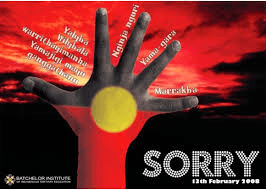
NACCHO National Apology 6th anniversary : Why the Apology, Reconciliation, Healing and Recognition Matter’

Sorry 3

“We need to get back to the basics of our culture and allow a diversity of opinions in a respectful and supportive manner.

This is the vital element for reconciliation, healing and recognition to become a reality in our great country.”

Speech by Josie Cashman – A member of  the Prime Minister’s Indigenous Advisory Council

Soory 2

HEALING FOUNDATION WEBSITE

I am humbled and proud to be asked to speak to you on the 6th anniversary of the National Apology. This year at the opening of Parliament the Prime Minister, Mr Tony Abbott acknowledged  the damage done to the Stolen Generations. The Apology, Reconciliation, Healing and Recognition are so important to enable all Australians to come together. Many leaders have outlined the effects of the removal of Aboriginal and Torres Strait Islander children and the need for reconciliation, healing and forgiveness. In this speech, I want to use this opportunity to highlight why these things matter and what is the biggest threat to moving forward as one country.

What is the greatest challenge? My answer may surprise you! To frame this I will look back in history to 1938, to an event that was not a sad occasion for our people but a show of strength, pride and hope. I will also talk about one of my Indigenous heroes, the Phillips family of Redfern.

Firstly, I want to pay my respect to all Aboriginal and Torres Strait Islander leaders and high achievers past and present. Our modern Indigenous leaders are very, very courageous. They are often attacked for having a view.

Recent examples include on social media where our Australian of the Year was described as ‘Captain Coconut’, the reference to a coconut is a racial slur meaning dark on the outside and white on the inside.  And last year the Chair of the Indigenous Advisory Council was subject to a much-publicised raft of racial slurs on social media, including being called “Uncle Tom”, for his willingness to advise a Coalition government on solving the problems that face our people. This behavior should not be tolerated in any culture. Leaders suffer a personal toll with both them and sometimes their families attacked with disgraceful sniping and lateral violence at the hands of their own people. This is fuelled by the far Left for its own agenda.

These groups promote and encourage conspiracy theories that the Government and Australian people are against Aboriginal people and that we continue to be victims of this society. Under this world view, every problem faced by Indigenous people is the result of bad things done by European colonists and assimilation into western cultures. The value of so called “western” influences to Indigenous people – like mainstream education and economic development – is questioned.

Disadvantage and suffering have become the defining characteristics of the far left. Institutionalised welfare is a key policy platform for them. Any suggestion that welfare dependence has had negative impacts on Indigenous people is not tolerated. Underpinning all of this is an idealised concept of traditional Indigenous people not “corrupted” by civilization or development. There is an old expression to describe this – the “noble savage”.

How can we build mutual respect in an environment where fear and distrust of government and the Australian people is encouraged? How can we move on to healing when there are people who want to define us as damaged? This is a cancerous philosophy.

This is the most destructive form of racism and is promoted by the far Left to feed into their ideology that western free market democracy is wrong and we have to keep Indigenous Australians as noble savages. It is this ideology that is stopping Indigenous Australians coming into the economic mainstream. Labelling Aboriginal and Torres Strait People as disadvantaged and victims sets extremely low expectations in terms of employment, business capacity and education. The welfare mentality is the greatest challenge inhibiting our people to rise up. This ideology is the height of discrimination and it is destroying our cultural values which embraced hard work, taking responsibility and contributing to community. This threat from the far Left is what I call intellectual racism.

Aboriginal and Torres Strait Islander communities are sick of being used as a political football for only radicals’ political and ideological purposes. Enough is enough!

This ideology is also totally disrespectful to the Indigenous leaders who had a dream for their families and communities of coming together with all Australians. We need to remember the passion and conviction of our past leaders. They were hopeful and never victims. These leaders were dignified and capable of galvanizing their community as they dreamt for a better life.

An example of this is the historic meeting of the Australian Aborigines’ League at the Day of Mourning Conference on 26 January 1938.  Over 100 people attended from all around the Eastern Seaboard. With little money travelling from far and wide, they were strongly committed and came together to fight for a better life at their own personal risk.  All were well dressed in suits and were well-spoken. Many delegates entered through the back entrance to avoid being identified, afraid they would be victimised by police for attending.

The conference endorsed the following statement:

WE, representing THE ABORIGINES OF AUSTRALIA, assembled in Conference at the Australian Hall, Sydney, on the 26th day of January, 1938, this being the 150th Anniversary of the whitemen’s seizure of our country, HEREBY MAKE PROTEST against the callous treatment of our people by the whitemen during the past 150 years, AND WE APPEAL to the Australian Nation of today to make new laws for the education and care of Aborigines, and we ask for a new policy which will raise our people to FULL CITIZEN STATUS and EQUALITY WITHIN THE COMMUNITY.

Many of our Aboriginal leaders today are direct descendants of this group and I am privileged to acknowledge the contributions their ancestors made.

African-American scholar and economist Dr Thomas Sowell argues that the most damaging results of the welfare state mentality, is the teaching of victimhood. If African-Americans in the 1930s and 40s had been taught that they were victims, then the Civil Rights movement may have never happened. African-Americans survived through centuries of slavery, then their society began to fall apart with the introduction of the welfare state.

In the 1990s Dr Sowell gave a lecture at a university, a young African-American man who was about to graduate, got up from the audience and said ‘What hope is there for me?’. Dr Sowell took off his glasses and said to this young man, ‘you have four-times the hope of your grandparents and twice that of your parents’. This is equally true for Indigenous families. Why then are we not advancing when we have strong political, business and community support including the National Apology and the reconciliation movement?

Like African-Americans, Indigenous Australians are marred by the disadvantage label. A label that teaches us that there is no hope, so what is the point of participation in society?

This is not a phenomena necessarily related to race. It is reflected in the UK amongst whites in the housing commission areas.  Teenagers there can’t multiply six times nine. This country produced people such as Shakespeare and Issac Newton and now a significant proportion of its society can’t do simple maths and cannot read.

In the worst affected areas of Australia, only 18% of remote and rural Indigenous kids attend school 80% of the time, and that 80% is the minimum required to attend to learn the basics. These are the alarming statistics. In 2014 despite being full citizens with equality in the community and access to education we are now faced with the lowest Indigenous school attendance rates.  Most of the Aboriginal and Torres Strait Islander leaders dreamt of being treated as full citizens of this country with full access to education. Here we are now. But if we allow Indigenous people to think they can’t do anything or think the system is against us, what is the point of learning? No if or buts, every Indigenous child need to attend school! One day, I dream of many Aboriginal doctors, accountants and public servants.

If we believe maybe even an Indigenous astronaut to shoot to the moon, because we now live in a world full of possibilities.

We need to get back to the basics of our culture and allow a diversity of opinions in a respectful and supportive manner. This is the vital element for reconciliation, healing and recognition to become a reality in our great country.

I am pleased to say that there are many examples of modern day Indigenous leaders who are victorious. They do not accept the Left’s intellectual racism and the disadvantaged label. They are the Aussie battlers working hard in the community to lift their people, create hope and to let them believe that anything is possible.

An example of this is Mr Shane Phillips, a community leader in Redfern, Sydney. Shane works day and night with Aboriginal kids picking up troubled teenagers up so they can attend early morning sessions of boxing with the local police officers, which brings both groups together to promote citizenship and harmony. Shane also runs and established the Tribal Warrior Association, these wide-sailed ships, glide gracefully on our glorious Sydney Harbour, providing meaningful employment for Aboriginal people as tourist guides and ship operators. Shane engages with the Aboriginal community, promotes kids going to school and helps Aboriginal people gain self-esteem.

Shane’s parents Richard ‘Dickie’ and Yvonne Philips are also my heroes. These pastors gave endless service to the community. Every year they took in up to 200 Indigenous and non-Indigenous street children, some of whom were forced to sell their bodies to survive. They huddled on the floor in the leaky cold, old church that used to be a factory, on the ‘Block at Redfern’. Sometimes over 50 or more foam beds littered the floor. Smiling, the children lay their heads down, with full bellies entertained by Uncle Richard playing the ukulele and praising the Lord while slowly hushing them into a gentle slumber with his soft lullaby. These kids were given a safe place and hope for their future.

This couple never gave up with limited funds, if any Government funding.  They instead had a strong conviction that good would prevail. Since this time, we have as a nation benefited from the most historical events to bring us together including the apology, movement towards reconciliation, healing and recognition. I am sure Mr and Mrs Philips would be looking down on us from heaven, not only very proud of their children, but of how far all Australians have come.

I feel so privileged to have spent time with these Preachers. I will never forget when I was feeling down when dear Pastor Philips slowly turned his head around to face me, opened his soft dark eyes with the widest smile and gently said to me ‘never give up on the edge of a miracle’.

The appeal by the Australian Aborigines’ League on 26 January 1938 has in fact, been answered. Australia has made new laws for the education and care of Indigenous people, it has raised our people to full citizen status and has introduced a policy to raise our people to equality within the community. Australia has gone even further than our leaders in 1938 would have imagined. Governments and the private sector have been willing to spend billions in pursuit of real equality for Indigenous people. A formal reconciliation process has been in place for over 20 years and governments have apologised for the policies of the forced removal of children. And now our Parliament is preparing to champion a constitutional amendment to recognise Indigenous people in Australia’s constitution. These symbolic steps demonstrate the goodwill of Australia towards its first peoples and their descendants. On the other hand the victimhood label is wrong and harmful for our futures.

It is time for each of us, black, white or brindle to seize the day and galvanize like never before to finally solve the gap. Let us now rewrite wrongs and recognize the first Australians in the best country in the world. We immediately need to support the Prime Minister’s historic push for the recognition of Indigenous peoples in the Australian constitution.  We need to walk the talk in our professional roles and communities. We need now for every Australian to participate in this, every single Australian’s effort counts.

When I was originally selected on the Prime Minister’s Indigenous Advisory Council our Prime Minister, Mr Tony Abbott phoned me and I was so nervous it took me three hours to phone him back after receiving my call at 6AM. I will never forget the Prime Minister’s powerful words that are now cemented in my mind. ‘Josephine, Indigenous People are the first class citizens of their own country’.  It dawned on me then how much hope Mr Abbott has today with this historic opportunity for healing, coming together to showcase our talent and diversity in Indigenous Australia through constitutional recognition. We have a rich culture of respect and family values are the cornerstone. We need to get back to basics and that is back to the start.

Today you have an opportunity to make a real difference. You have a choice to reinstate hope in your professional capacity as an Australian Public Servant and as a member of the Australian community. You have the opportunity to bring everyone together as never before and recognize the first peoples of this beautiful country. My task for you is to function on hope.

Everyday all of us, make choices as to whether we live in hope or disadvantage. My own story shows that we have positive choices to make. From deciding to live hopeless in a drain at 12 to now today, I am standing here, my heart is so full I can’t explain. With that faith, now, maybe today, All Australians, are on the edge of a miracle.

NACCHO SEWB News: NACCHO CEO appointed to new Aboriginal Mental Health and Suicide Prevention Advisory Group

Lisa Final

Pictured above NACCHO CEO Ms Lisa Briggs appointed to Aboriginal and Torres Strait Islander Mental Health and Suicide Prevention Advisory Group.

Please note: Official Goverment release is included below

NACCHO as a member The Close the Gap Campaign today welcomed a significant mental health milestone:  the establishment of the Aboriginal and Torres Strait Islander Mental Health and Suicide Prevention Advisory Group.

The new ministerial advisory body, co-chaired by Dr Tom Calma AO and Professor Pat Dudgeon, is the first of its kind in Australia.

The other members of the new Group are (alphabetically): Mr Tom Brideson, Ms Lisa Briggs, Mr Ashley Couzens, Ms Adele Cox, Ms Katherine Hams, Ms Victoria Hovane, Professor Ernest Hunter, Mr Rod Little, Associate Professor Peter O’Mara, Mr Charles Passi, Ms Valda Shannon and Dr Marshall Watson.

It will provide expert advice to government on Aboriginal and Torres Strait Islander social and emotional wellbeing, mental health and suicide prevention.

Close the Gap co-chair and Social Justice Commissioner, Mick Gooda, said the group will help drive reform in mental health and suicide prevention for Aboriginal and Torres Strait Islander people.

“Improving mental health and suicide prevention is fundamental to improving Aboriginal and Torres Strait Islander health overall, and to closing the health and life expectancy gap with other Australians,” Mr Gooda said.

Mr Gooda said the advisory body would help ensure Aboriginal and Torres Strait Islander people benefit from national mental health reforms and the significant investment in mental health in recent years.

He said the advisory body would also improve strategic responses to suicide and mental health by enabling partnerships between government and Aboriginal and Torres Strait Islander experts in social and emotional wellbeing, mental health and suicide prevention.

“Aboriginal and Torres Strait Islander people are experiencing mental health problems at almost double the rate of other Australians.

“Addressing difficult and entrenched challenges like this mental health gap requires long term and sustained commitment and a truly bipartisan approach.

“It is particularly important as we move into a Federal election that closing the gap remains a national project that is supported and sustained beyond electoral cycles,” Mr Gooda said.

 Commonwealth Coat of Arms

THE HON MARK BUTLER MP ,THE HON WARREN SNOWDON MP, JOINT MEDIA RELEASE

NEW HIGH-LEVEL GROUP ADVISE ON TACKLING INDIGENOUS SUICIDE

A new expert group has been set up to advise the Federal Government on improving mental health and suicide prevention programs for Aboriginal and Torres Strait Islander people.

The Aboriginal and Torres Strait Islander Mental Health and Suicide Prevention Advisory Group will be chaired by two eminent Aboriginal experts in the field, Prof Pat Dudgeon, recognised as Australia’s first Indigenous psychologist, and human rights campaigner Dr Tom Calma AO, the new chancellor of the University of Canberra.

The new Group will advise on practical and strategic ways to improve Indigenous mental health and social and emotional wellbeing.

The Group met for the first time in Canberra today to discuss its priorities, including implementation of the recently released National Aboriginal and Torres Strait Islander Suicide Prevention Strategy.

Also on the agenda for the inaugural meeting are the Aboriginal and Torres Strait Islander Health Plan and the renewed Aboriginal and Torres Strait Islander Social and Emotional Wellbeing Framework.

Professor Dudgeon is from the Bardi people of the Kimberley and is known for her passionate work in psychology and Indigenous issues, including her leadership in higher education.  Currently she is a research fellow and an associate professor at the University of Western Australia.

Dr Calma is an elder of the Kungarakan tribal group and a member of the Iwaidja tribal group in the Northern Territory. He was appointed National Coordinator of Tackling Indigenous Smoking three years ago.

Previously, he was Aboriginal and Torres Strait Islander Social Justice Commissioner at the Australian Human Rights Commission from 2004 to 2010 and served as Race Discrimination Commissioner from 2004 until 2009.

The other members of the new Group are (alphabetically): Mr Tom Brideson, Ms Lisa Briggs, Mr Ashley Couzens, Ms Adele Cox, Ms Katherine Hams, Ms Victoria Hovane, Professor Ernest Hunter, Mr Rod Little, Associate Professor Peter O’Mara, Mr Charles Passi, Ms Valda Shannon and Dr Marshall Watson.

The Federal Labor Government’s commitment to reducing high levels of suicide within Indigenous communities was highlighted by its development and recent release of Australia’s first National Aboriginal and Torres Strait Islander Suicide Prevention Strategy.

The Strategy is supported by $17.8 million over four years in new funding to reduce the incidence of suicidal and self-harming behaviour among Indigenous people.

This builds on the Labor Government’s broad strategic investment in suicide prevention, as outlined in the Taking Action to Tackle Suicide package and the National Suicide Prevention Program which, together, include $304.2 million in vital programs and services across Australia.

Funding already allocated to Aboriginal and Torres Strait Islander programs under these two national suicide programs, includes:

  • $4.6 million for community-led suicide prevention initiatives.
  • $150,000 for enhanced psychological services for Indigenous communities in the Kimberley Region, through the Access to Allied Psychological Services program.
  • $6 million for targeted suicide prevention interventions.

Media contact: Tim O’Halloran (Butler) – 0409 059 617/Marcus Butler (Snowdon) – 0417 917 796

NACCHO health alert:Community solutions must be centre of strategy to address terrible Aboriginal suicide rates

ng-artw-indigenous-20130205202804805609-620x349

A Federal Government strategy to address high suicide rates among Aboriginal people, particularly the younger generations, is a welcome step towards addressing the crisis in our communities, the National Aboriginal Community Controlled Health Organisation (NACCHO) said today.

READ previous NACCHO articles on suicide prevention here

 Federal Mental Health Minister Mark Butler today revealed the National Aboriginal and Torres Strait Islander Suicide Prevention Strategy which aims to address Aboriginal suicide rates – which are as high as one a month is some remote Aboriginal communities.

 NACCHO Chair Justin Mohamed said the Federal Government’s focus on the issue, particularly the emphasis on local solutions and capacity building, is welcomed, however he said the detail of the plan still needs careful examination.

 “Aboriginal and Torres Strait Islander people experience suicide at around twice the rate of the rest of the population. Aboriginal teenage men and women are up to 5.9 times more likely to take their own lives than non-Aboriginal people,” Mr Mohamed said.

 “This is a crisis affecting our young people. It’s critical real action is taken to urgently to address the issue and it’s heartening to see the Federal Government taking steps to do that.”

 However Mr Mohamed said that for any strategy to be effective, local, community-led healthcare needed to be at its core.

 “Historically, Aboriginal people have not had great experiences with the mental health system, so breaking down the barriers and building trust is going to be key and having Aboriginal people involved in the delivery of services is critical.

 “Aboriginal Community Controlled Health Organisations are already having the biggest impacts on holistic improvements in Aboriginal health, including mental health. We are already a trusted source of primary health care within our communities, so its important those centres play a pivotal role in any strategy.

 “The Aboriginal Community Controlled Health Sector has always recommended that services be funded to offer an integrated social and emotional wellbeing program with Aboriginal family support workers, alcohol and substance abuse workers, social workers and psychologists available.

 “Up to 15 per cent of the 10-year life expectancy gap between Aboriginal and non-Aboriginal Australians has been put down to mental health conditions. We look forward to working with the government to map out the best possible approach to addressing this crisis in our community.

 Media contact: Colin Cowell 0401 331 251, 

NACCHO NIDAC invitation consultation:To people involved in addressing harmful alcohol and other drug use by Aboriginal peoples

untitled

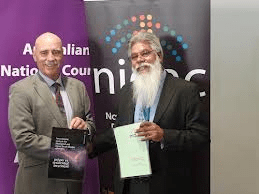
Associate Professor Ted Wilkes, Chair of the National Indigenous Drug and Alcohol Committee (NIDAC), (pictured above right )  extends an invitation to people involved in addressing harmful alcohol and other drug use by Aboriginal and Torres Strait Islander Peoples to attend one of the following consultations that are being held to inform the development of the National Aboriginal and Torres Strait Islander Peoples Drug Strategy (NATSIPDS):

NACCHO is a member of NIDAC

Location Date Time RSVP
Port Augusta, SA Mon 20 May 10.00am – 1.00pm By COB Wed 15 May
Sydney, NSW Tues 21 May   1.00pm –  4.00pm By COB Wed 15 May
Mt Isa, QLD Thurs 23 May 10.00am – 1.00pm By COB Wed 15 May
Perth, WA Mon 27 May 10.00am – 1.00pm By COB Wed 22 May
Broome, WA Tues 28 May 10.00am – 1.00pm By COB Wed 22 May
Alice Springs, NT Thurs 30 May 10.00am – 1.00pm By COB Wed 22 May

NIDAC has been engaged by the Intergovernmental Committee on Drugs National Aboriginal and Torres Strait Islander Peoples Drug Strategy (NATSIPDS) Working Group to undertake consultations in six locations in Australia to inform the development of the NATSIPDS.

The NATSIPDS will replace the current Aboriginal and Torres Strait Islander Peoples Complementary Action Plan and will be a sub strategy of the National Drug Strategy.

If you are involved in minimising the harm of alcohol and other drug use on Aboriginal and Torres Strait Islander people and their communities this is your chance to have your voice heard in the development of this important document.

A report containing the major findings and a summary of the key themes from the consultations will be provided to the NATSIPDS Working Group after the consultations have been completed.

A Background Paper which will provide context and guidance for the consultations will be available from the NIDAC website prior to the consultations being held.

As the leading voice in Aboriginal and Torres Strait Islander alcohol and drug policy advice, NIDAC provides advice to the government, based on its collective expertise and knowledge from those working in the field, health professionals and other relevant experts.

Please feel free to forward this invitation to other relevant people.

Please RSVP by the specified date for your location at:

NIDAC Consultations or Tel: (02) 6166 9600  I  Fax: (02) 6162 2611 

  Email: 

Additional information on the consultations and the National Aboriginal and Torres Strait Islander Peoples Drug Strategy can be accessed from: www.nidac.org.au

NACCHO health news: AMA-Good mental health and wellbeing essential to close Indigenous health gap


By AMA President Dr Steve Hambleton

By AMA ( Australian Medical Association) President Dr Steve Hambleton

Edition :

In recent years, Australians have become increasingly aware that poor mental health can affect any of us at any time. Government health policy has also sought a more concerted focus on this area of health.

There is less awareness, though, of the distinctive needs and vulnerabilities of particular groups in Australia concerning mental health and wellbeing.

The factors that contribute to poor mental health and social and emotional wellbeing among Aboriginal peoples and Torres Strait Islanders are complex, and their effects cross generations.

The AMA believes that the mental health and social and emotional wellbeing of Aboriginal peoples and Torres Strait Islanders should be given greater priority in the nation’s health policy agenda.

According to the latest research, nearly one-third of Aboriginal and Torres Strait Islander adults report high to very high levels of psychological distress in their lives – two and a half times the rate reported by other Australians.

There were more than 990 reported suicides of Aboriginal people and Torres Strait Islanders between 2001 and 2010, which is twice the rate of other Australians.

The situation is even more dire among Stolen Generation survivors, who have mental health conditions at twice the rate of other Aboriginal people and Torres Strait Islanders who were not removed from their families.

Young Aboriginal people and Torres Strait Islanders are particularly at risk.

Those between 18 and 24 years of age are twice as likely as other Australians to have experienced high levels of psychological distress, and those between 12 and 24 years of age are more than three times more likely to be hospitalised for mental and behavioural disorders than other Australians of that age.

The suicide rates for young Aboriginal and Torres Strait Islander men between 15 and 19 years of age are nearly six times that of other Australian men of that age.

Poor social and emotional wellbeing and psychological distress is associated with exposure to major life stressors, such as illness, disability, exposure to violence, unemployment, the death of a family member or friend and persistent economic struggle. Aboriginal people and Torres Strait Islanders experience these major life stressors, and their associated levels of psychological distress, at higher rates than other Australians.

Research shows that there is an association between in utero stressors and a child’s developmental outcomes.

Children whose mothers experience more than three major stressors while they are in utero are at higher risk of exhibiting difficult behaviours in childhood.

The quality of a child’s early life can also affect their resilience and mental health later in life.

The AMA reported in 2008 on the problematic life circumstances and health risks of Aboriginal and Torres Strait Islander children, and will report on the evidence around healthy early development for Aboriginal and Torres Strait Islander children later this year.

For Aboriginal peoples and Torres Strait Islanders, mental health and social and emotional wellbeing are very much bound up with strength of their cultural identity, and the amount of control they have over their own lives. That’s why, among other things, the AMA has advocated for the formal recognition of Aboriginal peoples and Torres Strait Islanders in the Australian Constitution (see Recognition a step toward closing Indigenous health gap, px).

The AMA also believes that a national strategic approach to Aboriginal and Torres Strait Islander mental health is needed which, among other things, ensures that:

  • there are enough culturally specific mental health and wellbeing services in the right locations, and built into the comprehensive primary care provided by Aboriginal community-controlled health services;
  • child and maternal health services have the capacity to support healthy early childhood development for Aboriginal people and Torres Strait Islanders; and
  • mainstream mental health services and general practices are supported to provide culturally competent services for Aboriginal people and Torres Strait Islanders.

Importantly, Indigenous leadership must be preserved in the development and implementation of this strategic approach.

A positive state of mental health and happiness can be a buffer against adverse circumstances and health conditions. The physical health and mental health of Aboriginal people and Torres Strait Islanders are therefore intertwined.

This means that, in measuring what it will take to close the gap in Indigenous health, it is critical to include mental health and social and emotional wellbeing in the equation

NACCHO report downloads:Effectiveness of Aboriginal social and emotional wellbeing programs examined in new reports

Close The gap

Programs aimed at promoting social and emotional wellbeing in Aboriginal and Torres Strait Islander people that have been shown to be effective are those with Indigenous ownership and support according to two new papers released today on the Closing the Gap Clearinghouse website.

DOWNLOAD:Strategies and practices for promoting the social and emotional wellbeing of Aboriginal and Torres Strait Islander people

focuses on social and emotional well-being programs, while the paper

DOWNLOAD:Strategies to minimise the incidence of suicide and suicidal behaviour

provides a review of policies and programs that aim to prevent suicide and suicidal behaviour.

In 2008, nearly one-third (32%) of Indigenous Australians aged 18 and over reported high or very high levels of psychological distress-more than twice the proportion for non-Indigenous adults. The Indigenous suicide rate is also estimated to be about double that of the non-Indigenous population.

Programs that operate in isolation from, or do not address the legacy of past trauma, past and current racism, and issues such as poverty and homelessness, were not as effective as other programs in promoting social and emotional well-being and preventing suicide among Aboriginal and Torres Strait Islander people.

The programs that are particularly effective are those that have a high level of Indigenous ownership and community support. Further, both international studies and Australian data show that Indigenous people who speak their own languages have better resilience and mental health.

The Indigenous hip hop program run by the BeyondBlue organisation was effective in promoting positive mental health among young people. The program incorporated traditional culture fused with hip hop, rap, beat boxing and break dancing, and resulted in increased self-esteem, preparedness to talk to family and friends about mental health, and ability to see signs of depression in others.

In addition, interventions involving ‘motivational care planning’ (motivating people to self-manage and solve their own problems step-by-step) were shown to improve wellbeing in Indigenous people with a mental illness in remote communities.

Treatment not prison for our mob:New landmark report reveals $111,000 can be saved per year per offender by diverting non-violent Indigenous offenders into treatment instead of prison

Nidac

A new landmark report clearly shows that $111,000 can be saved per year per offender by diverting non-violent Indigenous offenders into treatment instead of prison.

 The major accounting firm Deloitte Access Economics produced the extensive report for the National Indigenous Drug and Alcohol Committee of the Australian National Council on Drugs (Deloitte operates in over 150 countries globally).

Download media release and report extracts

 The extensive report reveals by diverting Indigenous offenders into treatment there is a $111,000 saving per Indigenous offender per year in direct financial savings plus an overall saving of $92,000 per Indigenous offender from better health and quality of life outcomes. The analysis projected costs over a 10 year period. NIDAC says it is clearly time to end the shameful level of Indigenous imprisonment in Australia.

 Currently there are just over 29,000 prisoners incarcerated across Australia – a huge 26% of them (7,656) are Indigenous people. Indigenous adults are now 14 times more likely to be incarcerated than non Indigenous people.

 Deloitte Access Economics has assessed the costs and benefits of investing in community based residential alcohol and other drug treatment as opposed to incarcerating Indigenous people with substance use problems convicted of non violent crimes. The report reveals there is clear evidence that offenders with multiple terms of incarceration are more likely to return to prison and are more likely to be Indigenous.

 The report concludes there are “considerable benefits associated with the diversion of Indigenous prisoners into community residential drug and alcohol rehabilitation services instead of incarceration. Diversion is associated with both financial savings as well as improvements in health and mortality.”

 A recent Victorian study found 35% of those who have been imprisoned will return to prison within 2 years of release. However 50% of Indigenous prisoners would be back in prison within 2 years indicating that the incarceration of Indigenous offenders is likely to be associated with significant future costs to society.

 NIDAC highlights that despite a 1991 report from the Royal Commission into aboriginal deaths in custody which clearly highlighted the need to lower the number of Indigenous people in prison, this has simply not been achieved. The 1991 Royal Commission indicated that ‘imprisonment should be utilised only as a sanction of last resort’.

 In 2010 – 2011 more than $3 billion was spent on Australian prisons. At the same time NIDAC says funding for numerous services to assist Indigenous people with drug and alcohol problem has been reduced or stopped by governments.

 The Chair of NIDAC Associate Professor Ted Wilkes said, “Imprisonment is destroying our people, families and communities. It has to be addressed as a matter of absolute urgency. Diverting people away from prisons leads to better health outcomes, it can help avoid negative labelling and stigma associated with criminal conduct. It can prevent further offending and reduce the number of people going to prison.”

 The report reveals in 2011 Australia had 115 correctional custodial facilities and in 2010–2011 more than $3 billion was spent on Australian prisons ($2.3 billion was net operating expenditure and $0.8 billion was capital costs). In comparison in 2009–2010 there were 30 facilities nationwide providing residential drug and treatment services to indigenous people. NIDAC says prisons are an ineffective setting to treat the underlying reason that often drives indigenous people there.

 NIDAC calls on all governments to develop and support a COAG commitment to Justice Reinvestment that involves shifting spending away from imprisonment towards community based programs and services.

 The current levels of incarceration for Indigenous men, women, and young people are 4,093 men, 405 women, and 128 young people per 100,000 of the relevant populations. The contrasting levels for non-Indigenous people are 234 men, 17 women, and 11 young people per 100,000 of the relevant populations. The rates of Indigenous women in prison, has increased by 343% between 1993 and 2003 and 10% between 2006 and 2009.

 The report also highlights that currently Indigenous Australians are underrepresented in diversions by courts to drug and alcohol treatment facilities. In 2009 – 10 out of a total 17,589 referrals from court diversion, 13.7% were for Indigenous people – far lower than the proportion of people incarcerated who are Indigenous.

 Deputy Co Chair of NIDAC, Mr Scott Wilson adds, “Diverting offenders from prison into treatment services makes perfect sense. Re-offending rates are high and incarceration is associated with poor health outcomes for prisoners, including a higher risk of death after release. 68% of Indigenous prison entrants self report having used illicit drugs during the preceding 12 months. Indigenous men were significantly more likely to report that they were intoxicated at the time of the offence. Do governments really believe that prison is the best answer to these problems?”

 Dr John Herron, Chairman of the Australian National Council on Drugs says, “We are not suggesting that governments do away with prisons, there is obviously a need for them particularly for violent offenders. However, this study deliberately excluded those prisoners who stated that their most serious offence was a violent offence.”

 Gino Vumbaca, Executive Director of the ANCD added: “The ANCD & NIDAC are calling for a halt on the building and expansion of prisons and for that funding to instead be invested into expanding community based initiatives, including residential alcohol and other drug rehabilitation. Simply taking the same old tired and ineffective approach year after year must change.”

Invitation to attend National Stakeholder Consultations 2013-Mental illness

NAC-31-35-B

ATAPS Increasing Efficiency National Stakeholder Consultations 2013

April 2008 a review of the Access to Allied Psychological Services (ATAPS) program identified four key areas for the program to focus on to better meet the needs of consumers experiencing mental illness.  

These four areas were better addressing service gaps, increasing efficiency, encouraging innovation and improving quality.

Initial implementation of review recommendations involved ATAPS moving to a new population-based funding model in which funding is allocated on an equitable basis according to relative need.  

The review also foreshadowed that the Department would move towards improving the efficiency of ATAPS service provision in a form that would complement the population-based funding model.

The Department is planning to complement the population-based funding formula with the introduction of increasing efficiency measures to ATAPS Tier 1 services in stages.  

Healthcare Management Advisors (HMA)—an independent organisation that provides specialised management consulting services to the Australian health industry—has been engaged to explore feasible options for enhancing the efficiency of the ATAPS program, specifically through the introduction and implementation of an efficiency model for Tier 1 activity; taking into consideration the whole cost of delivering ATAPS Tier 1 services, and the development of efficient business models for ATAPS fund holders.  

The work undertaken by HMA to date has included a review and analysis of ATAPS financial and activity data for the 2010-11 financial year; and initial stakeholder consultations with a cross-section of ATAPS fund holders, peak bodies for mental health professionals and the Department—all of which has informed the development of a consultation paper, which will be available in mid January 2013.

The Department is now seeking involvement from stakeholders to participate in the national stakeholder consultations.

The purpose of the national stakeholder consultations is to:
·        explain the initial findings of the analysis of ATAPS Tier 1 financial and activity data for the 2010-11 financial year;
·        present the methodology for choosing a suitable efficiency product;
·        present options for introducing efficiencies for ATAPS Tier 1 services, focusing on the strengths and weaknesses of each option; and
·        seeking input from the stakeholders around the issues and questions posed at the end of the consultation paper.

Stakeholders interested in contributing to the consultations are encouraged to register for one of the following consultations:  

Brisbane        Wednesday 30 January 2013                http://www.eventbrite.com.au/event/4646991276
Sydney                Thursday 31 January 2013                http://www.eventbrite.com.au/event/4682584737
Melbourne        Tuesday 5 February 2013                http://www.eventbrite.com.au/event/4690606731
Adelaide        Wednesday 6 February 2013                http://www.eventbrite.com.au/event/4690881553
Perth                Thursday 7 February 2013                http://www.eventbrite.com.au/event/4690985865

Please click on one of the links above to register your attendance.  The consultation paper will be distributed prior to the consultations.

Please note: attendance at the national consultations is limited to a maximum of three representatives per Medicare Local.

Should you require additional representation, please email your request listing all of your required attendees, their title/position and relationship to the ATAPS program to ATAPS@health.gov.au for consideration by the Department.

Written Submissions

Stakeholders who are unable to attend the consultations but wish to provide feedback, or those who will attend the consultations but wish to provide additional feedback may do so by making a written submission on the consultation paper which will be forwarded to you. Guidelines to assist stakeholders in making a written submission are attached.