NACCHO Deadly #ausoftheyear Good News Stories : 2018 Australian of the Year Awards : Our mob are disproportionately represented (7 out of 32 ) in positive ways

“ This year, seven of the 32 state and territory recipients are Aboriginal or Torres Strait Islander, including three of the seven finalists for the main award category of Australian of the Year

It is critical that we Recognise and show our appreciation for the contributions Aboriginal and Torres Strait Islander Australians have made, and continue to make, to our nation,

We often hear about Aboriginal and Torres Strait Islander people being overrepresented in rates of incarceration or out-­of-­home care.

But it’s important to remember that Aboriginal and Torres Strait Islander people are also disproportionately represented in positive ways, such as our level of significant achievements.

The high number of Indigenous recipients of Australian of the Year Awards is testament to that fact.”

Reconciliation Australia CEO Karen Mundine said it was important to promote Aboriginal and Torres Strait Islander success because respect and unity are key to reconciliation

 See full Bios below of all 7 Indigenous finalists

   Dr Tracy Westerman (WA Australian of the Year)
Johnathan Thurston (QLD Australian of the Year)
Dion Devow (ACT Australian of the Year)
Kathy Guthadjaka (NT Senior Australian of the Year)
Bettina Danganbarr (NT Local Hero)
Kyran Dixon (SA Young Australian of the Year)
Dr Jessica Manuela (TAS Young Australian of the Year)

A particularly strong field of Aboriginal and Torres Strait Islander finalists for the 2018 Australian of the Year Awards will be recognised this week at a coinciding national event that celebrates Indigenous success.

In the lead-­up to the announcement of the national winners, Reconciliation Australia will hold its annual Australian of the Year Awards breakfast this morning Thursday to raise awareness of the immense contributions that First Australians make to bettering our nation.

This year, seven of the 32 state and territory recipients are Aboriginal or Torres Strait Islander, including three of the seven finalists for the main award category of Australian of the Year.

There is at least one Aboriginal or Torres Strait Islander state-­level recipient in each of the four award categories (Australian of the Year, Senior Australian of the Year, Young Australian of the Year and Local Hero).

Their contributions span fields such as health, education, justice and cultural engagement.

The breakfast will also recognised non-­Indigenous state and territory award recipients who have done important work to support or promote Aboriginal and Torres Strait Islander communities.

The significant representation of First Nations Australians has long been a prominent feature of the Australian of the Year Awards program, which is run by the National Australia Day Council.

Since the awards commenced in 1960, there have been eight Aboriginal or Torres Strait Islander recipients of the coveted Australian of the Year Award and four Aboriginal or Torres Strait Islander recipients of the Young Australian of the Year Award.

Ms Mundine said she was particularly excited to recognise the achievements of the four female Aboriginal state and territory recipients, in keeping with this year’s NAIDOC Week theme – Because of Her, We Can.

“Indigenous women are leading the way in their own professions, are heading up community organisations, are driving change in their communities – all while nurturing those around them to become the next generation of leaders.”

Non-­Indigenous recipients who support or promote Indigenous communities:
• Dr Bo Remenyi (NT Australian of the Year)
• Scott Rankin (TAS Australian of the Year)

2018 WA Australian of the Year

Dr Tracy Westerman

State: Western Australia

Psychologist

A childhood yearning to be a psychologist was sorely tested when Njamal woman, Dr Tracy Westerman, left her home in the Pilbara to attend university where she struggled to reconcile mainstream psychology with Aboriginal culture.

Setting many world first’s including self-funding the development of unique screening tools enabling the identification of Aboriginal people at early stages of suicide and mental health risk, her work has attracted international acclaim since 2003.

It was cited by the Canadian government as “making a substantial contribution to Aboriginal youth mental health”.

In 1998, she founded Indigenous Psychological Services, without funding, solely to address the high rates of mental illness amongst Aboriginal people.

An internationally-recognised leader, Tracy has trained 22,000-plus clinicians in culturally-appropriate psychological approaches and delivered her suicide intervention programs into remote Aboriginal communities throughout Australia.

A trailblazer, Tracy has spent over two decades working to reduce the burden of mental illness in Aboriginal people and ensure minimum standards of cultural competence in her profession

2018 QLD Australian of the Year

Johnathan Thurston

State: Queensland

NRL player and indigenous mentor

He is known as the best player in Rugby League, but Johnathan Thurston is also one of the most giving.

The captain of the North Queensland Cowboys, Johnathan is an Australian international, Queensland State of Origin and Indigenous All Stars representative halfback, five-eighth and goal-kicker.

In 2015, he became the first four-time Dally M Medallist for the NRL season’s best player, and later the first ever three-time winner of the Golden Boot Award for the world’s best player. Johnathan’s willingness to give is just as legendary. An ambassador for the Queensland Reconciliation Awards, Johnathan has lent his voice to the Recognise campaign to acknowledge Indigenous people in the Constitution.

In 2017, he helped launch the $9.5 million NRL Cowboys House, a home for 50 Aboriginal and Torres Strait Islander students from remote north Queensland. Johnathan’s qualities of humility, sportsmanship, leadership and loyalty are admired both on the football field and off, making him an inspiring role model for Indigenous people and a great Australian.

Dion Devow

State: Australian Capital Territory

Entrepreneur and community leader

When he chose a controversial name for his business, Dion Devow wanted to reclaim a derogatory term and express pride in his Aboriginal culture and heritage. Darkies Design, which Dion started in 2010, produces contemporary Aboriginal-themed apparel and print media for mainstream, sports and promotional use.

One of Dion’s first concepts was a t-shirt with a simple logo: 100% Pure Australian. Darkies Design collaborates with Indigenous artists and designers to produce his designs, and has also supplied ceremonial uniforms to the Department of Veterans Affairs for the teams participating in Australia’s First World War Centenary Commemorations on the Western Front.

Quiet yet outspoken, Dion now champions other Indigenous people to build businesses and achieve economic independence.

In 2014, Dion created the Canberra Business Yarning Circle, an Indigenous business owners network. An ambassador for Indigenous Community Volunteers, Dion also sits on the ACT Aboriginal and Torres Strait Islander Elected Body and is working hard to help other Indigenous business owners achieve their dreams

2018 NT Senior Australian of the Year

Kathy Guthadjaka

State: Northern Territory

Educator and pioneering academic

A senior Elder from Gäwa in north-east Arnhem Land, Kathy Guthadjaka is passionate about preserving traditional knowledge and sharing this with the greater global community.

Gotha, as she is known, has worked as an educator since the mid-1960s. Growing up on a mission, Gotha was working as a teaching assistant when her father chose to establish homelands in a remote area of Elcho Island. Gotha was tasked with starting a school.

For the first year, Gotha taught without pay under a tarpaulin near the beach. But the school was successful, and Gotha created a bilingual educational model that delivered high attendance and graduation rates.

Since then, Gotha has pioneered new education methods, represented Australia at the Feast of Tabernacles in Jerusalem and at the UN Convention on the Rights of the Child in Geneva.

In her role as a Yolngu researcher at Charles Darwin University, Gotha is leading academic research into language, knowledge, culture and country with widespread practical application.

2018 NT Local Hero

Bettina Danganbarr

Town: Elcho Island
State: Northern Territory

Anti-domestic violence campaigner

An Aboriginal Community Police Officer in the East Arnhem community of Galiwin’ku, Bettina Danganbarr has offered her home as a safe haven to dozens of domestic violence victims.

The Yolngu woman is admired throughout her community as a peacemaker. A tireless campaigner for the rights of women, particularly those experiencing family violence, Bettina has championed the establishment of the Galiwin’ku Women’s Space, a community-led response that addresses family violence in a culturally appropriate, Yolngu-led way. Prior to this, Bettina operated a makeshift women’s shelter in her own home, acting as a counsellor and mediator to families and couples while also caring for her three children and two foster children.

Bettina’s expertise and knowledge working in two worlds – both the Yolgnu and Balanda, or non-Indigenous – means she can provide culturally-appropriate support and responses to conflict. She trains other police officers to understand Yolgnu culture. Her influence has prevented many crimes, and supported many Yolgnu people as they move forward with their lives.

2018 SA Young Australian of the Year

Kyran Dixon

State: South Australia

Role model for Indigenous youth

Braving two battles with cancer, Kyran Dixon is a role model for young Indigenous people in his community.

After being diagnosed with bone tumour in his hip when he was just 11, this talented Australian Rules footballer had to press pause on his sporting ambitions. Working his way back to football, Kyran joined the Port Adelaide Football Club Academy before disaster struck.

A second diagnosis, this time Acute Myeloid Leukemia in 2014, demanded lifesaving treatment. While enduring rounds of chemotherapy, Kyran maintained his university studies, graduating in 2016.

He’s now an ambassador that actively promotes cancer awareness and research. As a proud member of the Kaurna and Narungga clans, Kyran is a founding member of the Aboriginal Youth Cancer Advisory Group, and promotes healthy lifestyle choices among Aboriginal young people.

Whether he’s a guest speaker or a mentor for at-risk youth, Kyran spreads a message of hope, strength and resilience, and motivates others to make the most of their chances.

2018 TAS Young Australian of the Year

Dr Jessica Manuela

State: Tasmania

Dentist helping Indigenous communities

Dental surgeon, Dr Jessica Manuela is determined to improve oral health in Tasmanian Indigenous communities.

As an Indigenous Tasmanian, Jess established her first dental practice three years ago and a second one in 2017.

She now has more than 4,000 active patients, but also finds time to speak with school students about oral hygiene and to run community information evenings.

Together with the Royal Flying Doctor Service Tasmania and the South East Tasmanian Aboriginal Corporation, Jess has established a culturally-appropriate program that helps Indigenous Tasmanians access dental care to improve their health and wellbeing.

She was the chairperson for Oral Health Promotion on the Tasmanian Dental Council and has been involved with policy making and regulating the dental profession.

She is also lobbying to save important schemes such as the Medicare Child Dental Benefit Scheme. Jess is passionate about educating her patients so that they have the skills to look after their health for a lifetime.

NACCHO Aboriginal #MentalHealth and #Suicide : @RoyalFlyingDoc says mental health services in rural and remote Australia are in a state of “crisis”.

 “We see [more remote] people only accessing mental health services at … 20 per cent the rate of those who access services in the city.

If that’s not a crisis, I don’t know what a crisis is.

We provide 24-hour medical care to people in rural and remote Australia, but our doctors are finding themselves overwhelmed by the amount of psychological support they need to provide to their patients.

Last year the Flying Doctors saw 24,500 people to provide mental health counselling, but we could double or triple that service tomorrow and still not touch the surface,” .

The RFDS chief executive Martin Laverty said major disparities between country and city services still existed, despite numerous government reviews designed to address the problem

WATCH TV COVERAGE HERE

Read over 169 NACCHO Mental Health Articles published over past 6 years

Read over 119 NACCHO Suicide Prevention articles published over past 6 years

Fact 1   

“Roughly half the people the Flying Doctor cares for in our health or dental clinics or transports by air or ground are Indigenous.

“The Flying Doctor RAP, agreed with Reconciliation Australia, contains tailored actions for tangible improvements in the health of Aboriginal and Torres Strait Islander people.”

RFDS Website

Fact 2

Each year, around one in five, or 960,000, remote and rural Australians experience a mental disorder. The prevalence of mental disorders in remote and rural Australia is the same as that in major cities, making mental disorders one of the few illnesses that does not have higher prevalence rates in country Australia compared to city areas.

The Royal Flying Doctor Service says mental health services in rural and remote Australia are in a state of “crisis”.

Originally published ABC TV NEWS

Key points:

  • There are no registered psychologists in 15 of Australia’s rural and remote areas
  • “There should be no excuse in a country of universal access to healthcare,” RFDS CEO says
  • Mental health advocates are calling for a bigger financial commitment from the Government in this year’s budget

Data from the Department of Health showed the number of registered psychologists across the country increased in 2015/16. But there were no registered psychologists in 15 rural and remote areas.

Mr Laverty said areas like west coast Tasmania, central Australia, western Queensland and the Kimberley in Western Australia missed out.

“Areas where perhaps you’re not surprised to see that there aren’t health professionals in abundance,” he said.

“That should be no excuse in a country of universal access to healthcare.”

Mental Health Australia chief executive Frank Quinlan said doctors were not always the best people to provide mental health support.

“It is not necessarily the best way for us to be spending our resources — to have GPs with 10 years or more of training — delivering basic brief interventions and counselling interventions that could be delivered by other professionals and trained peer workers,” he said.

Suicide rates in rural areas are 40 per cent higher than in major cities, and in remote areas, the rate is almost double.

Mental health advocates call for greater commitment

The Coalition allocated $80 million for psychosocial support services in last year’s federal budget.

The program would help people suffering from severe mental illness — who are not eligible for the National Disability Insurance Scheme (NDIS) — find housing, education and better care.

But the Government will not release the money unless states and territories stump up funds too, and Mr Quinlan said that was yet to happen.

“That’s in spite of the fact that we know that with the roll-out of the NDIS and the roll-back of previous Commonwealth programs, people are already starting to fall into the gaps,” he said.

Health Minister Greg Hunt has acknowledged more assistance is needed for people in the bush.

“I do believe there is a very significant challenge and this is because there are four million Australians every year who have some form of mental health challenge and in the rural areas this is a significant challenge which is precisely why we are looking at additional services,” he said.

The Federal Government recently announced more than $100 million for the youth mental health service Headspace.

It is also spending $9 million improving tele-health services in rural areas.

But mental health advocates are calling for a bigger commitment to such initiatives in this year’s federal budget.

“The Minister — Greg Hunt — was relatively new to the ministry when the 2017 budget was released,” Mr Quinlan said.

“So I think the sector quite broadly and quite rightly, now, 12 months on, will be looking to the 2018 budget to see whether the Government is actually able to prioritise a lot of the concerns and issues that have been addressed.”

Federal Labor response ( added comment )

The Turnbull Government must break its silence over growing concerns about the quality of mental health services being delivered across Australia.

The Royal Flying Doctors Service is the latest organisation to raise the alarm about mental health service issues in rural and remote Australia. These comments today should be a wake-up call for Malcolm Turnbull.

It is vitally important the Turnbull Government gets this right. The mental health gap between the city and country is already too wide.

Today’s comments follow the Australian Medical Association’s position statement on mental health last week on the ‘gross’ underfunding of mental health services.

The Turnbull Government must prioritise greater funding for mental health services in the lead-up to the Budget.

Labor knows there is more work to be done to improve the mental health of all Australians and find ways to further reduce the thousands of lives lost to suicide each year.

It is only by working together that we will be able to finally reduce the impact of mental health issues in our society .

Mental health services need more than lip-service from Malcolm Turnbull and his Government.

For Help Contact your Nearest ACCHO


NACCHO Aboriginal Health #Saveadate 13 February The 10th Anniversary of the National #Apology10 : Plus Download 2018 Calendar #Indigenous Days #Health days and events calendar HERE

This anniversary is a great opportunity for all Australians to come together and acknowledge a significant milestone in our history,”

“The National Apology made in Federal Parliament on 13 February 2008 was a landmark event, as the first formal, national recognition of past atrocities and a first step towards national truth telling and reparation.

“It was a significant event for members of the Stolen Generations and their families, Aboriginal and Torres Strait Islander communities and other Australians.  It really was a time to feel proud about being Australian.”

Healing Foundation CEO Richard Weston.

National Apology concert celebrates resilience and healing see full press release Part 2 below

Some of Australia’s most popular Indigenous and non-Indigenous artists will share the stage to send a message of unity and healing at a concert to celebrate the 10th anniversary of the National Apology to the Stolen Generations.

The concert, which will be a free public event, will take place on February 13, 2018, at Federation Mall (Lawns of Parliament House), hosted by the Healing Foundation.

Part 1 NACCHO Weekly Member Service Aboriginal Health

2018 # Save A Date as at 23 January 2018

Aboriginal Conferences, Events, Workshops, Health Awareness Days

For many years ACCHO organisations have said they wished they had a list of the many Indigenous “ Days “ and Aboriginal health or awareness days/weeks/events.

With thanks to our friends at ZockMelon here they both are!

It even has a handy list of the hashtags for the event.

Download the 50 Page 2018 Health days and events calendar HERE

2018-Health-Days-and-Events-Calendar-by-Zockmelon

Download the 6 Page 2018 Aboriginal / Health  days and events calendar HERE or view below  

NACCHO Save a date date as at 23 Jan 2018

We hope that this document helps you with your planning for the year ahead.

Events have been selected on their basis of relevance to the broad Aboriginal health promotion and public health community in Australia.

Every Tuesday we will update these listings with new events and What’s on for the week ahead

To submit your events or update our info

Contact: Colin Cowell www.nacchocommunique.com

NACCHO Social Media Editor Tel 0401 331 251

Email : nacchonews@naccho.org.au

Part 2 National Apology concert celebrates resilience and healing

‘Words are not enough’ – musicians celebrate the Apology while calling for renewed commitment to healing

 ” Busby Marou will take to the stage next month in Canberra for #Apology10 – a concert to mark the 10 year anniversary of the National Apology to the Stolen Generations.

The Rockhampton duo are keen to celebrate the significance of the Apology and its impact for Stolen Generations members, while also highlighting concerns around increasing levels of disadvantage for Aboriginals and Torres Strait Islanders Including the impact on young people.”

The Healing Foundation is a national Aboriginal and Torres Strait Islander organisation established in 2009 to address the ongoing trauma in Aboriginal and Torres Strait Islander communities caused by past actions like the Stolen Generations.

By building culturally strong, community designed and delivered pathways to healing, it is creating real change in the social, spiritual and emotional wellbeing of survivors and their families.

On February 13, The Foundation will lead a range of commemorative activities for all Australians to celebrate Aboriginal and Torres Strait Islander cultures and inspire healing informed and trauma aware national action.

The concert will be hosted by Aboriginal comedian Steven Oliver and TV and radio presenter Myf Warhurst. It will feature live performances from Archie Roach, Shellie Morris, The Preatures, Busby Marou and Electric Fields.

Entitled ‘Apology10 – Heal Our Past, Build Our Future’, the concert will shed light on the continued strength and resilience of the Aboriginal and Torres Strait Islander community.

This anniversary is a great opportunity for all Australians to come together and acknowledge a significant milestone in our history,” said Healing Foundation CEO Richard Weston.

“The National Apology made in Federal Parliament on 13 February 2008 was a landmark event, as the first formal, national recognition of past atrocities and a first step towards national truth telling and reparation.

“It was a significant event for members of the Stolen Generations and their families, Aboriginal and Torres Strait Islander communities and other Australians.  It really was a time to feel proud about being Australian.”

By coming along to the concert, Australians can continue to acknowledge what happened to the Stolen Generations and therefore support their ongoing healing.

They can also celebrate the strong spirit and strong culture of Aboriginal and Torres Strait Islander people today, including our musicians who have been taking the world by storm in recent years.

Aboriginal music icon Archie Roach, whose well known song, ‘Took The Children Away’, speaks to the very heart of Stolen Generation’s trauma and healing.

Members of the Stolen Generations, from around Australia, will be there for the celebrations and I hope Canberrans, and anyone from interstate who wants to make the journey, will come along and show their support and solidarity for building a different future.”

“The National Apology means a great deal to me. It means that the Government of the day recognised the great injustice to Aboriginal and Torres Strait Islander people by the forced removal of children from families. It means they are sorry and ashamed that such practices took place.”

“I am still grateful for the National Apology but we need to address the high number of our children still in out of home care,” said Archie. “The 10th anniversary will bring attention to the fact there is much more work to be done, and that all Australians can work together to heal the past.”

“In particular, we need to people to understand the impact and reach of Intergenerational Trauma and its link to social and health issues in in Aboriginal and Torres Strait Islander communities, including suicides family violence, substance abuse, incarceration rates and the high number of children entering the protection system”, said Mr Weston.

“The Healing Foundation is partnering with communities to design and deliver successful healing initiatives, which have had significant impact but we need to scale this work up”.

Event Details:

Federation Mall, Canberra (the lawns in front of Parliament House)

Tuesday 13th February 2018 / 6pm – 10pm

Facebook: facebook.com/healingfoundation
Twitter: @HealingOurWay

Website: www.healingfoundation.org.au

DATE EVENT #
January
26/1/2018 Invasion/Survival Day

#InvasionDay

#SurvivalDay

#AustraliaDay

February
11/2 – 17/2/2018 National Sexual Health Week #NationalSexualHealthWeek
12/2-18/2/2018 Smart Eating Week #SmartEatingWeek
13/2/2018 Apology Day

More info

#StolenGensHeroes
20/02/2018 World Day of Social Justice #socialjusticeday
25/2-3/3/2018 Hearing Awareness Week #HearingAwarenessWeek
March
All March Australian Women’s History Month
3/3/2018 World Hearing Day
4/3-10/3 2018 Kidney Health Week #KidneyHealthWeek
8/03/2018 2018 Indigenous Ear Health Workshop Perth WA

More info

8/03/2018 International Women’s Day #InternationalWomensDay #BeingBornaGirl
8/03/2018 World Kidney Day #WorldKidneyDay                       #move4kidneys
15 -16 /3/2018 Close the Gap for Vision by 2020 – Striving Together Conference

MORE INFO Close the Gap for Vision by 2020 – Striving Together Conference

16/3/2018 Close the gap Day #Closethegapday
16/3/2018 National Day of Action

Against bullying

#BullyingNoWay
18/3-25/3/2018 Cultural Diversity Week
19/3-25/3/2018 A taste of harmony #TasteofHarmony
20/03/2018 World Oral Health Day #WOHD2018
21/3/2018 International Day for the Elimination of Racial Discrimination #jointogether

#standup4human rights #fightracism

31/3/2018

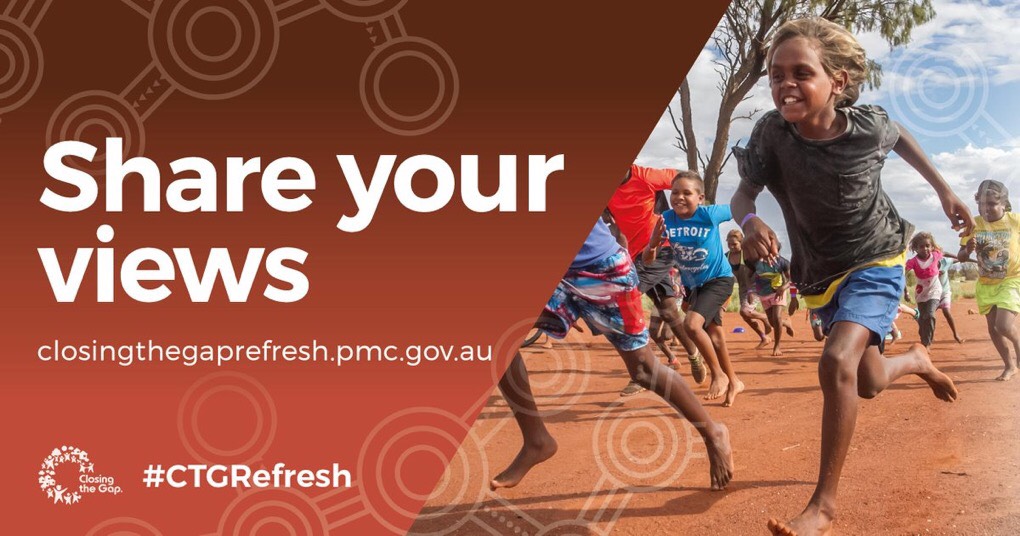
More info share your view Close the Gap

April
31/3-9/4 2018 National Youth Week #NationalYouthWeek
2/4/2018 World Autism Awareness Day #WorldAutismAwarenessDay #LightitUpBlue

#LIUB

7/4/2018 World Health Day
11/4/2018

More INFO

23/4-29/42018 World Immunisation Week
25/4/2018 World Malaria Day #EndMalaria
May
6/5-12/5/2018 Heart Week #HeartWeek
7/5/2018 National Domestic Violence Remembrance Day
12/5/2018 International Nurses day #IND2017
13/05-19/5/2018 Food Allergy Awareness Week #FoodallergyWeek
15/5- 21/5/2018 National Families Week #FamiliesWeek
18/5/2018 HIV Vaccine Awareness Day #HVDA2018
21/5-28/5/2018 National Palliative Care Week #npcw18

#dying to talk

26/05/2018 National Sorry Day #NationalSorryDay
26/05-2/6/2018 National Reconciliation Week #NRW2018
31/05/2018 World No Tobacco Day #WorldNoTobaccoDay
June
3/6/2018 National Cancer Survivors Day
3/6/2018 Mabo Day #MaboDay
5/6/2018 World Environment Day #WorldEnvironmentDay
11/6-17/6/2018 Men’s Health Week #MENHEALTHWEEK
16/6/2018 Fresh Veggies Day #FreshVeggiesDay
28-29 June National Conference on Indigenous Incarceration

More INFO mailto:mperkinsnsw@gmail.com

30/6/2018 Red Nose Day #RedNoseDay OZ
July
7/7/2018 AIME National Hoodie Day #AIMEHoodieDay
8/7-14/7/2018 National Diabetes Week #NationalDiabetesWeek #NDW2018

#NDW18

8/7-15/7/2018 Naidoc Week #NAIDOC 2018
27/7/2018 White Ribbon Night #whiteRibbonNight
28/7/2018 World Hepatitis Day #WorldHepatitisDay

#Showyourface

August
4/8-11/8/2018 Dental Health Week #DentalhealthWeek
9/82018 International Day for the Worlds Indigenous Peoples #weareIndigenous
14 to

16/08/2018


More info Close the Gap Hearing

24/8/2018 Daffodil Day #DaffodilDay
SEPTEMBER Prostate cancer Awareness Month
1/9- 7/9/2018 Asthma Week #NationalAsthmaWeek
3/9-7/9/2018 Women’s Health Week #WomensHealthWeek
3/9-9/9/2018 National Stroke Week #StrokeWeek

#fightstroke

6/9/2018 Indigenous Literacy Day #IndigenousliteracyDay
9/9/2018 FASD Awareness Day #FASDAwarenessDay
10/09/2018 World Suicide Prevention Day #WSPD
13/9/2018 RU OK ? DAY #RUOK ?


29/9/2018 World Heart Day #WorldHeartDay
October
ALL OCTOBER Breast Cancer Awareness Month #BreastCancerAwarenessMonth
10/10/2018 World Mental health Day #WorldMentalHealthDay
11/10/2018 WORLD Sight Day #WorldSightDay
11/10/2018 World Obesity Day #WorldObesityDay
14/10-20/10/2018 National Nutrition Week #NNW2018
14/10-20/10/2018 Anti-Poverty Week

More info

15/10 National Carers Week #Carers2018
20/10-28/10/2018 Children’s Week
November
14/11/2018 World Diabetes Day #WorldDiabetesDay

#WDD2018

25/11/2018 White Ribbon Day #WhiteRibbonDay

#BreakingtheSilence

25/11/2018 International Day for the Elimination of Violence Against Women #orangetheworld
December
1/12/2018 World AIDS Day #WorldAIDSDay

#WAD2018

#GettingtoZero


NACCHO Aboriginal Health and #Sexual Health @TheRACP 2018-19 Pre-#budget submission : Long-term funding needed to improve #Indigenous health

“Doctors are seeing high rates of mortality in Aboriginal and Torres Strait Islander people and this is largely attributable to chronic disease,

The Federal Government must provide long-term funding certainty for the Medical Outreach Indigenous Chronic Disease Program, which is focused on preventing, detecting and managing chronic disease for Aboriginal and Torres Strait Islander people.”

RACP President Dr Catherine Yelland

Download the full submission here or read Aboriginal health extracts below

racp-2018-19-pre-budget-submission

Historical background RACP Associate Professor Noel Hayman

 “I’ve been working in the field of Indigenous health for 20 years now. The major changes, trends that I’ve seen over the years, has been improvements in infant mortality. But the one that contrasts that is the worsening mortality in middle age—we see high rates of mortality in Aboriginal people in their 40s and 50s. And this is due to chronic disease, particularly diabetes, ischaemic heart disease and chronic kidney disease.

And this accounts for about 70% of Indigenous mortality. But it’s not all gloom and doom. I think if we all work strongly together, I do believe we can improve Aboriginal and Torres Strait Islander health significantly. For example, what we’ve been able to do is we’ve actually got Aboriginal people to attend primary care. But more importantly now, my aim is to integrate specialist care.

So now we have a visiting endocrinologist, we’ve got a paediatrician, we’ve got a cardiologist, we’ve got a registrar from rehabilitation medicine, we’ve got an ophthalmologist. So private physicians and also hospital-based physicians, and the ones that are hospital-based, they come out here. The cardiologist, for example he does two sessions a month. He does his echocardiograms here and also exercise stress tests.

To me, integrating specialist care into a centre of excellence is to me is a “one stop shop” and Aboriginal people are more likely to attend. And we’ve actually shown that. And we’ve got better outcomes and we’ve got data on that through continuous quality improvement.”

Associate Professor Noel Hayman, Clinical Director of the Inala Indigenous Health Service in Brisbane.

He was the first Aboriginal GP in Queensland, and the first Aboriginal and Torres Strait Islander person to become a Fellow of the Australasian Faculty of Public Health Medicine at the RACP.

From Interview June 2016 Listen HERE

RACP Press Release

Doctors are calling for the Federal Government to provide long-term funding to programs that prevent, detect and manage chronic disease for Aboriginal and Torres Strait Islander people.
As detailed in the Royal Australasian College of Physicians’ pre-budget submission, these programs could help ensure better health outcomes and close the gap between Aboriginal and Torres Strait Islander health outcomes and those of the non-Indigenous community.

The RACP recommends that the Australian government :

Aboriginal and Torres Strait Islander Health

Allocate secure long-term funding to progress the strategies and actions identified in the National Aboriginal and Torres Strait Islander Health Plan (NATSIHP) Implementation Plan.

• Provide secure, long-term funding for the Rural Health Outreach Fund (RHOF) and Medical Outreach Indigenous Chronic Disease Program (MOICDP).

• Build and support the capacity of Aboriginal and Torres Strait Islander health leaders by committing secure long-term funding to the Indigenous National Health Leadership Forum.

Reinstate funding for a clearinghouse modelled on the previous Closing the Gap clearinghouse, in line with the recommendations of the Fifth National Mental Health and Suicide Prevention Plan. Allocate sufficient funding for the implementation of the Fifth National Aboriginal and Torres Strait Islander Blood-Borne Viruses (BBV) and Sexually Transmissible Infections (STI) Strategy.

• Fund the syphilis outbreak short-term action plan and coordinate this response with long term strategies.

• Allocate long-term funding for primary health care and community- led sexual health programs to embed STI/BBV services as core primary health care (PHC) activity, and to ensure timely and culturally supported access to specialist care when needed, to achieve low rates of STIs and good sexual health care for all Australians.

• Invest in and support a long-term multi-disciplinary sexual health workforce and integrate with PHC to build longstanding trust with communities.

• Allocate funding for STI and HIV point of care testing (POCT) devices, the development of guidelines for POCT devices and Medicare funding for the use of POCT devices.

Extract from Pre budget submission

Aboriginal and Torres Strait Islander Health

Aboriginal and Torres Strait Islander people continue to experience poorer health outcomes than non-Indigenous Australians.

The latest ‘Closing the Gap’ report found that Australia is not on track to close the life expectancy gap by 2031 – with the gap remaining close to ten years for both men and women.

The gap for deaths from cancer between Aboriginal and Torres Strait Islander and non-Indigenous Australians has in fact widened in recent years, with Aboriginal and Torres Strait Islander cancer death rates increasing by 21 percent between 1998 and 2015, while there was a 13 per cent decline for non-Indigenous Australians in the same period8.

To address these inequities and improve access to care, continuing and strengthened focus and appropriate long-term funding is required. It is imperative that there is secure funding for the National Aboriginal and Torres Strait Islander Health Plan 2013-2023 (NATSIHP) Implementation Plan.

Funding uncertainty and frequent changes create significant issues that impact the continuity of services to patients and organisations in their ability to retain and build their capacity.

Press release continued

The RACP strongly supports existing programs that improve access to specialist care, including the Rural Health Outreach Fund (RHOF) and Medical Outreach Indigenous Chronic Disease Program (MOICDP). The RACP recommends that the Australian Government continue its investment in these programs, undertaking evaluation to ensure the programs are targeted at the most appropriate issues and achieving positive health outcomes for Aboriginal and Torres Strait Islander peoples.

Aboriginal and Torres Strait Islander health leadership and authentic community engagement is crucial to achieving improved health outcomes. The Aboriginal Community Controlled Health sector is of vital importance in delivering effective, culturally safe care to Australia’s First Peoples; and service development and provision should be led by Aboriginal and Torres Strait Islander health organisations where ever possible. The sector must have long-term, sufficient and secure funding to both retain and grow their capacity.

Given the recent focus by the Australian government on improving mental health and reducing suicide rates in Aboriginal and Torres Strait Islander communities, The RACP supports the analysis, reporting and implementation of evidence-based solutions, with input from and led by these communities, to improve the quality and delivery of mental health promotion and suicide prevention services. The RACP recommends the establishment of clearinghouses which enable effective access to relevant, high quality information and resources to support these efforts.

Sexual Health

There continue to be ongoing outbreaks of infectious syphilis across Australia affecting Aboriginal and Torres Strait Islander people, which has occurred in the context of increasing rates of other Sexually Transmitted Infections (STIs) and some Blood Borne Viruses (BBVs) in some Aboriginal and Torres Strait Islander communities. STIs are endemic in some regions; an unprecedented syphilis epidemic in Queensland began in 2011 and extended to the Northern Territory, Western Australia and South Australia.

Since 2011 there have been six fatalities in Northern Australia from congenital syphilis, and a further three babies are living with serious birth defects in the Northern Territory. In addition, there has been one reported case of congenital syphilis so far in 2017 in South Australia. Despite the existence of a number of Federal and state-level sexual health strategies, the situation remains dire.

Appropriate funding needs to be allocated to the implementation of the Fifth National Aboriginal and Torres Strait Islander Blood-Borne Viruses and Sexually Transmissible Infections Strategy

A Healthy Future for all Australians: RACP Pre-Budget Submission 2018-19 13

and sexual health services; particularly to ensure sufficient capacity for the delivery of core STI/BBV services within models of care that provide comprehensive primary health care services (particularly Aboriginal and Torres Strait Islander community controlled health services). People should have access to specialist care when needed, through integration with comprehensive primary health care services to ensure sustainable and culturally appropriate service provision.

We welcome the plans to activate a short-term response across the state and territories on the continuing syphilis outbreaks, coordinated by the Federal Department of Health. However, whilst this Action Plan and short-term funding is urgently needed; the short-term activities need to be coordinated with and contribute to longer-term strategies and investments.


NACCHO Aboriginal #MentalHealth #Suicide : #DefyingTheEnemyWithin Powerful new book extract from @joewilliams_tew out 22 January – a promising career derailed by booze, drugs and mental health problems.

That afternoon, a guy I’d never seen before, who was partying with the group, approached me and asked if I needed anything to help me stay awake. That was the day I had my very first ecstasy tablet. Boom. I was instantaneously hooked.

Now I had a drinking and drug problem. But I didn’t for one second think I might have a mental-health problem.

I thought that someone who was mentally unwell was “weird” or not stable in society. I even believed that mentally ill people were criminals.

How wrong I turned out to be. “

This is an edited extract from Defying The Enemy Within by Joe Williams, published by ABC Books, in stores Monday

See 3 Pages from book below Part 2

Win a copy of the book by sending an email to media@naccho.org.au

Telling Joe in 50 words or less why you would like to read his book : Entries Close Wednesday 24 January : Winner Announced Thursday 25 January NACCHO Deadly Good News Post

‘Joe Williams has been into the darkest forest and brought back a story to shine a light for us all. He’s a leader for today and tomorrow.’Stan Grant

‘In telling his powerful story, Joe Williams is helping to dismantle the stigma associated with mental illness. His courage and resilience have inspired many, and this book will only add to the great work he’s doing.’Dr Timothy Sharp, The Happiness Institute

‘It is through his struggles that Joe Williams has found direction and purpose. Now Joe gives himself to others who walk the path he has.‘ – Linda Burney MP

Former NRL player, world boxing title holder and proud Wiradjuri First Nations man Joe Williams was always plagued by negative dialogue in his head, and the pressures of elite sport took their toll.

Joe eventually turned to drugs and alcohol to silence the dialogue, before attempting to take his own life in 2012. In the aftermath, determined to rebuild , Joe took up professional boxing and got clean.

Defying the Enemy Within is both Joe’s story and the steps he took to get well. Williams tells of his struggles with mental illness, later diagnosed as Bipolar Disorder, and the constant dialogue in his head telling him he worthless and should die. In addition to sharing his experiences, Joe shares his wellness plan – the ordinary steps that helped him achieve the extraordinary.

Joe Williams was guest speaker at NACCHO Conference Canberra : See full text from the Enemy Within  .


View Joe Williams Presentation from NACCHO Conference 2018

Read over 169 NACCHO Mental Health Articles published over past 6 years

Read over 119 NACCHO Suicide Prevention articles published over past 6 years

MOVING to Sydney to chase my dream in the NRL was a fantastic opportunity; spending my first two years in the big city under Arthur Beetson’s roof gave me a lifetime of memories and an experience I am truly grateful for.

But those years also provided me with some of the biggest and toughest life lessons I’ve learned.

During the 2002 pre-season, I got my first taste of mixing with the squad as a full-time player. I was expected to train with the team either on the field or in the weights room two or three times a day, five days a week.

It was essential to get to training on time but one day I was running late for a mid-morning session because I’d had to stay at Marcellin (College) a bit later than usual for school photos.

I raced to training, knowing I’d get in trouble from coach Ricky Stuart for being late. Sure enough, being the tough coach he was, Ricky started ripping into me.

When I told him I was late because I had my school photos, he and all the players burst out laughing. For the next few weeks, it became the running joke as an excuse for being late.

I learned so much during that off-season and impressed the coaching staff enough to be chosen in the top squad for the trial period.

Having just turned 18, it was amazing to play in two trial first grade NRL games at halfback inside Brad “Freddy” Fittler, one of the greatest five-eighths of all.

I didn’t make my NRL debut that year because the coaching staff wanted me to gain more experience playing in the Roosters’ under-20s Jersey Flegg side.

Looking back, although I felt like I was ready, I definitely needed the time and experience under my belt to become a more complete player and the sort of on-field leader a halfback needs to be

At the time, though, it was disappointing to go from playing with the first grade team one week to training with guys who were pretty much hoping to get a spot so they’d be contracted.

It was after I was put back to the under-20s that I first noticed the negative voices in my mind rearing their ugly head, telling me I didn’t deserve to be in Sydney given I wasn’t playing first grade and that I should just pack up and head back to the bush (Wagga) because I was worthless.

Back then, there wasn’t as much emphasis on the psychology of professional athletes and the pressures that came with playing elite sport.

There were days when training staff were almost like army drill sergeants. Sometimes they screamed at players and humiliated and even degraded players in front of other members of the team.

Occasionally, they would even bring the racial identity of a player into the abuse. It may be that they believed this was the way to make the players mentally stronger and that, if you weren’t mentally strong, you should just give up playing rugby league.

For me and many others, that approach of ridicule, embarrassment and tough love didn’t work.

In fact, it had the opposite impact of sending my self-esteem lower and lower.

But the negative thoughts were a different story altogether. They’d often spiral out of control, to the point where I felt like I was witnessing an argument taking place between two separate people; the negative Joe and positive Joe.

The head noise and voices affected my mental well-being so severely that it started to affect me physically.

Things grew worse, as the voices wreaked havoc on my ability to think. I started second-guessing every decision I made both on and off the field. The voices became so vivid and loud in my head, it was like I was hearing actual voices.

After a while, I became so anxious and down that I’d get to the point where I’d convinced myself I was worthless, a failure.

Even on the days I didn’t put a foot wrong on the footy field or won player of the match, I’d convince myself I would be dropped from the squad because of the negatives in my game.

I would be scared to go to training because I dreaded the coach saying I wouldn’t be in the team the following week.

The only way I knew how to combat these constant thoughts, turn down the voices and deaden the pain I felt, was to drink as much alcohol as I could.

Despite the negative voices and drinking, I managed to stay on track with my footy, even captaining the under-20s Roosters team. They were a great bunch of guys and good players and we ended up having a fantastic season and making it through to the Grand Final.

On the day of the Grand Final I kicked three goals, had two try assists and kicked the winning field goal. After our first grade team also won their grand final, we had one hell of a party that went on for a few days.

During the 2003 season, I was really battling emotionally, suffering from homesickness and looking for comfort at the bottom of a bottle. Instead of concentrating on playing well, I was busy worrying about what drinking and late-night partying the crew had planned after the game.

It all began to take its toll physically and mentally. At the same time, I found I was clashing with some of the coaching staff. I became desperate for a change. As a result, I decided to move to South Sydney Rabbitohs.

When I called my mother to tell her I’d signed with the Rabbitohs, she burst into tears of joy. Mum had been an avid Souths fan since she was a young girl and had dreamed that one day she’d get to see me run out in the famous red-and-green South Sydney colours.

I’d signed with Souths to show I was still keen to be an NRL player but the money wasn’t great so the pre-season was tough. As a result, I had to make a living like many league players did, working long hours labouring on a construction site. Afterwards, I’d go to football training then get some sleep and do it all over again.

To make matters worse, I broke my thumb in the opening trial game and had to have surgery on it, causing me to miss the first six weeks of the season.

I was no longer drinking so much or partying hard as I didn’t have much money. After a few weeks of putting a huge effort into training and committing myself both physically and mentally, I was picked in the reserve grade team. I began to play myself into form, stringing a few good games together and it was noticed by the coaching staff.

It wasn’t long before I was picked in the first grade team to make my NRL debut. Finally, the time had come to live out my childhood dream.

I didn’t sleep a wink the night before my first grade debut. On the way to Shark Park, I seemed to take every wrong turn and was late for the warm-up. To my surprise and happiness, though, the coach had organised for my dad to present me with my playing jersey.

I’d dreamed of this moment for most of my life and the fact I was playing for the mighty South Sydney Rabbitohs made things even sweeter.

People sometimes ask me what it was like playing my first NRL game. The funny thing is, I copped a knock to the head that gave me a mild concussion for the rest of the match.

I do remember that we lost but one thing that stood out for me was that my idol, close friend and mentor Dave Peachey was playing in his 200th NRL game. After the siren and when we were shaking hands, “The Peach” said to me: “Young brother, as my career is nearing its end, yours is just starting. Good luck”.

Joe Williams tells his story.

I had spent my entire life chasing the dream of becoming an NRL player. I now had the monkey off my back and it was time to get to work and live up to my potential.

Unfortunately, wins were few and far between for Souths in 2004.

My alcohol abuse was becoming rampant again, now I was earning more, and playing first grade had sent my ego to an all-time high, especially after I was named Rookie of the Year in 2004.

Things got even worse when I discovered party drugs during the 2004-2005 off-season. I enjoyed being the life of the party, laughing and joking, the centre of attention.

On Mad Monday, I celebrated by drinking so much alcohol I couldn’t stand up. That afternoon, a guy I’d never seen before, who was partying with the group, approached me and asked if I needed anything to help me stay awake. That was the day I had my very first ecstasy tablet. Boom. I was instantaneously hooked.

Now I had a drinking and drug problem. But I didn’t for one second think I might have a mental-health problem.

I thought that someone who was mentally unwell was “weird” or not stable in society. I even believed that mentally ill people were criminals.

How wrong I turned out to be.

NEED Help ? Contact your nearest ACCHO and see a Doctor or Mental Health Professional OR


NACCHO Aboriginal Heart Health : @HeartAust #NickysMessage “Heart disease is the number one killer of Aboriginal and Torres Strait Islander peoples. “

 “The people you love, take them for heart health checks.

Learn the warning signs of a heart attack and make sure to ring 000 (Triple Zero) if you think someone in your community is having one. Secondly give cigarettes the boot:

If you smoke, stop. I was only a light smoker but it still did me harm, so now I’ve given up.”

Former champion footballer Nicky Winmar always looked after his health, apart from having been a light smoker for years.

Nicky Winmar lifts his jumper in the memorable 1993 St Kilda v Collingwood match. Picture: Wayne Ludbey

But he had a heart attack at only 46, after losing his own father to a heart attack at 50

Read over 50 NACCHO Aboriginal Heart Health articles published in the past 6 years

Watch Nicky’s very moving heart story HERE


What’s a heart health check?

  • All Aboriginal and Torres Strait Islander peoples over the age of 35 should have regular heart health checks. These are simple and painless.
  • A heart health check can be done as part of a normal check up with your ACCHO doctor or health practitioner.
  • Your ACCHO doctor will take blood tests, check your blood pressure and ask you about your lifestyle and your family (your grandparents, parents, brothers and sisters).

  • Give your doctor as much information about your lifestyle and family history as possible.
  • Once your doctor or health practitioner has your blood test results, ask them for your report which will state if you have high (more than 15%); moderate (10-15%) or low risk (less than 10%) of a heart attack or stroke.

Warning signs of a heart attack

  • Pain in the chest – or arms, shoulders, neck, jaw or back
  • Breathless
  • Sick in the stomach
  • Cold sweats
  • Dizzy or light-headed

If someone seems to be having a heart attack:

  • Make them stop what they are doing
  • Give them a tablet of aspirin to chew
  • Call 000 (Triple Zero) for help. The operator will tell you what to do next

Do you have more questions?

The Heart Foundation Helpline is here to answer them. Call 13 11 12 and talk to one of our qualified heart health professionals. If you need an interpreter, call 131 450 and ask for the Heart Foundation.

Download Social media resources

For help also Contact your nearest ACCHO -Download the APP

NACCHO Aboriginal Health Mob : Our first 2018 #NACCHO Members #Deadly good news stories @KenWyattMP #NT #NSW #QLD #WA #SA #VIC #ACT #TAS

1.WA : AHCWA team helps with a Meningococcal vaccination campaign to protect the people living in Central WA Desert Communities

2. QLD: Gurriny Yealamucka Health Service : Hearing loss surgery sounds great for 16 children from Yarrabah FNQ

3.ACT : Winnunga AHCS Healthy Weight Program Epitomises Holistic Health Philosophy

4 .NSW : Riverina Medical and Dental Aboriginal Corporation call for more Indigenous health care professionals to help close the gap

5.VIC : Victorian Aboriginal Health Service VALE GARRY (“GILLA”) JOHN McGUINNESS

6.SA : What is the “Nganampa Health Council Difference”?

7. NT : Katherine West Health , Congress Alice Springs , Anyinginyi Health and Miwatj ACH More Indigenous Health Leaders for Remote Australia

8. Tasmanian Aboriginal Centre : Kipli Kani Open nutrition sessions

 View hundreds of ACCHO Deadly Good News Stories over past 5 years

How to submit a NACCHO Affiliate  or Members Good News Story ?

Our next Deadly News Post is January 25

 Email to Colin Cowell NACCHO Media    

Mobile 0401 331 251

Wednesday by 4.30 pm for publication each Thursday


1.WA : AHCWA team helps with a Meningococcal vaccination campaign to protect the people living in Central WA Desert Communities

AHCWA staff members, Stacee and Veronica recently visited the Central Communities including, Warburton, Warakurna, Blackstone, Jameson, Tjirrkarli, Tjukurla, Wanarn, Wingellina, Cosmo Newberry, Punmu, Jigalong, Parnngurr, Kunawarritji, and Kiwirrkurra to help with a vaccination campaign planned to protect the people living in Central Communities from the recent outbreak of Meningococcal W and to help prevent further spread of the disease.

Under this program, the Meningococcal A, C,W,Y vaccine was offered to all people aged 2 months and older living in these communities.

The team involved were truly amazed at the way the Communities got behind the campaign and encouraged all people, young and old, to have their Meningococcal needles.

The children were incredibly brave and if upset, the families would speak in language to the children.

It was obvious to the team that the children were really listening and took in what the family was saying about how important the needle was.

AHCWA would like to thank all the people from Communities in the NG Lands and Pilbara for the wonderful support that was shown in response to the Meningococcal vaccination campaign.

Also a big thank you to the WACHS teams who invited AHCWA
to participate in this campaign.

2. QLD: Gurriny Yealamucka Health Service : Hearing loss surgery sounds great for 16 children from Yarrabah FNQ

 Up to 16 Aboriginal and Torres Strait Islander kids from Yarrabah will have life-changing hearing health surgery this week at Cairns Day Surgery. Registered Nurse Karen Leeman prepares 7 year old Dallas Sands for surgery on a perforated eardrum. Cairns Post Story and PICTURE: STEWART McLEAN

THE sounds of their tropical home will become much more clearer for 16 children from Yarrabah who have gone under the knife to improve their hearing.

Several health organisations united yesterday to assist the indigenous children with day surgery in Cairns under the federally funded Eye and Ear Surgical Support Services program.

Children ranging from 2-15 years of age were treated for a series of hearing impairments, including perforated eardrums and middle-ear infections.

Aboriginal and Torres Strait Islander children experience some of the highest levels of ear disease and hearing loss in the world. Rates are up to 10 times more than those for non-indigenous Australians.

Gurriny Yealamucka Health Service Aboriginal Corporation nurse Dannielle Gillespie said, due to Yarrabah’s relatively remote location, it was difficult for parents to get their children to doctors.

She said an initial list of 200 children needing hearing loss surgery had to be whittled down to the list treated at Cairns Day Surgery yesterday.

“Hearing loss in Yarrabah is right across all kids,” she said.

“Basically, if the perforations in the ear are not fixed, then that has a future roll-on effect with their speech, their education, their learning abilities – even their social skills, it starts affecting that, too.”

Yarrabah mum Zoe-Ann Sands’ daughter Dallas, 7, had surgery yesterday.

Ms Sands said she was thankful her daughter would finally have better hearing.

Funding for the surgery was provided to health advocacy group CheckUP by the Commonwealth Government

3.ACT : Winnunga AHCS Healthy Weight Program Epitomises Holistic Health Philosophy

Long serving CEO Julie Tongs couldn’t help reminiscing that Winnunga AHCS ACT Government funded Healthy Weight Program replicated the sector’s bedrock philosophy of truly Aboriginal community controlled holistic health services.

‘It means that you can work with a person individually, get to know their real needs, monitor and refer them for support in various ways through the holistic approach to health care that underpins how Winnunga AHCS works,’ Ms Tongs said.

‘This has been a major initiative,’ Ms Tongs said ‘with funding of $640,000 provided over a three year period.’

‘We are confident getting closer to the end of this Program, we will prove decisively that the program has worked and worked brilliantly. It is a preventative health program.’

Ms Tongs said the program which has been operating for over two years now, has achieved a number of significant outcomes, such as:

– Significant participation in the program with over 100 people being monitored on a regular basis

– The employment of a full-time Aboriginal person, Leeton-born, but Cowra raised Christine Saddler as program co-ordinator

– The creation of regular full-time gym training program with a regular clientele

– The training of numerous Winnunga AHCS staff members with the skills to identify at risk clients and to then ensure that once identified they are contacted regularly

‘There is absolutely no doubt this Program works well, within the confines of our sector’s holistic and culturally safe health and wellbeing environment,’ said Christine Saddler. ‘It’s about trust and the ability to work with clients,’ she added.

Christine noted that Winnunga AHCS pushed for the introduction of a Healthy Weight Program with the knowledge that many clients struggled with their weight.

‘There are many reasons why this happens and almost in each case the circumstances are never quite the same’, said Chris, who has worked in the Aboriginal community controlled health sector for many years including at Newcastle’s Awabakal Health Service before joining Winnunga AHCS five years ago.

Chris also explained that once a person joined the program a range of resources were provided, including regular sessions at a local gymnasium. ‘We are running these gym sessions three times a week with each session lasting for one hour. We have tried various formats and tailor the sessions to each person’s needs and capabilities.

‘We have employed personal trainers to assist some of our clients. This has worked. Many of our Program participants have lost a significant amount of weight as well as improved other health factors’ Christine said.


Mother and daughter Lorna and Tammy Cotter, participants of the program from day one, were quick to explain what it has meant for them. Said Mum Lorna ‘Once I heard of this program I joined because I believed it would help me to control my diabetes and to prevent chronic sickness.’

‘I enjoy the program but more importantly it has worked. I have lost 10.5 kilograms and 8 centimetres from my waist and my Hb1Ac diabetes reading has fallen from 10.3 to 8.2.

I have also met many people in our community whom I hadn’t met before. The thing I like most is that I do the program with my daughter and now my granddaughter’.

For daughter Tammy the weight loss figures are also dramatic. ‘I have lost 10.5kg and 16cm from my waist while by BMI (body mass index) has fallen by 3.4kg/m2’.

Tammy said because of the guidance on eating habits the program provided she was eating healthier and her overall health and lifestyle had also improved. ‘It’s something I now will be passing on to my children,’ she said.

Both Tammy and mum Lorna said neither would have been able to afford to access any other health programs and very specifically would definitely not have been able to afford a gym membership or the usually very high cost of personal trainers.

Julie Tongs noted the community feedback on the program had been very positive, adding she had a letter from one male client congratulating Winnunga AHCS on the program while also saying it had made a huge difference to his level of health.

The weight loss factor and its associated many health benefits was also highlighted by Winnunga AHCS’s Executive Director of Clinical Services, Dr Nadeem Siddiqui.

‘Diabetes is a huge health problem within Indigenous communities. We know the Program has helped clients lower the risks of diabetes,’ Dr Siddiqui said. ‘Because we have a dedicated and experienced Aboriginal health worker co-ordinating the program we can make sure participants are not only monitored but directly referred to other Winnunga services as required, be they from our GP’s, nurses, dieticians, psychologists or even our tobacco control workers.’

‘It is by working holistically and just as importantly within a culturally safe Aboriginal health service that this program is succeeding.’ And both he and Christine emphasised that they firmly believed it would not work in other environments.

Dr Siddiqui said strong links had also been established with external mainstream services, for example with The Canberra Hospitals’ Chronic Disease Management Unit, to provide in-reach services to support program clients.

Both emphasised that as many Indigenous people within the ACT suffered from social isolation the fact that they could meet regularly and openly discuss and share issues that impacted on their daily lives, that in itself was a major factor in play to reflect the Program’s overall acceptance and take up within the local Aboriginal community.

And another very simple initiative that had assisted enormously in breaking down barriers was the simple introduction of a post-gym cup of coffee. ‘The Healthy Weight Program is one that works. Not only does it encourage empowerment it also provides support, feedback and guidance that has seen numbers attending gym classes remain high’.

‘We will continue to be innovative’ stated Julie Tongs ‘and have demonstrated this by introducing hypnotherapy sessions and trauma informed yoga, as intergenerational trauma remains a significant factor for many of our people’.

Dr Nadeem noted ‘As a non-Indigenous person and a doctor it opens your eyes as to how holistic medicine in a truly supportive and sensitive environment can work where purely clinical responses don’t.’

4 NSW : Riverina Medical and Dental Aboriginal Corporation call for more Indigenous health care professionals to help close the gap

The key to improving health in Indigenous communities may be to train more Indigenous doctors and health professionals.

CEO of the Riverina Medical and Dental Aboriginal Corporation Darren Carr said Indigenous communities have a mistrust of medical professionals stemming from the Stolen Generations.

“When you look at the Stolen Generations, a lot of removals of kids happened in a health care setting – so if a child had gone to hospital for some reason, that’s where the child would be taken from their parents,” Mr Carr said.

“There is an understandable historical suspicion and mistrust of health services, and that’s why you need Aboriginal health professionals and services – people know they will feel safe going to them, so they’re more likely access those health services.”

Tina Pollard is one of the only Indigenous nurses in Wagga; she said increasing the number of Indigenous health care professionals is vital if we want to close the gap in life expectancy.

“It’s because we come from the same backgrounds and we have more of an understanding of what the issues are for our people, so we can relate to them a lot better and make our clients feel safe,” Ms Pollard said.

“I see it pretty well every day, especially during hospital visits – they feel very uncomfortable when they go to the hospital, so I will go with them to make sure they’re okay, because they’re more likely to come back for followups if they have a good experience.”

Tina hopes she can be a role model for other Indigenous students.

“If we have more people out there showing that this is what aboriginal people can do, then they’ll know they can do it too.”

5.VIC : Victorian Aboriginal Health Service VALE GARRY (“GILLA”) JOHN McGUINNESS

The Victorian Aboriginal Health Service is sad to learn of the passing of Garry (Gilla) John McGUINNESS on the evening of Tuesday 9 January 2018.

Gilla (as he is better known in the community) died peacefully at St Vincent’s Hospital in Melbourne after several days. He is a member of a large family and he leaves behind him a son, John (JBL) and a granddaughter, sisters and brothers and many nieces and nephews.

Gilla graduated from Koori Kollij in the mid-1980s as an Aboriginal Health Worker. He has been associated with the Victorian Aboriginal Health Service for many years as a patient, a member and for several years as a Director on the VAHS Board. Many will remember and talk about Gilla and his family and their close association with the Victorian Aboriginal Health Service. Even as a young person frequenting Fitzroy where VAHS first commenced, Gilla was closely linked in some way.

Gilla always talked about the 3CR Radio Station based in Smith Street, Fitzroy and how he brought Radio participation through the airways for prisoners. He spoke of his long association with 3CR (over 30 or more years) and about being a member of the local ATSIC Melbourne Aboriginal Regional Council where he was part of an elective representation of Aboriginal people in Melbourne.

In his latter years Gilla used the VAHS Healthy Lifestyle Gym and the services of VAHS until he became too sick to come to continue.

Board of Directors and staff pay their condolences to the family of Gilla

6.SA : What is the “Nganampa Health Council Difference”?

A: The Nganampa Health Difference is a term we use to describe the experience that is on offer when you’re working at NHC. We strive to empower people to make a difference on the frontline of primary healthcare for Indigenous Australians. Working and living remotely can be challenging but our people tell us that this is where their sense of fulfilment comes from! They also value the learning culture at NHC, our professional practice and processes, and the support that they feel we provide, to give them what they and their patients need. You will feel a part of our close, collaborative community and have the opportunity to make a direct impact on our communities! The work we do really improves the lives of the communities we work for. Read more about our accomplishments in the regions here

Q: What are some of the benefits of working for NHC?

A: In return for your professionalism, commitment and care, Nganampa Health brings you a truly unique and satisfying career opportunity. We offer excellent financial rewards and the chance to develop a remarkable skill set and experience a different side to Australia. Working remotely can be challenging, so we’re pleased to be able to provide great financial benefits. For example, people working for us on the APY lands tend to earn a higher salary than they would in more mainstream contexts, and they live in rent-free, fully furnished housing with paid electricity, internet and phone line. Please note though – the real benefit is making a difference in the community so if money is your only motivation, you won’t last long!

Q: What if I am not looking for a permanent role?

A: A Locum role could be for you! With highly competitive remuneration and the flexibility of a fly-in-fly-out locum role you can have the opportunity to make a positive impact and also spend time with your family back home. The level of flexibility and diversity offered by these positions means that there is still autonomy in the services you can provide and you’re not limited to supporting only one particular patient type. In all our roles at NHC, you can work with everyone from newborns to the elderly and see all kinds of medical conditions including emergencies, elderly issues, chronic disease as well as the opportunity to provide health advice and disease prevention.

Q: What qualifications or skills do I need to have?

A: NHC employs people in roles from nurses, doctors and aboriginal health workers to personal carer’s at our aged care facility and corporate staff in environmental health, logistics and finance. All of our people come to NHC with a diverse range of skills and we are always in support for people who want to further their education even more! If you have the relevant qualifications listed in our job ads and a particular interest or passion within the areas NHC covers, then please get in touch with us.

Our people all share the desire to make a real difference on the frontline of primary health, whether working directly with clients or in the office. Our people are professional, committed and really care.

Q:  What positions are currently available?

A: Please see our current opportunities page for positions that are currently advertised.  If you don’t see a suitable position right now, you can also express your interest by contacting us here. If you want to find out more about the different career opportunities at NHC, read some of our staff stories and hear about their journey so far!

7. NT : Katherine West Health , Congress Alice Springs , Anyinginyi Health and Miwatj ACH More Indigenous Health Leaders for Remote Australia

 The Turnbull Government will support a further 14 Northern Territory Aboriginal health services staff members to undertake specialised leadership and management training, as it continues moves to bolster the indigenous health workforce.
The Minister for Indigenous Health, Ken Wyatt AM, said the new participants would bring the total number of people supported by the Indigenous Remote Service Delivery Traineeship program to 66.
 
Customised training will help equip these outstanding nominees to become future leaders in the Aboriginal community controlled health sector,” Minister Wyatt said. 
 
Building a strong indigenous health workforce is a key factor in closing the gap.
“Increasing Aboriginal and Torres Strait Islander people representation at all levels of the health system, including administration, service delivery, policy, planning and research is crucial.”
The Turnbull Government’s $715,535 commitment brings the total Commonwealth investment in the Northern Territory traineeship program to more than $5 million since 2012.
 
“Strong local leaders will help ensure Aboriginal and Torres Strait Islander people living in remote communities in the NT have access to high-quality, culturally appropriate and comprehensive primary health care,” said Minister Wyatt.
The successful trainees will receive a nationally accredited Diploma of Leadership and Management. The new funding will be shared between four health services:
  • Katherine West Health Board Aboriginal Corporation
  • Central Australian Aboriginal Congress Aboriginal Corporation
  • Anyinginyi Health Aboriginal Corporation
  • Miwatj Aboriginal Health Corporation

8. Tasmanian Aboriginal Centre : Kipli Kani Open nutrition sessions


Aboriginal Community Controlled and Health Sector #JobAlerts #Doctors #Nursing @Nganampa_Health @IUIH_ @CAACongress This week #TopJob #CEO Pangula Mannamurna ACCHO SA

This weeks #Jobalerts

Please note  : Before completing a job application please check with the ACCHO that the job is still open

This weeks top job

Chief Executive Officer – Pangula Mannamurna Aboriginal Corporation (Mt Gambier, Sth. Aust.)

Pangula Mannamurna Aboriginal Corporation is a Community Controlled Health Service located in Mt Gambier that is committed to closing the health, well-being and quality of life inequity gap experienced by Aboriginal and Torres Strait Islander peoples throughout the Limestone Coast.

The Chief Executive Officer will provide day to day leadership to the Corporation to

• ensure the implementation of the Board’s vision and strategic direction,
• build an organisational culture that taps into the resilience, experience and knowledge of Aboriginal people to improve health outcomes for Aboriginal and Torres Strait Islander people within the Limestone Coast, and
• ensure that the effort of Pangula Mannamurna’s staff is in line with the Corporation’s strategic plan.

You will be a consummate professional experienced in working effectively across the domains of strategy, positive health outcomes and practical support. You will be appropriately qualified with senior management experience within an organisation providing quality health programs from a position of cultural competence. Other skills in your repertoire will include strategic thinking, visionary leadership, negotiation and communication abilities and financial acumen.

Applications close Friday 16 February 2018.

A copy of the job and person specifications may be downloaded from here.

Applicants will need to address the essential requirements in their application.

Phone enquiries directed to Jeff Mountford on 08 8273 7200.

Applications in Word format only should be forwarded by email to jeff.mountford@ahcsa.org.au


How to submit a Indigenous Health #jobalert ? 

NACCHO Affiliate , Member , Government Department or stakeholders

If you have a job vacancy in Indigenous Health 

Email to Colin Cowell NACCHO Media

Tuesday by 4.30 pm for publication each Wednesday


Job Ref : N2018 -1

ACCHO Member : Congress Alice Springs

Position: Childcare Educational Leader

Location : Alice Springs

Closing Date : 9 February

More Info apply :

Job Ref : N2018 -2

ACCHO Member : Congress Alice Springs

Position:   Aboriginal AOD Care Management Worker

Location : Alice Springs

Closing Date : 22 January

More Info apply :

Job Ref : N2018 -3

ACCHO Member : Congress Alice Springs

Position: Continuous Quality Improvement Facilitator

Location : Alice Springs

Closing Date : 5th February

More Info apply :

Job Ref : N2018 -4

ACCHO Member : Congress Alice Springs

Position: MIDWIFE & WOMENS HEALTH NURSE

Location : Alice Springs

Closing Date : 22 January

More Info apply :

Job Ref : N2018 -5

ACCHO Member : Congress Alice Springs

Position: REMOTE AREA NURSES/ABORIGINAL HEALTH PRACTITIONERS

Location : Alice Springs

Closing Date : 22 January

More Info apply :

Job Ref : N2018 -6

ACCHO Member : Congress Alice Spring

Position : Dentist

Location : Alice Springs

Closing Date : 30 january

More Info apply :

Job Ref : N2018 -7

ACCHO Member : Nunyara Aboriginal Health Service

Position: GP. General Practitioner

Location : Wyalla SA

Closing Date : 31 January

More Info apply :

Job Ref : N2018 -8

ACCHO Member : Spinifex Health Service

Position: Remote Chronic Disease Nurse

Location : Tjunjuntjara via Kalgoorlie WA

Closing Date : 9 February

More Info apply :

Job Ref : N2018 -9

ACCHO Member : Nganampa Health Service

Position: Remote Area Nurses and Midwives

Location : Far NW region of SA

Closing Date : 2 February

More Info apply :

Job Ref : N2018 -10

ACCHO Member : Ngaanyatjarra Health Service

Position: Alcohol & Other Drugs Counsellor

Location : Remote WA

Closing Date : 29 January

More Info apply :

Job Ref : N2018- 11

ACCHO Member : Ngaanyatjarra Health Service

Position: Care Coordinator Integrated Chronic Disease Program

Location : Remote WA

Closing Date : 22 January

More Info apply :

Job Ref : N2018-12

ACCHO Member : Ngaanyatjarra Health Service

Position: Men’s Sexual Health Nurse

Location : Remote WA

Closing Date : 22 january

More Info apply :

Job Ref : : N2018-13

ACCHO Member : Ngaanyatjarra Health Service

Position: Primary Health Care Nurse

Location : Remote WA

Closing Date : 22 January

More Info apply :

Job Ref : N2018-14

ACCHO Member : Institute for Indigenous Urban Health

Position: Senior Manager – Birthing in Our Community

Location : Brisbane

Closing Date : 26 January

More Info apply :

Job Ref : N2018-15

ACCHO Member : Institute for Indigenous Urban Health

Position: Business Intelligence Analyst / Developer

Location : Brisbane

Closing Date : 26 January

More Info apply :

Job Ref : 2018-16

ACCHO Member : Institute for Indigenous Urban Health

Position: Early Years Education Coordinator

Location : Brisbane

Closing Date : 2 February

More Info apply :

Job Ref : N2018-17

ACCHO Member : Institute for Indigenous Urban Health

Position: Clinical Optometrist

Location : Brisbane

Closing Date : 31st January

More Info apply :

Job Ref : N2018-18

ACCHO Member : Institute for Indigenous Urban Health

Position: Medical Information System Trainer / Data Support Officer

Location : Brisbane

Closing Date : 19th January

More Info apply :

Job Ref : N2018-19

ACCHO Member : Institute for Indigenous Urban Health

Position: Legal Administration Support Officer

Location : Brisbane

Closing Date : 19th January

More Info apply :

Job Ref : N2018-20

ACCHO Member : Institute for Indigenous Urban Health

Position: Podiatrist

Location : Brisbane

Closing Date : 19th January

More Info apply :

Job Ref : N2018-21

ACCHO Member : Institute for Indigenous Urban Health

Position: Community Liaison Officer

Location : Brisbane

Closing Date : 19th january

More Info apply :

Job Ref : N2018-22

ACCHO Member : Institute for Indigenous Urban Health

Position: Trainer – Aged Care and Disability

Location : Brisbane

Closing Date : 2nd February

More Info apply :

Job Ref : N2018-23

ACCHO Member : Institute for Indigenous Urban Health

Position: Team Leader, Family Support Worker

Location : Brisbane

Closing Date : 25th January

More Info apply :

Job Ref : N2018-24

ACCHO Member : Institute for Indigenous Urban Health

Position: Paediatric Coordinator

Location : Brisbane

Closing Date : 26th January

More Info apply :

Job Ref : N2018-25

ACCHO Member : Institute for Indigenous Urban Health

Position: Early Years Operations Manager

Location : Brisbane

Closing Date : 26th January

More Info apply :

Job Ref : N2018-26

ACCHO Member : Wellington ACCHO

Position: Aboriginal Health Worker (Counsellor) – SEWB

Location : wellington NSW

Closing Date : 31ST January

More Info apply :

Job Ref : N2018-27

ACCHO Member : Wellington ACCHO

Position: Drug & Alcohol Worker- SEWB

Location : Wellington NSW

Closing Date : 31ST January

More Info apply :

Job Ref : N2018- 28

ACCHO Member :Wellington ACCHO

Position: Care Coordinator – GWAHS

Location : Wellington NSW

Closing Date : 18 January

More Info apply :

Job Ref : N2018-29

ACCHO Member : Wellington ACCHO

Position: Aboriginal Outreach Worker – GWAHS

Location : Wellington NSW

Closing Date : 18th January

More Info apply :

Job Ref : N2018 -30

ACCHO Member : South West Aboriginal Medical Services

Position: Health Promotions Officer

Location : Bunbury WA

Closing Date : 25th january

More Info apply :

Job Ref : N2018 -31

ACCHO Member : Yerin Aboriginal Medical Services

Position: Mental Health Worker

Location : Wyong NSW

Closing Date : 23th January

More info

NACCHO Aboriginal #MentalHealth Alert : @AMAPresident calls for a national, overarching mental health “architecture”, and proper investment in both #prevention and #treatment of mental illnesses


“Almost one in three (30 per cent) of Indigenous adults suffered high or very high levels of psychological distress in 2012-13. Indigenous adults are 2.7 times as likely as non-Indigenous adults to suffer these levels of distress.

General practitioners manage mental health problems for Indigenous Australians at 1.3 times the rate for other Australians, and mental health-related conditions accounted for 4.4 per cent of hospitalisations of Indigenous people in 2012-13.”

AMA President, Dr Michael Gannon – Source: Australian Institute of Health and Welfare

Download the AMA 2018 Position Paper

Mental-Health-2018- Position-Statement

Read over 168 NACCHO Mental Health articles published over 5 Years

The AMA is calling for a national, overarching mental health “architecture”, and proper investment in both prevention and treatment of mental illnesses.

Almost one in two Australian adults will experience a mental health condition in their lifetime, yet mental health and psychiatric care are grossly underfunded when compared to physical health, AMA President, Dr Michael Gannon, said today.

Releasing the AMA Position Statement on Mental Health 2018, Dr Gannon said that strategic leadership is needed to integrate all components of mental health prevention and care.

“Many Australians will experience a mental illness at some time in their lives, and almost every Australian will experience the effects of mental illness in a family member, friend, or work colleague,” Dr Gannon said.

“For mental health consumers and their families, navigating the system and finding the right care at the right time can be difficult and frustrating.

“Australia lacks an overarching mental health ‘architecture’. There is no vision of what the mental health system will look like in the future, nor is there any agreed national design or structure that will facilitate prevention and proper care for people with mental illness.

“The AMA is calling for the balance between funding acute care in public hospitals, primary care, and community-managed mental health to be correctly weighted.

“Funding should be on the basis of need, demand, and disease burden – not a competition between sectors and specific conditions. Policies that try to strip resources from one area of mental health to pay for another are disastrous.

“Poor access to acute beds for major illness leads to extended delays in emergency departments, poor access to community care leads to delayed or failed discharges from hospitals, and poor funding of community services makes it harder to access and coordinate prevention, support services, and early intervention.

“Significant investment is urgently needed to reduce the deficits in care, fragmentation, poor coordination, and access to effective care.

“As with physical health, prevention is just as important in mental health, and evidence-based prevention can be socially and economically superior to treatment.

“Community-managed mental health services have not been appropriately structured or funded since the movement towards deinstitutionalisation in the 1970s and 1980s, which shifted much of the care and treatment of people with a mental illness out of institutions and into the community.

“The AMA Position Statement supports coordinated and properly funded community-managed mental health services for people with psychosocial disability, as this will reduce the need for costly hospital admissions.”

The Position Statement calls for Governments to address underfunding in mental health services and programs for adolescents, refugees and migrants, Aboriginal and Torres Strait Islander people, and people in regional and remote areas.

It also calls for Government recognition and support for carers of people with mental illness.

“Caring for people with a mental illness is often the result of necessity, not choice, and can involve very intense demands on carers,” Dr Gannon said.

“Access to respite care is vital for many people with mental illness and their families, who bear the largest burden of care.”

The AMA Position Statement on Mental Health 2018 is available at https://ama.com.au/position-statement/mental-health-2018

Background

  • 7.3 million Australians (45 per cent) aged 16 to 85 will experience a common mental health disorder, such as depression, anxiety, or substance use disorder, in their lifetime.
  • Almost 64,000 people have a psychotic illness and are in contact with public specialised mental health services each year.
  • 560,000 children and adolescents aged four to 17 (about 14 per cent) experienced mental health disorders in 2012-13.
  • Australians living with schizophrenia die 25 years earlier than the general population, mainly due to poor heart health.
  • Almost one in three (30 per cent) of Indigenous adults suffered high or very high levels of psychological distress in 2012-13. Indigenous adults are 2.7 times as likely as non-Indigenous adults to suffer these levels of distress.
  • General practitioners manage mental health problems for Indigenous Australians at 1.3 times the rate for other Australians, and mental health-related conditions accounted for 4.4 per cent of hospitalisations of Indigenous people in 2012-13.
  • About $8.5 billion is spent every year on mental health-related services in Australia, including residential and community services, hospital-based services (both inpatient and outpatient), and consultations with GPs and other specialists.

(Source: Australian Institute of Health and Welfare)

Support Contact your nearest ACCHO or


NACCHO Aboriginal Health and @Zockmelon #Saveadate : Download 53 Pages of 2018 #Indigenous Days #Health days and events calendar HERE

NACCHO Weekly Member Service Aboriginal Health

2018 # Save A Date as at 16 January 2018

Aboriginal Conferences, Events, Workshops, Health Awareness Days

For many years ACCHO organisations have said they wished they had a list of the many Indigenous “ Days “ and Aboriginal health or awareness days/weeks/events.

With thanks to our friends at ZockMelon here they both are!

It even has a handy list of the hashtags for the event.

Download the 50 Page 2018 Health days and events calendar HERE

2018-Health-Days-and-Events-Calendar-by-Zockmelon

Download the 3 Page 2018 Aboriginal / Health  days and events calendar HERE or view below  

NACCHO 2018 Save a Date as at Jan 16

We hope that this document helps you with your planning for the year ahead.

Events have been selected on their basis of relevance to the broad Aboriginal health promotion and public health community in Australia.

Every Tuesday we will update these listings with new events and What’s on for the week ahead

To submit your events or update our info

Contact: Colin Cowell www.nacchocommunique.com

NACCHO Social Media Editor Tel 0401 331 251

Email : nacchonews@naccho.org.au

#Closingthegap featured Save a date Closing 31 March 2018

We want your views on the future of Closing the Gap. What is important, what worked and how can we do better?

“We have to be there to be part of the conversation, so let’s get with it.” – Chris Sarra, Co-Chair Indigenous Advisory Council, and Founder and Chair, Stronger, Smarter Institute

We’re interested in getting your thoughts on a few questions below. You don’t need to answer every question.

Alternatively, you may prefer to upload a submission.

Once you’ve completed your response, click ‘Next’ and we will ask you a few questions about yourself.

Read the discussion paper for more information on the Closing the Gap Refresh.

Submissions close 5pm 31 March 2018


DATE

EVENT

#Hashtag

January

26/1/2018 Australia /Invasion/Survival Day #InvasionDay

#SurvivalDay

February

 TBA  Closing the Gap Govt Report
11/2 – 17/2/2018 National Sexual Health Week #NationalSexualHealthWeek
12/2-18/2/2018 Healthy Weight Week #HealthyweightWeek #AHWW2018
13/2/2018 Apology Day #StolenGensHeroes
20/02/2018 World Day of Social Justice #socialjusticeday
25/2-3/3/2018 Hearing Awareness Week #HearingAwarenessWeek

March

All March Australian Women’s History Month
3/3/2018 World Hearing Day
4/3-10/3 2018 Kidney Health Week #KidneyHealthWeek
8/03/2018 International Women’s Day #InternationalWomensDay #BeingBornaGirl
8/03/2018 World Kidney Day #WorldKidneyDay                       #move4kidneys
16/3/2018 Close the gap Day #Closethegapday
16/3/2018 National Day of Action

Against bullying

#BullyingNoWay
18/3-25/3/2018 Cultural Diversity Week
19/3-25/3/2018 A taste of harmony #TasteofHarmony
20/03/2018 World Oral Health Day #WOHD2018
21/3/2018 International Day for the Elimination of Racial Discrimination #jointogether

#standup4human rights #fightracism

April

31/3-9/4 2018


National Youth Week


#NationalYouthWeek

2/4/2018 World Autism Awareness Day #WorldAutismAwarenessDay #LightitUpBlue

#LIUB

7/4/2018 World Health Day
23/4-29/42018 World Immunisation Week
25/4/2018 World Malaria Day #EndMalaria

May

6/5-12/5/2018 Heart Week #HeartWeek
7/5/2018 National Domestic Violence Remembrance Day
12/5/2018 International Nurses day #IND2017
13/05-19/5/2018 Food Allergy Awareness Week #FoodallergyWeek
15/5- 21/5/2018 National Families Week #FamiliesWeek
18/5/2018 HIV Vaccine Awareness Day #HVDA2018
21/5-28/5/2018 National Palliative Care Week #npcw18

#dying to talk

26/05/2018 National Sorry Day #NationalSorryDay
26/05-2/6/2018 National Reconciliation Week #NRW2018
31/05/2018 World No Tobacco Day #WorldNoTobaccoDay

June

3/6/2018 National Cancer Survivors Day
3/6/2018 Mabo Day #MaboDay
5/6/2018 World Environment Day #WorldEnvironmentDay
11/6-17/6/2018 Men’s Health Week #MENHEALTHWEEK
16/6/2018 Fresh Veggies Day #FreshVeggiesDay
30/6/2018 Red Nose Day #RedNoseDay OZ

July

7/7/2018 AIME National Hoodie Day #AIMEHoodieDay
8/7-14/7/2018 National Diabetes Week #NationalDiabetesWeek #NDW2018

#NDW18

8/7-15/7/2018 Naidoc Week #NAIDOC 2018
27/7/2018 White Ribbon Night #whiteRibbonNight
28/7/2018 World Hepatitis Day #WorldHepatitisDay

#Showyourface

August

4/8-11/8/2018 Dental Health Week #DentalhealthWeek
9/82018 International Day for the Worlds Indigenous Peoples #weareIndigenous
24/8/2018 Daffodil Day #DaffodilDay

September

ALL SEPTEMBER Prostate cancer Awareness Month
1/9- 7/9/2018 Asthma Week #NationalAsthmaWeek
3/9-7/9/2018 Women’s Health Week #WomensHealthWeek
3/9-9/9/2018 National Stroke Week #StrokeWeek

#fightstroke

6/9/2018 Indigenous Literacy Day #IndigenousliteracyDay
9/9/2018 FASD Awareness Day #FASDAwarenessDay
10/09/2018 World Suicide Prevention Day #WSPD
13/9/2018 RU OK ? DAY #RUOK ?


29/9/2018 World Heart Day #WorldHeartDay

October

ALL OCTOBER Breast Cancer Awareness Month #BreastCancerAwarenessMonth
10/10/2018 World Mental health Day #WorldMentalHealthDay
11/10/2018 WORLD Sight Day #WorldSightDay
11/10/2018 World Obesity Day #WorldObesityDay
14/10-20/10/2018 National Nutrition Week #NNW2018
15/10 National Carers Week #Carers2018
20/10-28/10/2018 Children’s Week

November

14/11/2018 World Diabetes Day #WorldDiabetesDay

#WDD2018

25/11/2018 White Ribbon Day #WhiteRibbonDay

#BreakingtheSilence

25/11/2018 International Day for the Elimination of Violence Against Women #orangetheworld

December

1/12/2018 World AIDS Day #WorldAIDSDay

#WAD2018

#GettingtoZero