6 April 2021

COVID-19 vaccine info in Yolŋu Matha and English languages

In these vaccine information videos produced by Menzies School of Health Research, you will see Elders and community members discuss about vaccines, answer some pertinent questions and direct you to seek advice from your local Aboriginal Community Controlled Health Organisations.
Watch the video featuring COVID-19 expert Dr Jane Davies, Melanie and Rosemary click here.
English videos

Yolŋu Matha:

VIDEO 1: Covid-19 vaccine info for Yolŋu: Why do we need a vaccine? 

VIDEO 2: Covid-19 vaccine info for Yolŋu: What is the vaccine? Is the vaccine safe? 

VIDEO 3: Covid-19 vaccine info for Yolŋu: What happens when I get the vaccine? How will I feel after I get the vaccine? 

VIDEO 4: Covid-19 vaccine info for Yolŋu: How does the vaccine affect people with chronic conditions? Do pregnant women and children get the vaccine?  

VIDEO 5: If you have questions about the COVID-19 vaccine, ask your AHP, nurse or doctor. Or call the COVID hotline on 1800 020 080 

Protect yourself, Elders and your community and get a COVID-19 vaccine when it’s your turn. Learn more click here.

Aboriginal and Torres Strait Islander Health Partnership Forums update – March 2021

This March 2021 Aboriginal and Torres Strait Islander Health Partnership Forums update provides information on the department’s work on Indigenous health policies and programs on:

  • Refreshed National Aboriginal and Torres Strait Islander Health Plan
  • Aboriginal and Torres Strait Islander Advisory Group on COVID-19
  • COVID-19 Communication activities
  • COVID-19 vaccine rollout
  • National Guidance for Aboriginal and Torres Strait Islander people living in urban and regional settings
  • Indigenous interpreting service and translated resources available via My Aged Care
  • New grant opportunity for design of rural and remote primary health care services
  • Allied health measures in Residential Aged Care Facilities (RACFs)
  • Mental health support during COVID-19
  • Renewal of the National Aboriginal and Torres Strait Islander Suicide Prevention Strategy
  • Perinatal Mental Health and Wellbeing Program
  • Seventh Community Pharmacy Agreement (7CPA)
  • The National Preventive Health Strategy
  • Australian Guidelines to Reduce Health Risks from Drinking Alcohol
  • United Nations Commission on Narcotic Drugs
  • The Roadmap for Hearing Health
  • Antimicrobial stewardship in the Aboriginal and Torres Strait Islander Population (Australian Commission on Safety and Quality in Health Care)
  • Draft National Aboriginal and Torres Strait Islander Health Workforce Strategic Framework and Implementation Plan 2021-2031 (National Workforce Plan)
  • Kava commercial importation pilot

To view the update click here.

Measuring risky drinking according to the Australian alcohol guidelines

In December 2020, the National Health and Medical Research Council (NHMRC) released the revised Australian guidelines to reduce health risks from drinking alcohol (NHMRC 2020).

These guidelines were created following a review of the health effects of consuming alcohol, and define drinking behaviours that Australians can follow to reduce their risk of alcohol-related disease or injury.

Australian alcohol consumption behaviours are routinely reported in the National Drug Strategy Household Survey (NDSHS) which is undertaken every three years, the most recent collection occurring in 2019. The aim of this technical paper is to provide a methodology for measuring risky alcohol consumption according to the revised Australian alcohol guidelines.

To read the full report by the Australian Institute of Health and Welfare 2021 click here.

The Social and Emotional Wellbeing #SEWB21 Gathering

The Social and Emotional Wellbeing #SEWB21 Gathering in Perth last week was looking at ways in which effective SEWB services could and are being delivered, how this could be measured, the interaction between SEWB and tertiary mental health. More info 

Pat Dudgeon, Director of the UWA Centre of Best Practice in Aboriginal and Torres Strait Islander Suicide Prevention (CBPATSISP) and lead CI on a NHMRC Million Minds Mission Grant investigating Indigenous mental health posted on her social media page: This is the Social and Emotional Wellbeing (SEWB) Model we have been working with. It explores welbeing from an Indigenous perspective. Different domains make up what is important and these are influenced by social determinants, historical, political and cultural determinants.
The ACCHO sector has been taking this forward. I will post the full report when it is completed.
More information: There is a national strategic MH&SEWB Framework and this diagram is part of it. The Framework was never implemented. The Gathering discussed this and Gayaa Dhuwi has been tasked with refreshing and ensuring it is implemented. Victoria and Western Australia has made funding commitments already but we want the commonwealth also to commit. We are about putting the power back into our communities. Indigenous self-determination is a essential part of SEWB.
This diagram comes from a long line of effort by our communities, it goes back to the Ways Forward Report 1995 and our first MH&SEWB Framework (again not implemented). A group fo Aboriginal psychologists: Graham Gee, Clinton Schultz, Amanda Hart, Kerrie Kelly and myself had promoted it at various community conferences and then we met in Brisbane, locked oursleves away for 2 days and developed the final diagram/model and wrote a chapter for the Working Together Book 2014.

Free online training for health professionals supporting new/expecting parents

Access to training and resources has always been challenging for health and other professionals working in rural, regional and remote Australia, and the coronavirus pandemic has highlighted the need for more online learning opportunities.

Recognising this need, St John of God Social Outreach now provides free online training and materials to support positive outcomes for families through its Connected Parenting resources.

The Connected Parenting resources and training materials have been created to support anyone working with Aboriginal and Torres Strait Islander families, to promote secure parent child attachment and social and emotional development.

For more info click here.

Photo of Aboriginal man and pregnant partner

Image Source: NITV News.

Overview of Aboriginal and Torres Strait Islander health status 2020

The most recent indicators of the health of Aboriginal and Torres Strait Islander people are documented in the Australian Indigenous HealthInfoNet’s annual publication, the Overview of Aboriginal and Torres Strait Islander health status 2020 Overview of Aboriginal and Torres Strait Islander health status – Health Facts – Australian Indigenous HealthInfoNet (ecu.edu.au)

Improvements were noted in several areas. In 2018, 44% of Aboriginal and Torres Strait Islander mothers reported smoking during pregnancy which is a decrease from 52% in 2009. The proportion of expectant Aboriginal and Torres Strait Islander mothers attending antenatal care in the first trimester has increased from 50% in 2012 to 66% in 2018. In September 2020, 97% of Aboriginal and Torres Strait Islander 5 year old children were fully immunised against the recommended vaccine-preventable diseases. While Aboriginal and Torres Strait Islander people drink less alcohol than non-Indigenous people, those who do are more likely to at harmful levels. Evidence suggests better health outcomes are seen when there are adequately resourced and culturally safe alcohol and other drug services provided by community controlled organisations.

As part of the HealthInfoNet’s commitment to knowledge exchange, a plain language infographic Summary version of the Overview’s key topics has also been produced https://healthinfonet.ecu.edu.au/learn/health-facts/summary-aboriginal-torres-strait-islander-health/

HealthInfoNet Director, Professor Neil Drew, said ‘The 2020 Overview was written in the context of the COVID-19 pandemic and I want express our admiration for the Aboriginal and Torres Strait Islander led response to OVID-19 that has lessened the impact and protected Aboriginal and Torres Strait Islander people and communities. This exemplifies what can be achieved with strong and authoritative Aboriginal and Torres Strait Islander leadership. With their ongoing support we continue to strive to develop our capacity to accurately and authentically represent the data and statistics to support the efforts of the Aboriginal and Torres Strait Islander health sector workforce’.

banner text Australian Indigenous HealthInfoNet goanna & Aboriginal dot painting black grey white yellow pink

Partnership a sign of shared commitment to Aboriginal health

Yoorana Gunya Family Healing Centre is celebrating a partnership with Western NSW Aboriginal Health, and a shared commitment to improve health and wellbeing outcomes for Aboriginal people in Forbes.

“Twenty years ago, when I first began Yoorana Gunya, it was in a small house with very limited services,” CEO Donna Bliss says.

“This partnership will extend our services even further without losing our common goal, providing a range of health, education and family programs to both Aboriginal and non-Aboriginal people.”

To read the full story click here.

Brendan Cutmore from Western NSW LHD, CEO Yoorana Gunya Donna Bliss, Director of Yoorana Gunya Aunty Mavis Ohlsen, Forbes Shire Mayor Phyllis Miller and Scott McLachlan from Western NSW LHD. Photo courtesy of Council.

AMA states: Time to extend telehealth further

The AMA is again calling on the Government to extend temporary COVID-19 Medicare Telehealth items until the end of the year. The current outbreak in Queensland highlights that the June extension does not go far enough.

“The Queensland outbreak and the flow-on impact on other states is a timely reminder that the pandemic is far from over,” AMA President, Dr Omar Khorshid said.

“With the emergence of new and more transmissible COVID-19 variants, it is unlikely that this will be the last lockdown before the end of the year.

“But we cannot become complacent. We must continue to plan for the worst.

“We know that every time there is an outbreak, thousands of people face requirements to self isolate and telehealth ensures these patients can continue to assess care.

“Telehealth remains fundamental to the national effort to contain the spread of COVID-19, by protecting the health workforce, while reducing the need for unwell patients to move around the community.

“We need to maintain continuity of care for patients during any future lockdown.

“We need a telehealth framework that can operate in the context of a pandemic response, which is exactly what these temporary telehealth items are designed to do,” AMA President Dr Khorshid said.

Read the full media release by AMA here.

Have Your Say on Suicide Prevention

South Australians are being asked to help shape a new three-year plan to reduce suicide across the state. The Premier’s Council on Suicide Prevention and Wellbeing SA are inviting all South Australians to have their say on the development of a new SA Suicide Prevention Plan for 2022-2025.

Minister for Health and Wellbeing, Stephen Wade, said reducing the number of suicides in South Australia is a high priority of the Marshall Liberal Government. “Every life matters and, tragically, so many of us have been touched or impacted by suicide in some way,” Minister Wade said. “That’s why we need to hear from as many South Australians as possible about what could make a difference. We are working in partnership with the community and reaching out to people with lived experience of suicidal distress, and their loved ones, to help us make a meaningful change in suicide prevention.”

Read the full media release here.

young Aboriginal girl's hands with chipped nail polish holding another Aboriginal child's hands

Image source: Amnesty International website.

National Anti-Racism Framework plan launched

Australia’s Race Discrimination Commissioner Chin Tan has launched a plan to establish a National Anti-Racism Framework and has called on the Federal Government to support and implement it.

The Commission has released a concept paper detailing key components required for a national strategy to address racism and social cohesion, and will soon commence a series of roundtables with peak anti-racism organisations to progress the plan. There has already been widespread support for the framework, including from the Minister for Immigration, Citizenship, Migrant Services and Multicultural Affairs, Alex Hawke MP, and from FECCA, the national peak body representing Australians from culturally and linguistically diverse backgrounds.

Read the National Anti-Racism Framework concept paper >>

No Room for Racism words inside yellow map of Australia in centre of Aboriginal flag

Image source: LibGuides at Ursula Frayne Catholic College.


JOB ALERT

Melbourne/Full-time – Aust Physio Association

Senior Policy Advisor | Aboriginal and Torres Strait Islander Health

The Senior Advisor – Aboriginal and Torres Strait Islander Health (ATSIH) is responsible for the development and implementation of our Aboriginal and Torres Strait Islander Health policy and advocacy initiatives, including the implementation of our Reconciliation Action Plan (2021-23), Physiotherapy Cultural Safety Action Plan and our involvement in the Close the Gap (CtG) Campaign.

To view position descriptions and to apply click here. 

1 April 2021

feature tile text 'St Vincent's Hospital transforms delivery of care for Aboriginal & Torres Strait Islander people'; image of a empty gurney being pulled through hospital emergency foyer

St Vincent’s Hospital transforms delivery of care

In the latest episode of the Australian Healthcare and Hospital’s Association (AHHA) podcast, The Health Advocate, AHHA Strategic Programs Director, Dr Chris Bourke, speaks with St Vincent’s Health Network Sydney, Emergency Department Director, Dr Paul Preisz and Aboriginal Health Manager, Scott Daley, to discuss how St Vincent’s Health Network Sydney has improved health outcomes for Aboriginal and Torres Strait Islander patients. While the hospital’s staff knew there was a problem in the Emergency Department with the delivery of care and the outcomes, for Aboriginal and Torres Strait Islander patients, NSW Health data highlighting the unacceptable treatment rates for Aboriginal and Torres Strait Islander patients was the final straw. This promoted a mandate from executives to improve results.

‘St Vincent’s work in improving health outcomes for Aboriginal and Torres Strait Islander patients is a great example of how organisations can transform the delivery of care and offers many lessons for other organisations wanting to follow a similar path,’ said Dr Bourke.

You can view the AHHA press release here and listen to the podcast here.

St Vincent's Hospital Sydney Aboriginal Health Manager Scott Daley sitting at hospital bed of 49-year-old Aboriginal male patient

Aboriginal Health Manager Scott Daley with a patient in St Vincent’s Hospital Emergency Department. Image source: ABC News website.

Wirraka Maya leads way in better patient management

An Aboriginal community health service in WA has produced record results in the use of technology to ensure better connected care for local patients. Senior Medical Officer at Wirraka Maya Health Service in Port Hedland, WA, Dr Yolande Knight said: “We rely on My Health Record to keep us updated on patient pathology, imaging, medication, dispensing and history records. “We find it helpful because a lot of our patients are transient, moving from one region to another, so it can be difficult to get their comprehensive files.  We can see what other doctors have requested and performed, overcoming the delays waiting for records requested from other practices and providers.” Australian Digital Health Agency Consumer Advocate, Aboriginal and Torres Strait Islander Champion and Co-Chair of the Agency’s Reconciliation Working Group and national Medicines Safety Program, Steve Renouf, congratulated Wirraka Maya for its commitment to digital health.

To view the media release click here.logo 'Wirraka Maya Health Service Aboriginal Corporation' circle fish, goanna, blue ochre

Building a more robust medicine supply

The Therapeutic Goods Administration (TGA) is seeking feedback on proposals to help ensure ongoing, reliable supply of important medicines.

Medicine shortages have been of particular concern during the COVID-19 pandemic and the TGA have been reviewing ways in which they can better assist affected Australian patients and their healthcare providers. Specifically, the TGA is seeking feedback on possible reforms that would:

  • prioritise the evaluation and registration process for certain important generic prescription medicines, to reduce the risk of shortages
  • encourage registration of more generic versions of medicines known to be affected by shortages, to mitigate the impact of those shortages
  • support a more reliable supply of overseas-registered medicines imported into Australia as substitutes when the Australian medicine is in longstanding or repeated shortage.

The TGA’s Consultation paper – Building a more robust medicine supply gives further details about proposed mechanisms to prevent and mitigate medicine shortages. For further details about the public consultation and to access the online survey click here.

The consultation will close on Monday 17 May 2021.

multiple coloured pills in a pile on grey glass surface & plastic pill bottle on side with yellow tablets spilling out

Image source: Newsbook website.

Resources for First Peoples with Disability

A range of new accessible, culturally appropriate resources for Aboriginal and Torres Strait Islander people with disability have been released by the peak body First Peoples Disability Network (FPDN).

“Our community urgently needs information about the vaccine, so we have created a poster with culturally relevant information and artwork to let people know about what is happening and why,” said Damian Griffis, CEO of FPDN.

“During the pandemic, Aboriginal and Torres Strait Islander people with disability found it hard to get the right information about what was happening, and it looks like those lessons haven’t been learnt when it comes to the vaccine roll out.”

To view FPDN’s media release click here and to download FPDN’s resources click here.text 'Get the COVID Jab and help keep our mob safe First Peoples Disability Network Australia' drawing of syringe, 9 virsus cells & one large circles with Aboriginal art in orange with meeting symbols

Gaps in Aboriginal aged care project

Little is known about how older Aboriginal adults access and engage with aged care services. A project has been initiated by the Port Augusta Community to address gaps in Aboriginal aged care and research is being conducted for the broader Aboriginal Eyre Peninsula Communities in partnership with the Adelaide Rural Clinical School Aboriginal research unit.

The lead researcher Kym Thomas, from Port Augusta, is an Aboriginal person, providing and ensuring that spirit and integrity are at the forefront of all community and stakeholder engagement and activities. Communities involved in the research include Port Augusta, Port Lincoln, Ceduna and Whyalla. Kym has been supported in his work by Associate Professor Pascale Dettwiller and Emma Richards.

To read the full article click here.

photo of Associate Professor Pascale Dettwiller & Kym Thomas standing either side of Yadu Health Aboriginal Corporation banner

Associate Professor Pascale Dettwiller & Kym Thomas. Image source: Partyline website.

Disadvantaged neighbourhoods can shape adolescent brains

Growing up in a poor or disadvantaged neighbourhood can affect the way adolescents’ brains function, according to new research. It can alter the communication between brain regions involved in planning, goal-setting and self-reflection. These brain changes can have consequences for cognitive function and wellbeing. But the good news is that positive home and school environments can mitigate some of these negative effects.

A “disadvantaged neighbourhood” is one in which people generally have lower levels of income, employment, and education. Growing up in these conditions can cause stress for children, and is associated with cognitive problems and mental health issues in young people.

It is not yet known exactly how this link between neighbourhood disadvantage and poor mental outcomes works, but it is thought that social disadvantage alters the way young people’s brains develop.

To view the story in full click here.

vector of brain wrapped in yellow tape with text 'UNDER CONSTRUCTION'

Image source: Momentous Institute website.

Better cardiac care measures report

The fifth national report on the 21 Better Cardiac Care measures for Aboriginal and Torres Strait Islander people, with updated data available for 15 measures. The level of access for cardiac-related health services is improving for Indigenous Australians. While the mortality rate from cardiac conditions is falling among the Indigenous population, it is still higher than among non-Indigenous Australians. The incidence of acute rheumatic fever among Indigenous Australians continues to be much higher than in non-Indigenous Australians.

To view the report click here.

 Indigenous Pride Heart Studs Flag: Aboriginal Torres Strait Island One of each Flag

Image source: Haus of Dizzy website.

Mental health challenges & disability

The prevalence of mental health issues is higher in people with a disability than in the general population. This means that often, a person who has both a physical, intellectual or neurological disability is also dealing with mental health challenges.  There can be complexities in distinguishing mental health issues from intellectual or neurological disability and this can lead to mental health challenges not being recognised or identified.  Participants will explore concepts of recovery, trauma and strength- based approaches to working with people with complex needs. They will use a recovery and biopsychosocial approach to meet their client’s needs.

Kimberley Aboriginal Medical Services (KAMS) are promoting a training course being delivered by the WA Association for Mental Health. For more details click here.

young Aboriginal man sitting on a headland looking out to sea

Image source: SBS News website.

Vaccinations being in regional SA AHS

Indigenous health workers in Mount Gambier have been among the first in SA to receive the AstraZeneca vaccine in Phase 1b of the national roll-out. 10 staff at Pangula Mannamurna Aboriginal Corporation were selected to receive the vaccine on Monday this week.

Outreach worker Catherine Bulner was the first of the group to roll up her sleeve and get the jab. She said she felt privileged to be the first South East Indigenous community member to get vaccinated. “I’m pretty fortunate to have it done in an Aboriginal community-controlled health service. “I think it’s really good that we can instil confidence in our community to get it done to protect not only ourselves, but our family and our community.”

Ms Bulner encouraged others to do the same to allow life to return to normal. “It’s unknown, but there’s plenty of information out there that can tell you all about it, if you need to make an informed decision before,” she said. “It’s not mandatory, but arm yourself with the information I did and you will be really confident to get it.” Transport worker Peter Brennan was also vaccinated and said it would provide him with a lot more confidence when conducting his work duties.

To view the full article click here.

Indigenous transport worker Peter Brennan receiving COVID-19 vaccine

Indigenous transport worker Peter Brenna. Image source: ABC News website.

Keeping the momentum on eye health equity

The Aboriginal and Torres Strait Islander eye health sector entered 2020 with high hopes. The equity gap was still evident in measures of access to services and outcomes, but there was a continued positive trajectory towards the gap for vision being closed, with a strong sector driving change through collaborations on regional and state levels. 2020 was a target year for the elimination of trachoma, as well as to achieve equity and close the gap for vision.

The COVID-19 pandemic impacted the work of the sector in a number of ways. Many communities closed or reduced non-urgent visiting services, suspensions to elective surgery and reductions in permitted surgical loads and lockdowns in different parts of Australia to stop outbreaks, while necessary, meant that the already-existing waitlists for eye care became longer. The stronger impact on public hospitals, for example through lower caps on elective surgeries compared with private, has a disproportionate impact on population groups with the stronger reliance on the public system.

The impact on the sector’s work also includes the interruption to the positive momentum of change. Across Australia, regional and state-level groups of stakeholders involved with the provision of eye care services to Aboriginal and Torres Strait Islander Peoples have been driving improvements in pathways and outcomes. The community-controlled sector has been key in leading this change.

To view the full article click here.

person dressed as Milp the trachoma goanna at AFL game in Alice Springs surrounded by Aboriginal children

Milpa the trachoma goanna supporting ‘Clean Faces, Strong Eyes’ health promotion messaging at an AFL game in Alice Springs NT. Image source: Partyline.

WA – Broome – University of WA

Research Fellow x 1 FT (Fixed Term) – Broome

The University of WA are seeking a skilled health researcher to conduct statistical analysis of real world health services data from current and future projects. This position will be based in the Kimberley where Rural Clinical School of WA (RCSWA) sites conduct collaborative research with health services into improving Aboriginal health and building research capacity. Under limited directions from Principal Research Fellow, Associate Professor Julia Marley and in close collaboration with the Kimberley Medical Services, you will provide impetus and capacity to research initiatives in the Kimberley region of WA.

Aboriginal and Torres Strait Islander researchers are encouraged to apply.

To view the job advertisement, including the Position Description click here position descriptions and to apply click here. Applications close Monday 16 April 2021.Uni of WA & Rural Clinical School of WA logos

World Health Day 2021 – Building a fairer, healthier world

April 7 of each year marks the celebration of World Health Day. From its inception at the First Health Assembly in 1948 and since taking effect in 1950, the celebration has aimed to create awareness of a specific health theme to highlight a priority area of concern for the World Health Organization.

Over the past 50 years this has brought to light important health issues such as mental health, maternal and child care, and climate change. The celebration is marked by activities which extend beyond the day itself and serves as an opportunity to focus worldwide attention on these important aspects of global health.

To celebrate World Health Day the Australian Global Health Alliance is hosting a special online event where a line-up or expert guest speakers will share their reflections on this year’s theme ‘Building a fairer, healthier world’.

For more information about the event from12:00–1:00 PM AEST Wednesday 7 April 2021 and to register click here.

banner text 'World Health Day April 7, pink wooden wall with stethoscope around plasticine world in blue & green

19 March 2021

Aboriginal and Torres Strait Islander COVID-19 Vaccine Provider Communication Kit

NACCHO and the Department of Health (DoH) are excited to share with you, COVID-19 vaccine providers, new resources and materials to roll-out Phase 1b, due to start week commencing 22 March.

The COVID-19 Vaccine Provider Communication Kit includes a series of templates and materials that both vaccination clinics and non-vaccination clinics will be able to use and adapt for their sites. All resources feature the beautiful work of Aboriginal artist Jordana Angus, “Stand Together For A Healthy Future”.

This kit will help you work through the Therapeutic Goods Administration (TGA)’s regulatory guidelines for advertising COVID-19 vaccinations.

Here is a formal letter providing an approval for your organisation and its members and its members to adapt Government campaign materials as necessary.

The TGA or the Department of Health can look over draft materials or ideas if ACCHOs have concerns.

The templates and materials are available on the Department website for download, and are free to share with your contacts.   

Find below a list of the communication resources created. These can be easily adapted to suit the needs of your practice/clinic.

If you require any other resources, contact covid19vaccinecomms@health.gov.au

There are several resources that you may find helpful as you roll-out vaccinations through your clinic/practice – you can find more on the DoH website.

We can’t thank you enough for your support and partnership in helping us keep our communities safe and healthy! #OurJobToProtectOurMob 

There’s a lot of vaccine hesitancy out there: newsGP reports

Aboriginal and Torres Strait Islander health experts speak to newsGP about steps to address misinformation and hesitancy ahead of phase 1b. As Australia prepares to move into phase 1b of the coronavirus vaccine rollout, ACCHOs are buckling down on tackling vaccine hesitancy.

GP Dr Tanya Schramm is a Palawa woman and Chair of the Expert Committee behind the COVID-19 clinical recommendations for Aboriginal and Torres Strait Islander people: “There’s been a huge social media campaign in general with … the anti-vax movement putting a lot of stuff out … and that has obviously just overflowed into our Aboriginal and Torres Strait Islander communities.”

GP Dr Jason Agostino is the Medical Advisor at the NACCHO and member of the Aboriginal and Torres Strait Islander Advisory Group on COVID-19: “There’s a lot of vaccine hesitancy out there, [but] I don’t think we have an anti-vax movement. What we have is hesitancy around this vaccine and a lot of misinformation going around to people [who have] reasonable questions that they want answered. We’ve got a specific factsheet about vaccines for Aboriginal and Torres Strait Islander people talking about the experiences of other First Nations [people], and really clarifying that Aboriginal and Torres Strait Islander people aren’t guinea pigs here. The reason that they’re priority populations is because Aboriginal and Torres Strait Islander health leaders have fought hard to make sure that they have access to vaccines early.”

Read the full story in the newsGP here.

COVID-19 Roadshow in Ramingining

2021 Close the Gap Campaign Report celebrates strengths-based examples 

As one of the members driving the Close the Gap Campaign, NACCHO invites you to read the 12th annual Close the Gap Campaign Report 2021 titled, Leadership and Legacy Through Crises: Keeping our Mob safe.

Connect with the strengths-based examples of our peoples, professionals and communities managing the most complex of challenges such as climate change, the COVID-19 pandemic and suicide prevention.

This year’s report was produced by the Lowitja Institute, Australia’s community controlled national institute for Aboriginal and Torres Strait Islander health research. In the CTG annual reports they often repeat our recommendations, and we remain steadfast and persistent in the expectation that Aboriginal and Torres Strait Islander ways of knowing, being and doing will be respected and understood.

Pat Turner AM, CEO NACCHO and Lead Convenor of the Coalition of Peaks on Closing the Gap said, “New formal partnership agreements between governments and Aboriginal and Torres Strait Islander community-controlled representatives are being strengthened or set up in every state and territory to share decision making on Closing the Gap.”

“The Priority Reforms in the National Agreement on Closing the Gap need to be embedded into the way governments work – in their policy development, program and funding guidelines and decision making. Our purpose together is to share decisions on how to improve the life outcomes of Aboriginal and Torres Strait Islander people.”

Dr Dawn Casey Deputy CEO NACCHO and Co-Chair of the Aboriginal and Torres Strait Islander Advisory Group on COVID-19 quoted in the Close the Gap Campaign Report 2021

“ACCHOs know where our mob are and how to get the right message out.”

“I feel proud of the community controlled sector. It’s great that there’s been that recognition of how responsive and how flexible our sector could be. You could see firsthand how, if you work with ACCHOs on the ground they will deliver an effective response that’s appropriate for their setting.”

“You don’t get the same care for our people in mainstream health organisations, you don’t get that recognition of the social determinants of health or of the way colonisation impacts on our health as you do with ACCHOs.”

Indigenous birthing services vital to health of mothers and babies

Charles Darwin University midwifery researchers are calling for Indigenous-led birthing centres to expand across Australia after a seven-year study found a decrease in preterm births and an
improvement in breastfeeding and antenatal care for First Nations families.

The paper “Effect of a Birthing on Country Service redesign on maternal and neonatal health outcomes for First Nations Australians: a prospective, non-randomised interventional trial published today in The Lancet Global Health revealed preterm births were 50 per cent less likely in women accessing a designated Birthing on Country service in Brisbane’s south.

The study reported an almost 40 per cent increase in breastfeeding after discharge from hospital and an 80 per cent increase in women attending more than four antenatal sessions in pregnancy.

More information click here.

Aboriginal woman;s hands cradling pregnant belly painted with image of baby turtle in the sea

Image source: #LoveBroome.

Free CPD accredited training for GPs Practice Managers 

RACGP and Healthdirect Australia are running free CPD accredited training for GPs and Practice Managers to support GPs to use video call more confidently and effectively.

Training comes in two streams (both worth 2 CPD points):

  1. ESSENTIAL Video Call training covers basic call functions such as how to sign in and see patients and how to invite them to a Video Call appointment.

When: Wednesday 21 April 6:30-7:30pm AEST

Register here.

  1. ADVANCED Video Call training covers multiple party calls, how to bring an interpreter into a call, transferring callers between clinics, and other advanced functions.

When: Wednesday 24 March 6:30-7:30pm AEDT OR Wednesday, 14 April 6:30-7:30pm AEST

Register here.


Majority of Australians support raising the age

Most Australians support raising the age of criminal responsibility from 10 to at least 14, according to research commissioned by Amnesty International Australia.

The current minimum age of criminal responsibility in all Australian jurisdictions is just 10 (the age of a child in year three in primary school), a fact only one in 10 Australians could identify. In 2019 the Committee of the Rights of the child recommended Australia raise the minimum age of criminal responsibility (MACR) to at least 14 in line with international standards.

Australia also came in for criticism from the international community during the recent Universal Periodic Review where 31 countries recommended Australia address its treatment of Indigenous people and raise the age. “The tough-on-crime rhetoric is a false economy – all the evidence shows that locking kids up doesn’t work,” Amnesty International Australia Indigenous Rights Lead, Nolan Hunter, said.

Read the media release here.

Aboriginal child's hands on jail barred overlaid with Aboriginal flag.

Image source: Amnesty International Australia.

Claiming Telehealth

Before claiming any of the COVID-19 Telehealth items, GPs are reminded that it is a legislative requirement that GPs and Other Medical Practitioners (OMPs) working in general practice can only perform a telehealth or telephone service where they have an established clinical relationship with the patient. There are limited exemptions to this requirement.

Patients are eligible for GP and OMP telehealth services if they have an established clinical relationship with a GP, OMP, or a medical practice. This requirement supports longitudinal and person-centred primary health care that is associated with better health outcomes.

Read more from the article here.

man on mobile phone pointing to Aboriginal hand on computer screen

Image source: The Medical Journal of Australia.

How Australia’s vaccine rollout in Indigenous communities will work

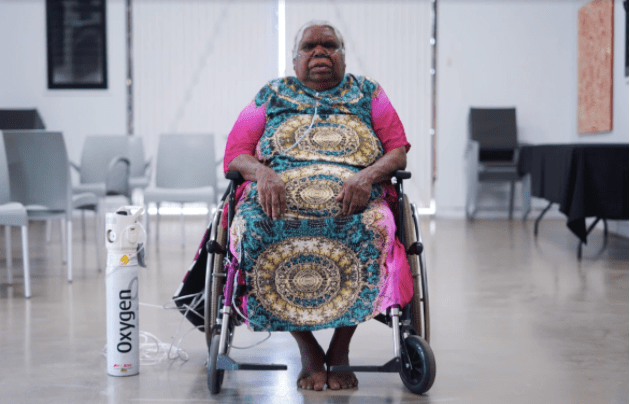
An Indigenous-owned remote dialysis clinic in Alice Springs is working to make COVID-19 vaccine information more accessible to people living in remote communities.

At 71 years old, Barbara Nampitjinpa is the perfect candidate to receive the COVID-19 vaccine during the next phase of the rollout.

Ms Nampitjinpa, who uses an oxygen tank to help herself breathe, is not only getting the jab for her own health, but to encourage other people in remote communities to do the same.

Phase 1b of the vaccine rollout, which begins on 22 March, will focus on vaccinating Indigenous Australians aged 55 and over, people over 70, and those who are immunocompromised, as well as some emergency services personnel including the remainder of the health workforce not included in Phase 1a.

Read the story released by SBS News here.

Barbara Nampitjinpa wants people in remote communities to get the COVID-19 vaccine. Source: SBS News

Wunan to run headspace Kununurra

East Kimberley organisation Wunan has been appointed as the lead agency to establish and operate headspace Kununurra. headspace Kununurra will bring a much-needed resource to the area, offering young people support with their mental health, physical health, alcohol and other drugs issues, and work and study.

WA Primary Health Alliance (WAPHA), the operator of the Country WA Primary Health Network, awarded the contract to Wunan following an open tender procurement process.

For nearly 20 years Wunan has been successfully delivering services and programs across the East Kimberley, including delivery of clinical services to Kununurra and surrounding communities.

Young people aged 12 to 25 can contact headspace Kununurra directly or be referred by their GP or mental health professional.

Read the media release here.

Illustration source: Chris Johnston, Eurekastreet.com.au

The outstanding health outcome Indigenous communities have produced

The fact Indigenous communities kept COVID-19 infection rates six times lower than the rest of Australia without a single death is proof that when they have control and autonomy over policies and programs, success follows.

That’s the message from June Oscar, the Aboriginal and Torres Strait Islander Commissioner and the co-chair of the annual Close the Gap campaign.

The pandemic and the bushfires of 2020 reinforced the need for large-scale reform and “a paradigm shift to truly empower Aboriginal and Torres Strait Islander peoples”, Ms Oscar said.

Chief executive of the Kimberley Aboriginal Medical Service Vicki O’Donnell said avoiding COVID-19 deaths was a triumph.

“Our mob live together, eat together, work together, they kiss and they hug – so the spread was a huge risk for us.

“No Aboriginal person died. Does that not tell you something about what we do?” she said.

In 2019, suicide was the biggest killer of Aboriginal and Torres Strait Islander children aged five to 17 years. Suicide rates among adults are at least two to three times higher than for non-Indigenous Australians.

Yet the lack of resources and funding to train Aboriginal people in mental health and suicide prevention was “incredibly frustrating” for Thomas Brideson, the chief executive of Gayaa Dhuwi (Proud Spirit) Australia, a newly established Aboriginal and Torres Strait Islander mental health and suicide prevention organisation.

Read the article in the Sydney Morning Herald here.

Aboriginal and Torres Strait Islander Social Justice Commissioner June Oscar. Source: Australian Human Rights Commission

Close the Gap report says 2020 reinforced need for large-scale systemic reform

Australian governments at all levels must adopt the Uluru Statement from the Heart, and should take strengths-based approaches to improve health outcomes for Australia’s First Peoples, according to the Close the Gap Campaign.

The campaign is made up of 54 organisations, including the Australian Human Rights Commission (AHRC), and aims to achieve health equality for Aboriginal and Torres Strait Islander peoples.

In its 2021 Close the Gap report (not to be confused with the federal government’s Closing the Gap initiative), the campaign noted that the events of 2020 have reinforced the need for large-scale systemic reform and a “paradigm shift” in Australia’s approach to truly empower Aboriginal and Torres Strait Islander peoples.

Read the full story in the Mandarin here.

Indigenous leadership in pandemic delivers a blueprint to Close the Gap

Aboriginal and Torres Strait Islander organisations and people have been hailed for their world-leading response to the coronavirus pandemic which left First Nations communities largely unscathed.

As leading Indigenous researcher Professor James Ward, Director of the UQ Poche Centre for Indigenous Health, and former Australian of the Year and health researcher Professor Fiona Stanley wrote this week: “Little did anyone know that just a few years after the Uluru Statement from the Heart was presented to the Australian government (and rejected), the First Nations leadership would be able to show just how powerful having a voice could be for their health and wellbeing.”

The 2021 Close the Gap Report, released on Thursday to mark National Close the Gap Day, says it’s time for that lesson to be learnt and applied to so many issues that continue to drive health inequities for Aboriginal and Torres Strait Islander people, including racism, climate change, over-incarceration, youth detention, housing, food and income insecurity, health workforce shortages and stresses, and cultural destruction.

Country and culture are central to the report and the Kimberley is one of the regions highlighted for the leadership shown by Aboriginal and Torres Strait Islander organisations, communities and people during the pandemic, with the number of COVID-19 cases among Indigenous people six times lower than for other Australians, no cases in remote communities, and not a single death recorded.

As Oscar wrote in the report: Some of our homelands, once threatened with closure by governments in the past, became some of the safest places in Australia.”

The relative safety of Aboriginal and Torres Strait Islander communities also ranked as a global success, said Indigenous researcher Professor James Ward, the only Aboriginal member of the Communicable Disease Network of Australia, who was a panellist at the Close the Gap event, which also heard from Minister for Indigenous Australians Ken Wyatt and  Sir Michael Marmot, former head of the WHO Social Determinants Committee.

Read the full story in Croakey here.

three Katungul NSW staff in PPE in shooting stance with gloved fingers in shape of pistol

Katungul Aboriginal Corporation Regional Health and Community Services staff taking a well-earned break at a mobile COVID-19 clinic at Eden. Image source: Croakey.

18 March 2021

NACCHO Chair Donnella Mills shares her message on COVID-19 and the vaccines rollout

NACCHO Chair Donnella Mills speaks about the one year successful partnership between NACCHO and the Australian Government Department of Health fighting COVID-19 and encourages all to take the safe and effective COVID-19 vaccines.

To watch the video clip click here.


Transcript:

On March 5, 2021, we celebrated our first anniversary of the Aboriginal and Torres Strait Islander Advisory Group on COVID-19 co-chaired by NACCHO and the Department of Health.
This group was brought together as a true partnership between the community-controlled health sector, and the Australian Government, to respond to COVID-19 and to keep it out of Aboriginal and Torres Strait Islander communities.
Throughout the COVID-19 pandemic and moving into the vaccine rollout, there has been shared decision-making between Governments and Aboriginal and Torres Strait Islander peoples. We have done a great job to keep COVID-19 out of our communities.
One of the reasons we have been so successful in preventing COVID-19 is the quick response and leadership of our community controlled health sector. Across the world, COVID-19 has caused many people to become very unwell, no matter what their background, gender or race.
The COVID-19 vaccine is essential and safe for our mob and is endorsed by NACCHO.
It is important we protect our Elders. COVID-19 vaccines are soon commencing for Aboriginal and Torres Strait Islander adults according to the priority plan. You will be able to get your free COVID-19 vaccine through Aboriginal Health Services, GP’s and other locations. I encourage all of you to listen to your local community-controlled health organisation as a trusted source of truth.

18 March 2021

107 ACCHOs have signed up to deliver COVID-19 vaccines: Pat Turner on ABC The Drum

Pat Turner AM, CEO NACCHO and Lead Convenor of the Coalition of Peaks was on the panel of speakers for the ABC The Drum last evening and spoke on a couple of topics including the First Nation’s success with COVID-19 and the vaccines rollout, COVID-19’s northern exposure to PNG outbreak, the Federal Government launching a multimillion-dollar advertising campaign in Canberra today encouraging people to move to regional Australia and the Closing the Gap update amongst others.

COVID-19 vaccine rollout

Pat said, “Experience from other First Nations in US and Canada shows high vaccine uptake occurs when the rollout is led by First Nations peoples and there is community control. Due to our success in controlling the outbreak we’re in a position which allows our services to have a flexible approach to the vaccine rollout.

“Just as Aboriginal and Torres Strait Islander communities were on the front foot with controlling COVID-19, we are on the front foot with the vaccine. We have advocated to ensure our communities are among the first to be offered the vaccine. We know the devastation COVID-19 can cause due to the high number of people with chronic conditions like diabetes and the potential rapid spread in crowded housing.

“We have 107 ACCHOs who will participate in the COVID-19 vaccine rollout from 1b in late March. This includes many rural and remote ACCHOs, ensuring all Aboriginal and Torres Strait Islander peoples have access to the vaccine if they choose to, regardless of location.

“We need flexibility in the way the vaccine is delivered in communities, especially in remote and very remote setting. NACCHO has been working with the Australian Government to ensure that, where appropriate, this flexibility exists. While the focus remains on those at highest risk – people over 55 or with chronic medical conditions – ACCHOs can also vaccinate family members and household members of those at high risk. A remote vaccine working group is considering a whole of community strategy – including all non-Indigenous and Aboriginal and Torres Strait Islander adults in the community.

“ACCHOs are highly experienced at vaccine roll-out. Five year old Aboriginal and Torres Strait Islander children have the highest coverage of vaccine uptake in the country and in 2020, almost 80% of people over 65 had the Fluvax.

“We have ensured there is targeted monitoring of safety of the vaccine among Aboriginal and Torres Strait Islander people through the AusVaxSafety program.

“The Australian Government has announced over $14 million in funding to support the roll-out of the vaccine in ACCHO. However, services are yet to receive this funding.

“We know that the best information comes from locally developed communication materials from the ACCHO sector. This was key to the success of the COVID-19 response.

“The communication materials developed by the Government are a good source of factual and up to date information, but we need to support our services to adapt these to local communities needs.

“NACCHO has worked closely with the Government, including the TGA (Therapeutic Goods Administration) to ensure that restrictions on medicine advertising do not stop our sector from doing what they do best – developing and distributing effective health promotion and engagement campaigns for their communities.”

Nyikina Nyul Nyul nurse Emily Hunter was the first Kimberley person to receive the COVID-19 vaccination.

Nyikina Nyul Nyul nurse Emily Hunter was the first Kimberley person to receive the COVID-19 vaccination. Photo: Erin Parke. Image source: ABC News website.

National Close the Gap Day 2021

“It will be two years since the historic Partnership Agreement on Closing the Gap came into effect and we are seeing a radical change across the country.

“The new formal partnership agreements between governments and Aboriginal and Torres Strait Islander community-controlled representatives are being strengthened or set up in every state and territory to share decision making on Closing the Gap.

“The Priority Reforms in the National Agreement need to be embedded into the way governments work – in their policy development, program and funding guidelines and decision making. Our purpose together is to share decisions on how to improve the life outcomes of Aboriginal and Torres Strait Islander people.”

To watch the full episode of ABC The Drum click here.

General Practices join the Phase 1B COVID-19 vaccine rollout

More than 1,000 general practices will join the COVID-19 vaccination program from next week further strengthening the Commonwealths capacity, and ensuring an efficient and equitable distribution of vaccines across the country.

Services will come online from 22 March and progressively increase in number to more than 4,000 by the end of April – as part of Phase 1B of Australia’s COVID-19 vaccine program. This staged scale up will align with the supply of the locally produced AstraZeneca vaccine, and as more vaccine becomes available more services will come online.

Over 100 Aboriginal Health Services and 130 Commonwealth operated GP-led Respiratory Clinics, who have been instrumental partners in the COVID-19 response to date will also be progressively added as additional vaccine providers.

This rollout for Phase 1B complements the significant vaccination program underway to protect our most vulnerable citizens in Phase 1A, with approximately 200,000 vaccinated by the end of Tuesday.

Australians eligible for Phase 1B will be able to find a vaccination provider through the new national vaccination information and location service, at the Department of Health website.

This will enable people to locate their nearest general practice providing General Practice Respiratory Clinic vaccinations and link through to their online booking system or phone number to make the appointment.

To read the full media release by the Hon Greg Hunt MP Minister for Health and Aged Care click here.

ATAGI statement in response to European decisions about the Astra Zeneca vaccine

Australia’s regulatory body for vaccines Australian Technical Advisory Group on Immunisation (ATAGI) issued a statement to not suspend Astra Zeneca vaccine yesterday.

The benefits far outweigh any unfounded links.

Read the ATAGI statement here.

gloved hand administering vaccine to upper arm

Image: SBS website.

Could we mix and match different COVID-19 vaccines?

The COVID vaccine rollout is now underway in Australia and around the world. It’s incredible we’ve been able to develop and produce safe and effective vaccines so quickly — but the current crop of vaccines might not protect us forever. Fortunately, researchers are already developing and testing booster shots. So what are booster shots, and when might we need them?

The first time you give someone a dose of vaccine against a particular infection, it’s called a prime. You’re getting your immune response ready to roll.

Each time you give another dose against that same infection, it’s called a boost. You’re building on immunity you already have from the first dose.

To read the full article in the Conversation click here.

Facebook-based social marketing to reduce smoking in Australia’s First Nations communities

Interesting research paper released in the Australian Indigenous HealthBulletin: Facebook-based social marketing to reduce smoking in Australia’s First Nations communities: an analysis of reach, shares, and likes. By Hefler M, Kerrigan V, Grunseit A, Freeman B, Kite J, Thomas DP (2020).

To view the journal articles click here.

Therapeutic Goods adverse events following immunisation

This instrument specifies certain therapeutic goods information relating to adverse events following immunisation that may be released to specified bodies and persons for the purpose of ensuring meaningful and effective participation in meetings on vaccine safety to support the safety, quality and safe use of vaccines in Australia.

To view the information click here.

medical tray of COVID-19 vaccine syringes

Image source: Surf Coast Times.

National Anti-Racism Framework plan launched

Australia’s Race Discrimination Commissioner Chin Tan has launched a plan to establish a National Anti-Racism Framework and has called on the Federal Government to support and implement it. Commissioner Tan released a concept paper detailing key components that need to be included in the Framework and will soon commence a series of roundtables with peak anti-racism organisations to progress the plan.

The plan was launched ahead of the International Day for the Elimination of Racial Discrimination, also known in Australia as Harmony Day, which occurs this Sunday. Commissioner Tan said: “Racism is an economic, social and national security threat to Australia, and we need to treat it as such. Too many Australians are regularly the targets of racism. “It is time we dealt with the scourge of racism in the same way we deal with the scourge of domestic violence, or the scourge of child abuse. On those issues we have longstanding national frameworks, signed onto by all governments with three-year action plans.

To read the media release by the Australian Human Rights Commission and the Concept Paper for a National Anti-Racism Framework click here.

Close the Gap Campaign Report 2021: Policy Brief

Since 2010, the Close the Gap Campaign Steering Committee has developed an annual report on action that needs to be taken to achieve health equality for Aboriginal and Torres Strait Islander peoples.

We often repeat our recommendations, and we remain steadfast and persistent in the expectation that Aboriginal and Torres Strait Islander ways of knowing, being and doing will be respected and understood. The time for governments to deliver has long passed.

The Leadership and Legacy Through Crises: Keeping our Mob safe report presents solutions and showcases the leadership of Aboriginal and Torres Strait Islander peoples, communities, youth and organisations throughout critical health crises in 2020.

The report features strengths-based examples in addressing the most complex of challenges. These include climate change, the COVID-19 pandemic, and the increasing need for social and emotional wellbeing services in Aboriginal and Torres Strait Islander communities as a result of these events, and pre-existing effects of colonisation and inter-generational trauma.

Read the Close the Gap policy brief here.

Effective approaches to prevention, diagnosis and support for FASD

Fetal Alcohol Spectrum Disorder (FASD) is an entirely preventable permanent disability. FASD includes a range of physical and neurological impairments, occurring due to brain damage caused by exposing a fetus to alcohol during pregnancy. As a spectrum disorder, FASD manifests in a range of ways, and conditions can range from very mild to severe.

Senate Community Affairs References Committee report on effective approaches to prevention, diagnosis and support for Fetal Alcohol Spectrum Disorder. Tabled 17 March 2021.

The committee received a wealth of information and evidence throughout the inquiry and thanks all those who participated, especially those with lived experience who had the courage to share their experiences and knowledge with the committee. As a result, the committee has made 32 recommendations, which aim at significantly improving the prevention, diagnosis, and management of FASD.

Effective approaches to prevention and diagnosis of FASD, strategies for optimising life outcomes for people with FASD and supporting carers, and the prevalence and management of FASD, including in vulnerable populations, in the education system, and in the criminal justice system.

To read the full report released by the Senate Community Affairs References Committee, click here.

Aboriginal woman holding pregnant belly with hand on top and hand below

Image source: UNSW Sydney National Drug & Alcohol Research Centre.

Hearing loss and treating middle-ear infections in Aboriginal and Torres Strait Islander children

Identifying hearing loss and treating middle-ear infections in Indigenous children in their first four years would change lives forever, says Australia’s first Indigenous surgeon, Dr Kelvin Kong.

Describing himself as a proud Worimi man, Dr Kong said early intervention – such as checking children’s ears at every opportunity – would contribute to closing the gap in education, employment and health between Aboriginal and Torres Strait Islander people and other Australians.

Read the full article here.

Australia’s first Indigenous surgeon, Dr Kelvin Kong

COVID-19 crisis in PNG amid vaccine rollout concerns in Australia

Australia has announced emergency COVID-19 support for Papua New Guinea (PNG) in response to fears of a “looming catastrophe” that could devastate the nation and its healthcare system and that also threatens communities in the Torres Strait and Far North Queensland.

Amid dire warnings from PNG and Australian health experts, Prime Minister Scott Morrison announced today that Australia would urgently supply 8,000 AstraZeneca COVID-19 vaccines from Australia’s stock to start vaccinating PNG’s essential health workforce.

Torres Strait Regional Council Mayor Philemon Mosby told ABC radio today that it could be “catastrophic” for local communities if the emergency wasn’t handled properly; however, others are hopeful the crisis can be averted, including National Aboriginal Community Controlled Health Organisation (NACCHO) CEO Pat Turner.

“Our people are very much aware in the Torres Strait about the dangers of COVID and they’ll be taking every precaution,” Turner told ABC TV’s The Drum, saying she had “every confidence that Queensland Health will be able to manage this and control the movement of people, with the cooperation of the Torres Strait Island leadership”.

Read the full story released in Croakey here.

safe effective free vaccines Department of Health banner orange tick in white circle, blue background, circles with vector image of different people's heads, text ' safe effective free

Image source: Australian Government Department of Health.

Do you work with or employ AHWs or AHPs?

Diabetes is a significant health issue facing Indigenous Australians.  The delivery of culturally safe health services, including by appropriately skilled Aboriginal and/or Torres Strait Islander Health Workers and Health Practitioners, is vital to efforts to reduce the present and future burden of diabetes.

Marathon Health are currently looking at diabetes-specific educational opportunities for Aboriginal and/or Torres Strait Islander Health Workers and Health Practitioners.  We want to know where they get the information they need to enable them to provide diabetes care.

Your participation in this brief survey is entirely voluntary and your time is greatly appreciated.  The results will be used to inform current availability of diabetes-related education and to identify opportunities in this area.

Please click the link to the survey to get started here.


Community-led action – the key to Close the Gap – AHHA 

The 2021 Close the Gap Campaign report, released today, highlights the importance of strength- based, community-led approaches to improving health outcomes for Aboriginal and Torres Strait Islander peoples.

‘While Aboriginal and Torres Strait Islander peoples continue to show resilience in the face of poorer health outcomes, the effectiveness of strength-based, community-led action could not be clearer,’ says Australian Healthcare and Hospitals Association spokesperson, Dr Chris Bourke.

‘The case studies in this year’s report showcase the leadership of Aboriginal and Torres Strait Islander peoples, communities and organisations throughout some of the biggest challenges of 2020, from bushfires to pandemics.

‘Community Controlled Organisations and Health Services successfully kept Aboriginal and Torres Strait Islander communities safe during the COVID-19 pandemic and the rate of COVID-19 cases in Aboriginal and Torres Strait Islander peoples was six times lower than the rest of the population. These community-led organisations will have a significant role to play in rolling out the COVID vaccine this year.

‘In July 2020, the new National Agreement on Closing the Gap, signed by all Australian governments and the Coalition of Peaks, signified a new way forward with Aboriginal and Torres Strait Islander people in control at the decision-making table for the first time.

‘The recommendations in this year’s report call for structural reform, self-determination and ongoing investment in Aboriginal and Torres Strait Islander community-led initiatives.
‘This year’s report solidifies the importance of the power of Aboriginal and Torres Strait Islander peoples, communities and organisations, to deliver culturally safe care and localised solutions,’ says Dr Bourke.

AHHA is a member of the Close the Gap campaign, an Indigenous-led movement calling for action on health equity for Aboriginal and Torres Strait Islander people.
The Close the Gap Campaign report is available online.

Aboriginal painting by Adam Hill white hand reaching down to middle of page with words Close the Gap and black hand reaching up to the words

Close the Gap campaign poster by Adam Hill. Image source: ResearchGate.

First Nations women left behind in cervical cancer elimination

Australia is tracking to become one of the first countries to eliminate cervical cancer, but Aboriginal and Torres Strait Islander women will miss out unless we act urgently to change this, according to a new study from The Australian National University (ANU) and Cancer Council New South Wales (CCNSW). Lead researchers, Associate Professor Lisa Whop (ANU) and Dr Megan Smith (CCNSW) and colleagues are calling for inequities to be addressed.

HPV (human papillomavirus) is a common sexually transmitted infection and is responsible for almost all cases of cervical cancer and 90 per cent of anal cancers and genital warts. To reach elimination, the World Health Organization (WHO) has released a strategy with three targets to be met by every country by 2030.

Read the full media release by Australian National University here.

vector image of microscope over female reproductive organs

Image source: MedPage Today website.

Closing the Gap vital to ensure health equity – AMA

The disparities between the health status of Aboriginal and Torres Strait Islander peoples and non-Indigenous Australians continue to fall by the wayside and closing the gap is vital to
ensure health equity in this country, AMA President Dr Omar Khorshid said today.

On National Close the Gap Day, the AMA encourages all Australians to take meaningful action in support of achieving health equity for Aboriginal and Torres Strait Islander peoples
by 2032.

The AMA has actively called on the Government to address health inequities experienced by Aboriginal and Torres Strait Islander people, that stem from the social and cultural
determinants of health.

“Closing the life expectancy gap between Aboriginal and Torres Strait Islander peoples and non-Indigenous people is everyone’s business: it is a national issue in which every individual,
organisation and group in Australia can play a role,” Dr Khorshid said.

“Every person’s health is shaped by the social, economic, cultural, and environmental conditions in which they live.

“Addressing the social and cultural determinants of health is vital if we want to see vast improvements in the health and well-being of Aboriginal and Torres Strait Islander people.
“This is a national priority.

Read the AMA media release here.

Images: mivision The Opthalmic Journal website and AMA President Dr Omar Khorshid.

10 March 2021

feature tile text 'Australian Government releasesCOVID-19 Vaccination Program Implementation Plan: Aboriginal and Torres Strait Islander People', photo of purple gloved hands injecting person's arm

First Nations COVID-19 vaccine implementation plan released

The Australian Government has released its COVID-19 Vaccination Program – Aboriginal and Torres Strait Islander Peoples Implementation Plan. This Implementation Plan is for the COVID-19 vaccination program for all Aboriginal and Torres Strait Islander peoples over 18 years of age. This plan has been developed in consultation with the Aboriginal and Torres Strait Islander health sector, and with state and territory governments.

To view the plan click here.cover of Australian Government Department of Health COVID-19 Vaccination Program Implementation Plan: Aboriginal and Torres Strait Islander Peoples

Sydney hospital goes from worst to best

It’s one of the busiest and most esteemed emergency rooms in the country, but for decades some of the most vulnerable have slipped through the cracks. Located in the heart of Sydney’s nightlife district, St Vincent’s Hospital has saved thousands of lives — but it was considered the worst in the state when it came to caring for certain patients. “A high number of Aboriginal people were coming in through our emergency department and were leaving us, not completing their treatment,” said Pauline Deweerd, director of Aboriginal health at the hospital.

Some months, as many as one in three patients left the hospital before receiving the vital care they needed. “It was because of past bad experiences, they didn’t like waiting, and they didn’t like the way we treated them,” Ms Deweerd said. It was a persistent, hard to address problem, even for a hospital that has a reputation for providing top-notch emergency medicine.

But in the middle of a global pandemic the hospital found a solution, and doctors are certain the rest of the country can learn from it. “It’s our attempt at closing the gap for our small part of the health world; we not only brought it to the level of the general population, we made it a little better,” Dr Preisz said.

To view the full ABC News article click here.

Aboriginal Health Manager Scott Daley in scrubs sitting on patient bed at St Vincent's Hospital

Aboriginal Health Manager Scott Daley, St Vincent’s Hospital, Sydney. Photo: Brendan Esposito. Image source: ABC News website.

Former PM urges women to get COVID-19 vaccine

Julia Gillard has had her coronavirus jab, urging everyone – and particularly women – to get vaccinated. The former PM joined Health Minister Greg Hunt and Department of Health secretary Brendan Murphy to be among the first to receive the AstraZeneca COVID-19 vaccination at a Melbourne clinic on Sunday 7 March 2021. “Me being here today is a visible representation that no matter what side of politics you barrack for, no matter whom you intend to vote for, there is a united message,” Ms Gillard told reporters. “Please get the vaccine. And particularly to Australian women, can I say, please get the vaccine.

She understands that people might feel a little bit anxious, but recommended they get their information from reliable sources, such as the Australian government or from their local health practitioner. “Whether it’s smallpox, measles, mumps, rubella, whooping cough, influenza, and now COVID-19, vaccinations can save lives and protect lives,” Mr Hunt said.

AstraZeneca and Pfizer doses from overseas are being given to frontline health and hotel quarantine workers, as well as aged and disability care residents and staff, as part of phase 1a. The AMA said more than 130 respiratory clinics and over 300 Aboriginal community controlled health service sites will support the phase 1b rollout.

To view the full SBS News article click here and to listen to a Julie Gillard urging Australians to get the COVID-19 vaccine click here.

portrait photo of ex-PM Julia Gillard

Former Australian Prime Minister Julia Gillard. Image source: SBS News website.

Umoona Tjutagku frontline staff receive COVID-19 vaccine

“South Australia’s economic and health response to the COVID-19 threat has been world-leading, and we are focused on working with our health experts to deliver a safe and quick roll out of the vaccines,” SA Premier Marshall said. “This is the biggest peacetime operation in our state’s history, and a big plank in our plan to keep South Australia safe and strong. “The roll out is happening right across the State, with our three key hubs in the north, south and centre of Adelaide all operational, and our regional hubs also progressing .”

Minister Wade said the rollout continues to expand into regional areas with 240 doses of the vaccine arriving at Coober Pedy Hospital today.

“Frontline staff of the Coober Pedy Health Service, Umoona Tjutagku Aboriginal Health Service and Umoona Aged Care as well as aged care residents will receive their COVID-19 vaccine over the next four days.  It is an excellent example of cooperation across all sectors of Health and Aged Care in the Eyre and Far North Local Health Network, SA Minister for Health and Wellbeing Stephen Wade said.

To view the SA Premier’s media release in full click here.

two Aboriginal health workers at Umoona Tjutagku Health Service AC checking medicine box

Image source: Umoona Tjutagku Health Service Aboriginal Corporation website.

Over 55s in next phase of COVID-19 vaccine rollout

More GPs and health clinics will be involved in the vaccine rollout every week from March 22, as the mass COVID-19 vaccination program enters its next phase. Federal Health Department secretary Brendan Murphy says phase 1b of the vaccine rollout will include adults based on their vulnerability to getting COVID-19. “[It] will involve the over 80s who are most at risk as a general group, then the over 70s, and those who are immunocompromised. We will have our Indigenous Australians over 55 as well as frontline emergency service and defence workers.”

The staged commencement of general practices will be complemented by GP-led respiratory clinics and Aboriginal community controlled health services. The AMA said more than 130 respiratory clinics and over 300 Aboriginal community controlled health service sites will support the phase 1b rollout.

To view the full SBS News article click here.

Aboriginal woman and man both 50+ years

Image source: AbSec – NSW Child, Family and Community Peak Aboriginal Corporation website.

Professor Langton talks about the COVID-19 vaccine 

Professor Marcia Langton AO has warned of the ongoing dangers of COVID-19, the effectiveness of available vaccines and the importance of getting vaccinated as soon as possible.

You can view the short video and transcript here.

snapshot of Professor Marica Langton AO The Uni of Melbourne video for DoH on COVID-19 importance, standing in park with trees in background

Professor Marcia Langton AO, The University of Melbourne.

Pain treatment and opioid use – have your say!

NACCHO is working on a project to create some support materials for pain management and the use of opioid medicines, including for Aboriginal and Torres Strait Islander people and is looking for Aboriginal and Torres Strait Islander people consumers and health professionals to take part in group discussion to understand the important issues so that the materials made can be useful.

If you are a health consumer and experience pain and use opioids or are interested in pain management as a practitioner in your ACCHO we invite you to contribute to this project. NACCHO will provide financial compensation for your participation.

To apply or learn more please contact Fran Vaughan at NACCHO medicines@naccho.org.au.

bottles of tablets & blister packs

Image source: NPS Medicinewise website.

System must be held accountable for deaths in custody

Responding to news that two Indigenous people died in custody in NSW in the past week, Amnesty International Australia Indigenous Rights Lead Nolan Hunter said: “We’re coming up to the 30 year anniversary of the Royal Commission into Aboriginal Deaths In Custody (RCIADIC) and it feels as though very little has changed. For example, recommendation 165 called for the screening and removal of hanging points that could be used for self-harm; now nearly 30 years later, we hear of an Indigenous woman who used such a hanging point to tragically take her own life. Here we have two tragic deaths in custody and the Corrective Services Commissioner Peter Severin claims the system can be accountable, while not making these tragedies public.”

To view Amnesty International’s media quote in full click here. and a related article in The Sydney Morning Herald here.

crosses in row on grass with Aboriginal flag painted on them & words Black Deaths In Custody Cross For Loss

Image source: ABC News website.

World Kidney Day

Kidney disease is a non-communicable disease (NCD) and currently affects around 850 million people worldwide. One in ten adults has chronic kidney disease (CKD). Being diagnosed with kidney disease can be a huge challenge, both for the patient and those people around them. Its diagnosis and management, particularly in advanced stages of kidney disease, impacts severely upon their lives by reducing their, and that of family and friends, ability to participate in everyday activities like work, travel and socialising whilst causing numerous problematic side effects  – e.g. fatigue, pain, depression, cognitive impairment, gastrointestinal problems and sleep problems.

This year World Kidney Day continues to raise awareness of the increasing burden of kidney diseases worldwide and to strive for kidney health for everyone, everywhere. Specifically, the World Kidney Day Steering Committee has declared 2021 the year of “Living Well with Kidney Disease”. This has been done in order to both increase education and awareness about effective symptom management and patient empowerment, with the ultimate goal of encouraging life participation.

When compared to non-Indigenous Australians, Indigenous Australians

  • Are more than twice as likely to live with biomedical markers of chronic kidney disease – representing 1 in 5 Indigenous Australian adults
  • Experience an increased prevalence of significant medical co-morbidities
  • Have a median onset of ESKD around 30 years younger
  • Are almost 4 times as likely to die with CKD as a cause of death
  • Have incidence rates of renal replacement therapy (RRT) 8 – 9 times greater
  • Are less likely to receive dialysis in a home setting (either peritoneal or haemodialysis)
  • Are less likely to receive a kidney transplantation
  • Have worse outcomes from transplantation
  • Are more likely to live in very remote or remote areas which is associated with poorer health outcomes
  • Experience a greater psycho-social impact of their disease

For further information on World Kidney Day Thursday 11 March 2021 click here.

Aboriginal painting titled My Kidney Journey by Inawinytji Williamson, a Pitjantjatjara and Yankunytjara Woman and kidney patient

My Kidney Journey by Inawinytji Williamson, a Pitjantjatjara and Yankunytjara woman and kidney patient. Image source: World Kidney Day website.

2021 Indigenous Wellbeing Conference

The Australian & New Zealand Mental Health Association (ANZMHA) has announced details of its new conference, the 2021 Indigenous Wellbeing Conference to take place in Cairns from 7–8 October 2021.

Its theme will be “Honouring Indigenous Voices & Wisdom: Balancing the System to Close the Gap” and will showcase a high calibre of keynote speakers and presenters, covering four vital topics: (1) Promoting Wellness, (2) Social, Emotional & Cultural Determinants, (3) Community Care & Social Recovery and (4) Service Care & Recovery.

With a vision to “shine light on the key challenges in Indigenous communities and address the past and present issues contributing to inequities in mental health treatment and care,” the conference is set to enlighten, educate, and share the hard truths amongst keynote speakers, presenters and attendees.

For more information about the conference and to register click here.

25 February 2021

feature tile text 'power of male role models for Aboriginal children' silhouette of 3 Aboriginal men against sunset

Power of male role models

Almost 10 years ago, the Fathering Project was founded with the aim of delivering resources, programs and events to inspire and equip fathers and father-figures to engage with the children in their lives in a positive manner. Now through a collaboration between a number of researchers, the Fathering Project has asked Noongar men to explain what quop maaman (good men) looks like to them. The outcome was a workshop and video series that will introduce the program to boys and young men on Country with a focus on key Noongar concept and themes.

Professor Collard, a Whadjuk Nyungar Elder and the lead researcher behind the Aboriginal father’s program, said one of the key points in the discussion was that the fathering role model looked different to the Noongar men’s counterparts. He said while the western world may focus on the biological father being one of the primary caregivers, it wasn’t necessarily the same sentiment in the Noongar men’s discussions. The Fathering Project CEO Kati Gapaillard said “the research is profound, showing that increased father involvement in the lives of children creates many positive outcomes.”

To view the full article in the National Indigenous Times click here.

Aboriginal man with arms around three young children, two boys & a girl

Image source: Mallee District Aboriginal Services website.

Vaccines welcome, still need COVID-safe practices

Expert health and medical science leaders welcome the COVID-19 vaccine roll-out, but caution that the vaccines alone are not enough. The COVID-19 vaccination roll-out is a major development for Australia. It will enable people to take action that will help to protect themselves, their families and the wider community from a disease that has killed millions of people and impacted everyone, says the country’s expert body in the health and medical sciences. The Australian Academy of Health and Medical Sciences (AAHMS) is an independent body comprising more than 400 senior researchers and health leaders. It has been active in monitoring and guiding the nation’s pandemic response.

To view the AAHMS media release click here.

Also, you can access a community engagement kit (developed by the Australian Government Department of Health in collaboration with NACCHO) with information on what the Government is doing to deliver COVID-19 vaccines by clicking here and resources about keeping our mob safe here.

image of 3 DoH Aboriginal specific stay covid-19 safe brochures, the first with text 'keep the germs away, keep hands clean' & line drawing of hands being washed

Image source: Australian Government Department of Health website.

Standalone family court system abolished

The passing of legislation earlier this week to merge the Family Court with the Federal Circuit Court will place survivors of domestic and family violence at greater risk according to more than 155 stakeholders in Australia’s family law system who have signed an open letter to the Attorney-General opposing the merge.

The Law Council of Australia, Women’s Legal Services Australia, Community Legal Centres Australia and the National Aboriginal and Torres Strait Islander Legal Services (NATSILS) are among the stakeholders who have consistently opposed the Government’s bill to abolish the specialist, stand-alone Family Court out of concern it will harm, not help, Australian families and children.

NATSILS Co-Chair Priscilla Atkins voiced her concerns for First Nations people, saying the merger means the loss of the standalone, specialist, superior Family Court and this will disproportionately impact the most vulnerable including Aboriginal and Torres Strait Islander children.

To view the National Indigenous Times article click here.

lettering on marble outside Family Court of Australia

Image source: Crikey website.

ACTCOSS supports systemic racism investigation

The ACT Council of Social Service (ACTCOSS) has welcomed the appointment of Ms Christine Nixon as chair of the new Oversight Committee to develop a blueprint for change for the Alexander Maconochie Centre (AMC) however said that without an inquiry into systemic racism in Canberra’s prison the injustice experienced by Aboriginal and Torres Strait Islander detainees engaged with the justice system would not be resolved.

ACTCOSS CEO, Dr Emma Campbell said: “We are pleased to see that this new Oversight Committee will soon start work to help improve culture and oversee the implementation of recommendations from inquiries and reports, “This oversight group will need to move promptly and comprehensively to rebuild trust. That must include close engagement with the community services sector, particularly Aboriginal community controlled organisations.”

To view the ACTCOSS media release in full click here.

Alexander Moconochie Centre external view building, 3 flag poles & prohibited entry sign

Photo by Karleen Minney. Image source: The Canberra Times.

First Nations’ GP numbers keep growing

The past three years have seen a 55% increase in Aboriginal and Torres Strait Islander students pursuing a career in medicine. In 2020, there were a total of 404 Aboriginal and Torres Strait Islander students – 121 of whom were first year students – enrolled across Australia’s medical schools. That represents 2.7% of all domestic students, and is a substantial increase from 265 in 2014, according to findings from the 2020 General Practice: Health of the Nation report.

Dr Olivia O’Donoghue, RACGP Aboriginal and Torres Strait Islander Health Censor, believes it is the groundwork laid at a secondary education level to build awareness and encouragement that has helped lead to the increase, ‘There is a greater engagement of universities with high schools to recruit into health-related degrees and improvements in entry pathways to ensure university readiness for Aboriginal and Torres Strait Islander students – one of the barriers for [this population] undertaking any university degree.’

To view the full RACGP newsGP article click here.

Aboriginal medical student with stethoscope against young Aboriginal woman's chest

James Cook University General Practice Training. Image source: RACGP newsGP.

More pressure on Woolies over NT grog shop

Aboriginal and Torres Strait Islander and non-Indigenous community and health leaders have called on Reconciliation Australia to revoke its endorsement of Woolworths’ Reconciliation Action Plan, as it did with Rio Tinto’s in the wake of the mining giant’s destruction of Juukan Gorge.

The signatories include many leading Indigenous health experts, including National Aboriginal Community Controlled Health Organisation (NACCHO) CEO Pat Turner, Indigenous Allied Health Australia (IAHA) CEO Donna Murray, Lowitja Institute chair Pat Anderson, Aboriginal Medical Service Alliance of the NT (AMSANT) CEO John Paterson, Danila Dilba CEO Olga Havnen, and former 60 Minutes journalist Jeff McMullen.

They say Woolworths should, like Rio Tinto, be held accountable for its relentless fight to build what will be one of Australia’s largest alcohol stores near three dry Aboriginal communities in Darwin, despite strong opposition from Aboriginal and Torres Strait Islander community and health organisations, “and in the full knowledge that this store will increase alcohol harm”.

To view the full article in Croaky click here.

silhouette of a spirits bottle over a list of the signatories to Reconciliation Australia to ct ties with Woolworths over Darwin bottle shop proposal

Signatories to the letter to Reconciliation Australia. Image source: Croakey.

Loneliness epidemic goes on unnoticed

A report on loneliness, an issue which clouds the lives of many Australians and exposes them to increased risk of depression and other illness, has called for a national plan of action to address the often unrecognised condition. 15% of Australians were considered to be experiencing high levels of loneliness, according to a 2019 survey, yet there remain significant gaps in knowledge and community awareness of the extent and impact, the report finds. That survey finding is reported in the Loneliness Thought Leadership Roundtable Report produced by an expert roundtable established by the Consumers Health Forum in partnership with the Medibank Better Health Foundation. This report builds on the Ending Loneliness Together in Australia White Paper published in late 2020 by the Ending Loneliness Together coalition.

To view the Consumers Health Forum of Australia’s media release in full click here.

young Aboriginal man sitting against wall with head down, arms folded, blue hoodie & jeans

Image source: myDr.com.au.

Youth representatives sought for HealthInfoNet Board 

The Australian Indigenous HealthInfoNet which undertakes knowledge exchange research activities to summarise, synthesise and analyse the available research and other information and make it available to the health sector workforce in ways that are timely, accessible and relevant, is seeking expressions of interest from young Aboriginal and Torres Strait Islander people (aged 18–25 years) to join its national Advisory Board. The Advisory Board provides strategic advice and guidance to the HealthInfoNet‘s Director to ensure that it continues to provide support to the Aboriginal and Torres Strait Islander health sector workforce.

Youth representatives will provide important feedback from a young person’s perspective to guide the strategic and operational activities of the HealthInfoNet. The youth representatives will join the Advisory Board of senior Aboriginal and Torres Strait Islander health experts and other health experts from throughout Australia.

For further information click here. BE QUICK as applications close Friday 26 February.

Australian Indigenous HealthInfoNet logo of goanna & Aboriginal dot painting

Settler colonials face family histories

There is a quiet movement among settler colonials in Australia to critically examine their family histories as a way of re-examining the impact of centuries of dispossession of Indigenous peoples and enabling a shift from celebratory tropes of benign settlement to deep considerations of legitimacy. The myth of great white men and women, bravely opening new worlds and taming the wilderness, including the “savage” Indigenes, is now being challenged by a search for the truth.

Working alongside Aboriginal people, documenting their stories of dispossession and survival, Australian writer and academic, David Denborough,  was challenged by Jane Lester, a Yangkunytjatjara/Antikirinya woman, to find his ancestors. Now, 20 years later, he has written a book about how the relationships between his ancestors and Aboriginal people were marked by colonisation, racism and often inhumane treatment.

Denborough is determined to tell the truth as part of his healing journey and his close relationship with Aboriginal people. He has realised  “there is no sense in moral superiority towards my ancestry because colonial violence in this country has not ended; no place for hopelessness because First Nations resistance has never wavered; and, no time for paralysing shame because invitations to partnerships are still being offered by Aboriginal people … and [there is] so much to be done.”

To view the full article click here.

Tom and Jane Teniswood holding 'Private Forest Reserve' sign on a tree trunk

Tom and Jane Teniswood have returned half of their 220-acre property in Tasmania to the local Aboriginal community. Image source: The Conversation.

Doctor shortage in rural and regional areas

In a recent interview The Hon Mark Coulton MP, Minister for Regional Health, Regional Communications and Local Government was asked about RACGP figures suggesting a decline in doctors electing for GP training and choosing specialties instead and whether more incentives need to be in place to fill more GP training roles. Minister Coulton said “what we’ve seen here in the bush is a symptom of a larger problem. And that is as we speak this year, there’s 30% vacancy in funded training places for GPs across Australia. We need to lift the value of general practice as a discipline.

We’re also training generalists, which is proving to be very popular with students coming through. So, doctors that have that broader range of skills, a GP with an emergency skill, obstetric skill, that would be of use when you’re working more remotely by yourself. And so, we’re looking at a whole range of issues going right back to the training through the students, working with the colleges, right through workforce issues and incentives, putting more students from country areas into training.”

To view the full transcript of the interview click here.

overlapped image of health professional torso with stethoscope holding hand of person against red dusty grasslands

Image source: National Rural Health Alliance Partyline website.

Teal Ribbon Day – raising ovarian cancer awareness

Aboriginal and Torres Strait Islander women have a different pattern of gynaecological cancer incidence and mortality compared to non-Indigenous women. Aboriginal and Torres Strait Islander women are 2.5 times more likely to be diagnosed with, and 3.8 times more likely to die from cervical cancer, and are also 1.8 times more likely to be diagnosed with, and 2.2 times more likely to die from endometrial cancer. Cancer Australia have produced a handbook for Health Workers and Health Practitioners to help provide information and support to Aboriginal and Torres Strait Islander women with gynaecological cancers which can be accessed here.

Annually on the last Wednesday in February, Ovarian Cancer Australia hold Teal Ribbon Day. This is a day to support Australians affected by ovarian cancer, honour those  lost and raise awareness of this deadly disease to change the story for future generations. To access the Ovarian Cancer Australia website click here.

photo of teal ribbon for Teal Ribbon Day

Image source: Ovarian Cancer Australia website.

NSW – Batemans Bay, Bega & Narooma – Katungul Aboriginal Corporation Regional Health & Community Services

Practice Nurses x 1 PT – Batemans Bay

Casual Practice Nurses x 1 or more – Batemans Bay, Bega & Narooma

Katungul is a not for profit organisation providing culturally attuned, integrated health and community services on the Far South Coast of NSW. Katungul provides a broad range of services including: Primary Health Care; Child and Maternal Health; Oral Health; Mental Health; Emotional Health; Alcohol and Drug Services; NDIS and Integrated Team Care (ITC).

The Practice Nurse is responsible for ensuring that high quality health care services are provided to Katungul clients attending the clinic and associated outreach venues. This role includes oversight of all clinical operations based at the branch including risk management, planning, reporting, and management of a multidisciplinary team.

To view position description and to apply click here. Applications close 5:00 PM Tuesday 9 March 2021.Katungul ACCHO logo black duck flying across curved Aboriginal brown yellow black art, inside ochre circle with golden yellow fill, silhouette of man, woman, girl & boy at bottom of the circle, text 'Health Care for Aboriginal & Torres Strait Islander Communities

24 February 2021

NACCHO Medical Advisor Dr Jason Agostino on the COVID-19 Vaccine Rollout

Dr Jason Agostino is a GP and an epidemiologist who has worked mainly in the field of Aboriginal and Torres Strait Islander health. He joins 102.7FM, 3RRR Digital – Mission host Daniel James to talk about the plans underway on the vaccine rollout to First Nation communities across the country.

To listen to to the interview click here.

NACCHO Medical Advisor Dr Jason Agostino

World Hearing Day March 3 2021: New 2020 Otitis Media Guidelines available

March 3, 2021 is World Hearing Day, and the Centre for Research Excellence in Ear and Hearing Health of Aboriginal and Torres Strait Islander Children have launched the new 2020 Otitis Media Guidelines for Aboriginal and Torres Strait Islander Children (“2020 OM Guidelines”).

You can view the OM Guidelines via the website and mobile app, which is free to download via the Apple App Store or Google Play. These guidelines provide interactive, engaging and culturally appropriate best practice up to date information on the prevention, diagnosis and management of otitis media.

Aboriginal and Torres Strait Islander children experience some of the highest rates of otitis media (OM) in the world. If left without appropriate care, OM can cause conductive and/or permanent hearing loss and is associated with language delay, speech problems, high vulnerability on entering school, social isolation, poor school attendance, and low education and employment opportunities. Hearing loss and otitis media rates among Aboriginal and Torres Strait Islander children are well above the level considered a ‘public health crisis’ by the World Health Organization (WHO).

The 2020 OM Guidelines mobile app and website have been designed to build on the Guidelines themselves and act as a multimedia tool for primary health care providers, with:

  • step by step guide to assist with diagnosis
  • user-friendly algorithms to assist with clinical decision making based on diagnosis
  • audio recordings in top end Aboriginal languages to assist with communication
  • educational videos for health workers, families and children
  • otitis media otoscopy image gallery and quiz
  • condensed Otitis Media Guidelines with graded evidence and links to publications

The Centre of Research Excellence’s mission is to ‘close the gap’ in educational and social disadvantage associated with the high prevalence of OM and conductive hearing loss in Australian Aboriginal and Torres Strait Islander children. The 2020 OM Guidelines have been prepared by a group of experts in the field of ear and hearing health* and bring up-to-date the Department of Health’s “2010 Recommendations for Clinical Care Guidelines on the Management of Otitis Media in Aboriginal and Torres Strait Islander Populations”.

The release of the 2020 OM Guidelines for World Hearing Day (3 March 2021) will be accompanied by the publication of an article in the Medical Journal of Australia Leach AJ, Morris P, Coates HLC, et al. Otitis media guidelines for Australian Aboriginal and Torres Strait Islander children: summary of recommendations.

Please help share the 2020 OM Guidelines as well as putting them into practice.

Use their social media tag #earhealthforlife or tag them on Twitter @cre_ichear or Facebook @CREICHEAR. If you would like more information or to provide us with feedback please contact CRE_ICHEAR@menzies.edu.au or Joanne Howes on 08 89 468 661.

Production and dissemination of the 2020 OM Guidelines is funded by the National Health and Medical Research Council (NHMRC) Centre of Research Excellence in Ear and Hearing Health of Aboriginal and Torres Strait Islander Children.

health professional checking a small Aboriginal child's ear

Image source: the social photographer website.

Digital tool to dial back COVID-19 Anxiety, Depression and Alcohol Use

With more than a third of Australians now drinking alcohol daily, compared to 6 per cent pre-COVID-19, researchers are developing a digital tool to help communities manage the ongoing impacts of COVID-19.

A team of researchers from the University of Newcastle and Hunter Medical Research Institute (HMRI) has been awarded one of 10 NSW Ministry of Health COVID-19 Research Grants, designed to fund research in priority areas to directly support the NSW Health response to the COVID-19 pandemic. While the mental health consequences of COVID-19 are still emerging, it is estimated depressive and anxious symptoms are two to three times higher than before the pandemic hit, placing more pressure on an already overloaded mental health support system.

Read the full media release here.

both hands over a face

Image source: UNSW Newsroom – UNSW Sydney.

Long-awaited Cashless Debit Card evaluation made public

The National Indigenous Times story featured on the $2.5 million report by the University of Adelaide into the Cashless Debit Card scheme has been released to the public, almost five months after it was made available to the Morrison Government.

The report, commissioned by the Federal Government, was submitted to the Government on October 27.

The report stated that 25 per cent of participants had reported less alcohol consumption and 21 per cent reported less gambling activity.

“These findings are consistent with the more than 10 other evaluations that the CDC leads to people consuming less alcohol, gambling less and feeling safer in their communities,” said Minister for Families and Social Services, Anne Ruston.

“This report will help the Government improve the program and we are already addressing issues such as stigma through our commitment to improving the technology to ensure the CDC works in the exact same way as any other bank card.”

To read the full article click here

Aboriginal hands holding the cashless debit card

Image source: The Morning Bulletin.

The Australian Bureau of Statistics is recruiting over 300 Census remote area team roles

The Australian Bureau of Statistics (ABS) is recruiting over 300 Census remote area team roles across Australia for the 2021 Census. The teams will comprise of Remote Area Management Team Leaders and Remote Area Management Team Members.

Both roles have responsibility for ensuring that people in remote and very remote areas are counted in the Census including Aboriginal and Torres Strait Islander communities, and people in national parks and pastoral stations. Andrew Henderson, Census Executive Director and National Spokesperson said, “remote area teams will manage the collection of Census data in the field by conducting interviews to ensure people from all cultures and communities are included in this important count. ”

To read the full release click here.

Call for Reconciliation Australia to pull Woolworths support over Darwin Dan Murphy’s

Aboriginal and Torres Strait Islander community and health leaders want Reconciliation Australia to revoke its support for Woolworths over the retail giant’s plans to build one of Australia’s largest alcohol stores in Darwin, near three dry Aboriginal communities.

A letter signed by health, legal, domestic violence and community group leaders draws comparison to Rio Tinto, which was dumped by Reconciliation Australia over the destruction of a 46,000-year-old Aboriginal heritage site in the Pilbara, which said Rio’s actions were a “breathtaking breach of a respectful relationship”.

Read the full story in The Guardian here.

shipping container with spray painted Aboriginal flag heart & word Bagot, superimposed with logos for Woolworths and Dan Murphy's

Image source: BlackBusiness.

Funding support for COVID-19 impacted Aboriginal communities (NSW)

Applications have opened for Aboriginal Community Controlled Organisations (ACCOs) to apply for funding to strengthen their support of Aboriginal communities impacted by COVID-19.

Grants of up to $50,000 are available from Aboriginal Affairs NSW for ACCOs to provide culturally appropriate, locally-based support to address community wellbeing, education and employment issues, as well as buy supplies for compliance with COVID-safe guidelines.

Minister for Aboriginal Affairs, Don Harwin, said that the investment would support activity either as a response to the impacts of COVID-19, or provide additional support to enable scheduled events to take place safely. “COVID-19 has impacted life for Aboriginal communities in a range of unpredictable ways, and we want to ensure that Aboriginal community organisations can keep up their support, especially in regional and remote communities,” said Mr Harwin.

Read the full release here.

Two images: Aboriginal flag with stethoscope & Dr Vinka Barunga

Image sources: AMA, ABC News – Dr Vinka Barunga.

Growth in Aboriginal and Torres Strait Islander GP numbers to continue

In 2020, there were a total of 404 Aboriginal and Torres Strait Islander students – 121 of whom were first year students – enrolled across Australia’s medical schools.

That represents 2.7% of all domestic students, and is a substantial increase from 265 in 2014, according to findings from the 2020 General Practice: Health of the Nation report.

Dr Olivia O’Donoghue, RACGP Aboriginal and Torres Strait Islander Health Censor, believes it is the groundwork laid at a secondary education level to build awareness and encouragement that has helped lead to the increase.

Read the full story in the RACGP here.

Mortality and tobacco smoking among Aboriginal and Torres Strait Islander adults

A study just published internationally has followed the health of Aboriginal and Torres Strait Islander adults for nearly 11 years to see the the impact of smoking and quitting. The results are dramatic and stark.

Guest: Prof Tom Calma, National Coordinator, Tackling Indigenous Smoking

Host: Dr Norman Swan

To listen to the podcast click here.
two hands breaking cigarette in half

Image source: The Conversation.

RACP welcomes landmark day for Australia’s COVID-19 protection response

The Royal Australasian College of Physicians says today is a landmark day for Australia’s successful COVID-19 strategy and that Australians should be confident in the Government’s rollout strategy.

RACP President, Professor John Wilson said “Today marks an incredible achievement in our battle against the global COVID-19 pandemic.

“Australia is in this position today thanks to the hard work of our frontline workers, State and Federal Governments, and the everyday Australians who have been doing the right thing and following the advice of health experts.

“The vaccines being rolled out have gone through rigorous approval processes by the Therapeutic Goods Administration, which is one of the best regulators of its kind in the world.

“Australians should be confident in receiving the COVID-19 vaccine as it becomes available to them according to the Government’s roll-out schedule.

Read the full media release here.

gloved hand holding bottle of vaccine, writing with ungloved hand

Image source: BBC News.

NSW – North Ryde – Macquarie University

Postdoctoral Research Fellow – Macquarie University (North Ryde)

Macquarie University are seeking an Aboriginal and/or Torres Strait Islander Postdoctoral Researcher with strong qualitative research skills and a background in health. The Postdoctoral Researcher will contribute to all qualitative aspects of the research, including developing focus group/interview templates, recruit expert stakeholders to focus groups, design and run semi-structured interviews, analyse the findings, develop evidence statements and write up the results for dissemination. They will work with communities to design and implement the focus groups and analyse the resulting data. They will also complete a qualitative evaluation of the new EHC approach at each study site.

To view position descriptions and to apply click here.

Applications close Monday 1 March 2021, at 11.55pm

21st International Symposium on Recent Advances in Otitis Media

Virtual meeting to be held on 11 – 12 June 2021.

Free registration! For more information on the symposium click here.

17 February 2021

NACCHO CEO Pat Turner speaking on The Drum

NACCHO CEO hits the airwaves

Earlier this week NACCHO CEO Pat Turner spoke to ABC The Drum about COVID-19 and the rollout of vaccines, the Industrial Relations Reform, employment and economy and the anniversary of the Apology to the Stolen Generations.

Pat Turner also spoke to Patricia Karvelas on ABC Radio National Drive about the Closing the Gap report and the anniversary of the Apology to the Stolen Generations Apology.

To view the ABC The Drum program featuring Pat Turner as a panellist click here and to listen to Pat Turner being interviewed on ABC Radio National Drive click here.

portrait of Pat Turner for RN Drive with Patricia Karvelas 13.2.21

NACCHO CEO Pat Turner AM, RN Drive with Patricia Karvelas. 15 February 2021


NACCHO CEO, Pat Turner, ABC The Drum, 15 Feb 2021

Danila Dilba to deliver 26,000 vaccines

In the traditional language of the Larrakia people, “Danila Dilba” refers to the dilly bag used to carry bush medicines. It’s also the name of one of Australia’s largest Aboriginal health services, which is about to undertake the biggest challenge it’s ever faced.

“It’s absolutely unprecedented in terms of scale, logistics and, I would say, importance as well,” said Andrew Webster, the head of clinical governance at Danila Dilba. Dr Webster is overseeing the mission to inoculate at least 13,000 Aboriginal and Torres Strait Islander adults in Darwin. They are among Australia’s most susceptible to the dangers of COVID-19.

To view The Aboriginal health service tasked with delivering at least 26,000 COVID-19 vaccines article click here.

Danila Dilba registered nurse Taylor Matthews opening medicines fridge

Registered nurse Taylor Matthews says it will be “very tough” to vaccinate all of Danila Dilba’s clients. Image source: ABC News.

COVID-19 vaccines common questions and answers

The Australian Government will shortly begin rolling out COVID-19 vaccinations. While details are still unfolding, you will be able to find the answers to many of your questions in the COVID-19 vaccines common questions factsheet here.

This Q&A document, together with vaccine-related information for Aboriginal and Torres Strait Islander peoples, can be accessed via the Australian Government Department of Health’s website.

The Australian Government Department of Health (DoH) in collaboration with NACCHO have prepared a community engagement kit that has useful information on what the Government is doing to deliver COVID-19 vaccines.

To support communication with your stakeholders, networks and communities, a suite of resources have been developed, including:

  • newsletter article content
  • social media content
  • a script for videos
  • an editorial example
  • a poster
  • radio and social media advertising content.

Here is a guide that will provide you with the list of resources that are available in the COVID-19 vaccination community engagement kit.

To download the entire kit of resources click here.

Image source: Australian Government Department of Health

The EarTrain Program is here

Aboriginal and Torres Strait Islander children have much higher rates of middle ear infection compared to other children. The EarTrain program is a response to these statistics. It is delivered across Australia by TAFE NSW and is funded by the Australian Federal Government. EarTrain is a Closing the Gap initiative available until June 2022.

This program is delivered through an interactive online training platform with an option to register for practical skills workshops. During the practical skills workshops, you will learn to develop audiometry skills and use equipment appropriately. For further information about the EarTrain program click here.

Program eligibility – if you are a primary health care professional providing care to Aboriginal and Torres Strait Islander peoples, you are eligible to participate in the EarTrain program. To register to participate click here.EarTrain banner, text deliver by NSW Government TAFE NSW & photo of Aboriginal man, woman & two young girls

Remote GPs urged to update AOD skills

The Royal Australian College of General Practitioners (RACGP) is encouraging more rural and remote GPs to update their skills using the latest research to support patients with alcohol and other drug (AOD) use problems in their communities. Under the $7.9 million initiative funded by the Federal Government the RACGP is delivering the Alcohol and Other Drugs GP Education Program, which is tailored to meet the needs of GPs in all corners of Australia. The program encourages participation from rural and remote GPs and includes essential skills training to provide an update for GPs wanting to improve their approach to conversations about alcohol and other drug use.

To view the RACGP’s media release here.RACGP banner text Alcohol and Other Drugs GP Education Program Training GPs to help people tackle alcohol & other drug use racgp.org.au/AOD, blue background, pills, beer

Trust in government soars during pandemic

It has become accepted wisdom that the COVID-19 pandemic has seen trust in government rise across countries. But by how much? And why should it matter?

To answer these questions, a representative online survey was conducted in Australia and NZ, with a separate sample for WA, in July 2020, during the first wave of the COVID-19 pandemic. The survey discovered a dramatic increase in trust in government. Indeed, 80% of Australians and 83% of New Zealanders agreed government was generally trustworthy, up from 49% and 53% respectively in 2009.

Moreover, this level of trust is far higher than found in studies carried out in several other countries.

To view The Conversation’s article Trust in government soars in Australia and NZ during pandemic in full click here.

NZ PM Jacinta Atdern & PM Scott Morrison standing 1.5m apart, both at lecterns, city in the background

Image source: The Conversation.

24/7 support for remote and rural health workers

Remote and rural health workers make a difference to people’s lives every day, supporting those who may be at their lowest ebb, and keeping the communities in which, they live healthy and safe. But who helps the health workers when the stresses of work, and life, become too much?

The CRANAplus Bush Support Line is a 24/7 telephone service offering free psychological support for this critical workforce, and their families. For decades, the service has been a lifeline for those facing personal or work-related challenges while delivering essential health services beyond Australia’s major cities.

With Australia’s remote and rural communities reeling from the impact of COVID-19 and natural disasters including bushfires, drought and flooding, the provision of easily accessible, meaningful support for health workers has never been more important, says not-for-profit organisation CRANAplus, which provides the Bush Support Line as part of its suite of services for the remote, isolated and rural health workforce.

To view the article 24/7 support service offers a lifeline to remote and rural health workers in full click here.CRANAPlus banner, text Lend you an ear. Give you a hand. Bush Support LIne 1800 805 391 Available to remote and rural health workers and their families, CRANAPlus logo ' text CRANA plu Improving remote health www.crana.org.au

Grants to develop or grow NDIS services

Not-for-profit organisation, Community Business Bureau (CBB) are offering free consultancy services, for up to five organisations to help them develop a new or grow an existing NDIS service. The grant round is currently open, and applications close at 1:00 PM (ACDT) Friday 26 February 2021.

While applications are open to any organisation that provides or wishes to provide NDIS services – CBB are particularly welcoming applications from:

  • Organisations operating or wanting to operate in rural and remote communities in SA, WA, the NT and Queensland.
  • Aboriginal and Torres Strait Islander organisations.

For more information, or to apply click here.

rear view of older Aboriginal woman in wheelchair looking at white clouds against a blue sky

Image source: Power to Persuade website.

Mental health impacted by impaired vision

Dr Peter Sumich, Vice-President of the Australian Society of Ophthalmologists and a cataract and refractive surgeon, spoke to newsGP following the release of new research published in JAMA Ophthalmology. Dr Sumich said ‘There is no doubt – and there’s plenty of research to back it up – that people who have cataracts or low vision have more depression, more social isolation, less independence, more falls and fractures and less ability to drive. Those things all work together to play on your mental health.’

Melbourne Laureate Professor Hugh Taylor, the past president of the International Council of Ophthalmology, the Harold Mitchell Professor of Indigenous Eye Health at the University of Melbourne and previous Head of the Department of Ophthalmology at the University of Melbourne says GPs should assess visual capability as part of their health checks and that it is a mandatory part of the 715 health check for Aboriginal and Torres Strait Islander patients. Professor Taylor said it is also imperative that clinicians ensure any patient who has diabetes receives regular eye examinations. ‘For non-Indigenous Australians, that should be an eye exam once every two years, and for Aboriginal and Torres Strait Islander people that needs to be once a year,’ he said.

To view the newsGP article Impaired vision linked to lower mental and physical health in full click here.

Aboriginal woman with poncho in Aboriginal flag colours, walking cane on road with man assisting

Image source: mivision The Ophthalmic Journal website.

Collaboration sought to shape health policy 

The University of Sydney’s Sustainability, Climate and Health Collaboration (SCHC) is seeking collaborations with various partners to shape policies and practices that could promote people’s health and wellbeing under changing environment and climate. One of SCHC’s focused research areas is Indigenous health promotion. A current SCHC student member is Matilde Petersen – Research Assistant and MPhil candidate at School of Public Health. Matilde is involved in projects on climate change and health of Aboriginal and Torres Strait Islander people and a glossary project on climate change and health to promote multisectoral collaborations.

You can access the University of Sydney’s website here for further information about how to get involved.

Aboriginal man conducting controlled grass burn

Image source: Wunambal Gaambera Aboriginal Corporation – Russell Ord.

The big issues in outback health provision

In a series of webinars called Outback Conversations, members of The Outback Alliance and key stakeholders from diverse sectors have discussed a range of issues and challenges that have been identified following the first outbreak of COVID-19.

During The Outback Alliance Outback Conversations Webinar #2 – Health Frank Quinlan, Federation Executive, Royal Flying Doctor Service (RFDS) and John Paterson, CEO of the Aboriginal Medical Services Alliance in the NT (AMSANT) explored questions such as: What have been the big issues in health provision? How has the disruption in supply chains, personnel or internet access impacted remote communities? and How do we continue to protect people in the Outback?

To view the webinar click here.

Outback Conversations webinar tile, red dusty outback image, insert image of woman looking at arm of one of 2 boys sitting on the edge of a ute, text Webinar #2 - Health with Frank Quinlan, Federation Executive Royal Flying Doctor Service, John Paterson, CEO - Aboriginal Medical Services Alliance NT

Image source: The Outback Alliance website.

Vital to combat COVID ‘vaccine hesitancy’

“The rollout of COVID vaccines has been hastened because of the emergency nature of the pandemic, and that’s led to some vaccine hesitancy which is understandable,” Dr Aquino said. “So the Australian government, and pharmaceutical companies need to effectively communicate why these vaccines are safe, and comparable to any vaccine developed outside of the pandemic. “They need to cut through the misinformation from the anti-vaxxer movement to mitigate the growth of that movement. Because the reality is the way these vaccines have been developed for COVID is still scientifically, evidence-based, and they have to go through a stringent regulatory process. Australia is one of the strictest regulators in the world, which is why we haven’t already started rolling out the vaccine like in other countries.”

To view the Illawarra Mercury article It’s vital to combat COVID ‘vaccine hesitancy’, says UOW bioethicist in full click here.

male health professional holding syringe in front of his face

Image source: Illawarra Mercury.

Indigenous Health Research Fund webinars

The Medical Research Future Fund’s (MRFF) Indigenous Health Research Fund (IHRF) was announced in February 2019 to provide $160 million for research to improve the health of Aboriginal and Torres Strait Islander people. An Expert Advisory Panel was appointed in September 2019 to provide advice to the Minister for Health on the strategic priorities for research investment through the IHRF. The Expert Advisory Panel provides their advice on priorities for research investment through the IHRF by developing a Roadmap and Implementation Plan.

The Roadmap is a high level strategic document that includes the aim, vision, goal and priorities for investment for the IHRF. To support the Roadmap, the Implementation Plan outlines the priorities for investment (short, medium and long term), evaluation approaches and measures, supporting activities, and collaborative opportunities. The Roadmap and Implementation Plan are used by the Department of Health to design and implement IHRF investments via Grant Opportunities promoted through GrantConnect.

Consultation has now opened on the Roadmap and Implementation Plan for the IHRF. The Expert Advisory Panel will host two Indigenous Health Research Fund webinars on 23 and 30 March 2021 where you can provide your feedback.

Aboriginal woman in lab coat with microscope and beakers with yellow blue & red liquidr

Image source: Research Professional News Australia & NZ website.

Collingwood’s challenge is everyone’s challenge

As an Aboriginal doctor, cardiologist, and researcher, Burchill said he is often asked for solutions on how to Close the Gap for Aboriginal health outcomes. Since heart disease is one of the major drivers of the health gap between Indigenous and non-Indigenous Australians, you might think the solution lies in our interventions – heart pills, stents for blocked coronary arteries, pacemakers, and so on. The truth is that we can only close the gap by preventing heart disease in the first place. That begins with us understanding that health starts in the places we share our lives – our homes, schools, workplaces, neighbourhoods, clubs and communities.

If we apply this lens to Collingwood it becomes clear that systemic racism isn’t only a threat to the culture of an organisation but also for the health of those working within it.

To view Associate Professor Luke Burchill’s paper in full click here.

brick wall mural of Adam Goodes

Footballer Adam Goodes experienced one of the most malignant national displays of systemic racism. Image source: The University of Melbourne Pursuit webpage.

Location negotiable across Australia – TAFE NSW

Teacher Audiometry – EarTrain Program (PT casual) – (Targeted) x multiple positions

The TAFE NSW Digital Team is looking for individuals with current industry experience and knowledge in Audiometry and Ear Health Prevention to join their team on a part time casual basis.

EarTrain is an online training program for primary health care professionals to identify and manage otitis media and other hearing conditions in Aboriginal and Torres Strait Islander communities. The program is delivered across Australia by TAFE NSW and is funded by the Australian Government. EarTrain is a Closing the Gap initiative available until June 2022.

To view the position description and to apply click here. Applications close 11:59 PM Monday 22 February 2021.EarTrain program banner, face & shoulders of Aboriginal girl sitting on lounge with headphones & huge smile, text EarTrain & logo - Aboriginal painting of ear, 'Enhance Health Service Delivery'

Ovarian Cancer Awareness Month – February 2021

Ovarian Cancer Awareness Month is held each year in Australia to raise awareness of the signs and symptoms of ovarian cancer. Ovarian cancer is still the deadliest women’s cancer. Every day in Australia, four women are diagnosed with ovarian cancer, and three will die from the disease. While there is no exact cause for most ovarian cancers, there are factors that may increase a woman’s risk of developing ovarian cancer, such as increasing age, hereditary and other factors.

The symptoms of Ovarian cancer may include:

  • increased abdominal size or persistent abdominal bloating
  • abdominal or pelvic (lower stomach) pain
  • feeling full after eating a small amount
  • needing to urinate often or urgently

Prime Minister Scott Morrison’s speech at the Ovarian Cancer Australia Teal Ribbon Parliamentary Breakfast at Parliament house yesterday can be accessed here. and the joint Minister Greg Hunt and Senator Marise Payne’s media release announcing a further $1 million to Ovarian Cancer Australia can be read in full here.

Ovarian Cancer Australia banner: teal ribbon & text 'Ovarian Cancer Awareness Month & Aboriginal red line drawing of female uterus, fallopian tubes & ovaries, inside a white circle surrounded by purple dots against dark cream background

Image sources: Ovarian Cancer Australia; Graphic from Yerin Eleanor Duncan Aboriginal Health Centre Yerin News, Edition 13, February 2019.

25 January 2021

feature tile, Aboriginal & national flag hanging horizontally, words: Stolen Generations history needed to progress the Australia Day debate

Progressing the Australia Day debate

The Healing Foundation CEO, Fiona Petersen, spoke with Virginia Trioli on ABC Radio Melbourne ‘Mornings’ today about the importance of Stolen Generations history being taught as part of the Australian school curriculum. Fiona said the Healing Foundation encourages school communities to engage with survivors in their local area to learn about not just what happened when they were removed and the follow-on effects of that, but also how they and their families have been overcoming what happened. Fiona agreed that if Stolen Generations history is taught more broadly in schools it is likely to better inform the ongoing conversation about Australia Day.

To view the full transcript of the interview click here.

Aboriginal people with large banner National Day of Mourning 26 January

Image source: Teach Indigenous Knowledge.

COVID-19 patient identification and racism

The Australian Indigenous Doctors’ Association (AIDA) is the peak body representing Aboriginal and Torres Strait Islander medical students and doctors in Australia. During the COVID-19 pandemic, AIDA members witnessed incidents of racism related to patient identification. Patient identification is imperative to providing culturally safe health care to Aboriginal and Torres Strait Islander patients. In one instance, a patient who identified as Aboriginal was denied testing for COVID-19. The justification for this denial was that priority testing would only be offered to “real Aborigines”. Incidents like these highlight the need to improve the cultural safety of all healthcare workers and that increasing community education about why asking all patients whether they identify as being of Aboriginal and Torres Strait Islander origin is vital.

AIDA advocates for best practice in patient identification to support the development of policies and services related to the health of Aboriginal and Torres Strait Islander people. Culturally safe practice begins with sensitively, correctly, and regularly asking the identification question at the admission of care. Addressing under-identification includes asking all patients the identity question and recording responses accurately as one of several best practice principles.

To view AIDA’s position paper on patient identification click here.

desktop resource used as a prompt to 'asking the question' "are you of Aboriginal or Torres Strait Islander origin?"

Desktop resource to prompt ‘asking the question’. Image source: The University of Melbourne.

Measuring self-reported racism in healthcare

Racism is a fundamental cause of ill health and health inequities globally. Aboriginal and Torres Strait Islander stakeholders have identified as a high priority, research on the experiences of discrimination, overall and specifically within healthcare. Regardless of the measure used, there is consistent evidence of high exposure to discrimination in this population. High quality measurement of experiences of discrimination is therefore essential to underpin action to improve health and reduce inequities.

A recent article in the International Journal for Equity in Health, Developing and validating measures of self-reported everyday and healthcare discrimination for Aboriginal and Torres Strait Islander adults looks at instruments to capture Aboriginal and Torres Strait Islander peoples’ experiences of interpersonal discrimination. The instruments can be used to enable valid measurement of discrimination’s prevalence, in order to identify priority targets for action, quantify discrimination’s contribution to health and health inequities, monitor trends, and evaluate interventions.

To view the paper in full click here.

Image source: The Royal Melbourne Hospital website.

Confronting Australia’s collective racism

In health, ‘bravery’ is something that is typically used about patients. Children (and sometimes adults) are asked to be ‘brave’ when they receive a vaccination. People are often called brave for sharing stories of mental illness to destigmatise it. Sometimes, just seeing a health professional is brave, if the issue is very personal or potentially embarrassing.

However, bravery has now been used about health professionals and policymakers in the 2021 State of Reconciliation in Australia Report: Moving from Safe to Brave. This is the second report (the first being in 2016) outlining where Australia is at with reconciliation between Aboriginal and Torres Strait Islander people and other Australians. The report is based on interviews with leaders of national Aboriginal and Torres Strait Islander organisations, leaders of relevant non-Indigenous organisations, corporate leaders and Reconciliation Action Plan (RAP) partners.

To view the Croakey article in full click here.

street march, lady with flag Aboriginal colours, words no room for racism inside yellow map of Aust, against black top and red lower half of flag, young Aboriginal girl with drum

Image source: The Conversation.

Australia slammed for age of criminal responsibility 

Australia was slammed over its treatment and acknowledgment of First Nations people at the United Nations last week. More than 30 nations – including Canada, France, Germany, Italy, Poland and Mexico – called on Australia to raise the age of criminal responsibility from 10 to 14, in line with the recommendations from the United Nations Committee on the Rights of the Child.

Nolan Hunter, Amnesty International Australia Indigenous Rights Lead, told NITV News that policies around Australia’s age of criminal responsibility were “outdated” and a “legacy of Colonialism”. “What’s more worrying is to allow it to continue and the acceptance of this where kids as young as 10 years old are being thrown in jail,” he said. “The culture of the community in Australia and more so the government is the attitude that there isn’t a problem or to recognise this as a serious issue.”

To view the article in full click here.

black & white spray paint image of Aboriginal child on brick wall with white bars across image representing imprisonment

Photo by Chris Devers. Image source: New Matilda website.

Mobilising a COVID-19 vaccine workforce

The Australian Government is preparing for the COVID-19 vaccine rollout by securing an additional vaccine workforce and working to deliver essential training to everyone who will administer the vaccinations. “Australia’s vaccine roll out will be carried out through hospitals, general practices, state and Commonwealth vaccination clinics, Aboriginal Community Controlled Health Organisations and pharmacies. This additional vaccination workforce will help support and supplement existing services and assist in outreach in areas such as aged care and remote and Indigenous communities working with existing providers. Through the Australian Government’s plan, a panel of four providers have been appointed, who will be called upon to provide a vaccine workforce to supplement the existing immunisation workforce for specific populations. The providers are Aspen Medical, Healthcare Australia, International SOS, and Sonic Clinical Services.”

To view the media release in full click here, and to read a related article in the Western Advocate click here.

gloved hand placing cotton wool bud on person's upper arm

Image source: startsat60. website.

Biggest mass vaccination program begins

vaccine Coronavirus production line

Image source: European Pharmaceutical Review website.

GPs united on vaccine rollout

Australian GPs stand united to work with the Government on rolling out COVID-19 vaccines across the community and the nation. The Australian Medical Association (AMA) and the Royal Australian College of General Practitioners (RACGP) have worked collaboratively with Health Minister Greg Hunt over the past weeks to ensure the vaccine rollout is delivered with patient safety as the first priority.

In a joint media release AMA President Dr Omar Khorshid and RACGP President Dr Karen Price said “This is an important moment for the Australian community. We have gone from no coronavirus vaccine a year ago to several vaccines, with the first expected to be rolled out next month. GPs are ready to help vaccinate and protect the community from COVID-19 as soon as vaccines are fully approved for use in Australia, and available for delivery. Vaccinations are also an important opportunity to discuss other health concerns with GPs. This is particularly important at a time when many people have deferred health care due to the pandemic.”

To view the joint AMA and RACGP media release click here.

vaccine lying on top of a mask on at bench

Image source: AMA website.

General practices sought for rollout

The Australian Government is seeking expressions of interest from all accredited general practices to take part in the planned delivery of the COVID-19 vaccine. “General practices will play a key role in the Australian Government’s rollout of COVID-19 vaccines, in what will be one of the greatest logistical exercises, public health or otherwise, in Australian history. Providing access to safe and effective COVID-19 vaccines for everyone in Australia is a key priority for our Government. General practices will help deliver the vaccine initially to priority groups, starting with people over 70, adults with underlying medical conditions and Aboriginal and Torres Strait Islander people in phase 1. Three more phases will follow until the whole country has been offered the vaccine.”

To view Minister Greg Hunt’s media release click here.

doctor's arm taking blood pressure of Aboriginal woman

Image source: Australian GP Alliance website.

Pandemic compounds hardship for PWD

Despite the refrain throughout the COVID-19 pandemic that ‘we are all in this together’, the Royal Commission into Violence, Abuse, Neglect and Exploitation of People with Disability (PWD) last week revealed the many hardships encountered by PWD over the past six months. In his closing remarks, Chair Ronald Sackville AO QC said the hearings had shed a “piercing light” on the impact of the pandemic and associated stringent measures to contain it on PWD.

He said the pandemic had exacted a “terrible”, and largely hidden, toll on people with a disability. We have heard people with disability experiencing the sudden loss of essential support services, an absence of clear and consistent information in accessible form essential to their health and wellbeing; an inability to access health care, personal protective equipment and even the basic necessities of life such as food and medication; we’ve heard of isolation from the community, from friends and family and from social networks; exposure to a heightened risk of domestic violence; stress and anxiety associated with exposure to the virus; inadequate measures for the protection of people with disability, and uncertainty about how to survive in the face of disruptions to care and essential services, sometimes leading to worsening mental health.”

To read the Croakey article in full click here.

wheelchair image overlaid on Aboriginal dot painting

Image source: AbSec website.

Kelvin Kong’s pandemic reflections

In a Q&A, ear, nose and throat specialist Associate Professor Kelvin Kong, a Worimi man, based in Newcastle on the country of the Awabakal people, has reflected upon the upheaval and life-changing lessons of the past several months. “I am so thankful that we have not seen the devastation that we have seen in other First Nation populations across the world. COVID-19 is such a travesty to all of us. But it really highlights the inequities we have as health service providers. We are lucky geographically that we were able to shut down communities so quickly. The Aboriginal leadership across the nation needs far more praise in its ability to get the message across. Messages that communities could relate to and believe was, and continues to be, paramount in the response.”

To read a transcript of the interview click here.

image of Associate Professor Kelvin Kong smiling at the camera in scrubs in operating theatre with two health professionals in the background

Dr Kelvin Kong. Image source: University of Newcastle.

First Aboriginal dermatologist

Dana Slape is Australia’s first Aboriginal dermatologist. Her mission is mentoring students who may have never considered a career in medicine, as well as advocating for more Indigenous leadership throughout our healthcare system. “I think there has been a really longstanding narrative in Australia particularly in the healthcare space that Aboriginal and Torres Strait Islander people are just sick people, and people that are chronically unwell, that are chronically suffering, but the truth of it is that what we have is a system of unconscious and conscious bias that impacts how people are provided care and how they are able to access all of the things that keep us, as a community, well as individuals but also collectively. So when you have people like me and all of the other people that end up working in senior leadership, in hospitals, in clinics, in places where we access healthcare, it starts to tell a different story. You’re deconstructing those unconscious biases around people being always the patient, and never the care provider.”

“My hope is that Aboriginal and Torres Strait Islander specialist numbers increase, because the greater leadership we have that are Aboriginal and Torres Strait Islander people at all layers of the health system and tertiary education system, means that we are opening up doors for people so that those people can go on and be the leaders of the future and provide care to the next generation and that’s extremely important, and I’m thrilled to be a part of that.”

To listen to the ABC interview with Dana Slape click here.

photo of Dana Slape against outback grassland setting

Dr Dana Slape. Image source: The Sydney Morning Herald.

Smoking kills half of those 45+

A study has found smoking kills one in two older Aboriginal and Torres Strait Islander adults, and experts are calling for more funding to boost culturally appropriate smoking cessation services. The report from the Australian National University found smoking caused 37% of deaths at any age in Aboriginal and Torres Strait Islander adults, but that increased to about half of deaths in those aged over 45.

Dr Michelle Bovill, a Wiradjuri woman and an Aboriginal smoking health researcher at the University of Newcastle, found the results were “quite alarming”. “Aboriginal people do want to quit,” she said. “But then people still don’t really know what to do to quit, and we really don’t have enough funding being put into our Aboriginal community controlled health services to provide that support.”

To view the full article in The Sydney Morning Herald click here.

elderly Aboriginal man smoking

Image source: The Conversation.

Pharmacy students inform WRAP toolkit

Delivering effective healthcare requires healthcare professionals to reflect on their own cultural background and their patient’s cultural needs. Culture is a determinant of health and if not considered, negative health outcomes can result. This is of particular importance when working with Aboriginal communities and caring for Aboriginal people whose views have been excluded from healthcare models, funding, and policy. Non-indigenous healthcare professionals, such as pharmacy students, benefit from understanding Aboriginal peoples’ healthcare needs and models of holistic healthcare, as well as reflecting on their own cultures, assumptions, and experiences on placement.

A research article, Pharmacy students’ learnings and reflections to inform the development of the ‘Working Respectfully with Aboriginal Peoples’ (WRAP) Toolkit  explores students’ views to inform the development of a Toolkit to support students’ learning prior to engaging in placements in Aboriginal communities. The study involved collaboration with students, Aboriginal community members, educators experienced in Indigenous health and allied health education.

For further details about the research article click here.

Dr Rallah-Baker checking elderly Aboriginal woman's eyes with torch

Dr Rallah-Baker has called for cultural competency to become standard good practice before health workers are registered. Image source: Michael Amendolia (Fred Hollows Foundation).

SNAICC appoints new CEO

SNAICC – National Voice for Our Children, the national peak body for Aboriginal and Torres Strait Islander children, has announced that Catherine Liddle has been appointed to the position of Chief Executive Officer. Catherine will commence the role on 8 February 2021. An Arrernte/Luritja woman from Central Australia, she comes to SNAICC with a strong background in senior leadership positions with First Nations organisations. “It is with great pleasure that we welcome Catherine to SNAICC,” says Muriel Bamblett, SNAICC Chair. “With her previous leadership roles, combined with her experience on the Coalition of Peaks, Catherine will ensure that SNAICC can continue to strengthen our partnerships with state and federal governments to make sure our children are at the forefront of policies.”

To view SNAICC’s media release click here.

Katherine Liddle standing in front of a tree in bushland holding a twig with leaves, smiling

Catherine Liddle. Image source: radioinfo website.