24 June 2022

Image in feature tile from 2019 NACCHO Members’ Conference.

NACCHO Members’ Conference registrations open

In just over 100 days NACCHO delegates from 144 Aboriginal Community Controlled Health Organisations, guests and presenters from across our sectors will come together to at the NACCHO Members’ Conference in beautiful Canberra to celebrate our successes over the years and discuss all the good work to come.

Please join us:

NACCHO Youth Conference 17 October 2022

NACCHO Extraordinary General Meeting and Annual General Meeting 18 October 2022

NACCHO Member’s Conference 19–20 October 2022

Early bird rates available (2-day conference package only).

For more information and to register click here.

NACCHO looks forward to celebrating with you all in October.

Due to COVID-19 restrictions the NACCHO Members’ Conference was not held in 2020 or 2021. You can watch a video below with highlights from the 2019 conference below.

AHCWA to deliver $17.6m mental health pilot

The Aboriginal Health Council of Western Australia (AHCWA) has been awarded $17.6 million to deliver a mental health pilot to improve the quality of life for Aboriginal people. The regional Social and Emotional Wellbeing (SEWB) Model of Service pilot program aims to increase access to social and emotional wellbeing and healthcare services for Aboriginal people of all ages in the Kimberley, Pilbara, Mid-West, Goldfields and South-West regions of WA.

Local ACCHOs will run the program in their communities:

  • Bega Garnbirringu Health Service in Kalgoorlie;
  • Derby Aboriginal Health Service in Derby;
  • Wirraka Maya Health Service Aboriginal Corporation in South Hedland;
  • Geraldton Regional Aboriginal Medical Service in Geraldton; and
  • South West Aboriginal Medical Service in Bunbury.

Through culturally secure prevention and community development, psychosocial support, targeted interventions and coordinated care by multidisciplinary teams, the pilot is expected to improve quality of life for Aboriginal people. The Mental Health Commission will work with AHCWA to support the governance and evaluation of the pilot.

To view the Government of WA Media Statement Mental health pilot to boost Aboriginal social and emotional wellbeing in full click here.

Image sources: Wikivoyage, Queensland Government IMHIP webpage.

$1.25m NDIS grants to ACCHOs

NACCHO has delivered over $1.25 million in grants to 57 Aboriginal Community Controlled Organisations (ACCOs) to support the delivery of culturally safe and appropriate National Disability Insurance Scheme (NDIS) services to their communities. The grants were delivered through the NDIS Ready program which is funded by the Department of Social Services.

The Indigenous Business Support Funding (IBSF) grants, worth $22,000 each, are designed to build the capacity of ACCHOs and ACCOs to deliver disability services sustainably under the NDIS by empowering them with the resources they need to be NDIS ready. This will support the growth of the Aboriginal and Torres Strait Islander NDIS market and workforce and help improve access to culturally safe services for Aboriginal and Torres Strait Islander people with disability.

NACCHO CEO Pat Turner AM welcomed the funding, “These grants will enable the ACCHO sector to expand into the NDIS, to provide additional essential supports for people with disability.” CEO of Danila Dilba Health Service in Darwin, Rob McPhee, said: “Danila Dilba is committed to helping our Mob with disabilities live the life they want. The IBSF grant will help us further the work we do in supporting our communities in accessing NDIS services. Demand for support and services is much higher than what we can provide alone – but the IBSF grant can assist in strengthening our internal business planning and development and organisational readiness for addressing the unmet need of many in our community with a disability.”

To view The National Tribune article $1.25 million to support community-controlled sector to deliver NDIS services for their communities in full click here.

Kelvina Benny, WA. Image source: NDIS website.

Staying physically and mentally healthy

The Australian Government Department of Health as produced two resources designed for Aboriginal and Torres Strait Islander people with tips on staying physically and mentally healthy. You can download the resources below:

Stay Physically Healthy – Let’s put looking after our physical health on our to do lists in 2022

Stay Mentally Healthy – Let’s put looking after our social and emotional wellbeing on our to do lists in 2022

You can also access the relevant Australian Government Department of Health webpages here and here.

Images from the Department of Health Stay Mentally Healthy and Stay Physically Healthy resources.

Lack of housing bites harder in winter

Djiringanj man Uncle Lewis Campbell has been homeless for seven years, and has been on the list for social housing just as long. In the last two years, his health has deteriorated rapidly and he has suffered multiple bouts of pneumonia due to repeated exposure to the cold. Uncle Lewis has been supported by services in the area to access temporary accommodation through motels, but said he can only access those services for four nights per week. Other nights he stays with friends in the community.

But beds with friends are becoming few and far between.

In early June Uncle Lewis was staying in a spare room with Aunty Kath Jones in her flat in Bega. Ms Jones said she had never seen the housing situation as bad as it had been in her community over the last two years due to multiple natural disasters and the pandemic. “He’s not the only one, I’ve got another homeless girl at the moment, so since she’s been there Uncle Lewis has been staying at the motel to let her have the room because she’s a woman,” Ms Jones said.

The above story is from a Bega District News article Lack of housing and refuges bites even harder in winter with health issues exacerbated for South Coast homeless.

Uncle Lewis Campbell from Bega has been homeless for seven years. His health has suffered immensely as a result, with several bouts of pneumonia in the last few years. He is pleading for more refuges for women and men on the Far South Coast. Photo: Ellouise Bailey. Image source: Bega District News.

LGBTQ+ mob shouting to be heard

For individuals who identify within multiple marginalised groups, their opinions and concerns in a climate of change can often go without consideration. In Pride Month (June) members of the First Nations LGBTQ+ community and leading organisations are shouting for their voice to be heard while creating an environment of support for those left out of the discussions effecting them. Indigenous LGBTQ+ advocacy group BlaQ Aboriginal Corporation founding director and chairman John Leha said recent policies ostracising trans people took an increased toll on First Nations people within the community.

Mr Leha described the recent religious discrimination bill and ban of trans women competing in elite swimming, international rugby league and policy reviews in other sports as a targeted onslaught. “I think the onslaught of this type of anti trans movement or people not having a true understanding of what it looks like and means for the community is the is what is of concern,” Mr Leha said. “Aboriginal trans people are one of the most highest populations that are faced with mental health, suicide rates across the country, and particularly young people.

To view The National Tribune article Indigenous LGBTQ+ support body stands up for community caught up in public debate in full click here.

Black Rainbow LGBTIQA+SB 2021 poster. Image source: Black Rainbow website.

Neoliberalism’s impact on oral health

A study examining the detrimental effect of neoliberalism on the oral health of Australian indigenous peoples was presented by Brianna Poirer of the University of Adelaide, Australia during the “Keynote Address; Global Oral Health Inequalities Research Network” session yesterday the 100th General Session and Exhibition of the International Association for Dental Research.

In Australia, Indigenous peoples experience poorer oral health than their non-Indigenous counterparts across nearly every oral health metric. Recently, neoliberalism has been suggested as an overwhelming contributor to Indigenous oral health disparities. The objective of this qualitative research was to generate an understanding of how neoliberal subjectivity exists for Indigenous peoples in the context of oral health in Australia. The authors argue that personal responsibility for health, as a tenet of neoliberal ideologies, furthers Indigenous oral health inequities and that neoliberalism as a societal discourse perpetuates colonial values by benefitting the privileged and further oppressing the disadvantaged.

To view the News Medical Life Sciences article Study examines the impact of neoliberalism on oral health of Australian indigenous peoples in full click here.

Kyleesha Boah receives a dental check-up at Mackay Aboriginal and Torres Strait Islander Community Health Services. Image source: NIAA website.

Take Home Naloxone Program update

This year’s Federal Budget included $19.6 million (over 4 years) for a Take Home Naloxone Program (THN) in all Australian states and territories which will commence on 1 July 2022. The THN program aims to provide people who may be at risk of an opioid overdose, or are likely to witness an overdose, access to free naloxone without a prescription from participating settings. Naloxone will be available at no cost and without a prescription to anyone who may experience, or witness, an opioid overdose or adverse reaction.

From 1 July 2022, Section 90 (s90) community pharmacies and Section 94 (s94) hospital pharmacies in all States and Territories will be able to register via the Pharmacy Programs Administrator (PPA) Portal at here to participate in the THN Program. In addition, naloxone will continue to be available at a range of other sites in NSW, SA and WA, including alcohol and other drug treatment centres, custodial release programs and needle and syringe programs. The Department will be working with jurisdictions that did not participate in the Pilot program in the coming months to support access through these non-pharmacy settings.

We do know that awareness around naloxone and its use can be improved. The roll-out of the THN Program at a national level provides an opportunity to start conversations to improve awareness of naloxone and support individuals to identify their personal risk, and where appropriate, access naloxone. The Department’s website will be updated on 1 July 2022 to include further information and resources around naloxone and the THN program. The THN Administrator’s website will also be updated from 1 July 2022 to reflect the new Program Rules and other resources to support the national program.

Your support in promoting the program through your networks is greatly appreciated as we work together to improve the lives of Australians who may overdose on opioids. Providing access to naloxone for free and without prescription will continue to remove barriers to access this important medicine and save lives.

Photo: Bridget Judd, ABC News.

New process for job advertising

NACCHO have introduced a new system for the advertising of job adverts via the NACCHO website and you can find the sector job listings here.

Click here to go to the NACCHO website where you can complete a form with job vacancy details – it will then be approved for posting and go live on the NACCHO website.

20 June 2022

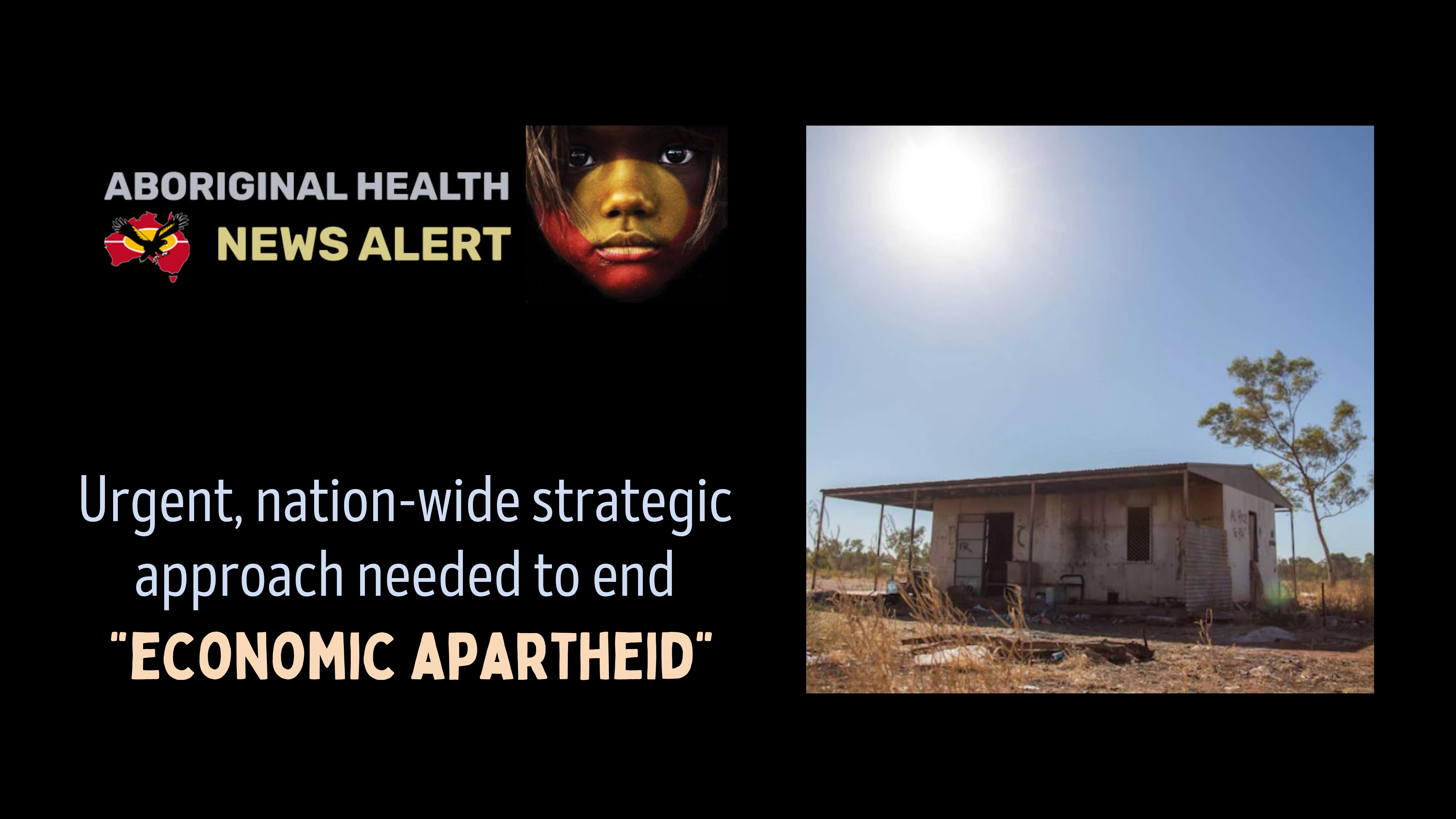
Image in feature tile is of shack outside of Tennant Creek. Image source: ABC News.

Time to end First Nations “economic apartheid”

Experts from The Australian National University (ANU) have raised alarm bells about the “economic apartheid” facing Aboriginal and Torres Strait Islander peoples and are calling for an urgent, nation-wide strategic approach to ensure their economic self-determination. This is the key theme of a landmark series of events to be held this week and led by the ANU First Nations Portfolio.

A first for Australia, the forum and symposium will chart the path to First Nations Australians’ economic development, wealth creation and a self-determined economy. Professor Peter Yu AM, Vice-President First Nations at ANU, said Australia remains the only Commonwealth country to have never signed a treaty with its Indigenous people.

To view the ANU’s media release Time to end First Nations “economic apartheid” in full click here.

A town camp outside Alice Springs, NT. Photo: Children’s Ground. Image source: The Guardian.

Children protection system under fire

Every year, Australia’s child safety departments remove thousands of children from their parents on the grounds they are not safe at home and need urgent protection. In doing so, the government becomes their guardian, taking responsibility for their lives. Far from being safe, some of these children are then preyed upon by the very people the government has vetted to look after them.

Indigenous children are 10 times more likely to be removed from their families. Departmental policy dictates that they are then placed with Indigenous carers to maintain contact with their culture, but that doesn’t always happen. Instead, Aboriginal children can languish in care hours from their land while some workers dismiss signs of sexual abuse in First Nations children as “cultural” behaviour.

Lisa Wellington from Aboriginal women’s health and welfare organisation Waminda said the child protection system had been failing Indigenous families since it had been set up. “In order for change to happen, the department needs to engage with the Indigenous community and listen to the families and walk alongside them,” she said.

To view the ABC article Bad Parent in full click here.

Image source: Aboriginal Family Legal Services website.

Health reform issues for new government 

Is Australia on the verge of a long-awaited and sorely needed move towards cooperative federalism to drive health reform? Encouraging noises to this effect have emerged from the first National Cabinet meeting (Friday 16 June) since the Federal election.

The NSW Premier said there had been “a real focus of working with the States and Territories in relation to substantive health reform going forward” something that had “been in the too-hard basket for too long.” The Queensland Premier said it had been “a refreshing change to be able to discuss health. Previously, we have tried to get this on the agenda. We’ve got a PM who listens and understands that health is a big issue and it is a national issue that’s affecting everybody across our nation”.

The Victorian Premier said: “…on behalf of every nurse, every ambo, every doctor, every patient in Victorian public hospitals I want to thank the Prime Minister. Politics was put aside at this meeting and we’ve put patients first and that is the most important thing. Now, the test for all of us will be to work hard in the weeks and months to come, to come up with practical ways in which we can make the system work as a true system.”

Associate Professor Lesley Russell will monitor the efforts of the Albanese Government to deliver on their election commitments in health, healthcare, Indigenous health and climate change (and in fact any issue that improves the health status and reduces the health disparities of Australians).

To view the Croakey Health Media article The Health Wrap: as National Cabinet sets a course for health reform, here are some key issues to address in full click here.

Image source: Choose Your Own Health Career website.

Call for action against racism, racial violence 

A Brisbane author brought her defiant call to action against racism and racial violence to Cherbourg last week, welcoming South Burnett community members to the Ration Shed Museum for a workshop on her 2021 book ‘Another Day in the Colony’. ‘Another Day in the Colony’ has attracted praise from fellow academics as well as members of the public, who commend the author on her uncompromising truth-telling and exposure of Australia’s intolerance.

“While I work as an academic, the book was written just for anyone to read – I wanted to write for mob and wanted my kids to be able to read it, regardless of whether they got a degree or not,” Dr Watego explained. “The thing that’s really hit me is mob getting back to me and saying ‘you wrote what I feel! You gave a language to what I already knew but didn’t know how to express.’

“Mob have been really moved by it, and that’s what I wanted to do – I wanted to speak to the souls of blackfellas. That’s the beautiful part: not the reprints, but the imprint it’s had on the community.”

To view the Burnett Today South, Central & North article Cherbourg Celebrates book tour in full click here.

Dr Chelsea Watego and her book Another Day in the Colony.

Top 3 men’s health questions

In celebration of Men’s Health Week (13-19 June 2022), Dr Lucas de Toca from the Australian Government Department of health has spoken on how family history and lifestyle impact our health and provides tips to help maintain a healthy lifestyle. The three top questions answered by Dr de Toca are:

  • What is Men’s Health Week?
  • How can men build healthier outcomes and reduce the risk of chronic disease?
  • How can men better engage with Australia’s health services?

To view the Department of Health’s Top 3 Qs article click here.

Health conference abstracts FINAL CALL

A final call for abstracts for the upcoming Ngar-wu Wanyarra Aboriginal & Torres Strait Islander Health Conference is being put out. The closing date is just one week away – COB Monday 27 June 2022.

For further event information click here and to register to present click here.

Adam Goodes (virtually attending) and Sue-Anne Hunter will be keynote speakers at The 7th Annual Ngar-wu Wanyarra Aboriginal & Torres Strait Islander Health Conference.

Mob left out of low unemployment figures

The National Employment Services Association says First Nations people and other disadvantaged Australians are being left out of record low unemployment figures. Last week the Australian Bureau of Statistics (ABS) data reported unemployment remained at a record low 3.9% in May.

The real numbers were much higher. The employment rate among Indigenous Australians is considerably lower than it is for the rest of the population. Many First Nations people have historically been excluded from statistical analysis such as employment figures. Historically Aboriginal Torres Strait Islander peoples unemployment rates have sat fairly consistently at three times that of their non Indigenous counterparts.

Discrimination is a factor in the employment of Aboriginal and Torres Strait Islander people. That is ever so slowly changing so that disparity you know is trending in the right way, but not rapidly. To view the National Indigenous Times article Industry peak body calls out Indigenous exclusion in latest unemployment rates in full click here.

Image source: Monash University Lens website.

New process for job advertising

NACCHO have introduced a new system for the advertising of job adverts via the NACCHO website and you can find the sector job listings here.

Click here to go to the NACCHO website where you can complete a form with job vacancy details – it will then be approved for posting and go live on the NACCHO website.

17 June 2022

NACCHO Chair addresses FECCA conference

Earlier this morning NACCHO Chair Donnella Mills addressed The Federation of Ethnic Communities’ Councils of Australia (FECCA) 2022: Advancing Multicultural Australia conference. The event is Australia’s premier conference on multiculturalism, diversity and inclusion, and migration and hosts multicultural communities, policy makers, service providers, academics and many more over two days of presentations, speakers and topics.

Ms Mills said, “It is important that when we are talking about today’s systemic racism in the health system, we understand two fundamental points. The first is that Aboriginal and Torres Strait Islander peoples are foremost and always Aboriginal and Torres Strait Islander peoples. We have our own distinct identities, languages and beliefs about what contributes to health and wellness and what causes sickness. Australia’s health system, however, is built around the identities and beliefs of the white settler and their western model of health and wellness and causes of sickness. This immediately puts Aboriginal and Torres Strait Islander peoples on the back foot in accessing health care in Australia. For us to access mainstream health services, we are required to suspend our own beliefs and cultures and adopt or accept the western model of health.”

You can access Ms Mills’ speech in full here. For more information about the FECCA2022 conference click here.

ACCHO CEO awarded honorary doctorate

Aboriginal Medical Services Alliance NT (AMSANT) has issued a media release saying it is proud to acknowledge the awarding of an Honorary Doctor of Arts to its Chair and Central Australian Aboriginal Congress Congress (CAAC) CEO, Donna Ah Chee, by Charles Darwin University yesterday. The award took place at a ceremony in Mparntwe (Alice Springs) where she has lived and worked for the past 30 years.

AMSANT CEO, Dr John Paterson congratulated Ms Ah Chee on her well-deserved honour in recognition of her significant contribution to the health of First Nations peoples. “Donna has distinguished herself through the outstanding leadership she has provided to the Aboriginal community-controlled health services (ACCHS) sector, including many years as CEO of CAAC and as Chair and Director of AMSANT”, Dr Paterson said.

“Her leadership has also been recognised through many high-level appointments to boards and advisory bodies in Aboriginal health and related areas, including the NACCHO, the NT Aboriginal Health Forum and the NT Children and Families Tripartite Forum. “Donna has been a driving force in the development and expansion of the model of Aboriginal comprehensive primary health care delivered by our ACCHSs and broader reforms of the health system that together are required to achieve better health outcomes for our people. Her passion and significant contribution in the areas of early childhood development, education, health research and reducing alcohol harm have been widely recognised.”

To view AMSANT’s media release AMSANT Chair, Donna Ah Chee, awarded Honorary Doctorate in full click here.

Donna Ah Chee. Image source: Health Voices Journal of the Consumers Health Forum of Australia.

Remote houses are dangerous hot boxes

In remote Indigenous communities that are already very hot and socioeconomically disadvantaged, climate change is driving inequities even further. New research, published in the Medical Journal of Australia shows how higher temperatures in remote Indigenous communities in the NT will drive inequities in housing, energy and health.

Existing housing in remote areas is old and poorly constructed. In many remote Indigenous communities in the NT, you don’t need a building permit or even a qualified builder to build a house. Houses have missing doors, boarded-up windows, no air conditioners, are often un-insulated, have failed plumbing and have been poorly maintained over decades. These houses become dangerously hot as climate change bears down.

The researchers conclude the solution is Indigenous communities need a say; buildings need to be climate resilient; energy needs to be safeguarded and houses need to be maintained.

To view The Conversation article How climate change is turning remote Indigenous houses into dangerous hot boxes in full click here.

Shoddy NT remote homes lethal

Indigenous Australians living in remote, shabby housing with unstable electricity connections in the NT’s extreme heat are enduring life-threatening conditions. A research paper published this month in the Medical Journal of Australia found that Indigenous Australians with chronic diseases who depend on cool storage and electrical equipment are vulnerable to dying earlier.

The study was conducted by the ANU in partnership with the Julalikari Council Aboriginal Corporation in the NT, where extreme heat stress has become a reality in the past few years. ANU researcher Simon Quilty says excessive heat, poor housing, energy insecurity and chronic disease have reached critical levels and a multi-sector response is needed to avert catastrophe. He says a constant electricity supply is often a luxury, rather than a right.

“Most houses in remote communities are old, poorly constructed and poorly maintained,” Dr Quilty said. He said tenants pay rent for houses with no doors, no windows and no insulation in the ceiling, falling well below national building codes. “All of the houses in these communities rely on pre-paid power cards and as a result there are extreme rates of electricity disconnection, making those with chronic disease particularly vulnerable,” Dr Quilty said.

To view the Kyabram Free Press article Shoddy homes lethal to Indigenous patients in full click here.

Unserviced shacks in Tennant Creek shelter some people on the public housing waiting list. Photo: Samantha Jonscher. ABC News.

Diabetes epidemic hits Central Australia

The latest health research has shown type two diabetes in remote Aboriginal communities has reached epidemic proportions, with children as young as four diagnosed. The rates of type 2 diabetes in remote communities are some of the highest in the world and getting worse, according to new research released by the Menzies School of Health Research.

Menzies researchers examined seven years of health data from 21,000 Aboriginal people across 51 remote communities in the NT. It found a staggering 40% of adults in Central Australia now have the condition, which can cause kidney disease, heart disease, strokes, impaired vision and amputations due to infections. 29% of the Aboriginal adult population in the rest of the Territory are also living with the condition. In 2020 it became the leading cause of death in communities, and those diagnosed with it are getting younger.

Shiree Mack and her family have lived with type two diabetes for years and many of her extended family are also battling the condition. With younger generations increasingly affected, she says the time for change is now. “The effects are huge and our little people are getting diagnosed at five and six,” she said. Ms Mack said any proposed solutions need to come from the community. “Let’s listen to the community let them tell us what will work. They know.”

To view the SBS NITV article Diabetes epidemic hits Central Australia in full click here.

The Mack and Ross families from Alice Springs are all living with type two diabetes as the number of cases in the Centre skyrocket. Image source: NITV.

Integrating kidney health into patient care

Chronic kidney disease (CKD) affects one in 10 Australian adults. For Aboriginal and Torres Strait Islander peoples, the prevalence is even higher, affecting nearly one in five adults. CKD contributes to 11% of all deaths and is associated with 37% of all cardiovascular deaths in Australia. However, the asymptomatic nature of CKD means it can be difficult to diagnose unless there is targeted screening for it. Timely management can slow or even prevent the deterioration in kidney function, and improve cardiovascular outcomes. GPs are in a prime position to detect and diagnose CKD early. This involves targeted screening and performing investigations that are mostly already part of regular clinical practice.

Dr Tim Senior, GP at Tharawal Aboriginal Corporation, clinical senior lecturer at the University of Western Sydney Medical School and CKD expert in general practice says that “Rather than seeing the kidneys as a single, separate, complex and difficult organ, it is straightforward to integrate them into the overall care of your patients along with other organ systems. You’ll find, for instance, that what’s needed to diagnose CKD is largely already what you’re doing for other conditions like cardiovascular disease and diabetes. So when you assess your patients for risk factors and test for cardiovascular disease and diabetes, you should also think of their kidneys.”

To view the NPS MedicineWise article CKD – Integrating kidney health into patient care in full click here.

Dr TIm Senior. Image source: RACGP newsGP.

Indigenous assistant minister sworn in

Indigenous Australians assistant minister Malarndirri McCarthy has vowed health outcomes for First Nations people will be placed at the forefront of the Albanese government’s bid to close the gap. The NT senator was sworn into the ministry by Governor-General David Hurley at Government House on yesterday.

Senator McCarthy said commitments taken to the election campaign focused on health policies, but also included improving access to education and job opportunities for people in regional and remote communities. A key focus would be closing the gap in life expectancy between Indigenous and non-Indigenous people, with better health outcomes being essential to improving the lives of First Nations people.

Senator McCarthy said she will be working closely with Indigenous Australians Minister Linda Burney – who was appointed to cabinet – on progressing a constitutionally enshrined voice to parliament in the government’s first term.

To read Yass Tribune article Indigenous assistant minister sworn in in full click here.

Malarndirri McCarthy with her partner Richard and their children following her swearing-in at Parliament House. Photo: AAP, Image source: SBS News.

Indigenous Eye Health Conference

Health leaders from Aboriginal and Torres Strait Islander communities, who recently attended a national eye health conference, called on non-Indigenous Australians to support efforts to establish an Indigenous led approach to closing the gap in eye health. The 2022 National Aboriginal and Torres Strait Islander Eye Health Conference (NATSIEHC22), co-hosted by Indigenous Eye Health (IEH) at the University of Melbourne and Aboriginal Medical Services Alliance Northern Territory (AMSANT), took place on Larrakia country in Darwin from 24–26 May 2022.

The conference theme, Our Vision in Our Hands, was reflected in a consistent call for “greater leadership and ownership of eye health by Aboriginal and Torres Strait Islander people, along with the shift in power that is necessary to produce the outcomes that we are all working towards”.

One of the conference co-chairs, Anne-Marie Banfield, who is the National Manager of Engagement and Awareness at Hearing Australia said that while First Nations peoples must play a key role in leading eye health initiatives that improve outcomes in their communities they cannot do this on their own – non-Indigenous people are needed as allies to “amplify the voice of Aboriginal and Torres Strait Islander people”.

To view the mivision The Ophthalmic Journal article Making Change: Indigenous Eye Health Conference in full click here.

New process for job advertising

NACCHO have introduced a new system for the advertising of job adverts via the NACCHO website and you can find the sector job listings here.

Click here to go to the NACCHO website where you can complete a form with job vacancy details – it will then be approved for posting and go live on the NACCHO website.

14 June 2022

Image in feature tile is of Tristan who features in an Australian Government Department of Health Twitter post, saying “It’s best that we all get the 715 check.”

Men’s Health, Our Way – Let’s Own It!

Earlier this morning NACCHO released the following media release to mark Men’s Health Week 2022:

Men’s Health, Our Way – Let’s Own It!

Men’s Health Week 2022: Building Healthy Environments for Men and Boys

In the 2022 Men’s Health Week, the National Aboriginal Community Controlled Health Organisation (NACCHO), draws attention to the importance of improving health outcomes for Aboriginal and Torres Strait Islander men, across Australia.

The Aboriginal community-controlled health sector has made vast changes to outreach, education, and engagement with men, providing a wide range of preventative and early intervention, and culturally sound men’s programs that address critical social and emotional issues that some men face.

Donnella Mills, NACCHO Chair, states, ‘Our goal is for Aboriginal and Torres Strait Islander males to live longer, healthier lives and we urge them to visit their local Aboriginal Community Controlled Health Services more often to discuss their health.’

Aboriginal and Torres Strait Islander men access primary health care services at the lowest rate, compared to other Australians, and health statistics indicate they have the poorest health outcomes in Australia. Research shows there are various barriers for Aboriginal men accessing health services including, societal related issues such as, stigma and gender differences; cultural differences, including language, beliefs, and law; logistical challenges, such as distance and transportation; trust in health services, financial challenges, and individual reasons including, health understanding, previous experiences and illnesses, self-esteem, and confidence, etc.

Ms Mills said, ‘The theme of this year’s National Men’s Health Week, Building Healthy Environments for Men and Boys is about the importance of Aboriginal Community Controlled Health Services creating a holistic, culturally safe and engaged space for men to discuss and treat their health issues.

‘NACCHO are committed to reducing the rate of hospitalisations, which is almost three times higher than for other Australian men; and reducing suicide rates, which is one of the highest leading causes of death for Aboriginal males in this country.’

Chris Bin Kali, NACCHO Deputy Chair, said, ‘NACCHO works alongside the Aboriginal Community Controlled Health sector to ensure quality health services reach all Aboriginal and Torres Strait Islander people, in a culturally appropriate and safe environment. Ongoing support from governments to ensure these services continue, are essential.

‘A great way to check on your overall health is with a 715 Health Check that our health services offer, and I would stress the importance to get them done regularly for our men! The 715 Health Check assesses your overall health with the aim to provide health care matched to your specific needs via early detection, diagnosis, and intervention for common, treatable conditions. It is designed to support the physical, social, and emotional wellbeing of Aboriginal and Torres Strait Islander patients of all ages.’

Case study Yerin Eleanor Duncan Aboriginal Health Services, NSW:

The Yerin Men’s Group sessions are a local group that partner with other Aboriginal health organisations and host a session every month touching upon various issues that support men’s business, sharing knowledge, assistance and guidance amongst each other.

The Glen Drug and Alcohol Rehabilitation centre recently joined the Men’s Group session to share their personal stories and assist with information. In March, they invited Yadhaba Aboriginal Health Workers and community Elders to host a day of yarning about mental health and well-being and fishing on Country.

You can access this media release on NACCHO’s website here.

Image source: Australian Nursing & Midwifery Journal.

Apunipima hosts Men’s Health Summit

Apunipima Cape York Health Council (ACYHC) is hosting its annual Cape York Men’s Health Summit in Hope Vale this week. The event will see 120 males from all over Cape York descend on Elim Beach for a week of camping with a focus on men’s health. The theme of the week is ‘growing together as fathers, providers and protectors’ and there will be a range of activities and discussions throughout the week, focusing on men’s business with a host of talented guest speakers presenting over the whole week.

“We’re very excited about the return of the Apunipima Men’s Health Summit in 2022. We haven’t been able to hold a Men’s Summit for the last two years due to Covid, so there’s been a lot of interest in this year’s event. Our male staff are excited to be hosting so many men from across the Cape and providing a space where they can come together to talk about issues that are important to them,” said Apunipima CEO, Debra Malthouse.

Headlining the week will be one of FNQ’s funniest comedians, Sean Choolburra. The very popular former cultural dancer will address the summit with his unique blend of history, cultural knowledge and spiritual wisdom, delivered with loads of energy and plenty of cheek. Also speaking throughout the summit will be BBM Cairns’ National TalkBlack radio host Trevor Tim, former Gold Coast Titans player Davin Crompton and more including academics, athletes, motivational speakers and health industry professionals.

The event runs all week from Monday 13 to Friday 17 June, 2022.

To view the ACYHC’s media release Apunipima Hosts Men’s Health Summit in Hope Vale in full click here.

Elim Beach, 25km east of Hope Vale. Image source: ACYHC.

Life expectancy improvement too slow

The main point of an editorial from the current online issue of the Medical Journal of Australia is that while it is possible to Close the Gap, current efforts are inadequate. Life expectancy for Indigenous people is improving, but closing the gap remains unacceptably slow

Although recent boosts to funding are welcome, much more needs to be done by the Commonwealth to fill service gaps with ACCHOs and by jurisdictional governments on social determinants especially housing, justice and education. In key matters like housing, national leadership would be welcome and it may be time to reintroduce National Partnership Agreements. Despite the editorial comments referencing an NT article, it has national relevance.

You can read the editorial Life expectancy for Indigenous people is improving, but closing the gap remains unacceptably slow in full click here.

Photo: Chloe Geraghty. Image source: Amnesty International Australia website.

Qld mob to have bigger healthcare say

Indigenous Queensland communities are set to have a much bigger say on their own healthcare and housing needs, as well as how their children are educated. The state’s 26 Indigenous councils will soon start deciding how Queensland government services such as health care, housing and education are delivered.

Advisory panels will be appointed in each Indigenous community within two years to advise the government. Aboriginal and Torres Strait Island Partnerships Minister Craig Crawford says the move is an important step towards self-determination. “Progressing local solutions and decision-making with Aboriginal people and Torres Strait Islander people is critical for communities to thrive,” he said yesterday. The new Local Decision Making Bodies (LDMBs) will be told how much money the government is investing in each community. Information will include details such as how much is spent on services, the amount of funding for each service contract, who is delivering the contracts, and whether they employ local people.

To view the Northern Beaches Review article Qld Indigenous to be handed more control in full click here.

Image source: Northern Beaches Review.

Funding for eating disorders research

Sydney’s first eating disorders research and translation centre is offering a nationwide grant opportunity to progress prevention, treatments and support in partnership with research, lived experience, clinical and community experts. The Australian Eating Disorders Research and Translation Centre, led by InsideOut Institute at the University of Sydney, has launched the IgnitED Fund to unearth new ideas that have the potential to solve the problem of eating disorders. IgnitED is offering grants of up to $25,000 to develop and test innovative ideas that have potential to improve outcomes for people with eating disorders and their loved ones. It is the Centre’s first funding initiative following the $13 million grant awarded in January to establish the new national centre.

According to the Centre’s Aboriginal and Torres Strait Islander Co-Lead, Leilani Darwin, First Nations Australians are believed to experience high rates of eating disorders, disordered eating and food insecurity issues. People with lived experience expertise and Aboriginal and Torres Strait Islander peoples are encouraged to apply for the grants. To view The University of Sydney Faculty of Medicine and Health News article National eating disorders centre ignites research fund for new solutions in full click here.

Additional $400m NSW CTG funding

The NSW Government has announced $401 million in additional funding over four years in the 2022-23 Budget, to prioritise Closing the Gap and other projects that improve outcomes for Aboriginal people across the state. Premier Dominic Perrottet said the significant investment reflected the need for a fresh approach to meaningfully shift the dial on Closing the Gap targets.

It’s clear traditional Government-led approaches haven’t worked. This needs to be done hand-in-hand with Aboriginal communities, who know best what changes need to be made to help communities thrive, Mr Perrottet said. That’s why we’ve worked in partnership with Aboriginal stakeholders to co-design a suite of initiatives across all areas of Government to make a greater difference.

To view the media release $400 million to empower Aboriginal communities & deliver outcomes in full click here.

Image source: Canberra Times website.

TB treatment safe during pregnancy

Seven out of 10 pregnant women were cured of their multidrug-resistant tuberculosis and delivered healthy babies after taking a medication that had previously been considered unsafe in pregnancy, a new Curtin and Telethon Kids Institute study has found. Published in JAMA Network Open, the study examined the experiences of 275 pregnant women with multidrug-resistant tuberculosis living in South Africa, Peru, Brazil, Iran and Uganda.

Lead researcher Dr Kefyalew Alene, from the Curtin School of Population Health and Telethon Kids Institute, said the study had found a medication used to treat multidrug-resistant tuberculosis, Linezolid, was associated with favourable pregnancy outcomes and high treatment success. “This is the first comprehensive review of treatment outcomes for multidrug-resistant tuberculosis in pregnant women, who remain one of the most vulnerable groups among the half a million people living with the disease globally,” Dr Alene said. Dr Alene said the study answered a challenging global issue of when to treat pregnant patients living with multidrug-resistant tuberculosis.

You can view the full paper Treatment Outcomes Among Pregnant Patients With Multidrug-Resistant Tuberculosis’ online here and the Curtin University article Study finds TB treatment during pregnancy is safe for mum and baby here.

Image source: SBS NITV website.

HESTA Excellence Awards nominations open

HESTA has opened nominations for the 2022 HESTA Excellence Awards to celebrate exceptional professionals working in disability, allied health, aged care and community services in Australia. With a $60,000 prize pool on offer, the national Awards celebrate professionals from the four sectors who are going above and beyond the everyday high-quality care they provide to achieve outstanding health outcomes for Australians.

HESTA CEO Debby Blakey said coming out of the pandemic and adapting to a ‘new normal’ has demonstrated the critical importance of these professionals to protecting and supporting our communities and our economic recovery. “Our world has changed so much these past few years and through it all, these amazing professionals adapted and innovated to continue supporting our communities, our families and our nation to keep us safe and healthy,” Ms Blakey said.

“Each year we’re privileged to find and recognise incredible people and organisations for their exceptional work. I’m very proud of the platform HESTA and these Awards provides to help share their stories and draw attention to the extensive impact these individuals have had on so many lives.” Anyone working in the four sectors – allied health, disability services, aged care or community services – and who are involved in the delivery of exceptional care or service can nominate or be nominated.

Nominations are open for both the Outstanding Organisation and Team Excellence categories. Independent judging panels comprising industry experts will select finalists and choose a winner from each sector and for each category. Nominations will close at midnight on Sunday 14 August 2022. 

For more information or to submit a nomination, visit the HESTA Awards webpage here.

New process for job advertising

NACCHO have introduced a new system for the advertising of job adverts via the NACCHO website and you can find the sector job listings here.

Click here to go to the NACCHO website where you can complete a form with job vacancy details – it will then be approved for posting and go live on the NACCHO website.

World Elder Abuse Awareness Day

World Elder Abuse Awareness Day (WEAAD) is commemorated each year on 15 June to highlight one of the worst manifestations of ageism and inequality in our society, elder abuse. Elder abuse is any act which causes harm to an older person and is carried out by someone they know and trust such as a family member or friend. The abuse may be physical, social, financial, psychological or sexual and can include mistreatment and neglect. In many parts of the world elder abuse occurs with little recognition or response. It is a global social issue which affects the health, well-being, independence and human rights of millions of older people around the world, and an issue which deserves the attention of all in the community.

In Australia the safety of older Aboriginal people and a better understanding of Elder abuse prevention is a clear priority as the number of Aboriginal and Torres Strait Islander people aged 55 years and over is increasing and is projected to more than double from 59,400 in 2011 to up to 130,800 in 2026. Identifying and measuring Elder abuse in Indigenous settings is challenging. The Australian Institute of Family Studies (2016) reported that mainstream conceptualisation of elder mistreatment requires reconsideration in Indigenous contexts; substantially more work and the collection of quality and consistent data is required to better understand Elder mistreatment amongst Indigenous peoples. There are no precise statistics on the prevalence of Elder abuse in the Aboriginal population in Australia and the strategies which would be effective in preventing this abuse have not been identified.

You can read more about Aboriginal and Torres Strait Islander Elder abuse in the South Australian Health & Medical Research Institute report What keeps you safe: approaches to promote the safety of older Aboriginal people here. You can also access a range of resources associated with the The Queensland Government’s Together we can stop elder abuse campaign, including the video below here.

10 June 2022

Save money on medicines, register for CTG scripts

As of 1 July 2022, Aboriginal and Torres Strait Islander people must be registered correctly with Services Australia Health Professional Online Services (HPOS) to continue to claim benefits for their medicine scripts, through the Closing the Gap (CTG) Pharmacy Benefits Scheme (PBS) program.

Unfortunately, not all patients who previously received CTG prescriptions were transferred to the new database, resulting in some people paying more for their medicines.

Check with your local doctor or health service today, to help register you as soon as possible to avoid paying full price for medicines from 1 July.

Dr Dawn Casey, Deputy CEO NACCHO said, “We welcome the reforms to the CTG PBS database but are concerned not all eligible patients have been correctly registered. Potentially thousands of patients may have to pay more for medicines on 1st of July, so please check your registration with your pharmacy and doctor now.”

For further information about the CTG PBS program click here.

The Department of Health reminder letter regarding the CTG PBS program can be found here.

Download this poster that you can put up at your services here and images for Facebook/Twitter here and Instagram here.

We urge you to please do share this across all your networks.

200+ years of injustice – is redress likely?

Opinion columnist David Fickling leads a recent article with ‘Talk is easy. Political change is hard. In Australia, it’s more than two centuries overdue.’ He goes on to write: ‘Claiming victory in last month’s election, new PM Anthony Albanese’s first words were a vow to redress the unfinished business from the colonial invasion of 1788. His promise to “commit to the Uluru Statement from the Heart” — a set of political demands from Indigenous groups, first outlined in 2017 — puts Australia on the path to the most substantive constitutional change it’s seen in more than half a century. If the resulting referendum succeeds, the country may wind up with a new First Nations elected chamber, an array of treaties with state and federal governments, and a truth and reconciliation commission.

Adopting the Uluru Statement would ensure Indigenous people are “given a seat at the decision-making table where it comes to laws and policies that affect us,” Dani Larkin, a legal lecturer at the University of New South Wales and Bundjalung and Kungarykany woman. Megan Davis, a Cobble Cobble woman and constitutional lawyer instrumental in the drafting of the Uluru Statement, wrote in a 2015 essay on the halting process of reform saying  “Public policy no longer requires the imprimatur of the Aboriginal people; Aboriginal participation in the decisions taken about their lives is negligible.”

To view the The Print article How Australia is likely to redress two centuries of injustice towards indigenous groups in full click here.

Photo: Luas Cosh, AAP. Image source: The Guardian.

Coonamble ACCHO needs a dentist

The Coonamble Dental Surgery remains without a resident dentist and the Coonamble Aboriginal Health Service (CAHS) says that the hole left by the departure of the last dentist is a problem for the whole community. “The previous dentist left in December for bigger and better things,” said CAHS CEO Phil Naden. “That left us in a challenging position to recruit a permanent dentist and we’ve been relying on locum dentists since before Christmas.”

According to Mr Naden, CAHS have been pulling out all stops to find a new permanent dentist and the package on offer is very competitive, “We’ve tried every avenue we can think off over the last 6 months to make it as attractive as possible in competition with other areas, but we are challenged with recruiting a full time dentist. While it is CAHS’ responsibility to recruit a dentist, ensuring that the service continues, oral health is closely linked to chronic disease and if we can’t have treatment locally the matter is a community issue and we need some longer term solutions.”

To view the Coonamble Times article Dentist vacancy starting to bite article in full click here.

CAHS Executive Assistant Beau Ewers with one of the chairs at Coonamble Dental Surgery in need of an on-site dentist. Image source: The Coonamble Times.

‘Go Rural’ program inspires medical students

The Rural Doctors Network (RDN) recently took 20 medical, nursing and allied health students on a number of immersive excursions to GP clinics, hospitals and multipurpose services. The trip’s western region leg spanned from Dubbo to Nyngan, Cobar, and Wilcannia. Research published in the Medical Journal of Australia showed rural exposure during medical training was key to getting medical students to consider leaving capital cities for the bush after graduation.

A massive part of that effort is educating, familiarising future healthcare workers with the unique healthcare needs Aboriginal people living regionally. RDN Future Workforce Manager Chris Russell said communicating the importance of Aboriginal Medical Services, and the role they played in the whole community, was best done in person. “It allows [students] to get some insight into Aboriginal culture and people and the specific healthcare needs they have,” he said.

To view the ABC News article Rural road trip gives health students a taste of life and work in western NSW amid staff shortage in full click here.

The students toured Dubbo Base Hospital as part of the Rural Doctors Network ‘Go Rural’ program.Photo supplied by the NSW Rural Doctors Network. Image source: ABC News.

Public drunkenness health-based response

The Andrews Labor Government is ensuring the right programs and systems are in place to help people who are drunk in public get the support they need to stay safe. Minister for Health Martin Foley today announced $50 million over two years to continue the trial site operations that will help develop a health-based response to public drunkenness ahead of the state-wide rollout of the reforms.

Four trial sites will begin operating in the City of Yarra, City of Greater Dandenong, City of Greater Shepparton and Castlemaine from mid-year onwards and be managed in partnership with local health services and Aboriginal organisations. These trials will inform how a new public health model will be rolled out across the state. The investment will provide outreach services in all four trial locations and sobering facilities in Yarra, Dandenong and Shepparton – ensuring intoxicated people are transported to a safe place where they can receive appropriate support.

To read the Victorian Health Minister’s media release Delivering a Health-Based Response to Public Drunkenness click here.

Family of Tanya Day – a mother, grandmother and proud Yorta Yorta woman – who died in a holding cell after being arrested for public drunkenness. Photo: Nicole Asher, ABC News.

Nominate a mental health hero

With the pressures of COVID-19 restrictions, followed by the current cost of living crisis, the work of mental health professionals has rarely been so important. Now is the time to put them in the spotlight and recognise the amazing work they do in communities across Australia. On Tuesday 14 June 2022, nominations will open for the Australian Mental Health Prize, which seeks to recognise the important and ground-breaking work that many Australians do in this area.

This year, the prize has expanded to accept nominations in four categories:

  • Aboriginal or Torres Strait Islander: To recognise and celebrate outstanding Aboriginal or Torres Strait Islander mental health leadership at a national or community level;
  • Lived experience: To recognise and celebrate outstanding mental health leadership by someone with lived experience of mental health, either personally or as a supporter, at a national level;
  • Professional: To recognise and celebrate outstanding mental health leadership in the clinical, academic or professional sectors at a national level; and
  • Community hero: To recognise and celebrate outstanding mental health leadership at a state or community level.

Henry Brodaty, Professor of Ageing and Mental Health at UNSW, said “While we will continue to recognise people who have dedicated their lives to improving the mental health of Australians, we specifically wanted to shine a light on the incredible work of Aboriginal and Torres Strait Islander mental health leaders. People with lived experience have so much insight and wisdom to share. We also wanted to recognise our community heroes, as a great deal of innovative work begins at a grass-roots level in local communities.”

You can nominate a deserving Seymour and district-based mental health professional by visiting the UNSW Sydney Australian Mental Health Prize webpage here.

You can view the Kyabram Free Press article Honouring Seymour’s mental health heroes in full here.

Suicide prevention consultation in Balgo community, WA. Photo supplied by KAMS. Image source: NIT website.

Healing Circle facilitator training program

When the COVID-19 pandemic hit in 2020, causing shockwaves of isolation and trauma throughout Australia, Kultchafi Managing Director Ara ‘Julga’ Harathunian made a commitment to support the healing of individuals and communities right across the nation. Two years later, an innovative and ground-breaking Healing Circle Work Facilitator Training program has been officially launched. The training will be showcased again at the National Rural Health Alliance’s 16th National Rural Health Conference in August and at the 23rd International Mental Health Conference being held by the Australian and NZ Mental Health Association (ANZMA) in September.

“My wife, Aboriginal Elder Aunty Cheri ‘Yingaa’ Yavu-Kama-Harathunian, devoted her life to the development of Healing Circle Work right up until her passing in December 2019. We had always committed to share this work for the highest good of others,” says Ara. “Healing Circle Work is not a therapy, but therapeutic outcomes are experienced. It is a healing process based on an ancient Aboriginal and Torres Strait Islander methodology. Participants learn to live life in the moment, recognising and understanding their own spirituality, and reaffirming themselves. It is suitable for any trauma, and for Indigenous and non-Indigenous men and women.”

To view the Partyline article Kultchafi healing training rolls out across Australia in full click here and the Kultchafi website page here.

New process for job advertising

NACCHO have introduced a new system for the advertising of job adverts via the NACCHO website and you can find the sector job listings here.

Click here to go to the NACCHO website where you can complete a form with job vacancy details – it will then be approved for posting and go live on the NACCHO website.

9 June 2022

Image in feature tile by Tom Joyner, ABC Goldfields showing patient hooked up to dialysis machine.

Diabetes burden still impacting mob

Diabetes is the fastest growing chronic disease condition globally. Type 2 diabetes has reached epidemic proportions, with the greatest burden falling on socially disadvantaged groups and Indigenous peoples. The Australian Indigenous HealthInfoNet’s latest Review of diabetes among Aboriginal and Torres Strait Islander people focuses primarily on type 2 diabetes among Aboriginal and Torres Strait Islander people.

The high levels of type 2 diabetes in many Aboriginal and Torres Strait Islander communities reflect a broad range of historical, social and cultural determinants, and the contribution of lifestyle and other health risk factors. It provides general information on the social and cultural context of diabetes, and the behavioural and biomedical factors that contribute to diabetes among Aboriginal and Torres Strait Islander people. There is growing concern regarding the emergence of type 2 diabetes in Aboriginal and Torres Strait Islander children and adolescents.

The review includes information about incidence and prevalence data; hospitalisations; mortality and burden of disease; the prevention and management of diabetes; relevant programs, services, policies and strategies that address the health issue of diabetes among Aboriginal and Torres Strait Islander people.

To view a summary of the review in plain language, a one-page factsheet and a short animated video below of the key points from the review you click here.

AH&MRC wins governance award

Last night Reconciliation Australia, the Australian Indigenous Governance Institute, and the BHP Foundation proudly announced the winners of the 2022 Indigenous Governance Awards. The Awards share and promote success from Aboriginal and Torres Strait Islander communities and organisations around Australia.

CEO of Reconciliation Australia, Karen Mundine said that following a rigorous judging process, the Aboriginal Health & Medical Research Council (AH&MRC) Human Research Ethics Committee based in Sydney was named the winner of Category 1 – Outstanding examples of Governance in Indigenous led non-incorporated initiatives. The AH&MRC is the peak body for Aboriginal controlled health services in NSW and the Ethics Committee helps ensure that Aboriginal people are at the centre of Aboriginal health research. “The Ethics Committee helps ensure that Aboriginal people are at the centre of Aboriginal health research, and provides an Aboriginal lens to make sure that research is conducted ethically and in a culturally safe way,” Committee Co-chair, Dr Summer May Finlay said.

To view the Reconciliation Australia article in full click here and watch a video about the AH&MRC Human Research Ethics Committee below.

Missing piece of chronic pain puzzle

The patient experience isn’t what we thought it was, and Aboriginal and Torres Strait Islander health research is showing us better ways to treat it. An important factor has been missing in the assessment of pain, according to Dr Manasi Murthy Mittinty who practices at the Pain Management Research Institute at the Royal North Shore Hospital.

“More and more research shows us that we need to take a biopsychosocial approach to managing pain,” she says. “It is very much a person-centered approach. ‘One size fits all’ doesn’t work for pain.” Dr Mittinty’s pain research has taken her around the world including studies with patients from India, First Nations people from Appalachia in the United States and with Aboriginal and Torres Strait Islander people from SA. She says culture and spirituality are missing aspects in the conventional assessment and treatment of pain.

Dr Mittinty has some helpful tips for GPs, including a new understanding of conventional pain assessment scales. “Most of the pain measurement we use clinically and research has never been adapted for Indigenous communities. The questions we pose to the patient do not always relate to, or reflect, their lived experiences,” she says.

You can listen to the Medical Republic podcast A missing piece of the chronic pain puzzle here.

Image source: Medical Republic website.

Greg Inglis on mental health

He’s one of the greatest rugby league players of all time, but when football injuries put him on the bench Greg Inglis’ mental health started to slip. Former NRL player and Dhungutti man, Greg Inglis has been running the Goanna Academy the first accredited and Indigenous-owned mental health organisation in Australia. The Goanna Academy was designed to help end the stigma surrounding mental health and improve social capacity to identify, talk about, and manage mental health for all Australians – in particular at risk groups such as Regional Males, Youth, and First Nations communities.

The Goanna Academy (est. 2020) is representative of Greg’s life after football – showing his commitment to giving back to the community and improving the mental health outcomes of Australians. The Academy gives Greg the opportunity to share his personal journey and own battles with mental illness with the ambition to inspire and influence others – especially within his own culture, the Indigenous community.

You can listen to the Greg Inglis’ interview with Fi Poole on ABC Coffs Coast radio here. You can also access the Goanna Academy website here.

Poor food choices – a colonisation legacy

The ongoing impacts of colonisation complicates healthy diets and relationships to food for First Nations people in semi-regional areas, a new study has found. The Sax Institute study tapped into local Aboriginal medical services in Western Sydney and Wagga Wagga, where it found food security concerns were not just an issue in remote Aboriginal communities. “Often people when they think of food insecurity, maybe they think of the more extreme food insecurity where people are starving,” said Wotjobaluk woman and lead author of the  study Simone Sherriff.

Ms Sherriff said fast food was often favoured over healthy options, which caused a direct link between financial disadvantage and weight gain, obesity and chronic disease. “A family spoke about how they’ve got so much going on in their lives and stress and things sometimes you just need to make sure the kids are fed,” she said. “That’s going down to the corner shop and getting $5 of hot chips.”

Ms Sherriff heard stories of taxis avoiding certain areas and difficulties with public transport limiting options when there was no family car. She said those accessing food relief services at times felt targeted for taking too much when trying to provide for extended family. Some were also deterred by the lasting impact of the Stolen Generations. “People are really afraid to go and tell a white organisation I’ve run out of food, I can’t afford to feed my family, can you help me,” Ms Sherriff said. “(They are) just so fearful to tell people because they’re worried their kids will be taken.”

To view the National Indigenous Times article How colonisation has left a legacy of poor food choices for First Nations people in full click here.

Nominate those making a difference 

The Purple House story began with paintings by Papunya Tula artists from Walungurru and Kiwirrikurra. Auctioned in 2000, these paintings raised more than $1 million to kick start a new model of care based on family, country and compassion. Since then, the Purple House has been making families well. An entirely Indigenous owned and operated service, Purple House offers remote dialysis, social support, aged care services and the NDIA and it runs a bush medicine social enterprise called Bush Balm.

Purple House has transformed Central Australia from having the worst to the best dialysis survival rates. For service to community health, remote area nursing and to the Indigenous community, CEO Sarah Brown has been appointed a Member of the Order of Australia.

People from all parts of Australia and all backgrounds are honoured and celebrated through the Order of Australia, but they all have one important thing in common – someone nominated them. All nominations are made by members of the Australian community. If you know someone who is making a positive difference in your community, your nomination could help celebrate them. Visit the Governor-General of the Commonwealth of Australia Australian Honours and Wards webpage here and complete a nomination form today.

To view the Australian Government Department of Health’s Award-winning healthcare for Western Desert communities webpage click here.

Sarah Brown AM, CEO Purple House. Image source: ABC News.

Stayin’ On Track resource for young dads

Stayin’ On Track is a collaborative community-based project, working with funding from Young and Well Co-operative Research Centre, the University of Newcastle NSW, and Microsoft. The website was created by a group of Aboriginal dads who got together and shared their experiences about fatherhood. They wanted to pass on useful information and tips to other young dads for support. The stories shared centre on themes about pride in being a father, tough times, culture, the emotions on finding out they would be a dad, feeling down, and who their role models are. Stayin’ On Track showcases some of these stories and aims to acknowledge dads who are doing great work and sharing their insights with other young dads.

You can visit the Stayin’ On Track website here and hear what other young dads have to say about the real stuff of fathering at a young age.

COVID-19 conference early bird registration due

The Australasian Society for HIV Medicine (ASHM) is hosting the 2nd Australasian COVID-19 Conference. This two-day face-to-face conference will be held at the Sheraton Grand Sydney Hyde Park from Thursday 21 to Friday 22 July 2022. The conference theme is “Taking stock of our COVID toolkit”: researchers from an array of disciplines, specialist clinicians, epidemiologists and community members have developed new and harnessed existing tools to comprehensively address prevention, treatment and management of COVID-19/SARS-COV-2 and evolving challenges presented.

Professor Sharon Lewin, AO, Director of the Peter Doherty Institute; Professor Allen Cheng, ID physician, epidemiologist/statistician, President ASIDANZ and Program Chair Associate Professor Edwina Wright, AM, of the Alfred Hospital and Monash University will convene the conference. The recently released program for the conference can be found here.

The early bird DEADLINE for registration is Sunday 12 June 2022. The early bird registration is a savings of $100 so it is worth getting in early. The registration fee also includes dinner on the first night of the conference as well as morning/afternoon tea and lunch each day.

New process for job advertising

NACCHO have introduced a new system for the advertising of job adverts via the NACCHO website and you can find the sector job listings here.

Click here to go to the NACCHO website where you can complete a form with job vacancy details – it will then be approved for posting and go live on the NACCHO website.

8 June 2022

Note: image in the feature tile is of Sharana Turner and her daughter Collette seeking treatment for influenza at Maningrida. Image source: ABC News.

Maningrida flu outbreak worsens

Maningrida. a remote NT Indigenous community is medically evacuating two residents a day as the Top End deals with a “tsunami” of flu cases during its worst outbreak in years. For the past week, one or two people have been flown out of Maningrida — 370 kms from Darwin on the north coast of Arnhem Land — each day due to a severe outbreak of influenza. “These are unprecedented numbers in volumes per day,” local health clinic manager Jessica Gatti said. “The flu season definitely has come a lot earlier and a lot harder than was anticipated, so we didn’t have the opportunity to do a mass vaccination,” she said.

She said management of the flu outbreak was much different to COVID-19. “With COVID-19, there had been so much pre-preparation going into it and we had so many policies and procedures and workflows around how we were going to internally manage an outbreak,” Ms Gatti said. “The flu outbreak is definitely worse in the sense that it’s a huge strain on the staffing and on the patients in that [we’re] trying to see them all in a timely manner.

AMSANT CEO John Paterson said Maningrida was not the only community struggling to contain outbreaks of influenza. He said the flu season normally peaked in August or September in the NT. “For some unknown reason, it’s arrived early and it’s caught our clinicians a little bit off guard,” Mr Paterson said.

To view the ABC News article Two patients a day evacuated from Maningrida as flu outbreak worsens in Northern Territory in full click here.

Maningrida on Arnhem Land’s north coast is experiencing a severe influenza outbreak. Photo: Hamish Harty, ABC News.

Galambila receives health and wellbeing funding

Galambila Aboriginal Health Service, which works in and around Coffs Harbour and Bellingen, is one organisation on the Mid North Coast receiving a share of $834,000 that has been granted to eleven regional charities and community groups by the Newcastle Permanent Charitable Foundation for projects improving health and social wellbeing for those most in need, and initiatives supporting disadvantaged and at-risk young people.

Tracy Singleton, CEO at Galambila Aboriginal Health Service said “It’s about improving health and closing the gap. We are looking at ten families every term, so 60 families over twelve months, which is a fair goal. Our footprint takes in Coffs Harbour and Bellingen shires across Gumbaynggirr country – though Gumbaynggirr country is much bigger than that. We have a population of over 5,000 Aboriginal people in our area and I think that if we can reach 60 families that’s a really good start.”

The program will be based around early childhood development. “We may start with something like hearing and bring in speakers and have playgroups where we bring Aboriginal and Torres Strait Islander families together, that live on Gumbaynggirr country, and they’ll be able to talk through issues that they actually deal with that may not be issues the broader community deal with, so they’re not going to be isolated in what they bring to the table.”

To read the News Of The Area article Galambila Aboriginal Health Service Granted Funding For Health And Wellbeing Program in full click here.

Image source: Galambila Aboriginal Health Service website.

Jail now rehab for First Nations women

A drug and rehabilitation facility to be established in remote Australia is finally offering women battling addiction the chance to seek treatment with their family and on country. Yetta Dhinnikkal Centre, a former prison, sits on more than 10,000 hectares in Brewarrina in north-west NSW and has been vacant since its closure in 2020. The property is now being handed back to the First Nations community for two vital purposes; to become a women’s rehab facility and to be used by the Ngemba Traditional Owners for cultural and agricultural purposes.

The Orana Haven Aboriginal Corporation has taken on the role of turning the former prison into a rehab exclusively for women and will allow them to remain with their children while receiving residential care. Acting CEO Tracy Gordon said there was a serious shortage of services for women struggling with addiction. “We’ve had numerous phone calls for a women’s rehab as well calls to see whether we take all of the family as well,” Ms Gordon said. “It’s just hard when you have to say no, we don’t have the services available. We have eight beds in this area for women to get help with drug or alcohol dependency,” Ms Gordon said. “We provide detox for females but from there, they have to go away.”

To view the ABC News article Jail turned rehab facility in remote NSW offers new hope for First Nations women battling addiction in full click here.

The former prison’s infrastructure will be repurposed into a rehabilitation facility. Image source: ABC News.

Tasmania to raise age of detention

The Tasmanian Minister for Education, Children and Youth, Roger Jaensch, has announced that Tasmania’s minimum age of detention will be raised from 10 to 14 years. This will be one key element in our plan to build a nation-leading, best practice approach to young people in conflict with the law. We know that detention does not support rehabilitation or reduce the likelihood of re-offending for younger children. Early exposure to a detention environment can also further traumatise young people, expose them to problem behaviours of older detainees and increase criminal networks.

You can view Minister Jaensch’s media release in full here.

Amnesty International Australia welcomed the announcement with their Indigenous Rights Advisor, Rodney Dillon, saying: “although we don’t have a lot of detail on the plans at this stage, Amnesty welcomes this significant step in a smarter approach to justice. Putting children in prisons causes irreparable harm, governments know this, but continue to allow children to be subject to this treatment. That the Tasmanian Government has recognised that children don’t belong in prison, and there are alternatives to dealing with crime, is a huge step forward.”

You can view Amnesty International Australia’s media release Tasmania’s commitment to raise the age of detention to 14 welcome, Time to raise the age of criminal responsibility here.

Ashley Youth Detention Centre, Tasmania. Image source: The Examiner.

NT on alert for Japanese encephalitis

NT residents and visitors are being reminded to protect themselves from mosquito bites following an increase in the number of feral pigs that have tested positive for Japanese encephalitis (JE) in the Top End region. Since March 2022, 44 feral pigs infected with JE have been detected in the Victoria Daly, Litchfield, Marrakai-Douglas Daly and Cox-Daly region, as well as the Tiwi Islands.

Nina Kurucz, Director of the Medical Entomology Unit, NT Health, said JE is a serious disease spread by mosquitoes that can infect humans and animals, such as pigs, horses and some birds. “The highest risk period for being bitten by an infected mosquito is after sundown within five kilometres of wetlands where feral pigs and water birds potentially infected with JE are present,” Ms Kurucz said.

To view the NT Government NT Health media release NT on alert for Japanese encephalitis click here and for further information about the Japanese encephalitis virus you can access the Australian Government Department of Health Japanese encephalitis virus (JEV) webpage here.

Launch of national standard of sepsis care

You are invited to the online launch of the first national Sepsis Clinical Care Standard, hosted by the Australian Commission on Safety and Quality in Health Care.

Sepsis is a life-threatening condition that is difficult to recognise. Early action saves lives and reduces the risk of serious complications and death. The after-effects of sepsis extend beyond the acute crisis, posing challenges for coordinated follow-up in hospital and post-discharge.

Join the webcast from 12:00PM – 1:00PM AEST Thursday 20 June 2022 to hear the experts discuss timely recognition of sepsis, systems to support time-critical management, the ongoing effects of sepsis, and the importance of multidisciplinary, coordinated sepsis care.

This event, The event will be hosted by broadcaster and commentator Julie McCrossin AM, is relevant to all healthcare professionals who may need to recognise and respond to sepsis on the ward, in the emergency department or in pre-hospital and community settings.

To register for the webinar click here.

New Health Professional Education Resource

Health Professional Online Services (HPOS) HPOS is an internet based portal, providing a simple and secure way for health professionals and organisations to do business with government online. HPOS enables online self-service access to government programs, payments and services. You need a Provider Digital Access (PRODA) account to access HPOS. The Health Professional Education Resources Gateway contains an a vast and growing range of customised educational resources for health professionals.

A new education resource that examines HPOS in now available. This new simulation, HPOS Fundamentals, gives providers and their delegates,

  • An insight on setting up HPOS,
  • Overview of the key HPOS features, and
  • Closer analysis of some specific HPOS features.

To view and learn more about the new simulation click here and for further information about the new HPOS education resource click here.

New process for job advertising

NACCHO have introduced a new system for the advertising of job adverts via the NACCHO website and you can find the sector job listings here.

Click here to go to the NACCHO website where you can complete a form with job vacancy details – it will then be approved for posting and go live on the NACCHO website.

7 June 2022

Note: the mage in the feature tile is of Winston, a traditional owner, land manager, artist and Aboriginal Health Worker from Blackstone (Papulankutja) community in the Ngaanyatjarra Lands of WA, who was first diagnosed at Kings Canyon during an outreach screening service for Aboriginal rangers. His dense cataract caused him to go blind in his left eye, which he kept shut to keep out the painful glare. Image source: The Fred Hollows Foundation website.

Health Minister’s to-do list is packed

Dr Tim Woodruff, a specialist working in private practice, has written an article for Croakey Health Media arguing that when it comes to delivering better healthcare and better health for Australians, the new Federal Government has a lot of work to do. Dr Woodruff  says the government’s intention to review the NDIS is desperately needed, and if improvements introduced are the right ones, this will also help public hospitals by limiting unnecessary admissions and time in hospitals. It will also make primary healthcare for those with disability much easier to access and co-ordinate.”

Dr Woodruff goes on to note that “Primary healthcare is in increasing disarray. The GP workforce is aging and unable to provide adequate timely access. Co-ordination of care is chaotic even when access to the spectrum of care is available. Primary Health Networks are improving but have quite limited capacity, and fee for service funding is inappropriate for chronic disease.”

Dr Woodruff points out that ACCHOs and 80 Community Health Centres in Victoria who have demonstrated the success of different models of primary healthcare provision need to be supported and expanded. Co-ordination and integration are key elements for these services, rather than optional add-ons as they often are in standard GP-led practices, and primary prevention is an integral part of such practices.

To view the Croakey Health Media article Memo to Minister Mark Butler and colleagues: your to-do list is packed in full click here.

Image source: Croaky Health Media.

Labor’s Indigenous affairs agenda

Alongside reforms in Indigenous health, housing, welfare and the justice system, Labor is committing to a referendum on the voice to parliament in their first term of government, all spearheaded by the first Aboriginal woman in cabinet – the new Minister for Indigenous Australians, Linda Burney.

Guardian Australia’s Indigenous affairs editor, Lorena Allam, spoke to Linda Burney about how Labor intends to keep these promises in a podcast available here.

Linda Burney. Phto: Blake Sharp-Wiggins, The Guardian.

Pat Dodson on the Uluru Statement

Yawuru man Patrick Dodson has been at the forefront of change for much of his life. Well-known for his role at the helm of the Council for Aboriginal Reconciliation in the 1990s, the Broome-based Labor Senator has also played significant roles in the fields of Aboriginal deaths in custody, native title and research. In 2019 he was widely tipped to become Australia’s first Aboriginal Federal Indigenous affairs minister before a shock result delivered the election to the Liberals and Ken Wyatt was elevated to the job.

Now, finally part of a government in office, Mr Dodson has been appointed a new role as Special Envoy for Reconciliation and the Implementation of the Uluru Statement. From the Heart campaign director Dean Parkin said Mr Dodson’s appointment was well-deserved, “having his wisdom, experience and expertise involved in this in a very direct way is a great development and hugely encouraging for our prospects of success.” Mr Parkin, who is of the Quandamooka peoples of Minjerribah (North Stradbroke Island) in Queensland, said Indigenous-led decision making was vital to making progress. “A voice to parliament making sure people from those communities are sitting at the table advising the politics and the bureaucrats is the best way to make progress in Closing The Gap,” he said.

To view the National Indigenous Times article Father of reconciliation Pat Dodson turns eye to Uluru Statement in new role in full click here.

Senator Pat Dodson. Image source: National Indigenous Times.

Mob in city for medical care risk homelessness

Aboriginal people from regional WA visiting Perth for medical care are at risk of homelessness and relying on aged care facilities for accommodation in the city, a parliamentary inquiry has heard. During a recent inquiry into the financial administration of homelessness services in WA, Moorditj Koort Aboriginal Corporation told the panel chaired by Liberal MLC Peter Collier there was a “terrible increase” in individuals and families facing homelessness.

Moorditj Koort deputy chief executive Annie Young said at least one in every 10 clients was at risk of or already of homeless. “We have people with other issues including justice issues, they are involved with the Department of Child Protection, there are compounding issues as well,” she said. Ms Young said rental stress was acute for those accessing Centrelink and on low incomes. She encouraged the inquiry to also examine overcrowding and its impact on health of residents.

To read the National Indigenous Times article Aboriginal people visiting Perth for healthcare forced to rely on aged care system, inquiry told in full click here.

Raymond Ward (right) talks with Freddie in his shelter which he shares with up to six other people at the Tent City homeless camp in Perth. Image source: Daily Mail Australia.

Top 3 questions – flu vax and pregnancy

Chief Nursing and Midwifery Officer, Professor Alison McMillan has given a presentation on why it’s important for women to get the flu vaccine when they are pregnant. In the presentation Professor McMillan answers the following questions:

  • Is it safe for women to receive a flu vaccination at any stage of their pregnancy?
  • What potential adverse reactions should pregnant women be aware of following the flu vaccination?
  • Does getting the flu vaccination while pregnant protect unborn babies from flu?

For further information you can access the Australian Government Department of Health’s webpage Top 3 questions – Flu vaccination & pregnancy with Professor Alison McMillan here.

Clinical Yarning program about trust

Clinical Yarning — a Mid West-led approach to build more trusting relationships between patients and clinicians — is set to keep spreading the word after receiving a funding injection. The research program, a patient-centred healthcare framework that marries Aboriginal cultural communication preferences with biomedical understandings of health and disease, will receive a share of $2.3 million in funding after being awarded an Implementation Science Fellowship.

Dr Ivan Lin, senior lecturer at the Geraldton-based WA Centre for Rural Health (WACRH), which is part of the University of WA, was one of four recipients of the fellowship, which are conducted in partnership with the WA Country Health Service (WACHS). “(Clinical Yarning is) designed to address long identified issues reported by Aboriginal people when accessing health services, by improving health providers communication with these communities,” Dr Lin said.

To view the Sound Telegraph article Mid West-led Clinical Yarning program receives State Government funding boost thanks to fellowship in full click here. You can also view Professor Dawn Bessarab in the video below introducing the Clinical Yarning eLearning Program.

Jimmy Little’s early death to kidney disease

Dr James “Jimmy” Oswald Little AO was born on 1 March 1937. The eldest of seven children, he was raised on Cummeragunja Mission Station on the Murray River. The Yorta Yorta/Yuin man first picked up a guitar at 13, taking to it quickly he was playing local concerts in just a year. In 1955 he took the leap and moved to Sydney, pursuing a country music career. By 1956, he had signed to Regal Zonophone Records and recorded his first single Mysteries of Life/Hearbreak Waltz.

In 1963, Little hit the big time with his cover of gospel song Royal Telephone which hit #1 Sydney and #3 in Melbourne. Its success made history, being the first song by an Indigenous artist to hit the mainstream. Little was hitting his stride at a time when his people weren’t counted as citizens. In 1989, Little received the National Aboriginal Day of Observance Committee’s Aboriginal of the Year award, in 2002 he was named NSW Senior Australian of the Year, and in 2004 he was the recipient of the Australia Council Red Ochre Award. The same year he received an Order of Australia for his health and education advocacy and was recognised as a “living Australian treasure” via public vote.

In 1990, Little was diagnosed with kidney disease which led to kidney failure and Type II diabetes. In 2006 he established The Jimmy Little Foundation. “Unfortunately, I didn’t get check-ups often enough or soon enough to realise the possibility that my kidneys could fail,” he said. “I have seen too much fear and sadness caused by the early death and suffering from potentially preventable chronic illnesses by my Indigenous brothers and sisters. “I started The Jimmy Little Foundation to do something positive to curb the rate of chronic disease.” On April 2, 2012 Little died at Dubbo home, aged 75.

To view the NITV article Google pays homage to Indigenous music icon, Jimmy Little in full click here.

Dixon Patten’s Jimmy Little dedicated graphic for Google. Image source: SBS NITV website.

New process for job advertising

NACCHO have introduced a new system for the advertising of job adverts via the NACCHO website and you can find the sector job listings here.

Click here to go to the NACCHO website where you can complete a form with job vacancy details – it will then be approved for posting and go live on the NACCHO website.

6 June 2022

Image in feature tile is of Stan Grant. Image source: The Monthly.

Stan Grant on knowing how to live well

Wiradjuri and Kamilaroi journalist Stan Grant delivered an impassioned and eloquent keynote address reflecting on the scars of colonisatio at the recent Royal Australian and NZ College of Psychiatrists Congress in Sydney. Grant said that after years of “dragging my history around with me”, which took “an enormous toll”, he decided to leave Australia – a “foreign country, for other people” where he never felt he belonged. “I felt a great sense of liberation, freed from the history of this country and what it does to us, written on our bodies,” he said.

Overseas, reporting on the legacies of “colonisation, empire, dictators and despots, kings appointed by foreign powers”, he recognised in oppressed people, “positioned on the other side of history”, a familiar grief where “only the afflicted know the truth. I saw the eyes of my own family, people for whom all certainty had been removed, who cou;ldn’t believe in the promise of Western liberalism and all it purported to deliver,” he said. Grant reflected on the cumulative trauma of growing up Aboriginal in Australia, culminating for him in a breakdown whilst posted overseas with an “irrepressible surging wave” to end his life. Grant seeing a psychiatrist was very important in his recovery, but absolutely nothing was as important as “standing on my land.”

To view Croakey Health Media article Yindyamarra winhanganha – the wisdom of respectfully knowing how to live well in a world worth living in click here.

You can also watch a video below of Stan Grant delivering a National Reconciliation Week 2022 Keynote Address.

NACCHO CEO welcomes end of cashless debit card

Labor will push ahead with plans to abolish the cashless debit card scheme with Social Services Minister Amanda Rishworth saying last week that she was in discussions to terminate the program, which was a Labor election commitment. She pledged to work with communities to find “better local solutions”. The decision followed an Australian National Audit Office ­report released on Thursday last week which highlighted a lack of evidence to demonstrate the effectiveness of the scheme. “The former Coalition government spent more than $170m on the privatised cashless debit card – money that could have been spent on services locals need,” Ms Rishworth said.

Implemented under the ­Abbott government in 2016, the scheme was designed to encourage socially responsible behaviour by quarantining 80% of a person’s welfare payments on a debit card to prevent it being spent on alcohol and gambling. It was initially introduced in Ceduna, SA, East Kimberley and the Goldfields in WA, and then ­expanded to Bundaberg and Hervey Bay in Queensland. The cost of the program reached $36m in 2020–21, with nearly 17,000 people participating as of February this year.

Pat Turner AM, NACCHO CEO, said the scheme had caused “unnecessary embarrassment” for Indigenous Australians. “I certainly welcome the scrapping of the cashless debit card,” she said. “The Auditor-General’s report confirms what we already knew and why we were so opposed to the scheme. It’s simply poor public policy to run trials as the former government did for five years.”

The above has been extracted from an article by Jess Malcolm’s Cashless welfare card to be folded article published in The Australian on Friday 3 June 2022.

Image source: Crikey, 3 June 2022.

Using culture to turn suicide tide

Rocked by a spate of suicides, Shepparton’s Aboriginal community is using culture to turn the tide It began in October 2021 when a group of Shepparton’s First Nations community members came together in a backyard to figure out how to change the situation on youth suicide rates in town. “We had a cuppa and said, ‘what are we going to do about this?’,” Yorta Yorta woman and founding member of Dunguludja Dana Jean Miller said. “Our kids have been exposed to way too much trauma here, and something needs to be done.” Shepparton is home to the largest Aboriginal community and one of the highest rates of suicide in regional Victoria. Jean Miller said last year the community experienced about seven suicides by youth in just two months. This is when Dunguludja Dana was formed with a purpose to change the numbers. “It’s a Yorta Yorta word for strong pathways or strengthening journeys, and that’s what we want to do, that’s our vision,” Jean Miller said. “It was just about trying to engage our youth and let them know that no matter what life path they’re currently on, there’s always someone that loves them and cares and wants to support them.“ It could be a friend, it could be a cousin, it could be someone they knew in their school, but the impact is a ripple effect.”

To read the National Indigenous Times article in full click here.

Each Wednesday, the group run three sessions where First Nations students partake in painting, drawing, charcoal, and burning art – as well as creating possum skin cloaks. Image source: National Indigenous Times.

Undrinkable water, casual racism the reality

Rebecca Davis, a Senior News & Features Writer for MamaMia, has written a lengthy article Undrinkable water and casual racism: The reality of Indigenous health in Australia. In the article Ms Davis includes several accounts from Indigenous women about:

  • undrinkable water contaminated with uranium in Laramba, NT
  • Betty Booth from Doomadgee who died after being given Panadol by the local hospital and told to go home
  • a Melbourne woman routinely soiling herself as her bathroom door is not wide enough for her walker

For her article Ms Davis spoke to Pat Turner, a revered figure; a Gudanji-Arrernte woman with a long history as an Indigenous and women’s rights activist. Aside from being CEO of NACCHO, she was the founding CEO of NITV, and is an advisor to the establishment of an Indigenous voice to government. NACCHO facilitates 144 ACCHOs across the country, bringing comprehensive primary health care to Aboriginal and Torres Strait Islander communities. It’s not just for Indigenous people – it’s largely run by them too, with more than half of their 6,000-strong staff of Aboriginal or Torres Strait Islander background.

Speaking with Mamamia from Darwin, Pat reflected on the impact of institutionalised racism that still plagues many state-run hospitals. “Many Indigenous people also discharge themselves against medical advice, which I think is a sign of being unhappy with how they are treated, and not having access to their families,” she says. “There is still a lot of unconscious bias and racism across the board, particularly where you have large numbers of Aboriginal clients, so it’s about getting staff that are more culturally competent. Some of the worst offenders are the nurses. They really have to smarten up their attitudes. They think they know everything, and they can be very direct and rude. A lot of Aboriginal people feel very confronted by that.”

To read the article in full click here.

Feature Image: Children from the remote Indigenous community of Laramba in the Northern Territory, a region affected by undrinkable tap water. Credit: Marianna Massey, Corbis via Getty Images, Mamamia.

Moves to save Coonamble’s Marrabinya program

Petitions are circulating in each of the western NSW communities served by the Marrabinya program as Aboriginal people react to a decision by the Western NSW Primary Health Network (Western PHN) to cease funding the service from the end of 2022. Marrabinya is a Wiradjuri word meaning “hand outstretched” and since 2016, the Aboriginal-run program has acted as brokerage service to assist Aboriginal people with a diagnosed chronic illness to access medical support services, even in the most isolated communities. The priority chronic diseases are heart disease, diabetes, respiratory disease, kidney and liver disease and cancer.

The Western NSW PHN are yet to issue a statement regarding the end of funding for Marrabinya’s program however, Coonamble Aboriginal Health Service CEO Phil Naden told the Coonamble Times that the situation was not all doom and gloom. “A major review was conducted and feedback provided from right around the region,” he said. “Whilst Marrabinya might not continue in its current form the service will not be lost.”

To learn more about the Marrabinya program you can listen to a podcast “Marrabinya – Aboriginal Health in Aboriginal Hands” here. You can also read the May 2022 Marrabinya News, including details of the Save Marrabinya Campaign 2022 here.

To view the Coonamble Times article Moves afoot to save Marrabinya in full click here.

Alarming STD-caused throat cancer

The prevalence of throat cancer caused by a prominent sexually transmitted disease among Indigenous Australians has been laid bare by new global research. University of Adelaide (UOA) researchers human papilloma virus-led throat cancer was 15 times more prevalent in Indigenous Australians than young non-Indigenous Australians, and five times higher than rates found in the US, Brazil, Mexico and Finland.

UOA Indigenous oral health unit director and Yamatji woman Joanne Hedges said Indigenous communities had worked closely with the researchers on the project. “Participants wanted to be part of this HPV project because they wanted to be part of change,” she said. “The theme coming out was, ‘I had a family member pass away with this throat sickness, and I don’t want to happen to any other Nunga in my community or my family’. There was a real strength of participation.”

HPV is normally associated with cervical cancer, but can spread to the throat, head and neck via oral sexual activities, and is increasing at a rapid rate globally. UOA Australian Research Centre for Population Oral Health director Lisa Jamieson said extending the study would allow a deep dive of the knowledge they had already learnt.

To view the National Indigenous Times article Alarming STD-caused Indigenous throat cancer statistic laid bare in new report in full click here.

Lisa Jamieson and Joanne Hedges (inset). Photo: University of Adelaide. Image source: University of Adelaide.

Home Stretch WA supports kids leaving OOHC

The WA State Government has committed $37.2 million to support the Department of Communities state-wide roll out of its Home Stretch WA program over the next three years. Home Stretch WA will support young people who exit the State’s child protection system at 18 years of age, until they turn 21, helping them successfully transition to independence. Research shows young people leaving care are at greater risk of unemployment, homelessness, mental health issues and interacting with criminal justice systems.

The Home Stretch WA program will provide flexible one-to-one individualised support focused on coaching young people towards independence. This support can include to obtain stable accommodation, enrol in further education, progress to work opportunities, identify where to access assistance in the local community, access health services, build support networks and improve financial skills.

The WA Department of Communities is looking forward to working in partnership with Yorganop Association Incorporated (Yorganop) to deliver Home Stretch WA to young Aboriginal people preparing to leave the child protection system  in the metropolitan area. Yorganop’s readiness to deliver Home Stretch WA is built from direct involvement in development of the ‘Nitja Nop Yorga Ngulla Mia’ (our boys and girls are staying home) model that formed part of the Home Stretch WA Trial.

You can view the WA Government Department of Communities article Young people to benefit from the state-wide roll out of Home Stretch WA click here.

Image source: WA.gov.au.

New process for job advertising

NACCHO have introduced a new system for the advertising of job adverts via the NACCHO website and you can find the sector job listings here.

Click here to go to the NACCHO website where you can complete a form with job vacancy details – it will then be approved for posting and go live on the NACCHO website.

31 May 2022

iSISTAQUIT helps pregnant young mums quit

This World No Tobacco Day (31 May 2022), Southern Cross University’s iSISTAQUIT project is launching a compilation of campaign video clips to raise awareness about the importance of culturally appropriate care in assisting young Aboriginal and Torres Strait Islander pregnant women to quit smoking. Tobacco smoking represents the most important preventable risk factor for chronic disease in Aboriginal and Torres Strait Islander People. About 44% of Aboriginal and Torres Strait Islander women smoke during pregnancy compared to 12% of their general population counterparts.

The initial six videos to be launched on the YouTube Channel iSISTAQUIT TV will showcase the importance of culturally appropriate care and communication in supporting women to quit smoking. Research has found education and advice on their own are insufficient, and women are needing practical help and support with quitting. iSISTAQUIT has also developed a training package to help equip health professionals to have culturally appropriate conversations with their patients. Currently there are 26 sites nationally that have undertaken the training.

You can view Donnella Mills, NACCHO Chairperson and Chair of Wuchopperen Health Service and the first Aboriginal person to win a Olympic Gold Medal, Nova Peris OAM have both released videos talking about the launch of the iSISTERQUIT films. Both mention how pleased they are that ACCHOs and Aboriginal and Torres Strait Islander community women were consulted during the early stages of the development of the iSISTERQUIT films. You can view Ms Mills’ video here and Ms Peris’ video here. You can also access the iSISTERQUIT website here.

Yarrabah community engaged in new wellbeing centre

A new health and wellbeing centre in the Aboriginal community of Yarrabah demonstrates the value of projects that engage the local community not only in building design but in ongoing economic opportunities. When People Oriented Design (POD), with Coburn Architecture, won the bid to design the new Gurriny Yealamucka Health and Wellbeing Centre (GYHWC) at Yarrabah, on the lands of the Gunggandji and Yidinji peoples, the question for co-director Shaneen Fantin was not how to meet what the contract required, but, “How far can we build on what the contract was asking us to do?”

The practice identified opportunities to maximize Indigenous economic benefits at multiple levels, exceeding the requirements for Indigenous employment, training, suppliers and engagement – and all within a tight contractual timeframe. The health centre was delivered without excessive cost blowouts and ahead of its scheduled delivery by the Indigenous-owned company H. C. Building and Construction. This was no small feat, particularly with the impact of COVID affecting building supply chains, construction programs and labour continuity.

According to Suzanne Andrew, chief executive of Gurriny Yealamucka Community Control Health Services, “Local input is not just about designing the building, it’s also about ensuring financial return to the community.” At Yarrabah, “there was a good vibe in the community around this building” because the community was aware that it was being undertaken by an Indigenous company – “giving jobs to mob.” H. C. gave back to the community by buying from local shops and sponsoring the local football team. The project also included a significant budget for local artwork.

To view the ArchitectureAU article Indigenizing practice: Maximizing economic benefits in full click here.

Gurriny means “good healing water” in the language of the Gunggandji peoples, and the design references water in the building siting, layout, finishes, external art screen and garden. Photo: Scott Burrows. Image source: ArchitectureAU website.

Deadly Choices exemplar of tobacco control

Marking World No Tobacco Day 2022, Australia’s National Coordinator of the Tackling Indigenous Smoking (TIS) Program, Professor Tom Calma AO has officially recognised Deadly Choices as a recipient of a World Health Organisation (WHO) award. Representatives of the Institute for Urban Indigenous Health’s (IUIH) Deadly Choices preventative health arm were on hand to accept the honour, which acknowledges efforts in promoting the dangers of smoking among Indigenous communities.

Professor Calma said “I would like to congratulate Deadly Choices for their WHO award which has recognised the program as the exemplar of how people should be going about tobacco control. Deadly Choices has won the global award for helping Mob from right across Australia give up smoking. The core work of Deadly Choices focuses on ensuring smoke-free homes and cars through health and education programs like the ‘Deadly Places – Smoke Free Spaces’ initiative in schools and community events, which align perfectly with this year’s World No Tobacco Day theme of ‘protecting the environment’. Ten years ago, smoking rates among Mob were 51%, now they’re down to 39%, but we can’t just focus on smoking cessation, we also need to focus on population health; to give people the right information to make good, healthy choices; to make Deadly Choices.”

World No Tobacco Day is an extremely important day to raise awareness in the community around smoking, to start a conversation and recognise the support that is needed among communities to give up tobacco use. “It’s an outstanding outcome to have our health education and promotional programs acknowledged globally, which reinforces the capacity of Deadly Choices to help close the gap in health and life expectancy outcomes among Aboriginal and Torres Strait communities from right across the country,” confirmed IUIH CEO Adrian Carson

You can view the IUIH media alert released yesterday here and access further details of the World No Tobacco Day 2021 award winners on the WHO website here.

Image source: IUIH South East QLD Twitter.

Elcho Island Elders celebrate new dialysis nurse

After the plane lands on Elcho Island’s tiny airstrip, Malawa Dhamarrandji’s mood visibly shifts to a sense of calm. The Yolngu Elder insists on walking down the plane’s isle without assistance. It has been years between visits home for Mr Dhamarrandji, who relies on nurse-assisted dialysis in Darwin to stay alive. “Here in my home town, I reckon it’s paradise,” he said. “There’s all the family, it’s all family – all my grandsons, granddaughters, everyone.”

Mr Dhamarrandji and his late brother spent decades advocating for nurse-assisted renal chairs at their island home,the large Arnhem Land community of Galiwin’ku. Now, a renal unit that has been sitting unused in the community for years has been staffed by a nurse from Indigenous-owned health service Purple House. The organisation recently chartered a plane for its Darwin-based patients who wanted to host a ceremony celebrating the unit’s opening. “For the future, children and adults, be careful what you’re eating,” Mr Dhamarrandji said at the ceremony. “Prevent the sickness, prevent the kidney sickness.”

To view the ABC News article Elcho Island Elders celebrate new dialysis nurse and treatment, bringing them home to families in full click here.

Dianne Biritjalawuy Gondarra is among the group that has been pushing for nurse-assisted dialysis. Photo: Felicity James, ABC News.

New ACT suicide prevention service

A new program to help reduce suicide, and the impacts of suicide, within the ACT’s Aboriginal and Torres Strait Islander community will be delivered by a lead Aboriginal community-controlled organisation service provider, Thirrili Limited. The program, which was an ACT Greens 2020 election commitment, will be delivered in partnership with the local postvention Way Back Support Service at Woden Community Service. Minister for Mental Health Emma Davidson said that Thirrili has been appointed as the service delivery provider through a community-led commissioning process to ensure culturally appropriate support is provided through this service.

To read the ACT Government media release New ACT Aboriginal and Torres Strait Islander suicide prevention, intervention, postvention and aftercare program click here.

The ACT Government has committed $1.28 million to the new Aboriginal and Torres Straight Islander Integrated Suicide Prevention, Intervention, Postvention and Aftercare Service over its first two years. Image source: Canberra Weekly.

Avoiding pre-term baby heartache

Starting life on an even field remains a challenge for Australian First Nations babies. The rate of stillborn and neonatal deaths for Australian First Nations babies is vastly disproportionate to that of non-First Nations babies. Not surprisingly, one of the leading causes of perinatal mortality for Australian First Nations babies is spontaneous preterm birth. Nationally, approximately 14% of babies born to First Nations mothers are preterm, compared with 8% of babies of non-First Nations mothers. The odds of preterm birth are increased when First Nations mothers have limited antenatal care and pre-existing medical conditions such as hypertension or diabetes.

The key to improving outcomes is by providing the best possible pregnancy care and this should not begin following a positive pregnancy test. Providing good health care to women in the preconception period is a vital step in making a difference to better pregnancy outcomes. It offers an important opportunity to address a multitude of factors that can affect the health of generations.

To read the National Indigenous Times article Healthcare key to avoiding pain of pre-term baby heartbreak for First Nations parents in full click here.

Image source: National Indigenous Times website.

Charity improves period product access

The Wurrumiyanga Women’s Centre on Bathurst Island in the NT has received a delivery of about 1,000 free period products to help women and girls in the community manage their periods. In remote Indigenous communities like this one, the cost of period products can be a massive barrier for many girls and women in managing their period. It’s not uncommon for packs of pads to retail for $15 or more. This delivery of period products is the 100th pallet of products distributed to remote Indigenous communities across Australia as part of the charity Share the Dignity’s Indigenous Menstrual Health program, in partnership with Libra.

Bathurst Island is part of the Tiwi Islands, located off the coast of the NT mainland. The delivery to the Wurrumiyanga community (Nguiui) coincided with World Menstrual Hygiene Day. Evita Puruntatameri, the Activities Supervisor at Wurrumiyanga Women’s Centre, said the exorbitant cost of pads and tampons is a challenge for many women and girls in the community. “Period products are incredibly expensive here on Tiwi so having support from Share the Dignity allows the women in our community to access products for free and in private,” Evita Puruntatameri said. “It makes such a massive difference to our health by not having to worry about the cost.”

To view the Women’s Agenda article This charity is working to give women better access to period products in remote Indigenous communities in full click here.

Cara Munn, Evita Puruntatameri, Sophia Tipuanantunirri (on ute), and Louise Kelantumama. Image source: Women’s Agenda website.

Significant inequities in paediatric health

Sydney Children’s Hospitals Network (SCHN) say they want to ensure they provide services that are culturally responsive and inclusive for all of the patients we see. “It’s important to work in partnership with Aboriginal families and communities to foster strong reciprocal relationships that are responsive to the individual needs of Aboriginal people and their communities,” says SCHN Aboriginal Health Outcomes and Equity Manager Natasha Larter. “Significant health inequities still exist in paediatric health care. A recent analysis of SCHN data revealed that Aboriginal children and young people accessing our hospitals and services are twice as likely to die while in our care, present to our ED in higher triage categories. In addition, they are more likely to require admission to ICU than non-Indigenous children and young people.

“Aboriginality is a significant factor in poorer health outcomes, however it is important to understand the multiple factors behind the severity on presentation, and redirect the focus to work with Aboriginal patients, families, communities and organisations to change this. For example, we know that Aboriginal children and young people arrive sicker and often later, perhaps because of historical factors that make them fearful of going to health services.

By working closely with Aboriginal patients, families, communities and organisations, we better understand their social and cultural needs, and be sensitive to their concerns upon presentation to our services. We can provide appropriate support, a respectful service that instils trust in our clinicians and enable timely treatment that contributes to reducing Aboriginal mortality, unplanned representation and need for admission. Reconciliation plays an important part in a positive return in health and wellbeing outcomes across the life course for Aboriginal children and young people.”

To view the SCHN article National Reconciliation Week in full click here.

Image source: WA.gov.au website.

New process for job advertising

NACCHO have introduced a new system for the advertising of job adverts via the NACCHO website and you can find the sector job listings here.

Click here to go to the NACCHO website where you can complete a form with job vacancy details – it will then be approved for posting and go live on the NACCHO website.