12 October 2021

feature tile text 'protect elders from COVID-19 or risk 'irreplaceable culture loss' & image of elder weaving

Concerns for irreplaceable knowledge loss

Indigenous artists, major arts organisations and Aboriginal health services are calling for a road map to protect Indigenous elders from dying from COVID-19 and the irreplaceable loss of culture and knowledge that would cause.

The organisations are worried that as Australia opens up and travel restrictions ease, the virus could reach more vulnerable remote communities. Lily Roy is a prominent senior weaving artist, traditional owner and also sits on the board of the Arnhem Land Progress Association and she founded the Milingimbi Art and Culture Centre on Milingimbi (Yurrwi) Island.

But Ms Roy, a grandmother to at least 35 children, is very concerned about what could happen to Indigenous people if COVID-19 spreads in remote communities, especially with some vaccine hesitancy still in the community. “[Of] course there’s a danger,” she said. “I’m a bit worried for my family, Indigenous people a bit worried.”

The CEO of the Arnhem, Northern and Kimberley Artists Aboriginal Corporation (ANKA), the peak advocacy body for Aboriginal artists and art centres across northern Australia, Christina Balcombe Davidson said there was a serious risk of losing culture, and even the extinction of languages, if elders die from COVID-19 in remote communities, which have little infrastructure, limited health services and overcrowded housing. “We are extremely concerned about safety for Aboriginal people and with them, for the culture that they are the custodians of,” she said.

To view the ABC News article in full click here.

Images in feature tile and above from Maningrida Arts and Culture Annual Report 2019-20.

Summary of Fact-based COVID-19 Communication Resources

The Australian Government Department of Health have prepared a suite of communication resources containing fact-based content about COVID-19 vaccines, including ones developed specifically for vaccine providers that work with Aboriginal and Torres Strait Islander patients.

The resources are referred to as myth busters because they have been developed to dispel some most common misinformation.

In the suite you will find social media content including images and suggested text, and a fact sheet that could be turned into separate posters/flyers as needed:

  • Facts about COVID-19 vaccines click here
  • Indigenous myth-busting resources click here
  • List of COVID-19 vaccine materials click here
  • List of resources developed for vaccine providers that work with Aboriginal and Torres Strait Islander patients click here
  • Suite of communication resources around COVID-19 vaccines download here and available to download as a pack on via Google drive share here.

Below is one of the videos in the suite of resources.

Third vax dose for immunocompromised

The Australian Technical Advisory Group on Immunisation (ATAGI) has created a document with recommendation on the use of the third primary dose of COVID-9 vaccine in individuals who are severely immunocompromised. To access the document click here.

vax vial, syringe

Image source: The Hill website.

Lowitja’s 20 new research grants

Lowitja Institute, Australia’s national institute for community controlled Aboriginal and Torres Strait Islander health research, has unveiled a landmark program of 20 new research grants that changes the way Indigenous health research is done in Australia.

Lowitja Institute CEO Dr Janine Mohamed said the $4.32 million 2021-2024 Lowitja Institute Research Program delivers research that is truly community-led, culturally-safe and self-determined and puts the cultural determinants of health at the heart of each project.

“Last year, Lowitja Institute fulfilled our long-held vision of becoming an Aboriginal and Torres Strait Islander community controlled organisation, allowing us to throw of the shackles of the old Cooperative Research Centres framework which had always required us to partner only with established research institutions,” Dr Mohamed said. “Being community controlled allows us to privilege our mob when it comes to allocating research funds. It means we can ensure Aboriginal and Torres Strait Islander people drive our research agenda and that we do the research our people want and need.”

The 2021-2024 Lowitja Institute Research Projects range from the world acclaimed Melbourne-based Short Black Opera to a focus on aged care in the Torres Strait and on children by the Marinwarntikura Women’s Resource Centre in Fitzroy Crossing. Projects will also explore the health impacts of out-of-home care and Indigenous community radio, and map Rainbow Mob cultures, knowledges, and experiences.

To view the media release in full click here.

Simple salt swap could save lives

A landmark study shows a simple salt swap could prevent millions of deaths.

High levels of sodium intake and low levels of potassium intake are widespread, and both are linked to high blood pressure and greater risks of stroke, heart disease and premature death.  Using a salt substitute – where part of the sodium chloride is replaced with potassium chloride – addresses both problems at once.  Salt substitutes are known to lower blood pressure but their effects on heart disease, stroke, and death were unclear, until now.

Lead investigator, Professor Bruce Neal of The George Institute for Global Health, said that the scale of the benefit seen in the study could prevent millions of early deaths if salt substitutes were widely adopted. “Almost everyone in the world eats more salt than they should.  Switching to a salt substitute is something that everyone could do if salt substitutes were on the supermarket shelves,’’ he said.

To view the article in full click here.

salt shaker, salt on bench with word salt spelt in salt

Image source: Mary Hare Hearing Services website.

RACGP looks at NT GP challenges

The RACGP are undertaking a tour of key locations in the NT, including Alice Springs and Central Australia, to understand GP workforce concerns. The RACGP said its mission is to learn from stakeholders in health care settings what challenges face the NT’s workforce and local communities.

RACGP vice president Dr Bruce Willett said that the RACGP understood the serious impact that a doctor shortage had on primary care services in the NT. “There are simply not enough GPs in the training and practising across the state, particularly in rural and remote areas,” Willet said. “Everyone deserves access to high-quality general practice care, regardless of their postcode. Without this, we see patients end up in hospital with much worse health issues that could have been managed in general practice.”

As part of a new transition plan, specialists colleges will once again be responsible for delivery of the Australian General Practice Training Program (AGPT). RACGP rural chair Dr Michael Clements said this change would improve the distribution and placements of GPs Australia wide.

To view the article in full click here.

Image source: Katherine Times.

Kidney disease voices sought

Are you or do you know an Aboriginal or Torres Strait Islander person living with kidney disease? Did you know that being of Indigenous descent puts you at higher risk of developing kidney disease? Has you doctor explained these risks to you?

The CARI Guidelines Workshop on the Management of Chronic Kidney Disease among Aboriginal and Torres Strait Islander people is seeking voices of lived experience.

Would you like to share your story to help education others to understand better what it is like living with kidney disease?

To view a flyer explaining how you can get involved click here and/or David Tunnicliffe here for more information.

New process for job advertising

NACCHO have introduced a new system for the advertising of job adverts via the NACCHO website and you can find the sector job listings here.

Click here to go to the NACCHO website where you can complete a form with job vacancy details – it will then be approved for posting and go live on the NACCHO website.

letters J O B S pinned to a cork board

World Sight Day

World Sight Day is this Thursday 14 October 2021. Given the varied impacts of the COVID-19 restrictions across different parts of the country, Vision 2020 have come up with a more nuanced message than in previous years. Taking a lead form the International Agency for the Prevention of Blindness (IAPB) messaging, they are  encouraging Australians to:

Take the pledge to #LoveYourEyes:

  1. Have an eye test as soon as you can.
  2. Don’t ignore changes in your vision.
  3. Maintain your ongoing treatment if you have an existing eye condition.

For more information about World Sight Day, including access to a suite of resources click here.

banner black heart with heart shape & text 'your eyes - 2021 World Sight Day' - background blue, purple, orange

9 October 2021

feature tile text 'historical factors impact first nations accessing traditional western healthcare' & image of doctor's torso, white lab coat, stethoscope in pocket

Historical factors impact healthcare access

A NSW Upper House committee examining the challenges in accessing medical services outside metropolitan areas has been told Aboriginal people are reluctant to access public healthcare in NSW because they believe they may not survive.

The Aboriginal Health and Medical Research Council gave evidence at the hearing about why Indigenous residents in rural and regional areas will not attend hospitals even if they are very ill.

“Historical factors impact on Aboriginal people accessing western, traditional healthcare services,” Associate Professor Peter Malouf from the Aboriginal Health and Medical Research Council told the inquiry.  “Aboriginal people have a fear factor of going into the health system because they’ve seen many Aboriginal loved ones and community members passing away.”

The Upper House committee was asked to recommend to the NSW government that the public health system works closely with Aboriginal medical services to improve the quality of care given to Indigenous residents.

Aboriginal youth receiving vax at Walgett AMS

The inquiry heard Indigenous people are fearful of the public health system. Photo supplied by: Walgett Aboriginal Medical Service. Image source: ABC News website.

ACCHO to build $7m new medical facility

An Aboriginal cooperative in Bendigo is set to receive more than $7 million to build a new mixed-use medical facility. The Bendigo District Aboriginal Co-Operative (BDAC) will use the funding to help expand medical services to meet growing demand.

BDAC’s new building will include 10 consulting rooms and three allied health rooms. BDAC chief executive Raylene Harradine said the new building will be built at the current site and will help expand current medical services to meet growing demand.

Director of BDAC Programs Dallas Widdicombe said when the site opened four years ago, BDAC had around 1,100 active patients. Now, more than 2,000 residents access the Aboriginal corporation’s health services. “Our wait times can be up to a month for a doctor’s appointment, because we can only have three doctors with our limited space,” Mr Widdicombe said.

To view the article in full click here.

 BDAC staff looking at building plans

Raylene Harradine, centre, inspects the plans for the new building with Maree Edwards (left) and Jacinta Allan (right). Photo: BDAC. Image source: ABC News.

Top COVID-19 vax questions

Dr Lucas de Toca, COVID-19 Primary Care Response First Assistant Secretary, has answered the top three COVID-19 questions asked on our social accounts.

Dr de Toca spoke about people 60 years and over getting the vaccine; some of the misinformation about the vaccine and infertility or risks during pregnancy; and how to protect kids from COVID-19 and whether kids can get COVID-19. You can listen to Dr de Toca below.

Mob overrepresented in road trauma statistics

Aboriginal and Torres Strait Islander peoples are overrepresented in road trauma statistics is one more reason there needs to be culturally appropriate countermeasures which prioritise self-determination and account for the social determinants of health. There are higher rates of death and serious injury on regional, rural, and remote roads, with fatality rates associated with crashes on very remote roads more than 13 times higher than fatality rates in our major cities.

Local governments, which are responsible for managing most of our road networks, will be critical to addressing road trauma outside of our major cities, and indeed at the national level. The work of state governments will also be crucial to develop integrated, holistic, nationally consistent solutions.

To view the Parliament of Australia media release in full click here.

roadside memorial

Six people have died in the past decade on a small stretch of the highway near Barunga, 300 kms SE of Darwin. Photo: Jano Gibson. Image source: ABC News website.

More needed to tackle Kimberley suicide rate

It has been 18 months since the WA government vowed to improve mental health services and tackle high Indigenous suicide rates in the state’s north, but Aboriginal health advocates say nothing has changed.

The state’s far-north has some of the highest rates of youth suicide in the world and the suicide rate of Aboriginal people in the Kimberley is twice as high as among all Indigenous Australians.

After 13 young people took their own lives in the Kimberley in less than four years, the WA government promised to roll out more culturally appropriate mental health services, boost access to clinical services and engage with local Indigenous people on a pathway forward.

Months on, veteran Indigenous health worker Kathy Watson said she was still extremely concerned about the mental health of young people in the region.

To view the ABC News article in full click here.

Jacob Smith - social worker Headspace, Kimberleys

Jacob Smith has been working in the Kimberley to combat suicide prevention for four years and works as a social worker at Headspace. Image source: ABC News.

Food security in remote communities

Last year the National Rural Health Alliance (NRHA) made a submission to the House of Representatives Standing Committee on Indigenous Affairs Inquiry into food pricing and food security in remote Indigenous communities.

Through this Inquiry the Committee highlighted there continues to be significant barriers to addressing food security in remote Indigenous communities. This has been underlined by the effect of the COVID-19 pandemic and the vulnerability of remote Indigenous communities to supply chain interruptions.

Aboriginal and Torres Strait Islander people living in remote communities in Australia experience a disproportionate burden of chronic disease and there is clear evidence of the significant detrimental health effects of poor nutrition linking to a range of chronic diseases which affect life expectancy and overall community well-being. Food insecurity has adverse health and social effects from early childhood through all stages of life. The key food security issue for remote Indigenous communities relates to access to affordable, high quality, nutritious food. There are many factors that influence food security which are explored in this submission, however, the high cost of fresh food relative to the low level of incomes in remote communities emerges as a significant factor.

It is clear that market forces alone cannot be relied upon to address food security issues in remote communities, and there is a role for government at the national, state/territory and local level to intervene in the market to ensure both demand and supply side issues are addressed. Finally, locally-based solutions must be the result of outcomes designed and supported by communities in response to specific community circumstances an

To read the submission in full click here.

Aboriginal staff at checkout in Barlmarrk Supermarket

Barlmarrk Supermarket. Image source: Bawinanga Aboriginal Corporation website.

Type 2 diabetes glucose management study

The FlashGM study is a national Indigenous multicenter trial that asks: Can Flash Glucose Monitoring (FlashGM) improve glucose management in Indigenous Australians with type 2 diabetes?

Diabetes is a major contributor to the mortality gap between Indigenous and non-Indigenous Australians, and the risk and severity of diabetes complications (CVD, kidney failure, blindness) are far greater in this population than in non-Indigenous Australians.

There is an urgent need for effective and convenient ways of improving glycaemic management in Indigenous Australians. Diabetes Nurse Educator, Donna Rumbiolo, has driven recruitment for the pilot study and is an integral member of the Flash leadership team. She said “The FlashGM study is about giving communities the experience of using leading diabetes technology. Hopefully we can see this improve people’s health and makes life easier for all Aboriginal and Torres Strait Islander people living with diabetes.”

The 5th edition of the Flash Study newsletter includes recent study updates and a spotlight on Rumbalara Aboriginal Cooperative in Shepparton and Apunipima Cape York Health Service in Cairns.

As the study is expands and continues to recruit, expressions of interest are being sought for recruitment sites across Australia.  You can access the study website here for more information and if you would like to discuss the study further please feel free to contact Mariam Hachem by email here.

Aboriginal line drawing of hand with outstretched finger being pricked for sugar level diabetes check

Image source: University of Melbourne website, FlashGM Study page.

AHCSA Sexual Health and BBV Program

The AHCSA Sexual Health and Blood Borne Virus (BBV) Program works with Aboriginal health services and the broader health sector across SA, supporting the prevention and treatment of sexually transmitted infections (STIs) and BBVs.

The Program supports ACCHOs and other services working with young Aboriginal people in the promotion of, and improved access to, opportunistic and voluntary STI screening for people aged between 16 and 35 years.

For more information about the program click here.

Aboriginal art text 'end the cycle stay connected' black, olive, burnt orange, white

Image source: AHCSA website.

New process for job advertising

NACCHO have introduced a new system for the advertising of job adverts via the NACCHO website and you can find the sector job listings here.

Click here to go to the NACCHO website where you can complete a form with job vacancy details – it will then be approved for posting and go live on the NACCHO website.

National Carers Week

Carers are people who provide unpaid care and support to family members and friends who have a disability, mental health condition, chronic condition, terminal illness, an alcohol or other drug issue or who are frail aged – anyone at any time can become a carer. National Carers Week is an opportunity to raise community awareness among all Australians about the diversity of carers and their caring roles.

12.4% of the Aboriginal and Torres Strait Islander population are carers, compared to 10.5% of the non-Indigenous Australian population. Aboriginal and Torres Strait Islander carers living in regional, rural, and remote areas often experience:

  • language and cultural barriers 
  • geographic barriers in accessing health and welfare services
  • and may face barriers to health literacy.

For more information click here.

text 'national carers week 10-16 October 2021' & image of aged hands being held by younger hands

Vax for people living with kidney disease

On Wednesday, 13 October from 6:30PM – 7:30PM (AEDT) Kidney Health Australia is hosting a Q&A webinar on the COVID-19 vaccine for people living with kidney disease. The webinar is open to kidney disease patients, transplant recipients, parents and carers, and health professionals, and aims to answer your questions and concerns around getting the covid vaccine.

To ensure your questions are answered, make sure to submit your question/s when registering for the webinar. Registrations close on Wednesday 13 October at 5:00PM. Click here for more information about the webinar and to register.

banner Kidney Health Australia Q&A webinar Covid-19 vaccines, image of covid-19 cell

28 September 2021

feature tile text 'Record numbers of Maningrida mob show up for jab after community-led campaigns' & Aboriginal hand holding loud speaker out of bus window

Maningrida mob show up in record numbers for COVID-19 vaccine

Maningrida, NT is home to over 2,300 people, with 77% of those identifying as Aboriginal (Source: 2016 ABS Census). It is estimated the population has increased during the COVID-19 pandemic with many Aboriginal and Torres Strait Islander people moving to the region in 2020-21, with the current population estimated to be close to 4,000.

Maningrida’s COVID-19 vaccine rollout made national news headlines recently after record numbers showed up to get their Pfizer vaccines.

A total of three COVID-19 Vaccination drives were held from July-September, administering a total of 2,843 vaccine doses to the Maningrida community, representing well over 70% of all eligible community members aged 16 and over receiving their first dose and almost 45% fully vaccinated.

The successful rollout comes after weeks of community-led campaigning by Mala’la Health Service, Aboriginal Health Workers (AHWs), Traditional Owners, community leaders and multiple agencies working together to build community confidence about the vaccine.

Mala’la took to dispelling COVID-19 vaccination myths, using their social media platform, local presence and Elders to spread the message. These were both in English and local Aboriginal languages.

The most important thing made clear from the community leaders was the need to ‘talk straight’ and ‘our way’ to the community, stating that mainstream campaigns were confusing and would not work.

  • With the support of local businesses and organisations, Mala’la were able to set up COVID-19 Vaccine info desks at the local supermarket, mobile community info sessions with Orange Sky Laundry van service and hold meetings with local business staff.
  • Local community videos were broadcast in multiple languages online and on large screens, community workers went door to door to talk with families and multiple information sessions were held to address community concerns.
  • When the vaccines arrived, the community leaders were among the first to get the vaccines including, the local Mayor, Traditional Owners and AHWs.
  • Mala’la organised a number of COVID-19 vaccination drives, engaging the support of NT Bush Bus, Bawinanga Aboriginal Corporation and Northern Land Council to support pickup and drop off community members who would otherwise be unable to attend.

Chairman of the Mala’la Health Service, Charlie Gunabarra, was the first in line to get the vaccine to huge cheers. “This is a serious thing all over the world.  We’ve got eight language groups here and we have culture and family to look after. It’s important to get that vaccine to protect our Songlines”, said Gunabarra.

On the vaccination days, campaigning continued non-stop with Traditional Owners on megaphones encouraging the community to get the vaccine. In the second round, Maningrida broke its own previous NT record administering 467 vaccines on a single day – the highest in any single vaccine hub in the Territory at that time.

To support this strong uptake, it took culturally appropriate, community-led approach to engage with community and get the right COVID-19 vaccine messaging across. It took the culmination of engaging local Elders and community leaders, other local organisations getting on board to support Mala’la staff to get the messaging across and the health departments allowing Mala’la to administer these vaccines.

billboard on truck, Elder with loudspeaker, male & female Elders getting vax

Images of Maningrida COVID-19 vaccination campaign.

ACCHO to open new Gympie AMS

The North Coast Aboriginal Corporation for Community Health (NCACCH) held a series of community consultation sessions this month seeking feedback for their new Aboriginal Medical Service (AMS) delivery. Sessions were held in Gympie, Tin Can Bay, Kilkivan and Gunalda outlining plans for the Aboriginal Medical Centre currently being fitted out at 31 Excelsior Road, Gympie.

The centre will be available to all people who identify as Aboriginal and or Torres Strait Islander and their families (including non-Indigenous partners, children, the whole family unit). The AMS will have an holistic approach and be a ‘one stop shop’ for patients offering comprehensive free health checks and medical services.

The money for the building fit out was raised by a successful grant and directors hope the centre will be finished by mid to late October, with a soft opening later this year and an official launch opening in February 2022.

Chairperson and director of NCACCH Helen Felstead said it was proud of the facility and the work being done to help Aboriginal and Torres Strait Islanders get the medical help they need in our region. “Prior to now, all patients had to travel to the Sunshine Coast for specialist health care. This is an extension to what we have, nothing will change, it’s just a better service and it’s local. The hospital will still have services as with other practices, we are just making it easier and providing patients with choices.”

To view the story in full click here.

NCACCH building being fitted out for new Gympie AMS

Image source: NCACCH website.

First Nations CVD rate is twice as bad

The rate of Cardiovascular disease (CVD) among Aboriginal and Torres Strait Islander people is more than twice that of non-Indigenous people according to a recently released Australian Institute of Health and Welfare (AIHW). The report, released on today (Wednesday 29 September) to coincide with World Heart Day, looks at a range of data, including Australian Bureau of Statistics health surveys.

It estimates 42,700 Aboriginal and Torres Strait Islander adults had heart, stroke and vascular disease in 2018-19, based on self-reported data from the ABS. It equates to a rate of 11.4% of Australia’s adult Indigenous population, more than twice that of non-Indigenous adults (5.4%), the report concluded. The rate of death from heart disease from 2017-19 among Aboriginal and Torres Strait Islander people was 1.8 times greater than non-Indigenous Australians.

Aboriginal and Torres Strait Islander people were more likely to be exposed to several risk factors. Indigenous Australians aged over 15 were more than three times more likely to smoke daily and were more likely to have high blood pressure in 2017-18 (37 to 29%).

To view the article in full click here.

Aboriginal man's hands gripping chest - heart

Image source: The Medical Journal of Australia.

SA’s ‘silent’ health epidemic

While the nation focuses on the COVID pandemic, a “silent” epidemic is afflicting SA – with huge implications for individuals and hospitals. The figures are stark.

A concerning 6.4% of South Australians are diagnosed with diabetes, compared to 5.3% nationally – and in some regions it’s above 10% – according to the latest figures from Diabetes Australia. That’s more than 113,000 South Australians – a significant jump from 5.8% of the population diagnosed just six years ago.

Most are afflicted with the largely-preventable, lifestyle-related Type 2 disease. Diabetes is a leading cause of hospitalisation. Over time, high glucose levels damage the body’s blood vessels and nerves, leading to a raft of serious health problems such as heart, kidney and eye disease, and even limb amputations from ulcers.

What frustrates health professionals is it doesn’t have to be this way, yet SA continues to top the nation in its prevalence of the disease. And there are warnings the actual rate – including in those who don’t yet know they have it – is up to twice the recorded level.

Researchers and doctors say younger people are increasingly affected by this chronic condition because of sedentary lifestyles and poor diets. They’re calling for urgent and radical intervention, declaring the issue is much bigger than the already disturbing official figures show.

To read the article in full click here.

person's hands drawing insulin shot

An insulin shot. Photo: John Locher, AP. Image source: INDAILY Adelaide independent news.

Rap message about the vax

Ballarat and District Aboriginal Co-operative have produced an awesome jab rap to encourage mob to get vaccinated. You can view the rap below:

Smoker rates surge during pandemic

Smoker numbers have increased across Australia since the beginning of the pandemic, with data released by  SiSU Health showing the greatest percentage jumps in the ACT (up 3.9%) and Queensland.

Increases occurred across all age groups following the arrival of COVID-19, with the rate amongst 65 to 74 year olds nearly doubling since before the pandemic. Smoking levels are markedly higher in regional and remote areas  than in cities, while ATSIC rates are stubbornly high at 3 times the rate of non-indigenous Australians.

SiSU Health Managing Director Dr Noel Duncan said: “Cardiovascular disease is the world’s number one killer,  with heart disease and stroke claiming 18.6 million lives each year. But many of the risk factors, such as tobacco  use, unhealthy diet and lack of physical activity, are within our control to change.”

“We detected a sharp jump in our users’ smoking rates at the very onset of the pandemic. These rates have  tapered only slightly in 2021 and remain more than two percentage points higher than in the period prior to COVID.  The reasons for this upswing are complex, but stress and anxiety associated with lockdowns, often in combination  with more frequent alcohol consumption at home, are likely to be contributing factors.”

To view the article in full click here.

pack of cigarettes, no brand

Image source: SBS News website.

AMA wants easier rural GP hospital access

The AMA is calling for easier pathways for rural doctors to work in their local hospitals and better support remote, regional and rural health in the community. Examining rural workforce shortages, the AMA has found stringent bureaucratic processes by local hospitals or health services prevent some rural GPs and rural generalists from having any connection or involvement whatsoever in their local hospitals.

In a new AMA Position Statement on integrating GPs into rural hospitals, the AMA makes a series of recommendations addressing doctor shortages in rural areas, with benefits to local hospitals, better health care for regional communities and which contribute to a more viable sustainable career for rural GPs.

To view the AMA’s media release click here.

road sign with text 'hospital' against rural scene - wheat field, blue sky

Image source: Healthcare IT.

Stronger patient medicine involvement

Consumer involvement in Australia’s medicines choices has been further strengthened under a new strategic agreement Medicines Australia has signed with the Federal Government. The Consumers Health Forum (CHF) has welcomed the acknowledgement in the agreement that the Government and Medicines Australia have a common interest in patients having improved involvement in the decision-making for medicines access, the CEO of CHF, Leanne Wells, said today.

“We welcome the statement by Medicines Australia that the agreement heralds a new era by securing stronger patient involvement in critical processes and ensuring Australia keeps pace with access to rapidly transforming medical advancements developed around the world. This agreement also provides for more certainty of Government funding for new drugs. This is vital for the Pharmaceutical Benefits Scheme which aims at ensuring all Australians have affordable access to quality medication.

“The agreement means patients will have a role in the first independent review of Australia’s health technology assessment system in nearly 30 years. As well the agreement provides for a new process to incorporate patients’ views and experiences early in the processes of the Pharmaceutical Benefits Advisory Committee (PBAC) which recommends to Government what new drugs should be subsidised.”

To view the CHF’s media release in full click here.

multiple tablet foil blister packs

Image source: Healthline website.

New process for job advertising

NACCHO have introduced a new system for the advertising of job adverts via the NACCHO website and you can find the sector job listings here.

Click here to go to the NACCHO website where you can complete a form with job vacancy details – it will then be approved for posting and go live on the NACCHO website.
dice spelling JOBS resting on keyboard

COVID-19 vaccine update for GPs webinar

The latest in the Australian Government Department of Health’s series of COVID-19 vaccine updates for GPs webinar will be held from:

11:30am–12:00pm (AEST) tomorrow, Thursday 30 September 2021.

At this webinar, you’ll be provided with the latest information on the vaccine rollout. GPs and all health professionals are welcome.

Joining Professor Michael Kidd AM this week will be Dr Lucas de Toca, First Assistant Secretary, COVID-19 Primary Care Response, Department of Health and Julie Tonga AOM, CEO, Winnunga Nimmityjah Aboriginal and Community Services, Narrabundah, Canberra.

This week’s GP webinar will have a slightly different look and feel as it will be held via webex. This will enable guests from other locations to join the GP webinar panel. If you’re unable to view this webinar live, you can view it on-demand using the same link, within a few hours of the live stream ending.

When you’re ready to join, use this link.

22 September 2021

feature tile text 'Aboriginal natural helpers help counter COVID-19 vaccine hesitancy' & vector image of syringe & vial

Natural helpers help counter vax hesitancy

An Edith Cowan University project funded by the WA government has been consulting with natural helpers in Aboriginal communities in the south west and Perth urban areas of WA. Led by Dr Uncle Mick Adams, Senior Aboriginal Research Fellow at the Australian Indigenous HealthInfoNet, Professor Neil Drew, Director of the HealthInfoNet, and Associate Professor Stuart Medley from the School of Arts and Humanities, supported by community Cultural Consultant Brett Hill, the project has been asking natural helpers about their experiences of COVID-19.

Natural helpers are those in the community who are naturally turned to in times of crisis for information and support. A particular focus was to explore where people are getting their information from and how trustworthy they feel those sources are.

Many participants in the study felt that, despite the overwhelming weight of information available, they still lacked information that they could trust. They felt that many of the people used to promote the messages, like sports people or politicians were too far-removed from the circle of trust in communities. Many want to see and hear from local identities or natural helpers; people they know and trust. This includes Elders and community leaders but also, and importantly, other trusted natural helpers. They want authorities to visit and sit with them to discuss the issues in their community.

To view the full article click here.

large group of people sitting & standing around table

Mandurah Focus Group.

Improving Hep C diagnosis

Minister for Health and Aged Care, Greg Hunt, said to help improve the treatment times of those with hepatitis C, the Morrison Government will fund a new national point-of-care testing (POCT) program that can confirm active hepatitis C infections within an hour and allow treatment to begin immediately.

The Kirby Institute at the University of NSW and the International Centre for Point-of-Care Testing at Flinders University will be provided with $6.5 million combined to establish the program. Being able to provide the testing and treatment all in one visit is a real game-changer for people who would normally have to wait several weeks for a test result.

To view Minister Hunt’s media release click here.

young Aboriginal man in front of brick wall, overlaid with line drawing of hands & syringe, text 'protect' your blood

Image source: VIVA Communications website.

Kids with disability in OOHC

The 16th hearing of the Royal Commission into Violence, Abuse, Neglect and Exploitation of People with Disability has shifted its focus to the experiences of Indigenous children with disability in out-of-home care (OOHC).

More than 20%of Indigenous children have a disability, compared to 8% in the general population. Out of the 45,996 children in OOHC in Australia in 2019 and 2020, 18,862 – more than 40% – were Indigenous despite only making up 6% of the total child population.

Earlier, the inquiry heard that some Indigenous families were having their disabled children taken from them amid a shortage of specialised support programs. The children often need constant care but a lack of services to help parents was leading to perceptions of neglect, health service the Central Australian Aboriginal Congress (CAAC) said. “They can’t meet the care needs of that child because the care needs are higher,” CAAC chief executive Donna Ah Chee said. “We need to have equitable access so that the ability to provide the appropriate level of care is not a consideration for children being removed.” Ms Ah Chee called for more early intervention and child care programs, and trained carers to help struggling families, many of whom live in poverty.

To view the 7 News article in full click here.

young girl gazing out a window

EY Oceania website.

CAAC welcomes NT COVID-19 plan

The Central Australian Aboriginal Congress (CAAC) has acknowledged the NT Government’s Plan for COVID-Management At Stage 3 of The National Plan which will enact some of the strongest protections in the nation for our vulnerable Aboriginal population.

“The modelling for Victoria shows that even opening up at 80% will lead to daily infections in the thousands along with potentially thousands of deaths and a hospital system close to breaking point,” said CAAC CEO Donna Ah Chee.” The NT cannot afford to get to anything like this and the NT Government should be commended for their approach,” she continued.

To view the media release click here.

CAAC logo & CAAC staff member receiving covid-19 vax

CAAC logo from CAAC website. Image source: NT News.

Speech Pathology Indigenous Health major

The number of domestic applications for the undergraduate speech pathology course at Southern Cross University (SCU) have increased 79% compared to the same time last year. It is the only Speech Pathology degree in Australia to offer an Indigenous Health major. The SCU Speech Pathology program has multiple community partnerships which support the students to engage in a range of external placements, across NSW, Queensland and beyond.

“One reason for our growth in demand for the course is a greater community awareness about the need for people trained in this discipline, particularly in regional, rural and remote areas,” SCU Professor Yoxall said.

“There is such a high demand for paediatric speech pathology services, that some families can wait years to have their young child assessed, thereby missing out of vital early intervention. We hear about children who have NDIS funding but are going through a full calendar year or longer without managing to secure an appointment with a speech pathologist.”

To view the Echo article in full click here.

Model improves Type 2 Diabetes outcomes

Research shows an innovative model-of-care that includes a weekly nurse review and an injection of a drug known as Exenatide-LAR significantly improves sugar management for Indigenous Australians with Type 2 Diabetes (T2D) in remote communities.

Diabetes affects Indigenous Australians at alarmingly high rates – more than three to four times that of non-Indigenous Australians. In some of the worst-affected communities in Australia, Indigenous Australians are experiencing a 13-fold increase in kidney failure for people aged 35-44 years and an alarming eight-fold mortality attributed to CVD.

A cluster randomised study known as the ‘Lower Sugar Study’ allocated two communities in Central Australia to receive either a once-weekly Exenatide injection with weekly nurse review and adjustment of medication for 20 weeks, or a weekly nurse review in addition to standard care over 20 weeks in the community without Exenatide.

The aim of the study was to test the feasibility of the intensive diabetes management model-of-care with and without weekly supervised Exenatide. The research team also looked at the change in HbA1c, which is a marker of sugar levels.

Associate Professor Ekinci said there are many reasons why Indigenous Australians have been impacted by diabetes. “We know that the social determinants of health matter here. These include significant cultural losses and dispossession, racial discrimination and food insecurity. These historical, social and other issues contribute to Indigenous Australians developing early on-set and rapidly progressive forms of diabetes,” Associate Professor Ekinci said.

To view the University of Melbourne article in full click here.

Aboriginal person's hands, blood sugar level testing

Image source: The Medical Journal of Australia.

New RPHCM website launched

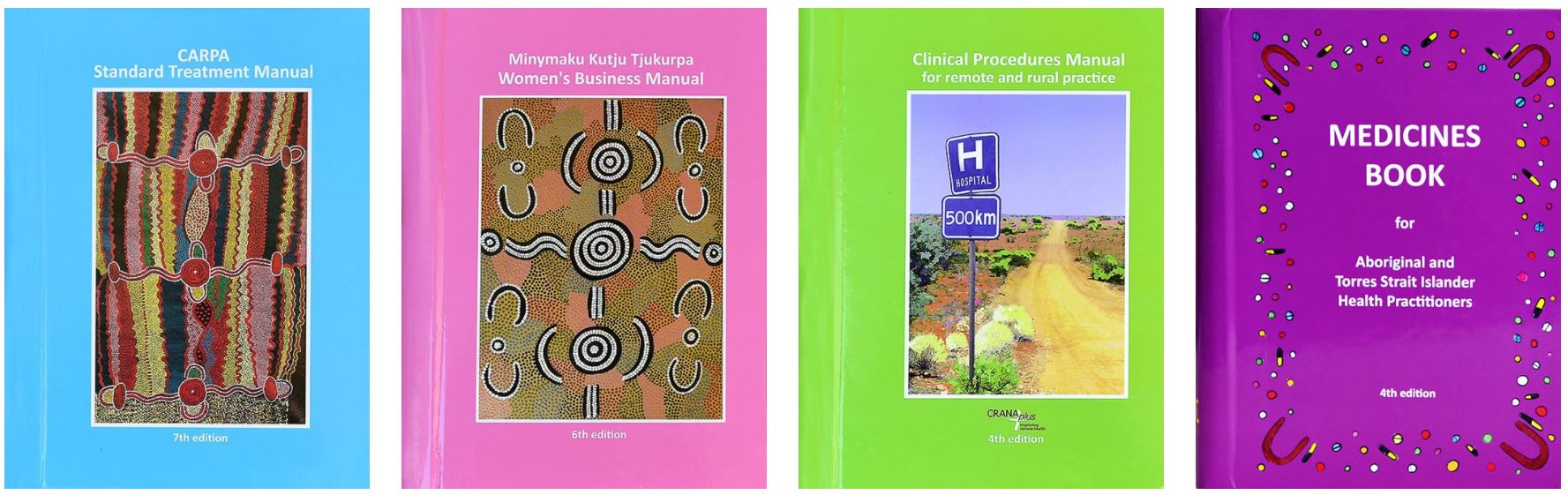
Remote Primary Health Care Manuals (RPHCM) have launched a new website. The RPHCMs are a widely used and highly regarded resource in remote health across central, northern, and remote Australia – they support and promote good clinical practice in primary health care.

To view the RPHCM website launch flyer click here.

cover of each of 4 RPHCMs

You can also view the RPHCM September 2021 Update here. More than 85% of the Primary Reviews are now completed. Protocol groups endorsed include: birth and birth emergencies; bites and stings, injuries; mental health emergencies; skin; and wounds. Protocol groups coming up for endorsement include: cardiac, renal and diabetes; clinical assessment; contraception; eyes; and respiratory.

Secondary reviews of protocols to check that protocols are clear and can be applied to
remote practice will start later this year.

New process for job advertising

NACCHO have introduced a new system for the advertising of job adverts via the NACCHO website and you can find the sector job listings here.

Click here to go to the NACCHO website where you can complete a form with job vacancy details – it will then be approved for posting and go live on the NACCHO website.
dice spelling JOBS resting on keyboard

Rural and Remote Health Scientific Symposium

Virtual registrations are now open for the 8th Rural and Remote Health Scientific Symposium which will be held on Wednesday 6 and Thursday 7 October 2021. The full digital program includes more than 60 research presentations, poster sessions and engagement with high-quality keynote speakers.

The theme of the virtual symposium is ‘Connecting research, practice and communities’ – bringing together rural health academics, clinical researchers and practitioners, students, as well as policymakers engaged with the Alliance and the rural health sector. The symposium offers comprehensive knowledge learning and professional development, as well as the opportunity for personal engagement with speakers, presenters and peers.

To register for the symposium click here.

Professor Tom Calma AO will be a keynote speaker at the symposium.

Ngar-wu Wanyaraa Health Conference

Health professionals and community members from across Australia will come together online for the 6th Annual Ngar-wu Wanyarra Aboriginal and Torres Strait Islander Health Conference on Wednesday 13 October 2021. The conference will be hosted by the University of Melbourne, Department of Rural Health and showcase advances in the health and wellbeing of Aboriginal and Torres Strait Islanders, highlighting key findings and current health issues facing the community.

Multi-award winning broadcaster and journalist, Stan Grant, who is currently International Affairs Editor for the Australian Broadcasting Corporation will deliver the keynote address. Further information and updates can be viewed on the Department of Rural Health website here.

To register for the virtual conference click here.

Norm Stewart, Kidneys of the Dungala, 2012. Community/Language Group: Yorta Yorta, acrylic on canvas.

9 September 2021

feature tile text 'First Nations led work aligns with World Suicide Prevention Day theme fighting hope with action' & image of awareness ribbon two hands linked

World Suicide Prevention Day: We will continue to Create Hope through Action

NACCHO believes this year’s theme on World Suicide Prevention Day, ‘Creating hope through action’, aligns with the innovative work done by Aboriginal and Torres Strait Islander led organisations and by NACCHO’s members to address disproportionate suicide rates amongst Aboriginal and Torres Strait Islander communities, particularly amongst our young people.

NACCHO Chair Donnella Mills said, “Aboriginal and Torres Strait Islander adults are 2.7 times more likely to experience high or very high levels of psychological distress than other Australians. Our people comprise 11% of all emergency department mental health presentations across the Country. Our children and grandchildren continue to experience the impacts of past practices and policies. The rate of suicide for our young people is four times the rate of other Australian young people.

“For Aboriginal and Torres Strait Islander people, social determinants affecting mental health can include factors such as cultural identity, family, intergenerational trauma, participation in cultural activities and access to traditional lands, lack of access to affordable housing, exposure to violence.

“The suffering of the Stolen Generations continues to have significant impacts on their health and well-being with intergenerational impacts of this trauma.

“In addition, the COVID-19 pandemic has contributed to increased feelings of isolation, anxiety and depression.

“To address these factors, adequate and ongoing funding support for evidence-based, Aboriginal and Torres Strait Islander led, social and emotional well-being (SEWB), mental health, and suicide prevention programs is vital, and we will continue to advocate for funding to support the rollout of culturally competent services.”

To read the media release in full click here.

New e-cigarette laws webinar

From Friday 1 October 2021 legislative changes will mean the only way to legally purchase unregistered nicotine vaping products will be with a GP prescription. This has implications for our communities and workforce.

NACCHO has partnered with RACGP and ANU to deliver an interactive webinar on these legislative changes and what they might mean for our communities and ACCHOs.

The webinar will be held on: Wednesday 15 September 2021, 1:00 PM-2:00 PM (AEST)

Professor Emily Banks from the National Centre for Epidemiology and Population Health ANU together with Ms Alice Nugent, ACCHO pharmacist and member of the NACCHO Medicines Advisory Team, will present the legislative changes and dive into some of the more emergent issues surrounding safety and toxicity risks, prescription of an unregistered product, harm minimisation including a case study and discussion points to support ACCHOs and health services to develop community-based vaping policies. The webinar will conclude with a 10 minute Q&A session.

This event attracts 2 CPD points.

To register for this FREE webinar click here.

hand holding a vapper, lots of smoke from mouth

Image source: The Guardian.

New approach to preventing suicide

Two leading organisations will work together on a new approach to preventing suicides among Aboriginal and Torres Strait Islander people, combining proven strategies, to create a powerful blueprint for saving lives.

The Centre of Best Practice in Aboriginal and Torres Strait Islander Suicide Prevention (CBPATSISP) at The University of WA will collaborate with Black Dog Institute to develop an integrated systems approach to suicide prevention in Aboriginal and Torres Strait Islander communities.

Taking the findings of the 2016 Aboriginal and Torres Strait Islander Suicide Prevention Evaluation Project (ATSISPEP) as the starting point, the collaboration will work with Indigenous community organisations, clinicians, academics, and others to develop a combination of interventions with the potential to reduce Indigenous suicides. Tragically, suicide rates in this population are more than double that of other Australians.

Professor Pat Dudgeon, Director of the CBPATSISP said, “We demonstrated through ATSISPEP that the unacceptably high rate of suicide in our communities is a consequence of colonisation, intergenerational trauma and systemic racism, and we know that effective responses must be based on Indigenous leadership and empowerment.”

To view the media release in full click here.

Record demand for suicide prevention services

Record numbers of Australians are heeding the call to seek help from suicide prevention services in a “silver lining” that shows the sector is making a major contribution to keeping the community safe, according to a new report released this World Suicide Prevention Day.

Suicide Prevention Australia CEO Nieves Murray said young people were seeking help at twice the rate of their parent’s generations, following decades of awareness-raising, stigma reduction initiatives and advocacy. “Creating hope through action is an important part of World Suicide Prevention Day and every other day of the year,” Ms Murray said.

Suicide Prevention Australia will today release its second annual State of the Nation in Suicide Prevention report, which shows 84% of suicide prevention services and workers experienced an increase in demand in the past 12 months (August 2020 to August 2021).

To view the Suicide Prevention Australia media release in full click here.

National Suicide Prevention Office

Today, on World Suicide Prevention Day, the Morrison Government is recognising this year’s theme of ‘Creating Hope Through Action’ by establishing the Australian National Suicide Prevention Office to lead a national mission to reduce the prevalence and impact of suicide in Australia.

World Suicide Prevention Day is an opportunity to raise awareness of suicide and to promote action that will reduce the number of suicides and suicide attempts. ‘Creating Hope Through Action’ is a reminder that there are actions that we can take that may provide hope to those who are feeling overwhelmed.

The Government is leading this work through record investment in, and concerted structural reform of, the national approach to suicide prevention. In a first for Australia, the new National Suicide Prevention Office will have the capability to work across all governments and sectors to drive a nationally consistent and integrated approach to reducing suicide rates.

To view the media release in full click here.

Image source: Calaveras County website.

Call for 90-95% NT vaccination threshold

The Aboriginal Medical Services Alliance NT (AMSANT) has called on the NT Government to adopt a 90-95% Aboriginal vaccination rate threshold before opening the NT borders.

The call was made by AMSANT’s Board and endorsed by the AMSANT membership. “A target of a 90-95% vaccination rate for all Aboriginal Territorians 12 years and older is required if we are to prevent or minimise the deadly toll of COVID in our communities,” AMSANT CEO, John Paterson said.

“The national target of 80% vaccinations of eligible adults 16 years and older would be a disaster in our communities, which have a much younger age profile and would equate to only about 55% of the total Aboriginal population vaccinated. At that level the virus would rip through our community like wildfire.”

“With one of the world’s highest rates of chronic disease and very overcrowded housing, we cannot risk the devastation this would cause. We only have to look at western NSW where our countrymen are suffering. Our hearts go out to them.”

To view AMSANT’s media release in full click here.

AMSANT CEO John Paterson. Image source: ABC News.

Homeless Noongar women die on streets

At least eight Noongar women have died homeless in Perth this winter, including six on the streets, sparking renewed calls for action to address the homelessness crisis. In 2020, 56 homeless people died on the streets, 28% of them Indigenous.

There are more than 1,000 people sleeping rough on the streets of Perth each night, with 40% Indigenous. Across WA, out of 10,000 homeless people, 30% are Indigenous. In total, 14,000 households are on the public housing waitlist.

Protests have been held to urge action, including the establishment of “tent cities” near Parliament House. Since the early August vigil for Alana Garlett, who died after being found ill while trying to sleep in the city in June, another three young Aboriginal women have been found dead within 250m of where Ms Garlett was found.

Noongar Elder Vanessa Culbong said the crisis is “a product of a system that’s failed us and continues to fail us. We can’t see a light at the end of the tunnel when women and birth-givers are dying in front of us.”

To view the full article in the National Indigenous Times click here.

Aunty Barbara Moore

Aunty Barbara Moore at a rally to urge action to prevent more homeless deaths in Perth. Photo: Kearyn Cox, NITV. Image source: SBS News.

Reducing violence against First Nations women

The Federal Government will develop a “specific and targeted” National Plan to Reduce Violence against Aboriginal and Torres Strait Islander women and their children after calls mounted at this week’s Women’s Safety Summit.

One of the leading voices advocating for an Indigenous-specific plan is the National Family Violence Prevention and Legal Services Forum (National FVPLS Forum). “It is essential that we are part of this important conversation,” said Antoinette Braybrook CEO of Djirra and National FVPLS Forum Co chair.

“Mainstream national plans create an invisibility for Aboriginal and Torres Strait Islander women and children. They often do not take in the diversity of our people and our communities. The principles of self-determination are not front and centre in mainstream plans,” said Braybrook. “We must see this national crisis of violence against Aboriginal and Torres Strait Islander women end. The only way we can do that is by having our own dedicated national plan.”

To view the full article in the National Indigenous Times click here.

photo taken from ground looking to sky Aboriginal woman's hand overlapping with child's hand, not touching

Image source: University of Melbourne – Pursuit.

New process for job advertising

NACCHO have introduced a new system for the advertising of job adverts via the NACCHO website and you can find the sector job listings here.

Click here to go to the NACCHO website where you can complete a form with job vacancy details – it will then be approved for posting and go live on the NACCHO website.
dice spelling JOBS resting on keyboard

Diabetes-related foot complications

The Aboriginal and Torres Strait Islander Diabetes-related Foot Complication Program aims to reduce diabetes related foot complications and amputations for Aboriginal and Torres Strait Islander people in the Top End region of the NT, Central Australia, SA,
the Kimberley region and Far North Queensland.

The South Australian Health and Medical Research Institute (SAHMRI) is partnering with experts in the 5 regions from the Aboriginal Community-Controlled Health Sector, government and non-government agencies, service providers, research institutions and national and regional peak bodies to implement a range of strategies to improve foot health. You are invited to hear about the implementation of this work from coordinators and staff in the regions from: 1:00 PM-4:00 PM ACST, Thursday 16 September 2021.

For further details, including a zoom link click here.

UNC Health Talk website.

19 August 2021

COVID-19 impact on young mob

NACCHO CEO Pat Turner spoke with Dan Bourchier on ABC News about the COVID-19 outbreak in western NSW and the vaccination roll-out and uptake in Aboriginal and Torres Strait Islander communities.

Ms Turner said that it was very concerning to see the average age of Aboriginal and Torres Strait Islander people who contracted COVID-19 in NSW in the last day was 24 years old.

“I am really concerned about the impact it’s having on our young people and I implore you all to please stay at home,” said Ms Turner.

She also said she was very pleased to see that daily increases of the Pfizer vaccine is being rolled out in Western NSW.

“We really need all of the state health authorities to be working in partnership and collaborating with our community controlled health sector and making sure they have a constant supply,” she said.

You can view the interview below.


Culturally safe vaccination services crucial

Lieutenant General John Frewen, Chief Medical Officer Paul Kelly and CEO of NACCHO Pat Turner have co-signed a letter addressing COVID-19 vaccinations for Aboriginal and Torres Strait Islander people.

The letter that will be sent to Australian COVID-19 vaccine delivery partners states that we all have an important role to play in providing culturally safe vaccination services to Aboriginal and Torres Strait Islander people.

“For all Indigenous Australians to be vaccinated and bridge the current gap, we are asking the whole primary care sector to work together and ensure there is equitable COVID-19 vaccine uptake across Australia.”

You can download the letter here.

An article by Croakey Health Media addresses the same issue: Rushed efforts to halt the alarming spread of COVID-19 in Aboriginal communities in western NSW will fail if they do not have cultural safety at their core. That’s the warning from national, state and local Aboriginal and Torres Strait Islander health leaders. Responses that are not culturally safe will risk adding to vaccine hesitancy and disengagement with public health orders and add to the trauma experienced by Aboriginal people amid a public health emergency.

Donna Murray, CEO of Indigenous Allied Health Australia (IAHA), said there are “huge risks” in “shipping out” mainstream health teams that have not worked before in Aboriginal and Torres Strait Islander communities or done cultural safety training. Failure to understand Aboriginal and Torres Strait Islander ways of “knowing, being and doing” often ends up in non-Indigenous people and services making uninformed judgements or blaming communities “and then that turns people off being vaccinated”, she said.

You can read the article in Croakey Health Media here.

Walgett Aboriginal Medical Service's Belinda Woodham, Scott Porter & Katrina Ward joined by volunteers from @Uni_Newcastle School Nursing & Midwifery Professors Amanda Johnson, Rhonda Wilson, Donna Hartz with Managers Sally Loughnan & Tabitha Jones of Royal Flying Doctor Service. Photo courtesy of Dharriwaa Elders Group, Croakey Health Media.

Walgett Aboriginal Medical Service’s Belinda Woodham, Scott Porter & Katrina Ward joined by volunteers from @Uni_Newcastle School Nursing & Midwifery Professors Amanda Johnson, Rhonda Wilson, Donna Hartz with Managers Sally Loughnan & Tabitha Jones of Royal Flying Doctor Service. Photo courtesy of Dharriwaa Elders Group, Croakey Health Media.


COVID-19 arrives in Bourke

The Army has been called into western NSW, and drive-through clinics are being set up in Dubbo, in a race to vaccinate the community as the COVID outbreak worsens. The outback town of Bourke had its first case confirmed earlier this week, along with further cases in Dubbo, Walgett and Mudgee.

“Nearly 40 per cent are kids between the ages of 10 and 19,” Western NSW Health’s Mr McLachlan said.

“This is a really serious warning for parents of kids running around everywhere at the moment. Please stay home.”

Mr McLachlan said there were low rates of vaccination among Aboriginal children and called on people to get vaccinated, and stressed that Pfizer is available. He urged residents to reach out to local Aboriginal Medical Centres, GP’s, vaccination hubs, respiratory clinics and prompted use of the Health Direct website.

You can read the article online at the NITV website.
To check where you can get your vaccine, visit the Health Direct website here.

Sign for Bourke Aboriginal Health Service. Image source: NITV website.

Sign for Bourke Aboriginal Health Service. Image source: NITV website.


Getting vaccinated as COVID-19 gets close

4 August 2021

Feature tile - Thu.5.8.21 - Media Release Coalition of Peaks welcomes new funding to close the gap

CoP welcomes new CTG Commonwealth funding

The Coalition of Peaks (CoP) today welcomed the PM’s announcement of more than $1 billion over five years of new funding measures to close the gap in life outcomes for Aboriginal and Torres Strait Islander people in Australia.

“Today is another step forward under the historic partnership between the CoP and Australian governments. It shows what can be achieved when the Aboriginal and Torres Strait Islander community-controlled leaders from across the country come together to partner with governments,” said Ms Pat Turner AM, Lead Convener of the CoP and NACCHO CEO.

“The investment includes some very significant initiatives important to our peoples and to our wellbeing like the breakthrough in providing reparations to survivors of the Stolen Generations in territories which the Commonwealth was historically responsible for – long called for but long denied until now.”

There is also a major injection of funds for long-overdue upgrades to health services infrastructure for Aboriginal Medical Services and for early childhood support and schooling.

You can read the media release by the CoP on the funding here.

Ms Pat Turner AM will speak more on this topic on ABC The Drum tonight at 6:00 pm (AEDT).

13 wrists & hands all reaching into centre & overlapping, various shades of skin from dark to light

Image source: PHN NT.

ACCHO rising to the challenge

Mirroring COVID-19 success stories in community control seen across Aboriginal and Torres Strait Islander nations, member organisations of South East Queensland’s Institute for Urban Indigenous Health (IUIH) have been instrumental in keeping their communities safe.

They have been promoting the importance of COVID vaccination, with a host of Deadly Choices Ambassadors such as Rugby League legends Steve Renouf and Petero Civoniceva and community members such as Uncle Les Collins and Aunty Mary Graham sharing why they ‘Stepped Up’ for the COVID 19 vaccine.

They also established four respiratory clinics for COVID testing specifically for Aboriginal and Torres Strait Islander people last year, providing a safe place for people to be properly assessed if they are unwell, not just tested. “We have no doubt that making the vaccines available via community controlled health services will play a key role in achieving maximum vaccine take up among our population,” said IUIH CEO Adrian Carson.

“With 79% of Aboriginal and Torres Strait Islanders living in urban areas the availability and accessibility of community controlled health services at a time like this is even more critical: services that are run by mob for mob. With our mob making up 4% of the population we have no doubt community controlled organisations getting information and services out to our community has played a significant role in the current statistics,” said Carson.

You can read the article in Croakey Health Media here.

IUIH's community controlled health organisations have stepped up to support South East Queensland's Aboriginal communities through the pandemic. Image credit: Croakey Health Media.

IUIH’s community controlled health organisations have stepped up to support South East Queensland’s Aboriginal communities through the pandemic. Image credit: Croakey Health Media.

Improving wellbeing of First Nations children

The Healing Foundation and Emerging Minds have developed a series of new resources to improve social and emotional wellbeing outcomes for Aboriginal and Torres Strait Islander children. The resources will help families and children reconnect to cultures, while weaving back in the knowledge and protective factors that have kept First Nations peoples healthy and strong for more than 60,000 years. An e-learning module, factsheets, and an animation are part of the package.

The Healing Foundation CEO Fiona Cornforth said the culturally appropriate training materials will give service providers resources for understanding the impacts of intergenerational trauma and reframing the narrative towards intergenerational healing. “Connections for our children and young people are important throughout their developmental stages and play a vital role in their social and emotional wellbeing,” Ms Cornforth said.

The e-learning training package can be viewed here.
The factsheets can be viewed on the Healing Foundation website here.
For more information on Emerging Minds, visit the website here.

First Nations driving future by partnering with governments

The Coalition of Peaks (CoP) has today also announced the public release of their first Implementation Plan under the National Agreement on Closing the Gap.

“This Implementation Plan sets out the actions the CoP are and will be taking to fulfil our partnership responsibilities under the National Agreement, driving deep change in how governments work with Aboriginal and Torres Strait Islander people so that Closing the Gap outcomes are dramatically improved,” said Ms Pat Turner AM, Lead Convener of the CoP and NACCHO CEO.

“Our plan prioritises building understanding of the National Agreement and promoting the advantages and opportunities it offers to our people, communities, and organisations, provided we participate fully, and governments are held to account for its implementation.”

You can read the media release on the CoP first Implementation Plan here.

Journeys into Medicine

Have you ever wondered who the first Aboriginal and Torres Strait Islander doctor was? The Australian Indigenous Doctors’ Association (AIDA) has published two volumes of Journeys into Medicine – a collection of personal stories from Aboriginal and Torres Strait Islander medical students and doctors. Get to know some of the mob who are making a difference in the medical space. These inspiring stories provide great insight into their struggles, dreams and aspirations. The publications also highlight our history and celebrates the success of the growing numbers of Indigenous doctors.

You can access Journeys into Medicine Volume 1 here and Volume 2 here.

Dr Danielle Dries standing on riverbank with fur headband & feather, stethoscope around neck, holding coolamon with leaves

Image source: AIDA Journeys into Medicine Volume 2.

Clinical trial for mob with type 2 diabetes

Seeking expressions of interest for the FlashGM Study – Australia’s first clinical trial for Indigenous Australians living with type 2 diabetes using flash glucose monitoring technology!

The FlashGM Study is Australia’s first randomised clinical trial for Indigenous Australians with type 2 diabetes using a new diabetes technology called Flash Glucose Monitors. Check out the Study video below!

The FlashGM team are a group of Indigenous and non-Indigenous clinicians, researchers, community members and healthcare workers based across the University of Melbourne, Apunipima Cape York Health Council, Maari Ma Aboriginal Cooperative, St. Vincent’s Hospital Melbourne, Austin Health Melbourne, Rumbalara Aboriginal Cooperative, Goulburn Valley Health, Wuchopperen Health Service and Goolum Goolum Aboriginal Cooperative. The FlashGM Study is funded by the National Health and Medical Research Council, Clinical Trials and Cohorts Grant 2020-2025.

If your team is interested, or you would like further information, please click here. You can also email the team or visit the study website.

You can also scan this QR code.


ACCHO to implement Aboriginal suicide prevention plan

Geraldton Regional Aboriginal Medical Service has been awarded a contract to hire a community liaison officer who will work with the community to implement a Mid West-specific Aboriginal suicide prevention plan.

WA had the highest age-standardised rate of suicide among Aboriginal and Torres Strait Islander people across Australia between 2016 and 2019, with the $9.8 million community liaison officer program commitment aiming to bring suicide numbers down to zero. “It is initiatives such as the appointment of these community liaison officers that will have a real and sustained impact on closing the gap, especially in our regional and remote communities,” said Mental Health Minister Stephen Dawson.

You can read the story in The West Australian here.

This comes as Lifeline recorded its highest number of daily calls on record earlier this week with 3,345 calls.

“We’re seeing a concerning increase in people experiencing distress in our communities,” said Suicide Prevention Australia CEO, Nieves Murray. “The recent lockdowns have significantly shifted the social and economic landscape in Australia and will exacerbate the risk factors that are clearly linked to distress such as economic hardship, employment, relationship breakdown and loneliness, particularly for young people.”

You can read more about this story in ABC News here.

Lifeline is available 24-hours on 13 11 14.

back of child leaning against outside of railing arms outstretched on the railing over-looking a riven, image in black & grey

Image source: ABC News website.

New process for job advertising

NACCHO have introduced a new system for the advertising of job adverts via the NACCHO website and you can find the sector job listings here.

Click here to go to the NACCHO website where you can complete a form with job vacancy details – it will then be approved for posting and go live on the NACCHO website.


dice spelling JOBS resting on keyboard

Aboriginal Cancer Health Centre community consultation

Nunyara Aboriginal Health Service Inc is running a community consultation session on the Aboriginal Cancer Healing Centre from: 10:00am –1 2:00pm, Tuesday 17 August 2021 at the: Central Whyalla Football Club, 25 McDouall Stuart Avenue, Central Whyalla.
Your voice is important and they want to hear from you.
For more information contact: Douglas Clinch here or call 0423 280 775 or Deslyn Dodd here or call 08 8649 9900.
Aboriginal Cancer Healing Centre - community consultation session

3 August 2021

Feature tile - Tue.3.8.21 - Children aged 12–15 to get Pfizer vaccine

Children aged 12–15 to get Pfizer vaccine

In a statement from the Australian Technical Advisory Group on Immunisation (ATAGI), it is now recommended that the following groups of children among those aged 12–15 years be prioritised for vaccination using the Pfizer vaccine:

  • children with specified medical conditions that increase their risk of severe COVID-19
  • Aboriginal and Torres Strait Islander children aged 12–15 years
  • all children aged 12–15 years in remote communities, as part of broader community outreach vaccination programs that provide vaccines for all ages (≥12 years).

ATAGI will make recommendations to Government for use in all other children in the 12–15 years age group within the coming months, following review of emerging information.

You can read more about this statement on the Australian Government Department of Health website here.

Teenage Aboriginal girl with mask being administered vaccination by health professional.

Teenage Aboriginal girl with mask being administered vaccination by health professional. Feature tile image credit: SNAICC.


Nursing shortage due to border restrictions

At least 18 remote communities across the NT are experiencing a shortage of nursing services due to COVID-19 international and interstate border restrictions.

The “movement” of nurses into remote areas has “been limited over time”, according to John Wakerman from the Menzies School of Health Research.

Chief executive of Purple House Sarah Brown said prior to the pandemic, and throughout the changing lockdowns, she planned to have nurses travel to remote communities in the NT from interstate, but that plan had been delayed.

She said the priority to deliver COVID-19 vaccinations and testing, as well as aged care services across Australia, had put the “whole system under enormous pressure”, but she remained optimistic about attracting more nurses to Central Australia.

“If we could actually have a bit of a plan to move some of these visa applications along and find a safe way to get some nurses in the country that would take a lot of pressure off the whole system,” she said.

“If we can do it for pop stars and tennis champions maybe there’s a way we could do it for some nurses too.”

You can read the story in the ABC News here.

COVID-19 interstate and international border restrictions have impacted upon nurses coming to work in remote communities. Image credit: ABC News.

COVID-19 interstate and international border restrictions have impacted upon nurses coming to work in remote communities. Image credit: ABC News.


Census data supporting mums and bubs program

The Institute of Urban Indigenous Health uses Census data to inform expansion of its successful Birthing in our Communities program, which is delivering outstanding results for mums and bubs in South East Queensland.

The program also hosts a community day every Friday. It’s a chance for mums, their family, and their community support network to come together to celebrate the family unit and learn from visiting specialists like dieticians and psychologists.

Queensland mum Mackapilly said it’s been a great opportunity to learn and be part of a community of mums and bubs.

“I am so grateful for playgroup and community days. It was been useful to connect with other mums and share advice. We feel like we are at home, like we are a family,” Mackapilly said.

Mackapilly would love to see this program expand to other areas and communities to help more Aboriginal and Torres Strait Islander mums and bubs.

“Now that I know Census data has helped to create and expand the Birthing in our Communities program, I’ll be telling other mums to make sure they fill out the Census because I can see how it can help show what community services are needed,” said Mackapilly.

Other important dates on the calendar provide opportunities for mums and families to come together. The Birthing in our Communities program is getting ready to host a COVID-safe celebration and playgroup for National Aboriginal and Torres Strait Islander Children’s Day on 4 August.

You can read the media release here.

For more information call 1800 512 441 or visit the Australian Bureau of Statistics Census website with information for Aboriginal and Torres Strait Islander communities here.

Census data supporting Aboriginal and Torres Strait Islander mums and bubs program to expand across South East Queensland.


Chronic disease mapped across Australia

The Australian Institute of Health and Welfare (AIHW) has released new geographical data, showing where Australia’s most common chronic diseases are more prevalent.

Cardiovascular disease, diabetes and chronic kidney disease are together responsible for the country’s highest ‘burden of disease’ – the years of healthy life lost to a disease. They account for 14%, 2.2% and 1.4% of the burden of disease, respectively.

While common, these diseases are not evenly distributed. For instance, 6.2% of Australian adults report having heart, stroke and vascular disease, but for Northern Territorians the rate is only 1.8%. Conversely, 7.4% of adults in the NT have type 2 diabetes, compared to 5.9% of the national adult population.

Areas with greater socioeconomic disadvantage have higher rates of disease when age is taken into account.

Regional and remote areas, and places with high proportions of Indigenous Australians, also had worse health profiles when adjusted for age.

The AIHW has released this data in a series of dashboards on their website, where you can examine your own state or suburb’s health profile.

Type 2 diabetes prevalence in Australia. Credit: AIHW 2021.

Type 2 diabetes prevalence in Australia. Credit: AIHW 2021.


Program to increase number of surgeons

The Royal Australasian College of Surgeons (RACS) is proud to launch its Indigenous Surgical Pathway Program Australia to try and increase the number of Aboriginal and Torres Strait Islander surgeons in the medical workforce.

The program aims to reduce the professional health workforce inequity faced by Aboriginal and Torres Strait Islander people in Australia.

While there are over 83,000 doctors registered to practice in Australia, fewer than 400 are Indigenous. This is despite over 760,000 people in Australia identifying as Aboriginal or Torres Strait Islander.

“In Australia and NZ we have a severe shortage of Indigenous surgeons and we need to do everything we can to change this disproportionate under-representation,” said Dr Sally Langley, RACS President.

“The College is committed to addressing this health discrepancy and the program will support this by encouraging and actively recruiting medical students and recent graduates into surgery.”

You can read the media release by RACS here.

Aboriginal surgeon Dr Kelvin Kong. Image credit: The Australian.

Aboriginal surgeon Dr Kelvin Kong. Image credit: The Australian.


Community Liaison Officers to improve SEWB

In February 2021, the WA Government announced a further $17.6 million commitment to establish a three year Social and Emotional Wellbeing Model of Service pilot at five Aboriginal Community Controlled Health Service (ACCHS) sites.

The Model is part of their commitment to address and reduce Aboriginal suicide rates through the establishment of the newly created Aboriginal Community Liaison Officer (CLO) positions across the State.

Based at Aboriginal Community Controlled Organisations, the CLOs will work with their respective communities and support the implementation of the region-specific Aboriginal suicide prevention plans.

The region-specific plans form part of the implementation of the Western Australian Suicide Prevention Framework 2021-2025 and include culturally informed social and emotional wellbeing initiatives designed by and for Aboriginal people.

You can read the media statement by the Government of Western Australia here.

Aboriginal women embracing each other.

Aboriginal women embracing each other. Image credit: Independent Australia.


New process for job advertising

NACCHO have introduced a new system for the advertising of job adverts via the NACCHO website and you can find the sector job listings here.

Click here to go to the NACCHO website where you can complete a form with job vacancy details – it will then be approved for posting and go live on the NACCHO website.
dice spelling JOBS resting on keyboard

27 July 2021

Delta outbreak would devastate remote communities

In an article in the ABC News, outback doctors warn that the COVID-19 Delta variant makes a regional outbreak even more dangerous. They said they do not have enough staff, let alone ventilators, to cope with a Delta outbreak.

NACCHO medical adviser, Dr Jason Agostino, said to ABC News that talk of abandoning any attempt to control COVID-19 would be dangerous.

“In remote Australia and across all of Aboriginal and Torres Strait Islander Australia, we only have around 22 per cent of people [who] have received a first dose of any vaccine, and that’s much lower than in the non-Indigenous population.

“We know that COVID-19 causes more serious disease in people with chronic conditions, [such as] diabetes and heart disease and [that] it spreads easily among crowded houses.

“Unfortunately, many Aboriginal and Torres Strait Islander people have these chronic diseases from younger ages and also live in crowded houses.

Dr Agostino agreed it was important for Australia to find vaccines that were safe for Indigenous children and said that, until a much higher rate of vaccination had been achieved, “lockdowns are going to be a way of life”.

You can view the article in ABC News here.

Kids playing in remote community. Image credit: Brisbane Times.

Kids playing in remote community. Image credit: Brisbane Times. Feature tile image credit of University of Queensland website.

Successful place-based pandemic approach

Pandemics such as COVID-19 are a serious public health risk for Australian Aboriginal and Torres Strait Islander communities, yet primary healthcare systems are not well resourced to respond to such urgent events. At the start of the COVID-19 pandemic, a federal government advisory group recommended a rapid, tailored Indigenous response to prevent predicted high morbidity and mortality rates. This paper examines the efforts of Gurriny Yealamucka Health Service (Gurriny), which in the absence of dedicated funding, pivoted its operations in response to COVID-19.

Gurriny is the only primary healthcare service in the discrete Indigenous community of Yarrabah, Far North Queensland. They responded to COVID-19 by leading with local solutions to keep Yarrabah safe. Four key strategies were implemented: managing the health service operations, realigning services, educating and supporting community, and working across agencies.

The success of the locally led, holistic, comprehensive and culturally safe response of Gurriny suggests that such tailored place-based approaches to pandemics (and other health issues) are appropriate, but require dedicated resourcing.

You can read the paper in the DocWire News here.

Gurriny Yealamucka Health Service

Gurriny Yealamucka Health Service.

Eye health inequity

A recent study published on Science Direct provides a critical realist analysis of eye health inequity among Aboriginal and Torres Strait Islander Australians.

The prevalence of diabetes among Aboriginal and Torres Strait Islander Australians is three times greater than non-Aboriginal and Torres Strait Islander Australians, contributing to a greater risk of blindness from treatable and preventable ocular conditions, most prominently cataract and diabetic retinopathy. In rural and remote Aboriginal and Torres Strait Islander communities, blindness prevalence is higher, and ocular treatment coverage and uptake are lower. In collaboration with Aboriginal Community Based Researchers, this study explored complex contingent factors that shape access to eye health services among rural and remote Aboriginal Australians living with diabetes.

The paper highlighted that:

  • Sociocultural contingencies shape eye health outcomes among Aboriginal Australians.
  • Linguistic, economic, and cultural marginalisation underpin eye health inequity.
  • Differences between Western biomedical and Aboriginal cultural norms form tensions.
  • Supporting linguistic and cultural sovereignty in clinical spaces is needed.
  • Cultural responsivity training and an expanded Aboriginal health workforce are key.

Read the full study in Science Direct here.

close up image of face of elderly Aboriginal stockman with felt hat, blind in one eye

Image source: The Fred Hollows Foundation website.

Bridging the Gap in homeownership

Owning your own home has long been part of the Aussie dream, however for some indigenous Australians this pursuit is difficult to achieve for a number of economic, social and cultural reasons.

According to the Australian Bureau of Statistics 2016 Census, 38 per cent of indigenous people owned their own home compared to two-thirds of non-indigenous Australians.

According to AIHW, “not having affordable, secure and appropriate housing can have negative consequences, including homelessness, poor health, and lower rates of employment and education participation – all of which can lead to social exclusion and disadvantage”.

Acknowledging this fact, Nicheliving has established a new division called Kambarang, created to bridge the gap for indigenous people and their communities, providing access to affordable housing opportunities to make their homeownership dreams a reality.

“The unit’s main goal is to support homeownership through providing open discussions, cultural support, credit assistance, communication and process support, affordable housing options, loan support and an end-to-end experience, including settlement,” said Nicheliving Managing Director Ronnie Michel-Elhaj.

You can read the story in The West Australian here.

Nicheliving - Willetton

Nicheliving – Willetton. Image credit: Julius Pang via The West Australian.

NSW Implementation Plan for Closing the Gap

The NSW 2021-2022 Implementation Plan for Closing the Gap is focusing on Aboriginal and Torres Strait Islander self-determination. The starting point in 2021-22 is to focus on the five Priority Reform areas as they know that transforming the way governments work with Aboriginal and Torres Strait Islander communities is key to creating positive change. They have also identified a few focus areas under each Priority Reform.

They are working in partnership to bring together expertise from across Aboriginal communities, Aboriginal organisations and government agencies to develop further detailed and ambitious actions. To do this, they need your voice. Get involved and tell them what will make the biggest difference to you and your communities here.

You can view the 2021-22 NSW Implementation Plan for Closing the Gap here.
Visit the NSW Government Aboriginal Affairs website for more information here.

School students from St Francis Xavier School in Daly River, Southwest of Darwin in the Northern Territory. Image credit: The Herald Sun.

School students from St Francis Xavier School in Daly River, Southwest of Darwin in the Northern Territory. Image credit: The Herald Sun.

Winnunga Newsletter

The Winnunga Newsletter June – July 2021 edition is now available here.

Winnunga News June-July 2021 banner

Red socks for kidney support

Kidney Health Australia’s Red Socks Appeal is back and better than ever. Grab your friends, family, your work buddies, even your beloved pooch and either join Kidney Health Australia on one of their Red Socks Walks, set yourself a challenge or buy yourself a pair of red socks to show people living with kidney disease you care.

Wondering what Red Socks have to do with kidney disease? People on dialysis are strapped to a machine for 60 hours a month on average while it cleans their blood. While having dialysis treatment they often get cold, especially their feet. This is why Kidney Health Australia is asking you to go bold this October and wear Red Socks to show people living with kidney disease that you care.

Read more about the appeal and how you can show your support here.

Kidney Health Australia Red Sock Appeal

New process for job advertising

NACCHO have introduced a new system for the advertising of job adverts via the NACCHO website and you can find the sector job listings here.

Click here to go to the NACCHO website where you can complete a form with job vacancy details – it will then be approved for posting and go live on the NACCHO website.


dice spelling JOBS resting on keyboard

Connecting to Country grants program open

The Connecting to Country grants program is now open, providing support to culture and arts projects and initiatives that renew links between community, Country and culture.

Aboriginal people and organisations can apply for up to $25,000 for activities on-Country that encourage sharing of cultural knowledge and skills between generations, preservation of culture and strengthening of communities.

Applications close: 26 August 2021.
For more information visit the Government of Western Australia Department of Local Government, Sport and Cultural Industries website here.

Connecting to Country program image.

Connecting to Country program image.

15 July 2021

feature tile text 'poor awareness of links between sexual health and chronic conditions in ATSI males' Aboriginal dot painting from cover of summary report blue, brown, aqua, navy, white, black, taupe

Male sexual health chronic disease link

The latest publication from the Australian Indigenous HealthInfoNet, a Review of sexual health issues linked with cardiovascular disease and type 2 diabetes mellitus in Aboriginal and Torres Strait Islander males, which can be accessed here confirms that although the links between male sexual health and chronic conditions are well established, there is poor knowledge and awareness about these links among both health professionals and Aboriginal and Torres Strait Islander males.

This review outlines the mounting evidence that erectile dysfunction (ED) can be a sign of future cardiovascular disease or type 2 diabetes. This has the potential to motivate males of all ages to seek help if they experience ED, and for health professionals to become skilled in discussing sexual health with patients. This  requires further consideration of cultural factors for Aboriginal and Torres Strait Islander males and the social and historical context in which their health and wellbeing exists.

You can access the Australian Indigenous HealthInfoNet media release about the review here, an infographic Summary of the key information contained in the review here, a factsheet here and a short video below.

Feature tile artwork When the freshwater meets the saltwater by Bec Morgan taken from the Australian Indigenous HealthInfoNet Summary of sexual health links with chronic disease in Aboriginal and Torres Strait Islander males.


The HIV/AIDS story – Forty years on

Forty years ago this month (on July 3, 1981) a story in The New York Times made the paper’s first mention of a disease baffling doctors.

Rare cancer seen in 41 homosexuals,” said the headline, atop a story buried on page 20. “The cause of the outbreak is unknown, and there is as yet no evidence of contagion.”

The story followed the publication on June 5, 1981 by the Centers for Disease Control (CDC) of an MMRW report of Pneumocystis carinii pneumonia in five previously healthy young men in Los Angeles, California, of whom two had already died. This report later was acknowledged as the first published scientific account of what would become known as human immunodeficiency virus (HIV) and acquired immunodeficiency syndrome (AIDS).

In Australia, research from the Kirby Institute shows that the broad availability of the HIV-prevention drug tenofovir with emtricitabine (known as PrEP) reduced HIV transmissions in New South Wales by 40 percent, to an all-time low, in the period 2016 to 2019. However, the researchers warned that the elimination of HIV in Australia will require better adherence to PrEP among young people.

The Australian Federation of AIDS Organisations has produced a report that says Australia can end HIV transmission in the country by 2025. You can read the “Agenda 2025” report here.

The full story by Associate Professor Lesley Russell can be viewed in Croakey Health Media here.

Scanning electromicrograph of an HIV-infected T cell. Credit: NIAID

Scanning electromicrograph of an HIV-infected T cell. Credit: NIAID


Bardi Jawi woman’s diabetes story

This short video aims to raise awareness of diabetes among Aboriginal and Torres Strait Islander people.

The video features Cecelia Tigan, a Bardi Jawi woman from Djarindjin in the Kimberley region of WA. Cecelia explains how she was first diagnosed with gestational diabetes during pregnancy and how she now lives with type 2 diabetes. Cecelia says her diabetes remained after giving birth to her fourth child. Cecelia explains that she is worried about the young children in her community with the availability of junk foods and how the consumption of sweets and junk food is putting them at risk of diabetes.


Ways to strengthen mental health workforce

New research by Charles Darwin University (CDU) scholars suggests a strengthened Indigenous mental health workforce could effectively improve mental health outcomes for Aboriginal and Torres Strait
Islander people.

The report, written by Prof Dominic Upton, Assoc Prof Linda Ford, Prof Ruth Wallace, Sarah Jackson, Jenna Richard from CDU and Dr Penney Upton from the University of Canberra, finds that an Aboriginal and Torres Strait Islander led mental health workforce would promote self-determination and increase the reach of mental health services by providing culturally competent services.

Mental health services delivered by Aboriginal and Torres Strait Islander professionals are considered more culturally safe and trustworthy.

Read the article by Charles Darwin University here.

Illustration of chat between psychologist and patient. Image credit: flourishaustralia.org.au

Illustration of chat between psychologist and patient. Image credit: flourishaustralia.org.au


Spurring next generation of Indigenous dentists

A new partnership between the Australian Dental Association New South Wales (ADA NSW) and the Indigenous Dentists’ Association of Australia (IDAA) will explore how to improve oral health outcomes for—and inspire—the next generation of Indigenous dental practitioners.

Only 0.4 per cent of employed dental professionals in Australia are Indigenous, according to the latest Australian Institute of Health and Welfare Oral Health and Dental Care in Australia report,” ADA NSW president Dr Kathleen Matthews said.

“More than 60 per cent of Indigenous patients aged 35-54 have signs of gum disease and almost one-third of Indigenous adults rate their oral health as poor or fair.

“We believe this partnership with ADA NSW is, given our shared values and purpose, another important step towards improving overall health and wellbeing outcomes for Aboriginal and Torres Strait Islander peoples.”

Read the full story in Bite Magazine here.

A Boggabillia Central School student shows how to brush your teeth. Credit ABC News.

A Boggabillia Central School student shows how to brush your teeth. Credit ABC News.


Climate change and food shortages

Surging consumer food prices are a growing global problem, making food staples in many countries unaffordable. An Oxfam report just out says that world hunger rose steeply in 2020, with six times more people living in “famine-like conditions” than in 2019. Oxfam calculates that 11 ­people a minute are likely to be dying from acute hunger, compared to seven people a minute from COVID-19.

A new FAO report on global food security has just been released, estimating that between 720 and 811 million people in the world faced hunger in 2020 – as many as 161 million more than in 2019. “The high cost of healthy diets and persistently high levels of poverty and income inequality continue to keep healthy diets out of reach for around three billion people in every region of the world,” it says.

A 2019 UN report outlined how extreme weather as a result of climate change, combined with loss of agricultural land and the mismanagement of water resources, will shrink the global food supply. The potential risk of “multi-breadbasket failure” was seen as a particular threat.

There’s a raft of reports that highlight what climate change means for food production, availability and prices in Australia. In addition, as noted in a 2015 report from the Climate Council, Australia’s food supply chains are vulnerable to extreme weather events.

This week, public health researchers have underscored the urgency of addressing food security issues for children, warning food insecurity should be understood as a form of trauma.

One issue highlighted is that food security is not measured regularly or consistently at a population level. Estimates suggest that between 4 percent and 13 percent of the general population and 22 percent to 32 percent of the Indigenous population are food insecure.

The full story by Associate Professor Lesley Russell can be viewed in Croakey Health Media here.

Red, black and yellow food arranged like the Aboriginal flag. Image credit: preventioncentre.org.au.

Red, black and yellow food arranged like the Aboriginal flag. Image credit: preventioncentre.org.au.


New process for job advertising

NACCHO have introduced a new system for the advertising of job adverts via the NACCHO website and you can find the sector job listings here.

Click here to go to the NACCHO website where you can complete a form with job vacancy details – it will then be approved for posting and go live on the NACCHO website.


dice spelling JOBS resting on keyboard