3 August 2023

The NACCHO Aboriginal and Torres Strait Islander Health News is platform we use to showcase the important work being done in Aboriginal and Torres Strait Islander health, focusing on the work of NACCHO, NACCHO members and NACCHO affiliates.

We also share a curated selection of news stories that are of likely interest to the Aboriginal and Torres Strait Islander health sector, broadly.

Have your say on diabetes in Australia

NACCHO is making a submission to the parliamentary committee inquiry into diabetes in Australia and wants to hear from member services. Across three webinars (Monday 7 August, Tuesday 8 August, and Friday 11 August) NACCHO members are invited to have their say on how they work with local community around diabetes diagnosis, support, and management; Including what works for their communities, and what resources are needed to better support Community.

The inquiry follows a referral on May 24 from the Minister for Health and Aged Care, Mark Butler and is investigating the cause of diabetes in Australia, risk factors, prevention, diagnosis, management, and the effectiveness of current Australian Government policies and programs surrounding the disease.

Written submissions closing on Thursday 31 August.

There are three opportunities to contribute. Registration links are below:

Pat Turner to speak on Closing the Gap at University of Canberra

NACCHO CEO, Pat Turner will speak at the University of Canberra (UC) Thursday August 10 on Closing the Gap, in a series of public lectures on the Voice to Parliament. It comes as UC launches a Virtual Freedom Ride paying tribute to 1965 student activism in the lead up to the 1967 referendum. Ahead of the 2023 referendum the university has created its own Freedom Ride in digital form. Pro Vice-Chancellor of Indigenous Leadership, Professor Maree Meredith said it’s a platform for students and staff to access important information about the Voice to Parliament.

The Virtual Freedom Ride honours the work that was done back in the ‘60s and it was those students that were really critical to build that awareness. This is why we are making sure that the students have a role,” said Professor Meredith.

Professor Meredith said the lectures and the Virtual Freedom Ride would help counter misinformation surrounding the Voice.

“As a civic institution, that’s our role. It’s to promote the debate but with facts and with evidence. That’s the role of universities,” she said.

Find the Virtual Freedom Ride here and the full Canberra Times article here.
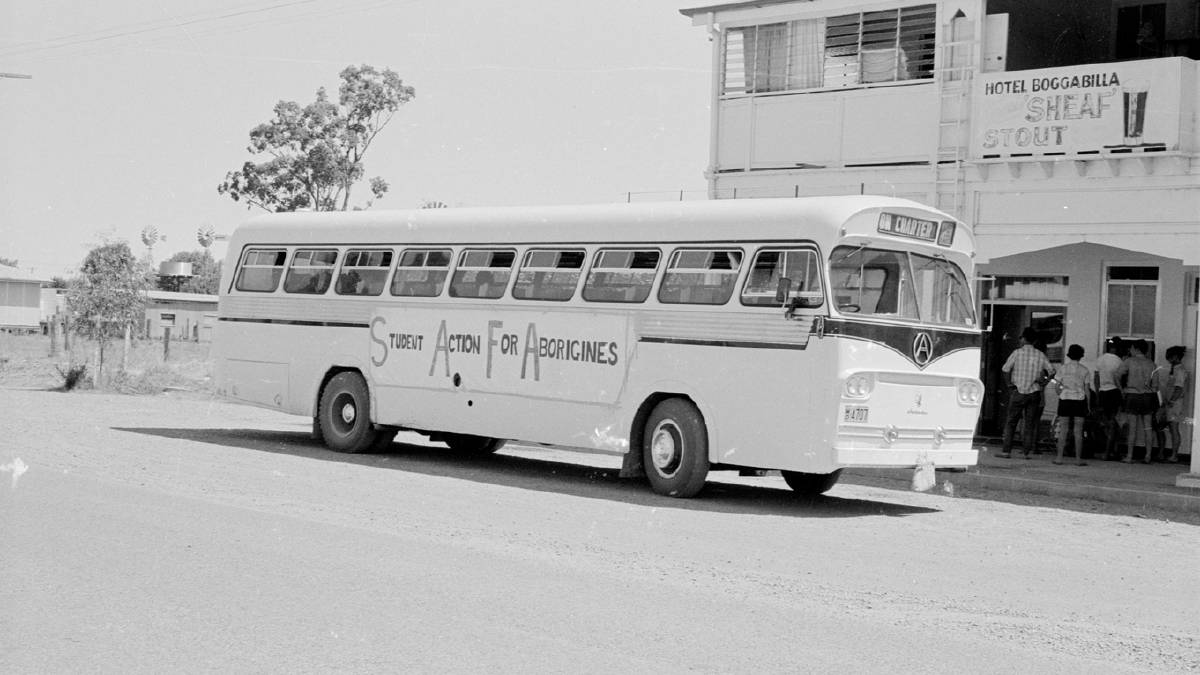
The freedom ride bus outside Hotel Boggabilla in 1965. Image source: The Canberra Times.

Calls to ignore scare campaign over 60-day prescribing reforms

NACCHO, CHF, RACGP and the AMA have joined together to call on the Opposition and the Greens to support 60-day scripts to save patients money and time, and free up GPs for other patients. The 60 Day Dispensing reform is due to commence on 1 September, however, a “scare campaign” over the past several months to stop the changes has triggered concerns that the Opposition and The Greens will try to block the reform in the Senate with a disallowance motion.

RACGP President Dr Nicole Higgins said, “I’m calling on Opposition Leader Peter Dutton and The Greens to put Australians first and rule out a disallowance. 60-day dispensing is in patients’ best interests – it will save around 6 million people money and time, and free up GP consults for other patients.”

Health Minister, Mark Butler also urged the Coalition to reconsider its opposition to the introduction of 60-day scripts. The Minister said 30-day scripts makes “no sense for people who are on the same medicine, year in year out, decade in decade out, sometime for the rest of their lives.”

Read NACCHO’s June media release here and the RACGP media release here.

You can also read the Croakey Health Media article in full here.

Ngaanyatjarra Pitjantjatjara Yankunytjatjara youth speak up for each other

Friday 4 August marks National Aboriginal and Torres Strait Islander Children’s Day. Ahead of the day to celebrate and stand up for Aboriginal and Torres Strait Islander children, a group of young people from Ngaanyatjarra Pitjantjatjara Yankunytjatjara (NPYLands met with the National Children’s Commissioner last week to discuss the needs of young people “to keep them out of trouble.”

NPY Women’s Council said the group spoke with the Commissioner about the underlying factors causing young people to “muck up”, which included social media fueling negative stereotypes, racism, negative relationships with law enforcement, and difficult home lives.

Making suggestions on what’s needed to better support the young Community, they discussed the importance of meaningful and purposeful engagement. One young person said, “getting to keep language and culture and learn at school – having both – makes people happy,”

Another talked about the importance of family and culture, “Family can help show us the right way… Nana’s, older cousins, Elders…family is comforting.”

The Children’s Commissioner will be travelling around Australia to talk to young people and will create a report to government.

Read more here.

Image source: NPY Women’s Council.

Making decisions about a child in care

WA’s Department of Communities has created a decision-making guide to support foster and family carers. Who can say OK in WA was developed in consultation with ACCHOs and community service organisations to support decision-making about children in care. It will be a resource for foster and family carers who are frequently presented with everyday decisions that all families make about children and young people. It is designed to make carers feel confident about which decisions they can make, so that childhood experiences for children in care are as normalised as possible.

It includes guidance on identity and culture, helping carers honour, respect, and maintain the child’s birth family’s culture. As well as advice on decisions for household rules and discipline, education, physical and mental health, sexuality and gender diversity.

Learn more here.

Who can say OK in WA resource

Deadly start to providing culturally safe care

A new school-based traineeship program is helping build Townsville University Hospital’s Aboriginal and Torres Strait Islander workforce. The Deadly Start program provides year 11 Aboriginal and Torres Strait Islander students with 12-months workplace experience within the hospital and a Certificate III in Health Service Assistance or Allied Health Assistance. Pimlico High School student Bevan Kepa said the course helped him find a path to a career in healthcare.

“It’s been really helpful because I wasn’t really sure what I wanted to do after school…”

“It’s important for me to go down this path so we can have more Aboriginal and Torres Strait Islander representation in the health industry,” he said.

The program comes alongside the University Hospital’s Reconciliation Action Plan, to have greater Aboriginal and Torres Strait Islander workplace representation, which reflects the region’s population. Workforce programs co-ordinator, Alisha Kyle said programs like Deadly Start help to improve cultural safety, “by having a workforce that represents our First Nations consumers, we are improving access to healthcare for our mob, and ultimately improving their health outcomes.”

Read more here.

Pimlico High School student Bevan Kepa. Image source: Townsville Bulletin.

Sector Jobs

Sector Jobs – you can see sector job listings on the NACCHO website here.

Advertising Jobs – to advertise a job vacancy click here to go to the NACCHO website current job listings webpage. Scroll down to the bottom of the page to find a Post A Job form. You can complete this form with your job vacancy details – it will then be approved for posting and go live on the NACCHO website.

2 August 2023

Pene Wood, Pharmacist, Wathaurong Aboriginal Co-operative Health Services and Alice Nugent, Pharmacist Advisor, NACCHO; text 'PSA National Conference includes panel discussion on funding for PHARMACISTS in ACCHOs'

The image in the feature tile is of Pene Wood, Pharmacist, Wathaurong Aboriginal Co-operative Health Services and Alice Nugent, Pharmacist Advisor, NACCHO. Image source: NACCHO ACCHO Medicines Management Guidelines V1.0 2022.

The NACCHO Aboriginal and Torres Strait Islander Health News is platform we use to showcase the important work being done in Aboriginal and Torres Strait Islander health, focusing on the work of NACCHO, NACCHO members and NACCHO affiliates.

We also share a curated selection of news stories that are of likely interest to the Aboriginal and Torres Strait Islander health sector, broadly.

Pharmacists in ACCHOs discussed at PSA conference

Over the weekend NACCHO’s Alice Nugent, Pharmacist Advisor, Medicines Policy and Program attended the Pharmaceutical Society of Australia (PSA) national conference to participate in a panel discussion. The main focus of the panel discussion was the recent recommendation by the Australian Government Medical Services Advisory Committee to support public funding for pharmacists to work in Aboriginal and Torres Strait Islander health services, as per the Integrating Pharmacists within Aboriginal Community Controlled Health Services to Improve Chronic Disease Management (IPAC Project) project model.

The role of pharmacists working within ACCHOs continues to evolve following the conclusion of the IPAC Project in 2020. The panel discussion included an update on progress since the end of the IPAC project; a sector update from NACCHO; reflection on the uptake and impact of the Deadly Pharmacists Foundation Training Course; and explore future opportunities for pharmacists working in this unique setting.

Speakers included pharmacist Chastina Heck, a Nywaigi Mamu Bidjara woman and Chair of the NACCHO/ PSA Aboriginal and Torres Strait Islander Pharmacy Practice Community of Specialty Interest (ATSIPP CSI). Chastina described opportunities to engage in lifelong cultural learning and ways to connect with the growing network of pharmacists passionate about the Aboriginal and Torres Strait Islander primary health sector.

By the end of the panel discussion, participants were able to:

  • describe emerging opportunities for pharmacists to work within Aboriginal and Torres Strait Islander primary health care services
  • recognise the role of NACCHO in identifying the quality use of medicines (QUM) needs of ACCHOs
  • discuss ways in which pharmacists can progress their lifelong cultural learning
L-R: Megan Tremlett (PSA), Chris Braithwaite (PSA), Kirra Natty (conference grant recipient), Alice Nugent (NACCHO), Alex Burke (conference grant recipient), Chastina Heck, Bronwyn Clark (Australian Pharmacy Council)

L-R: Megan Tremlett (PSA), Chris Braithwaite (PSA), Kirra Natty (conference grant recipient), Alice Nugent (NACCHO), Alex Burke (conference grant recipient), Chastina Heck, Bronwyn Clark (Australian Pharmacy Council).

Study investigates serious health issues mob face

A landmark research project will place health workers in Indigenous communities across Queensland to study the long-term wellbeing of Aboriginal and Torres Strait Islander families. Researchers from The University of Queensland (UQ) and Mater Research Institute will identify 400 Indigenous families during pregnancy, and monitor the health and wellbeing of participating mothers, fathers and babies over five years.

Project lead Associate Professor Kym Rae from MRI-UQ said as well as improving the health of participants, the study would investigate the serious health issues faced by Aboriginal and Torres Strait Islander people, “Indigenous communities have a higher risk of chronic health conditions such as diabetes, heart disease and kidney disease – and babies face a higher risk of premature birth and low birth weight. This project will enable early diagnoses, so participants can decide on appropriate healthcare interventions. We also want to uncover the drivers of long-term health for Indigenous Australians and what influences the development of disease, so the results can inform long-term policy changes to benefit communities across the country.”

Dr Rae said the project would work with Indigenous organisations, health services and patients to identify priorities for research. “Indigenous communities can have limited access to GP’s, midwives, Aboriginal health workers, allied health staff and paediatricians. This initiative will allow families in need to access those healthcare services without going on lengthy waiting lists – which means better outcomes for children.”

To read the Mater News article Landmark First Peoples health study to roll out across Queensland in full click here.

Mater Group, Research - 3 women standing against shrubs

Mater Group, Research. Image source: Mater News – August 2023.

New era of cultural respect at UNE

Three dedicated Lecturers in Indigenous Knowledges are helping to advance a culturally safe and inclusive culture at the University of New England (UNE). Ngarabul and Dharug woman Lynette Marlow, Biripi woman Caitlin Davey and Wadi Wadi woman Brittany Abraham – all current UNE scholars – are UNE’s inaugural Lecturers in Indigenous Knowledges.

Assisting First Nations students to navigate university is their primary focus, to help boost engagement, success and retention among the hundreds enrolled. However, the trio are having just as profound an impact on non-Indigenous students and staff as they work collaboratively to improve cultural awareness, decolonise course content and inform UNE policies.

Brittany, who studied a Bachelor of Nursing and Psychological Science at UNE before completing her Honours in Psychology, is now preparing to embark on a PhD. As a Lecturer in Indigenous Knowledges within UNE’s Faculty of Medicine and Health she is playing an important role in preparing students for clinical placements in Indigenous communities. “It’s vital that our medicine and health students are educated about how to work with Aboriginal people and understand how to be culturally-responsive practitioners,” Brittany said. “Our broader role within the university is to share culturally accurate and appropriate information regarding Aboriginal and Torres Strait Islander cultures, to reduce stereotypes and focus on the strengths of people from Aboriginal and Torres Strait Islander backgrounds. This is important for everyone.”

To view the UNE Connect article New era of cutlural respect dawns in full click here.

two of UNE's inaugural Lecturers in Indigenous Knowledges, Caitlin Davey and Lynette Marlow standing either side of the UNE Oorala Aboriginal Centre Entrance

Caitlin Davey and Lynette Marlow are two of UNE’s inaugural Lecturers in Indigenous Knowledges. Image source: UNE Connect webpage.

Dameyon Bonson talks Black Rainbow

Last week, the results of the Rainbow Knowledge Survey were released, with more than 600 Aboriginal and Torres Strait Islander people, aged between 14 and 25, and who also identify as lesbian, gay, bisexual, transgender, queer or asexual, surveyed as part of a national study. 

The findings showed that nearly one in five of the participants had tried to take their own life in the past year, and within our communities we talk a big game about supporting one another, but are we meeting the needs of every part of our communities when it comes to that? 

Earlier this morning on JOY Breakfast, hosts Rach and Dean welcomed Dameyon Bonson founder of Black Rainbow, a national volunteer Aboriginal and Torres Strait Islander LGBQTIA+SB social enterprise to pursue positive health and wellbeing of the Aboriginal and Torres Strait Islander LGBQTIA+SB community.

You can listen to the Joy Breakfast with Rach & Dean Dameyon Bonson talks Black Rainbow podcast episode here.

group of ATSI people holding Black Rainbow banner, Joy Radio hosts Rach & Dean superimposed

Image source: Joy Breakfast website.

Role of physios in Reconciliation and health

The Australian Physiotherapy Association (APA) national conference IGNITE 2023 will be held in early October in Brisbane. During the conference delegates will have the opportunity to discuss the role of all physiotherapists in Reconciliation and Aboriginal and Torres Strait Islander health. Lowitja Institute CEO Janine Mohamed will discuss racism and its impact on health and wellbeing and Indigenous Allied Health Australia (IAHA) CEO Donna Murray will provide an overview of Aboriginal and Torres Strait Islander health, focusing on social and cultural determinants of health. Following this, APA National President Scott Willis APAM will join Janine and Donna for a panel discussion and the session will close with an audience Q&A.

Kathryn Potter APAM, chair of the APA’s Aboriginal and Torres Strait Islander Health Committee, says that physiotherapists have an important role to play in improving the health outcomes of Aboriginal and Torres Strait Islander Peoples, both as clinicians and as respected members of the community. “The role of our profession extends beyond our clinic walls and all physiotherapists can engage in Reconciliation, whether through student placements, employment opportunities, procurement or engagement with the local community,” Kathryn said.

You can learn more about the IGNIT 2023 conference program and speakers by visiting the Ignite 2023 Physiotherapy Conference website here.

Australian Physiotherapy Association tile text 'Brisbane 5-7 October IGNITE 2023 Physiotherapy Conference'

Sector Jobs

Sector Jobs – you can see sector job listings on the NACCHO website here.

Advertising Jobs – to advertise a job vacancy click here to go to the NACCHO website current job listings webpage. Scroll down to the bottom of the page to find a Post A Job form. You can complete this form with your job vacancy details – it will then be approved for posting and go live on the NACCHO website.

Key Date – World Breastfeeding Week – 1–7 August 2023

During World Breastfeeding Week, 1–7 August 2023, NACCHO will be sharing a range information about breastfeeding as it relates to Aboriginal and Torres Strait Islander women and their families.

Breastfeeding is recognised globally as the optimal method for feeding infants because it is linked to the child’s survival, growth and development. Breast milk is uniquely suited to the needs of newborns, providing nutrients that are readily absorbed by their digestive system and conferring both active and passive immunity for two years and beyond.

Australia’s infant feeding guidelines recommend exclusive breastfeeding of infants until around six months of age when solid foods are introduced and continued breastfeeding until the age of 12 months and beyond at the discretion of the mother and child. ‘Exclusive breastfeeding’ means that the infant receives only breast milk (including expressed milk) and medicines (including oral rehydration solutions, vitamins and minerals), but no infant formula or non-human milk. For some Aboriginal and Torres Strait Islander infants living in poor housing conditions, breastfeeding offers additional protection where hygiene practices required for sterilising bottles may not be easily achieved or maintained.

Breastfeeding brings a range of health benefits for both the infant and the mother. It enhances bonding and attachment between the mother and the baby, reduces infant deaths and protects children against illnesses and conditions, including sudden infant death syndrome (SIDS), necrotising enterocolitis (NEC), diarrhoea, respiratory infections, otitis media, overweight or obesity, diabetes and childhood leukaemia. Breastfeeding also reduces the risk of hospitalisation for infants. Maternal health benefits include a reduction in the incidence of breast and ovarian cancer and reduced maternal depression.

You can read more about breastfeeding practices as a determinant of Aboriginal and Torres Strait Islander health on the Australian Institute of Health and Welfare website here.

ATSI baby breastfeeding

Image source: Australian Breastfeeding Association.

1 August 2023

The NACCHO Aboriginal and Torres Strait Islander Health News is platform we use to showcase the important work being done in Aboriginal and Torres Strait Islander health, focusing on the work of NACCHO, NACCHO members and NACCHO affiliates.

We also share a curated selection of news stories that are of likely interest to the Aboriginal and Torres Strait Islander health sector, broadly.

Important conversations about bowel cancer screening

Aboriginal and Torres Strait Islander peoples aged 50 to 74 are urged to do a free bowel cancer screening test. Bowel cancer is Australia’s second biggest cancer killer and one of the most common cancers impacting Aboriginal and Torres Strait Islander peoples. However, if detected early, almost all bowel cancers are treatable. Approximately one in three Aboriginal and Torres Strait Islander peoples are completing their bowel cancer screening tests as part of the national program. Wuthathi and Meriam man John Paul Janke is advocating for more Aboriginal and Torres Strait Islander people to take up the free test, part of the National Bowel Cancer Screening program.

“As Aboriginal and Torres Strait Islander peoples, we need to have important conversations about our health.

“Bowel cancer screening is something that is simple, free and easy to do. We need to encourage our brothers and sister to participate, there’s absolutely no shame in looking after your health and wellbeing,” Mr Janke said.

All eligible Australians aged 50 to 74 receive the free bowel cancer screening test in the mail every two years, or through their healthcare professionals. Replacement kits can be ordered through your local health clinic.

For NACCHO Bowel Cancer Screening resources go here.

To read the full Canberra Weekly article click here.

Improving access for patients and attracting medical professionals to the regions: RACGP tours WA

Last week, RACGP President, Dr Nicole Higgins toured WA to discuss doctor shortages, workforce challenges, and culturally safe care. Derbarl Yerrigan Aboriginal Health Service was on the list of stops, the ACCHO providing expertise on how to best provide care for Aboriginal and Torres Strait Islander peoples. RACGP WA Chair, Dr Ramya Raman said, “many of us, including myself, have Aboriginal and Torres Strait Islander patients and we need to be understanding and respectful to the cultural aspects, as well as being able to manage some of the health conditions in a culturally sensitive manner.”

Attending other health services throughout the state, RACGP said the main concerns raised about rural healthcare include improving access for patients, and how to best attract medical professionals to the regions. COVID-19 exacerbating workforce challenges, and creating changes across general practice, which are expected to be felt for years to come.

“There is a level of isolation that many practitioners, medical students, as well as nursing and allied health staff and other colleagues are feeling. There’s a sense of burnout,” Dr Raman said.

Read the full News GP article RACGP tours WA to discuss doctor shortage here.

National Road Safety Action Grants Open

Grants to help reduce road fatalities and injuries are now open. On Friday 28 July Assistant Minister for Infrastructure and Transport, Senator Carol Brown announced the opening of the National Road Safety Action Grants Program. The program will deliver key non-infrastructure commitments critical to the delivery priorities outlined in the National Road Safety Strategy 2021-30 and National Road Safety Action Plan 2023-25.

The program will provide funding across five key focus areas critical to reducing fatalities and serious injuries on our roads:

  1. Community Education and Awareness, including workplace road safety.
  2. Vulnerable Road Users
  3. First Nations Road Safety
  4. Technology and Innovation
  5. Research and Data

Applications for the first two focus areas (Community Education and Awareness, and Vulnerable Road Users) are now open. The program is open to a range of organisations including not-for-profit and research, as well as local, state, and territory governments.

Application for the next two streams (First Nations Road Safety, and Technology and Innovation) are expected to open later this year.

Applications for focus areas one and two close Friday 25 August.

For more information go here.

Image source: The Conversation.

AIDA and AMA sign agreement to help close health gap.

The Australian Indigenous Doctors’ Association (AIDA) and the Australian Medical Association (AMA) have signed a memorandum of understanding, cementing a shared commitment towards tackling serious health inequalities affecting Aboriginal and Torres Strait Islander peoples, and to empower future Aboriginal and Torres Strait Islander doctors.

“Clinical safety is cultural safety, and it is essential we continue to improve outcomes for our people. By uniting in purpose, we can continue to unlock endless possibilities through our work towards a shared vision of a culturally safe healthcare system,” said AIDA President, Dr Simone Raye.

AMA President, Professor Steve Robson said the new agreement would unlock further collaboration with AIDA and foster growth of a culturally safe expert medical workforce.

“Aboriginal and Torres Strait Islander peoples have a right to affordable and culturally safe healthcare, no matter where they are in Australia,” he said.

Read more here.

AIDA President Dr Simone Raye and AMA President Professor Steve Robson. Image source: AIDA Facebook.

What does ‘Culture First’ mean to you? SEWB Gathering 4 gets underway.

The fourth Social Emotional Wellbeing (SEWB) Gathering is in full swing, kicking off yesterday Monday 31 July and is on until Wednesday 2 August in Darwin. Delegates from Aboriginal and Torres Strait Islander peak bodies, community organisations, leaders, and experts from across Australia joining forces to discuss social and emotional wellbeing topics, centered around the theme ‘Culture First.’ The upcoming referendum was a key discussion yesterday, with the question ‘How does the Voice and political issues impact on SEWB?’

Taking to the podium Professor Tom Calma said, “I emphasis youth because this referendum is about the future. Young Australians will be a driving force in this referendum, they have been spared the miseducation and misinformation that was received by their parents and grandparents.”

Image source: Centre of Best Practice Facebook.

Sector Jobs

Sector Jobs – you can see sector job listings on the NACCHO website here.

Advertising Jobs – to advertise a job vacancy click here to go to the NACCHO website current job listings webpage. Scroll down to the bottom of the page to find a Post A Job form. You can complete this form with your job vacancy details – it will then be approved for posting and go live on the NACCHO website.

Key Date: World Breastfeeding Week

World Breastfeeding Week runs from Tuesday 1 August to Monay 7 August. The global campaign aims to raise awareness among decision-makers, workplaces, and the wider community about the importance of breastfeeding and its benefits.

Key messages of the campaign include:

  • Breastfeeding is easier when everyone steps up to support mothers.
  • Women everywhere need paid maternity leave.
  • Breastfeeding is easier when workplaces provide support and dedicate time and space to breastfeed or express milk.

NACCHO’s Strong Born Campaign, in collaboration with the National FASD Campaign Working Group, aims to raise awareness of Fetal Alcohol Spectrum Disorder (FASD) and the harms of drinking alcohol while pregnant and breastfeeding.

Messaging surrounding breastfeeding includes:

“No alcohol during pregnancy or when breastfeeding is the safest way for mum and baby.”

“If breastfeeding bub, they can get charged up too and get really crook.”

Strong Born Campaign resources are available here.

31 July 2023

feature tile of TAC stop smoking program coordinator Jay McDonald; text 'ACCHO program draws on cultural connections to support mob reduce or quit smoking'

The image in the feature tile is of Jay McDonald, the coordinator of the Tasmanian Aboriginal Centre stop smoking program, makara patapa, coordinator. The image appeared in an ABC News article First Nations quit smoking program reaching into Aboriginal community to help people break the habit published yesterday, Sunday 30 July 2023.

The NACCHO Aboriginal and Torres Strait Islander Health News is platform we use to showcase the important work being done in Aboriginal and Torres Strait Islander health, focusing on the work of NACCHO, NACCHO members and NACCHO affiliates.

We also share a curated selection of news stories that are of likely interest to the Aboriginal and Torres Strait Islander health sector, broadly.

Quit smoking program reaching into community

Cigarettes were a constant in Tamara Style’s life for a long time. “I’ve been smoking for many years. [I started as a] young teenager, about 13 or 14, stopped while I was pregnant and then, as soon as I had my baby, taken it back up again,” she said. “It wasn’t until my daughter fell pregnant and because she lived in the same house, it was more to support her because she needed to give up.” Through the process, Ms Styles had help and support from the Tasmanian Aboriginal Centre (TAC) via regular check-in phone calls and encouragement. “They were really supportive,” she said. It has now been more than two years since her last cigarette.

The TAC’s stop smoking program, makara patapa, draws on cultural connections to help support Aboriginal community members reduce their smoking or quit completely. The program coordinator, Jay McDonald, works around the state. “I travel to each region doing pop-up sessions, home visits and educational work in the quit-smoking space and how to use the nicotine replacement products and how to use them together in combination therapy, and just trying to give people the right tools when they’re ready to quit, to make a quit attempt,” he said.

Data from the Australian Burden of Disease Study showed that tobacco use was responsible for 20% of the health gap between Indigenous and non-Indigenous Australians. The latest National Tobacco Strategy prioritised expanding and strengthening partnerships to prevent and reduce tobacco use among First Nations people.

To view the ABC News article First Nations quit smoking program reaching into Aboriginal community to help people break the habit in full click here.

Tamara Styles, park, river in background

Tamara Styles began smoking as a teen but it has now been more than two years since her last cigarette. Photo: Kate Nickels. Image source: ABC News.

Mob must be at centre of LGBTQIA+ policy

During Sydney World Pride the federal government committed to a 10 Year National Action Plan for the Health and Wellbeing of LGBTIQA+ people. This included A$26m in health research. In the announcement, the minister for health and aged care, Mark Butler, said: “While many LGBTIQA+ people live happy and healthy lives, others continue to experience discrimination, stigma, isolation, harassment and violence – all of which leads to poorer health and mental health.” A recent Australian Institute of Health and Welfare (AIHW)  report showed this cohort is disproportionately impacted by discrimination and disadvantage. The combined impacts of colonialism, racism, homophobia and transphobia result in poorer health and mental health for this group.

Aboriginal and Torres Strait Islander communities are chronically over-researched. Yet there is insufficient data about Aboriginal and Torres Strait Islander LGBTQIA+ people and mental health. The report found racism, discrimination and violence (including anticipation and fear of violence), social and cultural exclusion, criminalisation, incarceration, and exposure to grief and suicide all heighten the risk of suicide for Aboriginal and Torres Strait Islander LGBTQIA+ people.

Both Indigenous people and LGBTQIA+ people experience poorer health outcomes and higher rates of health-impacting behaviours. These can arise from minority stress, social exclusion, discrimination and trauma. On top of this, Aboriginal and Torres Strait Islander LGBTQIA+ people navigate the impacts of colonialism. The report also found that Aboriginal and Torres Strait Islander LGBTQIA+-led research, policy, and services are urgently needed to improve mental health and health outcomes for this group.

To view the Daily Bulletin article Aboriginal and Torres Strait Islander people must be at the centre, not the margins, of LGBTQIA+ plans and policies in full click here.

map of Australia with Aboriginal flag & rainbow flag in background

Image source: NIFVS Melbourne.

$10m to boost digital inclusion

The Federal government has announced a $10 million boost to address digital inclusion for Indigenous communities. The new strategy promises many benefits, however increased access to the cyber world also increases the risk of online dangers, especially with regard to vulnerable individuals and communities. Increasing the risk of exposure to online racism is a very real danger for First Nations adults and children, with experts warning of the negative impact this has on mental health.

Prior to the referendum, Aboriginal people were reportedly exposed to one incident of racism online per day and experts have advised that this is significantly higher than pre-social media times, where a person might have experienced an account of racism on one occasion per week. High profile members of the community have declared an increase of online racism, as debate around the referendum begins to intensify. The Office of the eSafety Commissioner have advised of a small but noticeable rise in adult cyber abuse complaints from First Nations people in the first quarter of 2023, with incidents expected to increase as we near the referendum.

Acutely aware of the situation unfolding, the eSafety Commissioner Julie Inman Grant stated “eSafety welcomes any initiative that aims to increase the online participation, digital literacy and digital inclusion for First Nations people. But if we do not create safer and less toxic spaces for First Nations people, we are also relegating them to less digital inclusion. Our reporting schemes deal with serious intent to harm because we know that targeted, racialised online abuse is also designed to silence voices.”

To view the National Indigenous Times article Federal government funds push to boost “digital inclusion” for Indigenous communities in full click here.

NIAA app on iPhone text 'First Nations Digital Inclusion Plan' & computer screen

Image source: National Indigenous Times.

Suicide rate linked to health system shortcomings

Data showsIndigenous children and teenagers are taking their own lives at a rate three times higher than non-Indigenous youth. According to the Suicide in Queensland Annual Report 2022, by the Australian Institute for Suicide Research and Prevention (AISRAP), Aboriginal and Torres Strait Islander youth aged under 20 accounted for 15.8% of all suspected suicides by Aboriginal and Torres Strait Islander peoples in 2021, compared to 4.9% for non-Indigenous youth who were the same age.

Dr Mark Wenitong, who holds a number of portfolios including co-chair of the Queensland Health Aboriginal and Torres Strait Clinical Network and advising commissioner on National Mental Health Commission, shed light on the prevalence of mental health problems in First Nations communities as everything from “mild issues” right through to suicidality or psychosis. “Both those ends of the spectrum occur in our communities and the biggest background noise telling us something’s wrong is the suicide rates,” he said.

“We do have very high suicide rates in our community, particularly exaggerated in younger people, we’re talking very young – ten year olds – in places like the Kimberley.” The impact on very young people was a serious worry, he said, due to their inability to actively seek help. Some part of it, in his opinion, was a fallout of colonisation, resulting in fragmented identity and a lack of meaningful connection to modern day ideals and expectations. But what was more concerning to him were the inadequacies in the health system when it came to following up after an attempt of suicide.

The above has been extracted from an article Dr Mark Wenitong talks about the high incidence of suicide among Indigenous youth and how it can be addressed published in The Cairns Post earlier today. A related ABC News article Family’s grief throws spotlight on an Indigenous ‘suicide crisis’ in WA’s Great Southern region is available in full here.

Dr Mark Wenitong

Dr Mark Wenitong. Photo: Brendan Radke. Image source: The Cairns Post.

The Voice – an NT doctor’s perspective

Professor Anna Ralph, the Deputy Director of Research at Menzies School of Health Research at the Royal Darwin Hospital in the NT  has spoken  about her experiences with Indigenous wellbeing and whether a Voice to Parliament would help at a national level. Professor Ralph is an infectious diseases physician who conducts regular clinics and ward rounds, as well as outreach clinics to remote communities. At the Royal Darwin Hospital, 60-90% of patients are First Nations people, with 59% speaking an Indigenous language as their primary language. Professor Ralph says that there are more than 20 unique languages spoken by patients attending the hospital.

“The NT has the nation’s highest rates of self-discharge from hospital. Patients are not having a good experience of care,” said Professor Ralph. “The data shows that as interpreter use improved, self-discharge rates went down. People are getting better communication; they’re going to stay in hospital to get the treatment they need,” said Professor Ralph. “Patients’ experience of care was utterly transformed by having access to an interpreter. People who were on renal dialysis, for example, stopped skipping dialysis sessions because they now understand of the importance of it,” said Professor Ralph.

“Having a Voice to Parliament – and having a Yes vote at the referendum – would be a way to help the national psyche and a step towards reconciliation,” said Professor Ralph. “It would help to address those power dynamic issues in health care. The more that First Nations peoples are empowered in health care, the better off health is going to be,” said Professor Ralph.

To view the InSight+ article Voice to Parliament: a NT doctor’s perspective in full click here.

Online Voice lies and misinformation

The Indigenous Voice to parliament is being threatened by suspicious social media accounts and deepfake content spreading lies about constitutional recognition, a leading misinformation expert has warned. As Voice advocates escalate campaign activities around the country, including online, they are facing a barrage of incorrect and malicious claims about the proposed body’s powers, and the false claim that taxpayers will have to pay royalties and rates to its members.

Ed Coper, director of communications agency Populares, said his research showed sentiment on social media has No voices outweighing Yes voices by as much as five to one. Many Twitter accounts sharing anti-Voice content have been opened very recently and show little other content or activity. These factors are red flags for disinformation experts, and commonly indicate the accounts are inauthentic and set up using fake identities. Their express purpose can be a gaming of social media algorithms in favour of conspiracies and arguments for the No case.

Suspicious activity being tracked on Facebook could be linked to so-called “bot nets”, which are networks of fake accounts creating and sharing misinformation about the referendum question. Some anti-Voice posts have what experts consider an implausibly high number of shares among Facebook users, with many copying and sharing the same misinformation. Mr Coper said the tactics are being imported from the US, including from followers of the online conspiracy theory QAnon.

To view the Financial Review article How online disinformation is hijacking the Voice in full click here.

logos or Twitter, Facebook, Google, Instagram, You Tube etc

Image source: The Sydney Morning Herald.

Sector Jobs

Sector Jobs – you can see sector job listings on the NACCHO website here.

Advertising Jobs – to advertise a job vacancy click here to go to the NACCHO website current job listings webpage. Scroll down to the bottom of the page to find a Post A Job form. You can complete this form with your job vacancy details – it will then be approved for posting and go live on the NACCHO website.

27 July 2023

The NACCHO Aboriginal and Torres Strait Islander Health News is platform we use to showcase the important work being done in Aboriginal and Torres Strait Islander health, focusing on the work of NACCHO, NACCHO members and NACCHO affiliates.

We also share a curated selection of news stories that are of likely interest to the Aboriginal and Torres Strait Islander health sector, broadly.

Every government needs to lift its game

Earlier this week the Productivity Commission released a review of the National Agreement on Closing the Gap. The review indicates that Governments have failed to properly share decision-making with Aboriginal and Torres Strait Islander people to accelerate Closing the Gap, accountability is limited, and progress is falling short. NACCHO CEO, Pat Turner sat down on ABC’s The Drum last night. When asked if she was surprised about the Productivity Commission’s findings Pat said she has met with all levels of government throughout the year, “and I’ve made it very clear that progress has been very patchy, and it has been inconsistent, and every government needs to lift its game.”

“The fundamental issue in this country is the level on inequality between Aboriginal and Torres Strait Islander people and other Australians, and we must fix that now,” Ms Turner said.

Ms Turner said where there have been pockets of reform, it is where ACCOs “have had some agency in those circumstances to negotiate a better approach and resources, and actually delivery the services.”

“They do it much better and we need this to happen on a much broader scale,” Ms Turner said.

Ms Turner went on to say that the report by the Productivity Commission is timely and a “wake-up call” for what she’s been discussing with governments all year and will continue to do so.

“They have all acknowledged, with hand on heart, that they are lagging, and they need to improve their game.”

“I think there is a bit of a block when it comes to them understanding exactly how much the unmet needs, that have existed for so many decades, are going to cost.”

Watch the full The Drum interview on ABC IView here.

cover of Aust Govt Productivity Commission July 2023 Review of the National Agreement on CTG draft report

Water access in Yuendemu and Milingimbi

Tens of thousands of Aboriginal and Torres Strait Islander people in remote communities still don’t have access to healthy drinking water. It harms people economically, because towns and families can’t get ahead if they can’t rely on the basics of life, and culturally it causes harm for people to see their river and waterways run dry. Part of the Federal Government’s $150 million fund to Close the Gap on First Nations Water Security, $17.5 million will fund two projects in the NT, alongside $9.1 million from the NT Government.

In Yuendemu there will be three critical construction projects in the Central Desert community. The project includes a water service line replacement, equipping of two existing bores and a rising main replacement which will prevent leakage and provide increased water transfer capacity that can support new housing development. There will also be three projects in Milingimbi to improve access and reliability of water supply in East Arnhem Land.

Environment and Water Minister, Tanya Plibersek said, “In a country like Australia, here are things that most of us take for granted. Like when we turn the tap on at home, safe drinking water will come out.”

“But for more than 25,000 people in remote Australia, that isn’t the case. These Australians live in places without access to water that meets basic health guidelines. And another 600,000 people live in places without access to water that meets recognised standards – relying on water that’s murky, or contains unsafe levels of minerals, heavy metals and chemicals.”

“This level of deprivation is unacceptable. It makes Australians sick, and it holds them back in life. Our government is committed to changing this,” said Minister Plibersek.

Construction will commence in the 2023 Northern Territory dry season and will be delivered closely with the Yuendumu and Milingimbi communities to ensure their views and priorities for their own communities are heard.

Read more here.

Image Source: ABC News.

Derbarl Yerrigan leading the way in holistic primary care

Leaders from The Royal Australian College of General Practitioners (RACGP) will meet with local GPs and practice teams, including Derbarl Yerrigan Aboriginal Health Services to discuss WA rural workforce concerns. RACGP President, Dr Nicle Higgins said she’s looking forward to visiting Derbarl Yerrigan Aboriginal Health Services and “meeting with the incredible team there which provides culturally secure primary care, mental health and dental services for Aboriginal families living across Perth.”

Derbarl Yerrigan are a wonderful example of holistic primary care, and we can learn a lot from them,” she said.

Access to holistic primary care in WA is a top concern for rural communities, said RACGP WA Chair, Dr Ramya Raman.

“People living in rural communities have lower life expectancies and worse health outcomes than those in Australia’s major metropolitan cities.”

“Rural communities need a strong, sustainable primary care system, where GPs are supported to work in multidisciplinary teams with allied health professionals, nurse practitioners and pharmacists,” Dr Ramya said.

Read more here.

Calls for Indigenous-led education system

A new report by Indigenous leaders has called on governments to overhaul the way Aboriginal and Torres Strait Islander children are educated. The MK Turner report makes the case for an Indigenous-led education system that priorities Indigenous language and culture. It comes as school attendance rates in NT continue to fall in urban and remote areas and several national Closing the Gap education targets are unlikely to be met.

Board member at Children’s Ground and contributor to the MK Turner Report Joanne Willmot said the education system would require significant reforms in order for Aboriginal and Torres Strait Islander children to excel in the classroom.

“Education of our children is everyone’s business.”

“Children who grow into healthy, engaging, articulate and eloquent human beings contribute better, so why wouldn’t you want to use that as an investment to create better societies?” said Ms Willmot.

Learning in-language is only “part of the equation” for better engaging children in school, Ms Willmot said.

“It is about how do we do it in our way. And we’re supported in ensuring that our children get to be able to work and walk in both worlds,” she said.

Gavin Morris, Principal at Yipirinya School in Alice Springs, which teaches four Aboriginal languages and English, said enrollment has tripled in the past two years through working with student’ families and communities. However, across the education system Aboriginal and Torres Strait Islander children are not being represented.

“Unless you’ve got a First Nations curriculum, which is led by First Nations people. Which has come from community and taught by First Nations educators, then this conversation around attendance and enrolment just won’t change,” said Mr Morris.

Read the ABC article in full here.

Image source: ABC Alice Springs: Lara Stimpson.

Sector Jobs

Sector Jobs – you can see sector job listings on the NACCHO website here.

Advertising Jobs – to advertise a job vacancy click here to go to the NACCHO website current job listings webpage. Scroll down to the bottom of the page to find a Post A Job form. You can complete this form with your job vacancy details – it will then be approved for posting and go live on the NACCHO website.

26 July 2023

feature image: NAIDOC march Melbourne 7.7.23; text 'Governments are failing to SHARE Decision-making with Aboriginal and Torres Strait Islander people'

The image in the feature tile is from on a NAIDOC march in Melbourne earlier this month. The image appeared in The Conversation article Governments are failing to share decision-making with Indigenous people, Productivity Commission finds published this morning, Wednesday 26 July 2023.

The NACCHO Aboriginal and Torres Strait Islander Health News is platform we use to showcase the important work being done in Aboriginal and Torres Strait Islander health, focusing on the work of NACCHO, NACCHO members and NACCHO affiliates.

We also share a curated selection of news stories that are of likely interest to the Aboriginal and Torres Strait Islander health sector, broadly.

Governments failing to share decision-making

Governments have failed to properly share decision-making with Indigenous people to accelerate Closing the Gap, despite formally undertaking to do so, according to a scathing indictment by the Productivity Commission. The commission says too many government agencies consult Indigenous people “on a pre-determined solution, rather than collaborating on the problem and co-designing a solution”.

The broad-ranging criticism is contained in the commission’s first review, available here, of the 2020 “National Agreement on Closing the Gap”. The Albanese government will use the findings to reinforce its pitch for the Voice – which is that Indigenous people are not being properly heard on what needs to be done to tackle the problems in health, housing, employment, education and other areas of disadvantage.

The review says: “There appears to be an assumption that ‘governments know best’, which is contrary to the principle of shared decision-making in the Agreement.” The national agreement was put in place in negotiations with the Coalition of Aboriginal and Torres Strait Islander Peak Organisations. Federal, state, territory and local governments and the Coalition of Peaks share accountability for the agreement’s implementation. Then-prime minister Scott Morrison lauded it as a new collaborative way forward. But Productivity Commission chair Michael Brennan says while the agreement holds significant promise, “so far we are seeing too much business as usual and too little transformation”.

To view The Conversation article Governments are failing to share decision-making with Indigenous people, Productivity Commission finds in full click here.

cover of Aust Govt Productivity Commission July 2023 Review of the National Agreement on CTG draft report

Mental health issues for LGBTIQA+ youth

Nearly one in two young Indigenous LGBTIQA+ Australians have attempted suicide at some point in their life, new research has found. More than 600 Aboriginal and Torres Strait Islander people, aged between 14–25 and who also identify as lesbian, gay, bisexual, transgender, queer or asexual, were surveyed as part of a national study. The findings, published today, show nearly one in five of the participants had tried to take their own life in the past year.

The Walkern Katatdjin: Rainbow Knowledge survey — the first of its kind — also found more than 90% of those surveyed experienced high or very high levels of psychological distress in the prior two weeks.

Lead author of the report Shakara Liddelow-Hunt said the extent of the poor mental health among the Indigenous, LGBTIQA+ youth was “shocking” but not unexpected, saying “Our findings confirm what our communities have known for a long time. But capturing these statistics through the survey was an important step.”

To view the ABC News article Walkern Katatdjin: Rainbow Knowledge survey shines spotlight on mental health issues faced by Indigenous LGBTIQA+ youth in full click here.

James Hill is a queer Ngarrindjeri

James Hill is a queer Ngarrindjeri man who took part in the survey. Photo: Daryna Zadvirna, ABC News.

Rural GPs on climate change front line

A heavy burden of responsibility for responding to climate-induced health impacts will likely fall to rural GPs, so our National Health and Climate Strategy should reflect this, says the Australian College of Rural and Remote Medicine (ACRRM). “Rural generalists are uniquely placed to lead the response to the burden of disease resulting from climate change, including mental illness, and to provide high quality care and keep people healthy and out of hospital,” ACRRM says in its response to the strategy.

Noting the intertwined health disparities of rural and Indigenous Australians, ACCRRM’s submission highlights the need to defer to Indigenous traditional knowledge of the environment and empower Aboriginal and Torres Strait Islander communities to lead climate action planning. “Best practice principles to facilitate this will include place-based adaptation and mitigation strategies, leveraging valuable biocultural knowledge and sustainable resourcing, all as outlined in the recent Lowitja Institute discussion paper,” the college says.

ACRRM specifically calls out “one-size-fits-all” approaches outlined by the strategy and highlights the challenges, and higher costs, smaller practices will likely face in implementing the climate change strategies. “The Strategy must recognise that there will be different challenges for different communities, requiring purpose-built solutions. Strong partnerships and a multi-agency approach, which is flexible to adapt to the specific needs of rural and remote communities is required to address health inequity.”

You can access more information on the National Health and Climate Strategy on the Australian Government Department of Health and Aged Care website here.

To read the Medical Republic article Rural GPs on the Climate Change front line in full click here.

housing in Aboriginal town camp

Aboriginal town camps Town camp housing typically lacks simple features to keep cool, such as insulation and wide awnings. Photo: Mike Bowers. Image source: The Guardian.

Students spend day in the life of a physio

Aboriginal and Torres Strait Islander students from across SEQueensland have experienced a day in the life of a physiotherapist thanks to a new pilot program at Mater Hospital Brisbane. The school-based trainees from the Institute for Urban Indigenous Health (IUIH), Pathways Our Way Academy (POWA) were part of The High School Health Adventure program for First Nations students, run by Mater Education, in conjunction with Mater Physiotherapy.

The enthusiastic cohort learned how to strap an ankle injury, assist with movement and baby handling techniques and took part in simulation physiotherapy sessions in a make-shift Intensive Care Unit. Mater physiotherapist Felicity Prebble facilitated the program and said that, according to the Australian Physiotherapy Association, only 0.7% of physiotherapists are recognised as a First Nations person.

“Increasing the representation of this population in healthcare is vital to ensure we are delivering considered and specific healthcare,” Mrs Prebble said. “Research has shown that increasing the involvement of First Nations people within healthcare delivers positive outcomes, helping to close the gap and leading to increased cultural awareness, understanding and exposure.”

To view the Mater article First Nations students inspired to pursue career in healthcare in full click here.

group of 10+ students who took part in the 'day in the life of a physio' Mater program

School-based trainees from the IUIH, Pathways Our Way Academy were part of The High School Health Adventure program for First Nations students, run by Mater Education, in conjunction with Mater Physiotherapy. Image source: Mater News.

BRAMS funded to pilot Kids Club program

Broome Regional Aboriginal Medical Service (BRAMS) will receive more than $230,000 in Cook Government funding through Healthway to pilot the Kids Club program. The program will address health behaviours such as unhealthy eating, lack of physical activity and poor mental and oral health in young children aged 0–16 years and is set to benefit nearly 3,000 Aboriginal children and their families living in and around Broome.

Aboriginal people make up 43% of the Kimberley population with half under the age of 20 years. BRAMS, in conjunction with the community, identified a need for a community-based, early intervention and prevention program to address poor health and social outcomes for young people, which can lead to health issue.

The pilot project which aims to instil lifelong habits and promote the importance of regular health check-ups, vaccinations, and screenings will:

  • facilitate culturally appropriate relationship building, engagement, and education opportunities for local Aboriginal children on improving health and wellbeing;
  • develop a youth committee of young Aboriginal people who can support project co-design and provide guidance on health promoting strategies for Aboriginal youth;
  • develop a ‘Kids Club’ that will utilise birthday incentives, prizes, and culturally appropriate mascots to motivate Aboriginal children and their families to complete annual health checks and engage in healthy lifestyles;
  • deliver school holiday family activities that provide educational and participation opportunities; and
  • build capacity of families through educational sessions and appropriate activities during their annual health check.

To view the media statement Keeping Kimberley kids healthy now and into the future released earlier today by Hon. Amber-Jade Sanderson, WA Minister for Health and Mental Health in full click here.

ATSI kids eating fruit

Image source: UNICEF Australia website.

Study backs tax on sugar-sweetened beverages

New research showing more than 500,000 cavities could be prevented over 10 years if a sugar tax was introduced provides yet another reason for the federal government to introduce the AMA’s proposed sugar tax. The research from three Australian Universities has concluded a tax on sugar sweetened beverages would have a major positive impact on dental heath in Australia and save the country millions of dollars.

The Monash University-led collaboration with Deakin University and the University of Melbourne provides important new data for Australia. AMA President Professor Steve Robson said there is now more impetus for the government to adopt a sugar tax which both improves health outcomes and raises revenue. “We’ve known a lot about how high sugar consumption contributes to obesity and chronic disease, but oral health is often excluded from studies.

“This important research deepens our understanding of the impact of sugary drinks on dental health across a wide range of age groups in the Australian context. It’s further evidence a tax on sugary drinks is the right decision for Australia and puts to bed industry arguments there is insufficient evidence to support a sugar tax. We know the government is focusing on ways to prevent chronic disease in Australia and we continue to urge them to implement a sugar tax like more than 85 other jurisdictions across the world.

You can read the AMA’s media release Australian study backs AMA calls for a tax on sugar-sweetened beverages in full here.

group of different softdrinks

Image source: The Conversation.

Sector Jobs

Sector Jobs – you can see sector job listings on the NACCHO website here.

Advertising Jobs – to advertise a job vacancy click here to go to the NACCHO website current job listings webpage. Scroll down to the bottom of the page to find a Post A Job form. You can complete this form with your job vacancy details – it will then be approved for posting and go live on the NACCHO website.

25 July 2023

The NACCHO Aboriginal and Torres Strait Islander Health News is platform we use to showcase the important work being done in Aboriginal and Torres Strait Islander health, focusing on the work of NACCHO, NACCHO members and NACCHO affiliates.

We also share a curated selection of news stories that are of likely interest to the Aboriginal and Torres Strait Islander health sector, broadly.

Local care needed to lessen diabetes gap

NACCHO medical advisor, Dr Jason Agostino says Australia needs to invest in local community-led health providers to reduce rates of type 2 diabetes in Aboriginal and Torres Strait Islander peoples. It comes as Aboriginal and Torres Strait Islander people over the age of 18 are diagnosed with diabetes at a rate three times higher than the rest of the population. Dr Agostino said a lack of local health services is a key contributor to the higher rates.

“We don’t want people running from this clinic to that clinic.”

“We want people to be able to access care in a clinic that they feel safe, where they know the people there and understand the treatments,” he said.

The disease is increasingly being diagnosed in younger children. Dr Agostino said childhood diagnosis is often in cases where their mother had already been diagnosed, “We’ve always thought [of the disease] as adult onset, but the patients are getting younger and younger… A lot of them under the age of 10,” he said.

Calling for more localised Aboriginal and Torres Strait Islander health organisations that could work to prevent the disease, through education, health advice, and diagnosing and treating the disease earlier and quicker.

Read The Guardian article Investment in Indigenous community health key to reduce diabetes rates in full here.

NACCHO medical advisor, Dr Jason Agostino.

ACCHO plans $22 million hub in Murray Bridge

Moorundi Aboriginal Community Controlled Health Service CEO, Steve Sumner has been advocating and planning for a combined physical and mental health service for Aboriginal and Torres Strait Islander people since 2002. At the end of 2022, Sumner was one step closer to achieving that dream, when the federal government announced a $9 million grant for stage one of a primary health care clinic, where service providers will come together at a single site.

“It’s like this legacy I’ve had for 20 years, where I’ve had to really focus on and be true to what they wanted back then.”

“You get on with life, but you’ve got this little thing burning inside, saying ‘at some stage you’ve got to get on with this,” said Sumner.

The health centre will include two buildings with a health and community wing. However, Stage two of the $22 million reimagining of the former Lower Murray Nungas Club is not yet fully funded. Sumner said the two buildings would create a safe, welcoming space where Aboriginal and Torres Strait Islander people could seek care for their health and wellbeing issues. The centre will also feature telehealth facilities, four GP consulting rooms, and space for registered nurses and allied health professionals.

“You can’t fix your physical health if your mental, spiritual and cultural health aren’t well,” said Sumner.

Read the full Murray Bridge News article here.

Moorundi Aboriginal Community Controlled Health Service CEO, Steve Sumner. Image Source: Murray Bridge News.

Digital Inclusion Plan

The federal government has released a First Nations Digital Inclusion Plan, which outlines priorities to close the digital gap for Aboriginal and Torres Strait Islander people. The plan provides a framework for delivering Target 17 of Closing the Gapthe elimination of digital inequality for Aboriginal and Torres Strait Islander Australians. That includes identifying priority actions for Government, Community, and industry to deliver reliable and affordable telecommunications services and appropriate consumer training. The plan will focus on three key dimensions of digital inclusion: access, affordability, and ability.

Minister for Indigenous Australians, Linda Burney said, “Digital inclusion means all Australian, including First nations people, have access and use digital technologies effectively to improve their everyday lives.”

“Strengthening digital inclusion for First Nations people, especially of they live in regional or remote Australia, provides significant opportunities for increased connections to community, country and cultural identity,” said Minister Burney.

Read the First Nations Digital Inclusion Plan here.

ACCHO key player in health justice partnership research

Albury Wodonga Aboriginal Health Service (AWAHS) has been at the centre of a UK study by Nottingham Law School which is exploring trust in the legal system, through health and justice partnerships. The project looked at Aboriginal community members in NSW and Victoria who experience poor mental health and wellbeing. Lawyers from the Hume Riverina Community Legal Service were placed at AWAHS to provide free legal advice and assistance and to work collaboratively with AWAHS staff to support client wellbeing.

Results from the project found that marginalised communities would benefit from having “trusted legal advisors” within health and social care settings. Systemic racism has meant many of the participants don’t trust the law and hold it responsible for their bad experiences. Building up trust was seen as key to engagement, in particular the need for lawyers to listen and “be real,” as well as the need for institutions to go beyond symbolism and make genuine efforts in their practice. Further, showing respect, being approachable, using culturally appropriate and understandable language, and involving the community in decision making were seen as significant factors in building trusted relationships.

Read the full article here.

Albury Wodonga Aboriginal Health Service (AWAHS).

Aboriginal Languages Week

Aboriginal communities across NSW are encouraged to celebrate and showcase their language this October during the first ever Aboriginal Languages Week. Between 22 October and 29 October will be a permanent spot in NSW residents’ calendars, to coincide with the passing of Aboriginal Languages legislation into law on 24 October 2017. Events and activities will be supported by a new grants program of $250,000 administered by the Aboriginal Languages Trust.

Minister for Aboriginal Affairs and Treaty David Harris said, “Aboriginal Communities work tirelessly to keep their Languages alive, and the NSW Government is proud to support them in their endeavors.”

“Today I visited the La Perouse Aboriginal Community who shared with me the history of their language reclamation. I was humbled to hear the children in the Gujaga Pre-School and La Perouse Public School learning and speaking Dharawal and how happy and excited they were,” he said.

Grants of up to $5,000 are available for eligible groups to deliver Languages events and activities, in addition to a free to public NSW Aboriginal languages Week Festival on 21 October in Syndey.

Applications close Wednesday August 23. Find more information here.

NSW Minister for Aboriginal Affairs and Treaty David Harris. Image Source: NSW Government.

Sector Jobs

Sector Jobs – you can see sector job listings on the NACCHO website here.

Advertising Jobs – to advertise a job vacancy click here to go to the NACCHO website current job listings webpage. Scroll down to the bottom of the page to find a Post A Job form. You can complete this form with your job vacancy details – it will then be approved for posting and go live on the NACCHO website.

19 July 2023

feature tile of Aboriginal mother holding baby & young girl interacting with the baby; text 'Structural and systemic change will have a positive effect on trajectory of CTG targets'

The image in the feature tile is from an article More to be done on closing gap for Indigenous wellbeing published in The Canberra Times on 8 March 2023.

The NACCHO Aboriginal and Torres Strait Islander Health News is platform we use to showcase the important work being done in Aboriginal and Torres Strait Islander health, focusing on the work of NACCHO, NACCHO members and NACCHO affiliates.

We also share a curated selection of news stories that are of likely interest to the Aboriginal and Torres Strait Islander health sector, broadly.

Structural reform needed to CTG

The Productivity Commission’s third Closing the Gap Annual Data Compilation Report shows only four of the 19 targets are on track, while four have deteriorated. “Four targets are getting worse – this is not acceptable. More of the same isn’t good enough, we have to do better. A Voice to Parliament will help to close the Gap, because we know that listening to communities leads to better outcomes that improve people’s lives,” said Federal Minister for Indigenous Australians Linda Burney. Similarly, Coalition of Peaks lead convenor [and NACCHO CEO] Patricia Turner said that “When structural and systemic change is made, there will naturally be a positive effect on the trajectory of the Closing the Gap targets.”

Encouragingly the latest report shows the proportion of Aboriginal and Torres Strait Islander people aged 25–64 who are employed is improving and on track. There has been a 30% reduction in the rate of Aboriginal and Torres Strait Islander young people (10–17 years) in detention, while preschool enrolments have improved. Land subject to Aboriginal and Torres Strait Islander people’s legal rights or interests also remains on track.

However the data shows a slide in the number of children developmentally on track, increased numbers of children in out-of-home care, increased adult incarceration rates and an alarming rise from baseline in suicide. Peak body for Indigenous Children SNAICC CEO Catherine Liddle said the gap was becoming a chasm for Aboriginal and Torres Strait Islander children. “More and more Aboriginal and Torres Strait Islander children are being removed from families and put into out-of-home care. Fewer children are developmentally on track when starting school. Where we are seeing progress it’s encouraging but it’s not happening at the scale required for genuine reform. Australia needs to do things differently if Aboriginal and Torres Strait Islander children are going to have a brighter future.”

To view the Australian Nursing & Midwifery Journal (ANMJ) article Voice to Parliament the structural reform needed to Closing the Gap in full click here.cover of Australian Government Productivity Commission Closing the Gap Annual Data Compilation Report July 2023

WAMS launches Freedom Rides Memorial and website

The Freedom Riders arrived in Walgett on 15 February 1965. They protested outside the Walgett RSL Club because they had been told the club was refusing to admit Indigenous ex-servicemen. After their protest their bus was run off the road by a car driven by an unidentified person. This event led to Walgett, the Freedom Riders and the plight of Indigenous Australians in rural NSW getting national and international media attention. Little of the history of the Freedom Rides however was publicly recorded or known from the perspective of local Aboriginal people from Walgett, who both themselves and their ancestors took part in this significant event in history.

On Monday this week (17 July 2023) the Walgett Aboriginal Medical Service (WAMS) launched the Freedom Ride Memorial Park and Freedom Rides to Walgett website. The Remembering the Freedom Ride to Walgett project was initiated by WAMS Chairperson Mary Purse, the daughter of the late Harry Hall who was a primary leader, along with the late Charles Perkins (AO). The project includes history and archival research to tell the story of the Freedom Rides and its surrounding events from the perspective of the local Gamilaraay and Yuwaalaraay people. It is being led by Mary Purse, assisted by Christine Corby OAM, the CEO of WAMS. WAMS has been collaborating on this project with a historian from Nura Gili, University of NSW to research the history through participation of local community members and their families who took part in these events.

The project began with WAMS securing state government funding to develop an artwork to commemorate the Freedom Ride to Walgett to be displayed in a park in Walgett.  The display’s focus is on Walgett’s association with the Freedom Ride, identifying significant local Aboriginal people who had a key role in the demonstrations and events specific to the town.

To access the Freedom Rides to Walgett website click here.

WAMS staff in front of Freedom Rides to Walgett 1965 Memorial Park sign, 17.7.23

WAMS staff at the launch of Freedom Rides Memorial Park. Image source: WAMS.

Financial barriers to sight-saving treatment

Aboriginal and Torres Strait Islander people are ending up with avoidable blindness because of the high out-of-pocket costs of sight-saving treatments, according to Dr Guy Gillor, Lose (Rose) Fonua and Associate Professor Mitchell Anjou. As well, the most common treatment for diabetic retinopathy, an intravitreal injection, is challenging to access, as it involves multiple and regular treatments, predominantly in private ophthalmology clinics. Diabetic retinopathy is one of the three conditions that contribute most to avoidable blindness for Aboriginal and Torres Strait Islander people.

Gillor, Fonua and Anjou from the Indigenous Eye Health Unit (IEHI) at the University of Melbourne, say “Without a public or no-cost option, these fees mean the difference between retaining one’s vision, and losing it.” In the absence of such a solution, the IEHU has developed a new information sheet – Diabetic Retiopathy Treatment and Cost in Private Practice, available here, to support patients and healthcare teams in negotiating access for intravitreal injection treatment with private ophthalmology clinics.

To view the Croakey Health Media article Financial barriers to sight-saving treatment are leading to avoidable blindness in full click here.

ATSI man having an eye test

Image source: AHCSA website.

ACCHO to deliver healthcare in youth justice centre

Barwon Health has been commissioned to deliver healthcare services to young people at the new Cherry Creek Youth Justice Centre, just outside of Little River, a town approximately 44kms SW of Melbourne. To open next month, the $419m facility is funded and managed by the Department of Justice and Community Safety and will accommodate young men aged 15–17 who are sentenced or on remand.

Barwon Health public health and primary care co-director Deborah Kay said the regional health service’s vision for Cherry Creek was to offer a range of comprehensive culturally safe services tailored to the needs of the young people in the facility. “We will work with the young people to build knowledge, health literacy, resilience and trusted relationships while preserving dignity and enhancing health outcomes. We know that young people need to be engaged and empowered to understand their own health needs and treatment options.”

Barwon Health will partner with Wathaurong Aboriginal Co-operative to ensure safe and high-quality care is provided. Ms Kay said it was important to establish a safe, appropriate and sustainable service that was culturally safe for young people from a range of backgrounds.

To view the Geelong Times article Barwon Health to provide services at Cherry Creek in full click here.

exterior of Cherry Creek Youth Justice Precinct

The Cherry Creek Youth Justice Precinct will accommodate young men aged 15 to 17 who are sentenced or on remand. Image source: Geelong Times.

New research to look at dietary practices

Victoria University (VU) researchers have received a VicHealth $230,000 grant to investigate Aboriginal Australian dietary practices and place-making in public health equity. The two-year project, led by Dr Kristina Vingrys together with VU’s Indigenous Academic Unit Moondani Balluk, hopes to uncover ancestral Aboriginal knowledge about the ‘deadly tucker’ and Aboriginal food practices that can be used by the Aboriginal community today. “The project aims to support Aboriginal people and Country, to strengthen social and emotional wellbeing, inter-cultural understanding, skills and knowledge to support sustainable, healthy food systems, and reduce health inequities currently experienced by Aboriginal Australians in Victoria,” Dr Vingrys said.

The multidisciplinary project will involve Aboriginal community and researchers, with research expertise also from dietitians, community psychology, sociology and ecology teams. “We hope to also gather information through lived experiences – we want to uncover the lost knowledge about traditional foods that were grown in the Kulin Nation and the practices around growing, harvesting and preparing them” Dr Vingrys explained. “We are also really interested in identifying the potential nutritional benefits that might have been prescribed to those consuming these foods.”

Moondani Balluk Executive Director Karen Jackson said: “Once the knowledge has been gathered, it will be protected and used by and for the local Aboriginal community for cultural healing and place-making to support their social and emotional wellbeing.”

To view the University of Victoria article VicHealth funding for new research looking at Aboreiginal Australian dietary practies and place-making in full click here.

Pelargonium - a tuberous root plant that was used by Aboriginal people

Pelargonium – a tuberous root plant that was used by Aboriginal people. Image source: Victoria University News webpage.

Mob contribute to health and climate strategy

The Australian Government is engaging with First Nations leaders as it develops Australia’s first National Health and Climate Strategy. Assistant Minister for Health and Aged Care Ged Kearney MP is holding a roundtable today with First Nations peak bodies and representatives from across Australia. The Strategy will provide a plan of action to reduce greenhouse gas emissions in the health system and better prepare the sector for the challenges presented by climate change, including threats specific to the health and wellbeing of First Nations people.

Climate change threatens to disrupt connections to Country, further limit access to safe drinking water and increase the difficulty in accessing appropriate housing, infrastructure and health services. Embedding Aboriginal and Torres Strait Islander perspectives and expertise in the strategy will strengthen climate adaptation and mitigation planning. Co-designing the strategy in partnership with First Nations peoples across the country is essential to its successful development and implementation.

Minister Kearney said “The World Health Organisation has described climate change as the greatest threat to public health in the 21st century. First Nations people already face inequality in health outcomes, and these will only be exacerbated by climate change – it is critical we hear from First Nations people as we develop this strategy.”

To view the Assistant Minister for Health and Aged Care, the Hon Ged Kearney MP’s media release First Nations voices input to National Health and Climate Strategy in full click here. In the below video residents of Poruma (Coconut) Island, a low-lying coral cay in the Central Islands group of the Torres Strait, calling for urgent action to help protect their island from the coastal flooding and erosion linked to climate change.

Sector Jobs

Sector Jobs – you can see sector job listings on the NACCHO website here.

Advertising Jobs – to advertise a job vacancy click here to go to the NACCHO website current job listings webpage. Scroll down to the bottom of the page to find a Post A Job form. You can complete this form with your job vacancy details – it will then be approved for posting and go live on the NACCHO website.

17 July 2023

teenagers playing AFL in red soil at base of hills in Kaltukatjara; text 'Central Australian Aboriginal Congress assumes operations of Kaltukatjara health care centre'

The image in the feature tile is from an article Central Australian Aboriginal Congress takes over Kaltukatjara Health Centre published in The Chronicle yesterday, Sunday 16 July 2023.

The NACCHO Aboriginal and Torres Strait Islander Health News is platform we use to showcase the important work being done in Aboriginal and Torres Strait Islander health, focusing on the work of NACCHO, NACCHO members and NACCHO affiliates.

We also share a curated selection of news stories that are of likely interest to the Aboriginal and Torres Strait Islander health sector, broadly.

Congress assumes Kaltukatjara health centre operations

Yesterday the NT Chief Minister and Minister for Health Natasha Fyles and Member of Gwoja, Chansey Paech announced Kaltukatjara Health Centre would transition to Aboriginal community control. In a media release they said “the Territory Labor Government knows that health care provided in community is the best type of health care. Central Australian Aboriginal Congress (Congress) has this month assumed operations of the health care centre in Kaltukatjara (Docker River).

Congress already provides care at nearby Mutitjulu, an Aboriginal community adjacent to Uluru, as well as other communities in the region. Earlier this year, Congress assumed operations for the health centres in Imanpa and Yulara. One of the most experienced services in the country in Aboriginal health, Congress is the largest ACCHO in the NT, a national leader in primary health care and a strong advocate for the health of Aboriginal people. The transfer of service delivery of the Kaltukatjara Health Centre joins other remote services provided by Congress in Central Australia including Amoonguna, Ntaria (and Wallace Rockhole), Ltyentye Apurte (Santa Teresa), Utju (Areyonga), Mutitjulu, Imanpa and Yulara. Evidence shows that increasing community involvement in the planning and delivery of local health services brings additional health benefits to local residents.

Ms Fyles said “Local Decision Making is the Territory Labor Government’s commitment to provide opportunities to transfer government service delivery to Aboriginal people. The movement towards increased Aboriginal control of health services in the NT is motivated by two main factors — a commitment to Indigenous rights and international evidence showing better health outcomes when there is community participation in health care delivery. Congress and NT Health have worked in partnership to transition operations to Aboriginal community control in Kaltukatjara in line with community needs and local decision making. NT Health will continue to provide support in the community, including visiting specialist services such as paediatrics and BreastScreen NT.”

You can read the media release Kaltukatjara Health Centre transitions to Aboriginal community control in full click here.

exterior of CAAC building

Photo: Blake Sharp-Wiggins. Image source: ABC News.

Governments still failing public on COVID control

Health sector leaders are calling for governments to take more action to reduce the ongoing impacts of the COVID-19 pandemic, especially for people who are at greater risk of severe outcomes from the virus. Many people are still dying and being hospitalised from COVID in Australia, and many more are being impacted by long COVID. Inequities in the burden of COVID are clearly evident, with some groups disproportionately at risk of dying from the illness.

A recurring theme is the disproportionate impact upon at-risk groups, including the aged, people with disabilities and medical vulnerabilities. This applies not only to their increased risks from infection but also to the wider impacts upon their lives. People with disability or who are immunocompromised “have been left behind and their needs have been rendered fairly invisible in recent times, including their right to access safe spaces where they can be part of society”, Professor Deborah Lupton, from the Centre for Social Research and Health at University of NSW said.

Similar concerns have also raised by Dr Rebecca Ryan and Dr Louisa Walsh, Research Fellows at the Centre for Health Communication and Participation at La Trobe University. “…one group that has been particularly affected [by COVID-19] but remains largely invisible in public health communications are people who are medically vulnerable (including the chronically ill, immunocompromised and elderly).”

To read the Croakey Health Media article How governments are (still) failing the public on COVID control in full click here.

COVID-19 virus cell with text 'COVID-19'

Photo: Marin Sanchez, via unsplash. Image source: Croakey Health Media.

AH&MRC appoints new CEO

Aboriginal Health and Medical Research Council (AH&MRC), NSW’s peak First Nations health body representing the state’s 49 ACCHOs that provide comprehensive, holistic, and culturally safe primary health care to First Nations communities across NSW has appointed a new CEO, Associate Professor Boe Rambaldini. Boe, a First Nations Elder of the Bundjalung Nation on the north coast of NSW, has significant experience in the Indigenous health sector, as the director of the Poche Centre for Indigenous Health at the University of Sydney from 2017 to 2022 as well as an Associate Professor at Macquarie University and the co-lead at the Djurali Aboriginal and Torres Strait Islander Research and Education Centre.

His current work at Macquarie University has strengthened his relationships and desire to improve the health of Aboriginal people across NSW, as has his work as chief investigator on several health-related grants, including ARDAC (Antecedents of Renal Disease in Aboriginal Children and young adults study) at Flinders University and improving care pathways in First Nations children.

AH&MRC board chair Professor Phil Naden expressed gratitude at Boe’s appointment after a rigorous recruitment process, “We look forward to working closely with Boe to further improve Aboriginal Health outcomes for our people across NSW. Professor Rambaldini brings to the role a deep understanding of the complex issues surrounding Aboriginal health, with a strong focus on cultural governance, outcomes and research design.”

To view the National Indigenous Times article NSW AH&MRC appoints prolific Indigenous health leader Boe Rambaldini as new CEO in full click here.

new AH&MRC CEO Assoc Prof Boe Rambaldini

New Aboriginal Health & Medical Research Council of NSW CEO Boe Rambaldini. Photo: Poche Centre for Indigenous Health Facebook. Image source: National Indigenous Times.

$42m to ease regional QLD’s maternity crisis

Queensland’s beleaguered regional maternity centres will receive a $42m injection, with plans to boost the obstetric workforce key to easing the maternity crisis. Up to 20 GPs and rural generalists will be supported in completing advanced diplomas in obstetrics after the state government partnered with the Royal Australian and New Zealand College of Obstetricians and Gynaecologists (RANZCOG) off the back of the Ministerial Roundtable held last month. It is one of five new initiatives that has the backing of the Australian Medical Association Queensland (AMAQ).

As part of the cash injection Queensland Health will introduce “digital passports” to help clinicians easily move between hospitals for work which will assist in filling workforce gaps The government is also reviewing Queensland Health’s locum policies to maximise incentive options. And there will be more funding to train doctors, nurses and midwives on best practice, woman-centred care and collaboration. First Nations midwifery models of care services will be boosted across Hospital and Health Services and ACCHOs. Queensland’s Health Minister Shannon Fentiman said, “boosting our First Nations midwifery models of care will be invaluable.”

AMAQ president Dr Maria Boulton has praised the Minister for listening to what was needed, “We welcome the support announced today by the Minister and the news our recommendations have been adopted. The Ministerial Maternity Roundtable and five new initiatives are the direct outcomes of our advocacy over the past year to ensure families in these communities have access to fundamental healthcare services and the health workforce is best supported to deliver those services”.”

The above was taken from an article How $42m will help ease maternity crisis by Jackie Sinnerton published in the Cairns Post earlier today.

Maternity & Gynaecology visiting hours sign Gladstone Hospital

Gladstone Hospital. Photo: Tobi Loftus, ABC Capricornia. Image source: ABC News.

Health Worker builds on work of past generations

Murri and Gomeroi woman Amy Rose Creighton says she is “very lucky” to be named after her two grandmothers. “I carry their strength, as well as their names, so I regard myself as honoured to carry both their names and with that comes responsibility and strength,” Mrs Creighton said.  Throughout her childhood, Mrs Creighton grew up surrounded by her culture, as her parents were active members of the Aboriginal Progressive Association. “They were strong for our people, always fought for Indigenous rights, and I grew up hearing about our strengths, not the negative,” she said.

Mrs Creighton’s parents were founding members of the Tamworth Aboriginal Medical Service, Birralee MACS, the Aboriginal Education Consultative Group, while her mum sat on the Tamworth hospital Aboriginal Advisory Board in the ’80s, working with their community to provide spaces and services as needed. Mrs Creighton’s journey would eventually take her to Newcastle, where she completed her Higher School Certificate at an Aboriginal girls’ college, and from there, she applied for her first job at the Awabakal Aboriginal Corporation.

Mrs Creighton has compiled a long list of accolades throughout her career, she has always made sure to emphasise that many Indigenous families and elders have made similar contributions to their communities. What makes her proudest is knowing the next generation is continuing the good fight.”

To view The Northern Daily Leader article Tamworth’s Amy Creighton evokes the strength of her community through her work in full click here.

Health worker and academic Amy Creighton

Health worker and academic Amy Creighton continues to build the work of generations who came before her. Photo: Gareth Gardner. Image source: The Northern Daily Leader.

Mobile childcare helps prevent poor health

A not-for-profit, mobile childcare service is attempting to help solve poor health and dental outcomes in rural multicultural communities. Gnowangerup Family Support Association’s pop-up services, based in the town 350 kms SE of Perth, are sent to neighbouring towns including Borden, Ongerup, Newdegate and Nyabing. The area is a big farming community where many Aboriginal people and migrants call home. The association’s unique mobile, occasional childcare centres not only help parents and carers in isolated areas get back to work, but also try to improve the health of children in the area.

A 2022 impact report showed concerns around dental-related hospitalisations of babies and toddlers in the Great Southern region. That area included Katanning, Gnowangerup, Kojonup, Broomehill, and Tambellup. The report found that young children in the Great Southern were hospitalised at a rate almost double that of the WA state average. Dental problems were found to be “one of the highest causes” of hospitalisation in kids under eight years of age in the area. The report found that health promotion, early identification, and early treatment could help solve the problem.

Gnowangerup Family Support Association director Denise Franco said there were no other childcare centres across the shire and the not-for-profit was helping many families. Ms Franco also said the centre had helped bring free dental van check-ups to its students. This helped make sure any issues in gums and teeth were detected early.

To view the ABC News article Mobile childcare in Gnowangerup shire on the front foot to solve poor health outcomes in full click here.

Denise Franco, Gnowangerup Family Support Association director

Denise Franco says the service helps children and parents. Photo: Briana Fiore, ABC Great Southern. Image source: ABC News.

Sector Jobs

Sector Jobs – you can see sector job listings on the NACCHO website here.

Advertising Jobs – to advertise a job vacancy click here to go to the NACCHO website current job listings webpage. Scroll down to the bottom of the page to find a Post A Job form. You can complete this form with your job vacancy details – it will then be approved for posting and go live on the NACCHO website.

13 July 2023

SNAICC CEO Catherine Liddle.

The image in the feature tile is of SNAICC CEO Catherine Liddle. Image source: NTCOSS.

The NACCHO Aboriginal and Torres Strait Islander Health News is platform we use to showcase the important work being done in Aboriginal and Torres Strait Islander health, focusing on the work of NACCHO, NACCHO members and NACCHO affiliates.

We also share a curated selection of news stories that are of likely interest to the Aboriginal and Torres Strait Islander health sector, broadly.

Grim reading: Closing the Gap report highlights ‘snail’s pace’ progress

Aboriginal and Torres Strait Islander children in Australia are being failed by the current system, according to SNAICC, Australia’s peak body representing the rights and welfare of Aboriginal and Torres Strait Islander children.

The criticism comes in response to the Productivity Commission’s annual report on Closing the Gap, which revealed worsening outcomes in areas such as early childhood development, adult incarceration, displaced children, and Aboriginal and Torres Strait Islander suicide. SNAICC CEO Catherine Liddle expressed concern about the slow pace of reform and called on governments to pick up the momentum. Minister for Indigenous Australians, Linda Burney echoed these concerns and emphasised the need for a different approach to address the disadvantages faced by First Nations people.

While progress has been made in areas such as preschool enrolment, youth detention, employment, and land rights, only four out of the 19 targets are on track to be met. The report revealed that fewer Aboriginal and Torres Strait Islander children are developmentally on track when starting school, with only 34.3% meeting the target compared to a national goal of 55%. The statistics on adult incarceration, out-of-home care, and Indigenous suicide also raised alarm.

SNAICC emphasised the need for more action, accountability, and collaboration between governments and Aboriginal and Torres Strait Islander communities to drive the necessary change.

You can read the full story in the National Indigenous Times here.

Deaf Indigenous Dance Group unites communities

Patty Banjo-Morris, leader of the Deaf Indigenous Dance Group (DIDG) has made a triumphant return to Laura at the long-running Laura Quinkan Indigenous Dance Festival, one of Australia’s oldest Aboriginal and Torres Strait Islander cultural festivals.

Banjo Morris is passionate about ensuring that Aboriginal and Torres Strait Islander children with hearing impairments have access to their culture and language. After becoming deaf at the age of two, she was sent from her hometown to attend a special needs school away from her hometown. She stated,

“It was very emotionally impacting on me – I used to not be able to sleep at night, worrying about my parents, [although] I had a foster family who were very encouraging and supportive.”

Now, Banjo Morris runs DIDG, which brings together dancers from different communities across the Cape York peninsula. DIDG was among nine dance groups competing at the weekend’s festival, which has been running since the early 1980s. A troupe from Pormpuraaw on the western coast of Cape York took home the competition shield after being judged the best dancers of the event, with groups from Lockhart River and Coen rounding out the top three.

You can read the full story in the ABC News here.

A dance troupe from Pormpuraaw took out this year's competition shield. Image source: ABC Far North: Meghan Dansie

A dance troupe from Pormpuraaw took out this year’s competition shield. Image source: ABC Far North: Meghan Dansie

The RACGP supports the Voice due to the positive health benefits

The Royal Australian College of General Practitioners (RACGP) supports the establishment of an Aboriginal and Torres Strait Islander Voice to Parliament in the Australian Constitution. RACGP President Dr Nicole Higgins announced the RACGP’s official position today.

Dr Nicole Higgins stated, “The Voice to Parliament will help drive changes to improve health outcomes for Aboriginal and Torres Strait Islander peoples and address the inequity in our health system.”

“In Australia, this change will ensure that Aboriginal and Torres Strait Islander voices are central in the laws, programs and services that affect us and our communities. This will lead to better health outcomes and is a key step to closing the gap in health equality.

“Research clearly shows the links between constitutional recognition and improved health outcomes. It makes recognition in health legislation easier, which leads to greater involvement in health policy-making and service delivery. There is evidence of this from the many other countries that have already established models for constitutional and treaty recognition, including New Zealand, Canada, the United States, and Norway, and it’s time that Australia followed suit.”

You can read the RACGP Position Statement here.

You can read the full story here.

Multi generation Aboriginal Australian family sitting on the bed.

Multi-generation Aboriginal family. Image source: xavierarnau

Men sharing stories to save lives

WARNING: This story contains distressing elements, including references to suicide. 

Men supporting men is a powerful approach in addressing mental health issues. By encouraging open conversations, reducing stigma, and providing a supportive network, men supporting men can help individuals feel more comfortable seeking help, accessing support services, and ultimately finding the necessary support to navigate their mental health challenges.

To address these challenges, some Mpartwe men have been featured in a new video, ‘Men Can Get Support’, speaking of their personal experiences with suicide in the hope of breaking the silence and encouraging a collective effort to promote mental health and wellbeing within their communities.

“It’s a subject that needs to be spoken about a lot in the community. It’s not only tricky but it’s a scary subject. I’ve lost a lot of friends and family members to suicide,” said Chris Forbes, group co-ordinator, who features in the video.

In Australia, 75 percent of suicide deaths are men.

“As men, we get looked down upon if we cry and show our emotions out in public,” said Mr Forbes.

“We have to break that barrier and that stereotypes and say it’s ok to cry it’s ok to reach out it’s alright to say I need help.

“Most of the time you’re thinking is this the right thing to say? Is this ok to say? Is it the right time to say something? But I reckon it’s just starting the conversation.”

You can read the full article in NITV here.
You can watch the video Men Can Get Support below:

Tangentyere Men's Family Safety Group in Mparntwe (Alice Springs) have produced a video sharing their personal experiences with suicide and self-harm.

Tangentyere Men’s Family Safety Group in Mparntwe (Alice Springs) have produced a video sharing their personal experiences with suicide and self-harm. Image source: Tangentyere Men’s Family Safety Group

Fred Hollows: Why First Nations health is still on the agenda

In recognition of the challenges faced by Aboriginal and Torres Strait Islander communities in eye health, JulEYE – National Eye Health Awareness Month aims to raise awareness about the importance of eye care and address the disparities in access to services.

While Aboriginal and Torres Strait Islander children generally have better eyesight than non-Indigenous children, adults from these communities are three times more likely to experience vision loss or blindness. Limited access to public eye health services, particularly in remote areas, exacerbates the issue, as most ophthalmologists work in the private sector and many Aboriginal and Torres Strait Islander individuals lack private health insurance. This results in lengthy waiting lists for essential treatments, with cataract surgeries being delayed by 40% despite its potential to be corrected through a quick procedure. Furthermore, endemic trachoma remains a concerning issue, affecting only Aboriginal and Torres Strait Islander peoples and communities in Australia.

You can read the full story on The Fred Hollows Foundation website here.

Fred Hollows Foundation

Fred Hollows Foundation

New Aboriginal cultural heritage laws in WA

New Aboriginal cultural heritage laws in Western Australia aim to shift the state from its “wild west” reputation and improve the protection of Aboriginal cultural sites. The laws seek to empower Aboriginal communities and strengthen their control over their cultural heritage, acknowledging the vital link between preserving Aboriginal culture and promoting better health outcomes for Aboriginal people.

The new laws have removed section 18 of the old Aboriginal Heritage Act, which allowed Rio Tinto to blow up the 46,000-year-old Juukan Gorge site with ministerial approval, even after archaeological digs uncovered artefacts and sacred objects signifying the importance of the site.

The state government says the new laws empower Aboriginal people to protect and manage cultural heritage on their traditional lands and embed free, prior, and informed consent into agreement-making processes.

The legislation marks a significant step towards reconciliation and respect for Aboriginal traditions, emphasizing the importance of cultural preservation in fostering a more inclusive and harmonious society.

You can read the full story in The Guardian here.

Advocates at a rally.

Advocates at a rally. Image source Image source: Richard Wainwright/EPA at the Guardian.


Sector Jobs

Sector Jobs – you can see sector job listings on the NACCHO website here.

Advertising Jobs – to advertise a job vacancy click here to go to the NACCHO website current job listings webpage. Scroll down to the bottom of the page to find a Post A Job form. You can complete this form with your job vacancy details – it will then be approved for posting and go live on the NACCHO website.